How Often to Clean a Labrador’s Ears
One of the most common worries I hear from fellow Labrador parents revolves around those adorable, floppy ears. They’re such a hallmark of the breed, yet they can be a real source of frustration, often becoming itchy, smelly, or downright painful for our beloved pups. Trying to figure out how often to clean them without causing more irritation, or even knowing when cleaning isn't enough and a vet visit is needed, can feel like a guessing game. This guide is here to unravel that mystery, helping you understand your Labrador's unique ear needs and establish a healthy, stress-free ear care routine.
Why Labrador Ears are Prone to Issues
It’s not just bad luck that Labradors seem to get more ear problems than some other breeds; it’s largely down to their unique anatomy and lifestyle. Those beautiful floppy ears, their love for water, and even their genetics all play a role in making them susceptible to various ear woes. Understanding these factors is the first step in effective preventative care.
The Floppy Ear Design
Think about your own ears – they stand upright, allowing air to circulate freely. Now, picture your Labrador’s ears, thick and heavy, hanging down over the ear canal. This floppy design creates a warm, dark, and often humid environment that’s just perfect for bacteria and yeast to thrive. It’s like a mini sauna for microbes! This lack of airflow traps moisture and debris, turning a normal ear into a breeding ground for infections. This anatomical quirk means we, as their guardians, have to be extra vigilant. It's a key reason why a Labrador's ear canal can quickly go from healthy to inflamed if not properly maintained.
Their Undeniable Love for Water
Labradors were bred for retrieving from water, and they absolutely adore it. Swimming in lakes, ponds, or even just playing with the sprinkler in the backyard means their ears are constantly getting wet. While this is wonderful for their exercise and mental well-being, it's also a major contributor to ear problems. Water, especially non-chlorinated water, can introduce bacteria and yeast directly into the ear canal, and once inside, those floppy ears seal the moisture in. Without proper drying and cleaning afterward, this moisture becomes a prime catalyst for infection. It’s a classic Labrador dilemma: they need to swim, but their ears pay the price if we’re not careful. This is particularly relevant when you're thinking about Labrador Ear Infections and Swimming.
Allergies and Other Underlying Conditions
Beyond anatomy and water exposure, many Labradors are also prone to allergies – both environmental and food-related – which often manifest as itchy skin and, you guessed it, itchy ears. When a Labrador experiences an allergic flare-up, the skin lining their ear canals can become inflamed, leading to increased wax production and a compromised protective barrier. This makes them much more vulnerable to secondary bacterial or yeast infections. It’s a frustrating cycle for both dog and owner. Furthermore, conditions like hypothyroidism can also impact skin and ear health, leading to chronic issues. If your Labrador's ears seem chronically irritated despite your best cleaning efforts, it’s always worth considering if an underlying allergy or health issue, perhaps even something like Hot Spots and Allergies in Labradors, might be at play.
When to Clean: Reading Your Labrador's Ears
Deciphering whether your Labrador's ears need a routine cleaning or a trip to the vet can be tricky. Labradors are famously stoic, but their ears will often give you subtle (and sometimes not-so-subtle) clues about their condition. Regular inspection is key to catching issues early.
Daily Checks and the "Sniff Test"
Make a habit of giving your Labrador’s ears a quick visual inspection and a "sniff test" every day or every other day, especially if they’ve been swimming. Lift up the ear flap and take a peek inside. A healthy Labrador ear should look clean and pale pink, with minimal wax and no noticeable odor. It should not look red, swollen, or have any discharge.
Now for the sniff test: gently lift the ear flap and take a good whiff. A healthy ear has a very faint, almost neutral smell. If you detect a strong, yeasty, sweet, or foul odor, it’s a big red flag. This distinctive smell is often the very first sign of an impending or active infection, long before other visible symptoms appear. Don't underestimate the power of your nose! If you notice any redness, discharge, or a persistent smell, it's time to investigate further, or, if severe, to contact your vet without delay. This proactive approach can save your Labrador a lot of discomfort down the line.
Signs That Point to a Problem (and a Vet Visit)
Sometimes, what starts as a mild irritation quickly escalates into something more serious, or perhaps it was serious from the start. It’s crucial to recognize the signs that indicate your Labrador needs professional veterinary attention rather than just a home cleaning.
| Symptom | Indication | Recommended Action |
|---|---|---|
| Strong, foul, or yeasty odor | Bacterial or yeast infection | Vet check |
| Redness or swelling | Inflammation, infection, or allergy | Vet check |
| Yellow, brown, or black discharge | Infection (bacterial, yeast, or mites) | Vet check |
| Crusting or scabs | Infection, irritation, or scratching trauma | Vet check |
| Head shaking or ear scratching | Pain, irritation, foreign object, or infection | Vet check (or careful inspection for foreign object if mild) |
| Holding head to one side | Pain, infection, or inner ear issue | Vet check |
| Pain when ear is touched | Severe inflammation or infection | Vet check immediately |
| Lethargy or decreased appetite | Systemic illness, severe pain | Vet check immediately |
If you see any of these signs, please, resist the urge to just pour more cleaner in or try to dig around. You could push debris deeper, further irritate an already inflamed canal, or mask symptoms that the vet needs to see. Over-cleaning an already irritated ear can be counterproductive and even painful. When a Labrador's ear looks angry, swollen, or produces a lot of discharge, or if your dog is showing signs of pain like crying out or shying away from touch, it's definitely a When a Labrador Ear Needs a Vet Not a Wipe situation. A vet can properly diagnose the underlying cause, whether it's bacteria, yeast, ear mites, or an allergic reaction, and prescribe the correct medication.
How Often for Healthy Ears?
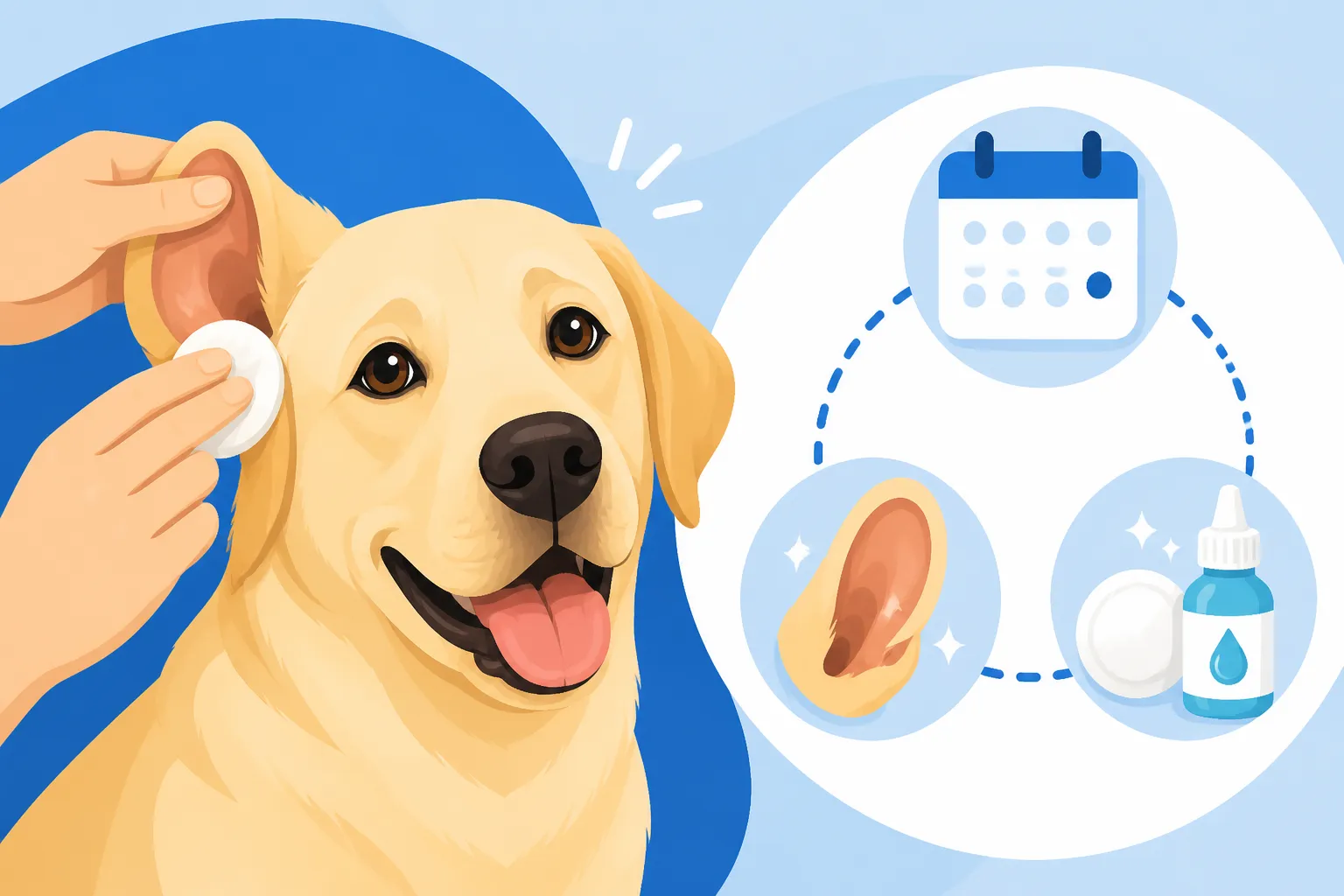
For most Labradors with healthy, symptom-free ears, a general guideline is to clean them every 2 to 4 weeks. However, this isn’t a rigid schedule; it’s more about being responsive to your individual dog's needs. Some Labradors are naturally "clean-eared" and might only need cleaning once a month, or even less, if you live in a dry climate and they rarely swim.
Other Labradors, particularly those with a history of ear infections, prominent ear flaps that seal off the canal more completely, or those who are frequent swimmers, might benefit from weekly cleanings. If your Labrador loves to dive into the lake every day, a gentle cleaning after each swim or at least every few days would be much more appropriate. The goal is to remove excess wax and debris before it can build up and become problematic, maintaining a healthy balance in the ear canal. Always use a veterinarian-approved ear cleaner that's designed to be gentle and safe for regular use.
The Right Way to Clean Labrador Ears
Cleaning your Labrador’s ears isn't complicated, but it does require a gentle touch and the right technique. Done incorrectly, you can cause more harm than good, so let's walk through the steps to ensure a safe and effective cleaning experience for your furry friend.
Gathering Your Supplies
Before you begin, have everything laid out and ready. This will make the process smoother and less stressful for both you and your Labrador. You'll need:
- Veterinarian-approved ear cleaner: This is crucial. Don't use rubbing alcohol, hydrogen peroxide, or anything else not specifically formulated for canine ears. These can be irritating or even damaging. Many excellent dog-specific ear cleaners are available from reputable pet supply retailers like Chewy or Amazon. Look for ones that are gentle, drying, and have antiseptic properties if your vet recommends it.
- Cotton balls or gauze squares: Avoid Q-tips (cotton swabs) as they can push debris further into the ear canal or damage the delicate inner ear structures. Cotton balls are soft and absorbent, perfect for wiping.
- Treats: Lots of them! Positive reinforcement will make this a much more pleasant experience for your Labrador.
- Towels: Keep a towel handy, especially if your Labrador tends to shake their head immediately after cleaning (which they probably will!).
Choose a quiet, comfortable spot where your Labrador feels secure. This isn't a task to rush or do when you're both stressed.
Step-by-Step Cleaning Process
Once you're ready, take a deep breath and follow these steps:
- Examine the Ear (Again): Before applying any cleaner, lift the ear flap and visually inspect the ear canal one last time. Are there any signs that would warrant a vet visit, such as extreme redness, swelling, or foul discharge? If so, put the cleaner away and call your vet. If it looks healthy, proceed.
- Administer the Cleaner: Hold your Labrador's ear flap up gently but firmly. Position the tip of the ear cleaner bottle just inside the entrance of the ear canal – do not insert it deep into the ear. Squirt a generous amount of the cleaning solution into the ear canal until it's full or almost full. Many Labradors find this part a bit surprising, but it shouldn't be painful.
- Massage the Base of the Ear: This is the critical step for dislodging debris. With the cleaner in the ear, gently but thoroughly massage the base of your Labrador’s ear for about 20-30 seconds. You should hear a squishing sound as the liquid works its way deep into the canal. This massage helps break up wax and debris, allowing the cleaner to do its job.
- Allow Your Labrador to Shake Their Head: After massaging, step back (or cover yourself with a towel!) and let your Labrador shake their head. This action helps to propel the dissolved wax and cleaner out of the ear canal. It might get a bit messy, but it’s a necessary part of the process.
- Wipe the Outer Ear: Once they’ve finished shaking, use a clean cotton ball or gauze square to gently wipe away any visible cleaner, wax, or debris from the outer part of the ear flap and the entrance of the ear canal. Remember, only wipe what you can easily see. Never try to reach deep inside with a cotton ball. Repeat with fresh cotton balls until no more visible dirt or solution comes out.
- Reward! Lavishly praise and reward your Labrador with treats throughout and especially after the cleaning. Positive associations will make future cleanings much easier.
Remember, if at any point your Labrador shows signs of pain, fear, or aggression during this process, stop immediately and consult your veterinarian. They can show you proper techniques or perform the cleaning in a clinic setting.
Preventative Care and Routine Maintenance
Establishing a consistent ear care routine is the best defense against ear infections for your Labrador. Beyond regular cleaning, there are several other preventative measures you can take to keep those ears healthy and happy.
Drying Ears After Swimming
This is perhaps the most crucial preventative step for water-loving Labradors. After every single swim, make it a non-negotiable routine to dry your Labrador’s ears. Use a soft, absorbent towel or cotton ball to gently wipe out the outer ear and the entrance to the ear canal. The goal is to remove as much moisture as possible without pushing anything deeper.
For Labradors who are highly prone to infections, or if they've been swimming in particularly murky water, following up with a veterinarian-approved ear drying solution is highly recommended. These solutions often contain ingredients that help acidify the ear canal, creating an environment less hospitable to bacteria and yeast, while also promoting evaporation of moisture. Products designed for this purpose are readily available on sites like Chewy or Amazon. Make sure to choose one specifically labeled as a "drying solution" or "after-swim ear care." This proactive step, essentially a mini Routine After a Labrador Swims in the Lake, can drastically reduce the incidence of ear infections.
Hair Trimming and Airflow
Many Labradors have some hair growing inside their ear canals. While generally not as dense as in some other breeds, this hair can sometimes trap moisture and debris, further impeding airflow. If your Labrador is constantly battling ear infections, your veterinarian or a professional groomer can assess if this hair is contributing to the problem. In some cases, a very careful and conservative trimming or plucking of hair from the outer part of the ear canal (never deep inside!) might be recommended to improve ventilation. This should only be done by a professional or with explicit guidance from your vet, as improper technique can cause significant irritation. The goal is to gently open up the ear's entrance, not to strip the canal bare.
Dietary Considerations and Allergies
As mentioned earlier, allergies are a significant cause of ear issues in Labradors. If your dog experiences recurrent ear infections, chronic itching, or a persistent yeasty smell despite diligent cleaning, it's time to talk to your vet about potential allergies. They might recommend trying a limited ingredient diet, a hydrolyzed protein diet, or conducting allergy testing to identify specific triggers. Some owners find that a fresh-food diet, like those offered by services such as Ollie, can sometimes improve overall skin and coat health, which can indirectly benefit the ears by reducing allergic inflammation.
A change in diet or the addition of supplements like omega-3 fatty acids can sometimes improve the skin barrier and reduce inflammatory responses throughout the body, including in the ears. It’s a holistic approach that can bring long-term relief. Pay close attention to any patterns you notice between certain foods or seasonal changes and your Labrador's ear health. Sometimes, simply avoiding certain food ingredients can make a world of difference.
Regular Vet Check-ups
Even with the best home care, regular veterinary check-ups are essential. Your vet can perform a thorough otoscopic examination of your Labrador's ears, looking deeper into the canal than you ever could at home. They can spot early signs of trouble, such as inflammation or subtle infections, and provide advice tailored to your dog's specific needs. For Labradors prone to ear problems, your vet might recommend specific cleaning solutions or preventative medications. These routine visits are also an opportunity to discuss any new concerns, ensuring that your Labrador's ears remain healthy as part of their overall well-being. Labrador Vaccination and Parasite Schedule visits are a great time to incorporate an ear check.
Disclaimer
This article is for general informational purposes only and does not constitute professional advice. Laws, prices and regulations vary by location and change over time. Consult a qualified professional for guidance on your specific situation.