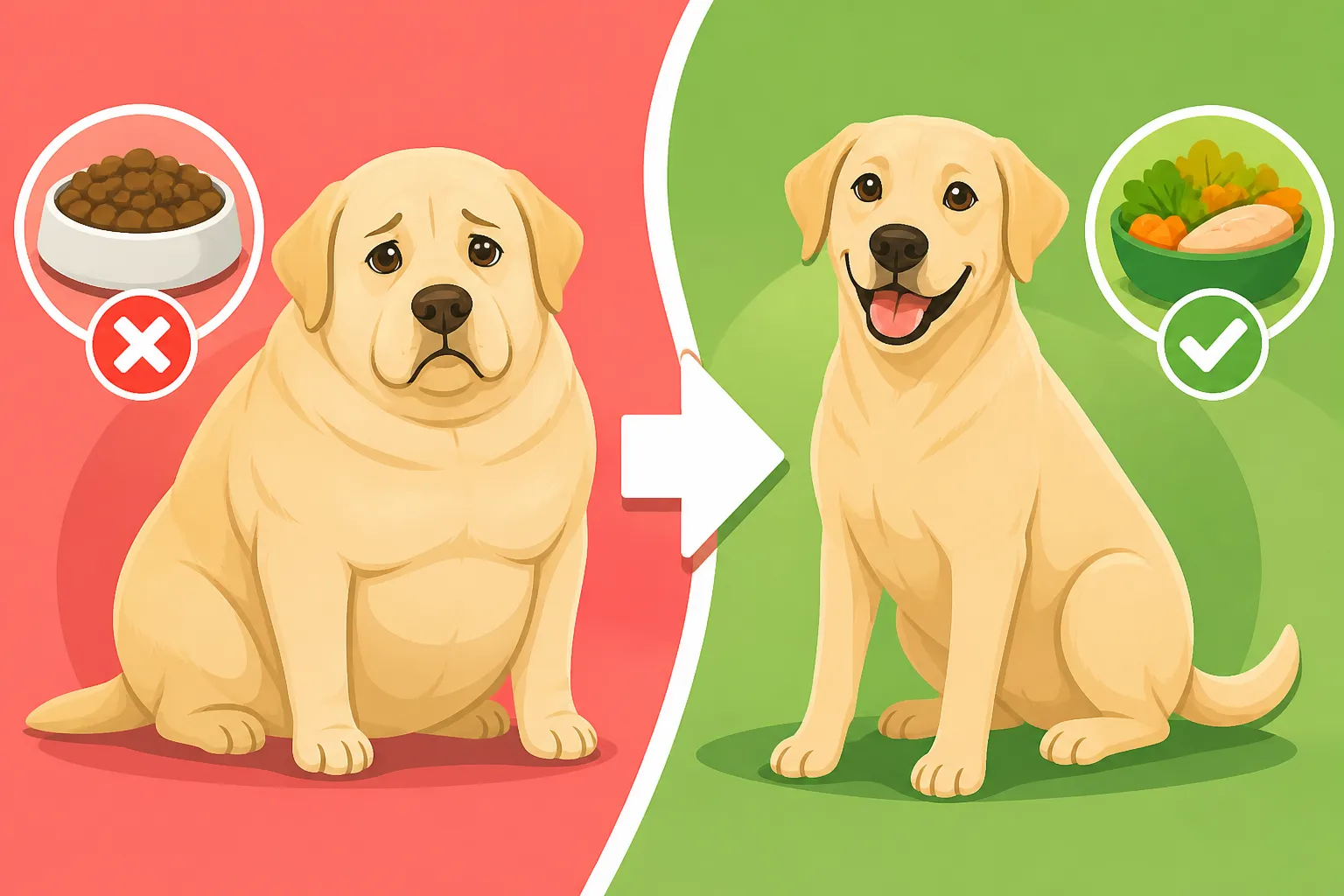
Putting an Overweight Labrador on a Diet
It's a familiar sight for so many of us Labrador owners: that sweet, soulful face looking up at you, often with an extra curve to its silhouette. It's incredibly easy for our beloved Labs to pack on the pounds, and it can be disheartening when you feel like you're doing everything right but the scale keeps creeping up. This guide is here to walk you through the practical, empathetic, and sustainable steps to successfully put your overweight Labrador on a diet, helping them shed those excess pounds and live a healthier, happier life.
Why Your Labrador Gained Weight in the First Place
Let's be real, Labradors are practically designed to gain weight. It’s not just you; it’s a widespread challenge unique to the breed. Their insatiable appetites and remarkable ability to charm us into dispensing just one more treat are formidable foes in the battle of the bulge. Understanding why your Labrador has likely put on weight is the first step toward devising a successful plan to get them back to a healthy size.
The Genetic Predisposition to Pack on Pounds
One of the biggest factors at play is genetics. Many Labradors carry a specific gene mutation, often referred to as the "Labrador obesity gene" (POMC deletion). This mutation actually affects how full they feel, making them constantly hungry and less likely to feel satisfied after a meal. This isn't just them being greedy; it's a genuine biological difference that means their brains don't get the "I'm full" signal as readily as other breeds. So, when your Labrador seems absolutely ravenous, it's often because they genuinely feel that way, and it's not a reflection of your feeding habits alone. It’s a frustrating reality to face, knowing that their very DNA is working against a lean physique. Why a Quarter of Labradors Overeat by Genetics delves deeper into this.
Beyond this specific gene, Labradors, as a breed, were originally bred for demanding work as retrievers, spending long hours in cold water. Their bodies evolved to be efficient calorie-storers, a useful trait in their working past but a hindrance in many modern pet homes where daily exercise might not match their genetic programming.
The Role of Our Affection and Lifestyle
We love our Labs, and it's natural to want to give them treats and extra food. A little piece of cheese during dinner prep, an extra biscuit before bed, or a scoop more kibble because they look so hungry – these small gestures add up. It’s easy to underestimate just how many calories are in those seemingly innocent additions.
Think about it: a single dental chew can have as many calories as a small meal for some dogs. A handful of training treats throughout the day, combined with their regular food, can easily push them over their daily caloric needs. Plus, if their exercise routine has slowed down – perhaps due to your own busy schedule, their aging joints, or even just bad weather keeping you indoors – those extra calories have nowhere to go but straight to their waistline. It’s not a blame game, it's simply acknowledging the common traps we all fall into. For more on the consequences, see Labrador Obesity and the Years It Costs.
Accurately Assessing Your Labrador's Weight
Before you can put your Labrador on a diet, you need to know where they stand. "Chubby" might be cute, but it's not a precise measurement. Relying solely on the number on the scale can also be misleading, as ideal weights vary greatly even within the Labrador breed, depending on their build and lineage (think English vs. American lines). What we really need to look at is their body condition.
Understanding Body Condition Scoring (BCS)
Body Condition Scoring (BCS) is a standardized, visual, and tactile assessment that helps you gauge your dog's fat reserves. It's usually rated on a 1-5 or 1-9 scale, with 3/5 or 4-5/9 being ideal. Instead of a number on a scale, it’s about what you see and feel. You're looking for palpable ribs, a visible waist, and a tucked-up abdomen. It's a skill you can learn, and it's far more useful than just weighing your dog.
Here's a quick guide to what you should be feeling for:
| BCS Score (1-5 Scale) | Visual Cues | Palpation Cues |
|---|---|---|
| 1 (Emaciated) | Ribs, spine, pelvic bones easily visible from a distance. No discernible body fat. | Ribs, spine, pelvic bones very prominent; no fat covering. Severe abdominal tuck. |
| 2 (Underweight) | Ribs easily visible. Spine and pelvic bones visible but less prominent. Minimal fat. | Ribs easily felt with minimal fat covering. Obvious abdominal tuck. |
| 3 (Ideal) | Ribs easily felt, not necessarily seen. Waist easily noted. Abdominal tuck present. | Ribs felt without excess fat. Waist clearly visible. Abdomen tucked up. |
| 4 (Overweight) | Ribs palpable with difficulty. Waist less prominent or absent. Abdomen slightly tucked. | Ribs felt with moderate fat covering. Waist discernible but not prominent. Slight abdominal tuck. |
| 5 (Obese) | Ribs not palpable without firm pressure. No waist. Abdomen may sag. | Ribs very difficult to feel due to heavy fat cover. No waist. Abdomen distended. |
For a deeper dive into this, check out Checking a Labrador's Body Condition Score. Your vet is the best resource for an accurate BCS assessment, but you can certainly get a good idea at home.
Practical Steps to Assess Your Lab
- Run your hands over their sides: Can you easily feel their ribs without pressing hard, like feeling the knuckles on your hand? If you have to press firmly to feel them, they're likely carrying too much weight.
- Look from above: When standing over your Labrador, do you see a distinct waistline tucked in behind their ribs? Or do they look more like a sausage?
- Look from the side: Does their belly tuck up gently from their chest to their hind legs, or does it sag or hang down?
If you suspect your Labrador is overweight based on these checks, a trip to the vet is highly recommended. They can confirm the BCS, rule out any underlying health issues that might contribute to weight gain, and help you set a realistic target weight.
Crafting a Sustainable Diet Plan
Once you know your Labrador needs to lose weight, it's time to build a plan. This isn't about starvation; it's about smart, consistent changes that lead to healthy, gradual weight loss. Remember, slow and steady wins the race when it comes to canine weight management.
Choosing the Right Food
The foundation of any successful diet plan is the food itself. You'll likely need to reduce calories without reducing nutrition. This often means switching to a specially formulated "weight management" or "light" dog food. These foods are designed to be lower in calories and fat, often higher in fiber to help your dog feel fuller, while still providing all the essential nutrients.
When looking at dog food options, whether it's on Chewy, at your local pet store, or a fresh-food service like Ollie, pay close attention to the calorie count per cup. It can vary wildly between brands and formulas. Don't just assume a "light" formula is automatically low-calorie; always check the guaranteed analysis and feeding guidelines.
- Veterinary Diet Formulas: For significantly overweight Labs, your vet might recommend a prescription weight-loss diet. These foods are specifically engineered for maximum satiety with minimum calories and have been clinically proven to aid weight loss.
- High-Quality Kibble: If a prescription diet isn't necessary, look for a high-quality kibble with a moderate protein content, lower fat, and good fiber. Avoid formulas that are very high in fat, even if they claim to be for "active" dogs, unless your Lab truly is burning a lot of calories.
- Fresh/Human-Grade Options: Some owners find success with fresh food diets, where portions are meticulously controlled. Brands like Ollie deliver pre-portioned meals based on your dog's caloric needs, which can simplify the process, but you'll still need to ensure the caloric intake matches their target weight, not their current overweight one.
Precise Portion Control
This is arguably the most critical aspect of any diet plan for a Labrador. That "scoop" you've been using? It's probably inconsistent. Even a small variance each day can make a big difference over time.
- Use a Kitchen Scale: The most accurate way to measure food is by weight, not volume. Invest in a simple kitchen scale and weigh out your Labrador's daily food allowance. The bag will usually provide grams or ounces per serving. This eliminates the variability of scoops and ensures you're feeding exactly what you intend to. Using a Kitchen Scale for Labrador Portions can walk you through it.
- Calculate Daily Calories: Work with your vet to determine the ideal daily caloric intake for your Labrador's target healthy weight, not their current weight. This is vital. Often, we calculate based on current weight, which leads to slow or no weight loss.
- Divide Meals: Instead of one or two large meals, consider dividing their daily allowance into three or even four smaller meals. This can help manage their constant hunger and keep their metabolism more consistent throughout the day.
- Slow Feeder Bowls: Labradors are champion gulpers. A slow feeder bowl can make meals last longer, engaging them mentally and potentially helping them feel more satisfied by stretching out the eating experience. You can find many effective options on Amazon or Chewy.
Smart Treat Choices
Treats are often the silent calorie culprit. We use them for training, for affection, and sometimes just because our Lab gives us "the look." But they can quickly undo all your hard work.
- Low-Calorie Options: Switch to truly low-calorie treats. Think small pieces of cooked chicken breast (no seasoning), carrots, green beans, or specially formulated low-calorie dog treats. You can find some excellent Low Calorie Treats for an Overweight Labrador that won't bust their calorie budget.
- Use Kibble as Treats: Take a portion of their daily kibble allowance and set it aside to use as training rewards throughout the day. This way, you're not adding extra calories, just redistributing them.
- Reduce Frequency: Be mindful of how often you're giving treats. If you're giving them multiple times an hour, even low-calorie options add up.
- Non-Food Rewards: Sometimes, a walk, a game of fetch, or a good ear scratch is just as rewarding (if not more so!) for your Labrador than a food treat.
Implementing and Monitoring the Diet
Getting started is one thing; sticking with it and making adjustments is another. Patience and consistency are your greatest allies.
Gradual Transition
Don't just switch your Labrador's food cold turkey. A sudden change can lead to an upset stomach. Gradually transition over 7-10 days, mixing increasing amounts of the new food with decreasing amounts of the old.
- Day 1-2: 25% new food, 75% old food
- Day 3-4: 50% new food, 50% old food
- Day 5-6: 75% new food, 25% old food
- Day 7+: 100% new food
Watch for any signs of digestive upset like diarrhea or vomiting during this transition.
Incorporating More Exercise
Diet alone is only half the battle. Increased physical activity burns calories and builds muscle, which in turn boosts metabolism. This doesn't mean you need to turn your Labrador into an agility champion overnight, but consistent, moderate exercise is key.
- Daily Walks: Aim for at least two brisk walks a day. Gradually increase the duration and intensity as your Labrador's fitness improves. A 30-minute walk is a good starting point, aiming for longer as they get fitter. Daily Walk Length for a Labrador offers more guidance.
- Playtime: Incorporate active playtime like fetch or tug-of-war. For many Labs, swimming is an excellent, low-impact exercise that burns a lot of calories without stressing their joints.
- Mental Stimulation: Don't forget mental exercise! Puzzle toys, scent work, and training sessions can burn calories and keep your Labrador engaged, reducing boredom that can sometimes lead to begging. Tiring a Labrador on a Rainy Day has some great ideas.
- Consult Your Vet: Especially if your Labrador is significantly overweight or older, consult your vet before starting an intense exercise regimen. They can advise on safe activity levels to avoid injury.
Consistency and Family Buy-In
This is where many diet plans falter. Everyone in the household needs to be on the same page. If one person is diligently measuring food and another is sneaking extra treats, the plan will fail.
- Communicate the Plan: Hold a family meeting. Explain why the diet is important for your Labrador's health.
- Designate a Feeder: Assign one person primary responsibility for feeding and measuring.
- No Sneaking Food: Make it clear that no human food or extra treats should be given unless they are part of the pre-approved, low-calorie treat allowance. This can be tough, especially with kids, but it’s crucial.
Monitoring Progress and Adjusting the Plan
Weight loss in dogs, especially Labradors, isn't always linear. There will be plateaus, and sometimes the scale might not budge for a week or two. Don't get discouraged!
- Regular Weigh-Ins: Weigh your Labrador weekly or bi-weekly, always at the same time of day (e.g., before their morning meal) and on the same scale. Keep a log of their weight.
- Re-Evaluate BCS: Continue to perform weekly BCS checks. Sometimes, muscle gain can make the scale seem stagnant even if fat is being lost.
- Expect Gradual Loss: A safe and sustainable weight loss for dogs is typically 1-2% of their body weight per week. This means a 90-pound Labrador should aim to lose about 1 to 1.8 pounds per week. It won't happen overnight.
- Don't Be Afraid to Adjust: If your Labrador isn't losing weight after 2-4 weeks, or if they're losing too quickly (which can be unhealthy), it's time to re-evaluate. Your vet can help you adjust the caloric intake, recommend a different food, or investigate other factors. It might mean reducing their daily calories by another 10-15% or increasing their exercise.
- Veterinary Check-ups: Schedule regular check-ups with your vet throughout the weight loss journey. They can provide valuable feedback, encouragement, and professional guidance. They can also provide insights into How Fast a Labrador Should Lose Weight.
Dealing with Challenges and Plateaus
The journey to a healthy weight isn't always smooth. You're bound to hit some bumps in the road, especially with a breed as food-motivated as a Labrador.
The Constant Begging
This is perhaps the biggest challenge. Labs are masters of the sad puppy eyes and the insistent nudge. It's hard to resist!
- Ignore the Begging: As difficult as it is, try to ignore begging behavior. If you give in even once, you reinforce that the behavior works.
- Redirection: Redirect their attention. Instead of a treat, offer a chew toy, initiate a play session, or give them a good petting.
- Scheduled Feeding: Stick to a strict feeding schedule. Your Labrador will learn when to expect food, which can reduce incessant begging outside those times.
- Puzzle Feeders: These can be a godsend. By making your Labrador "work" for their meal, it slows down eating, provides mental stimulation, and often leaves them more satisfied. You can find many interactive puzzle feeders on Amazon or Chewy.
Weight Loss Plateaus
You're doing everything right, but the scale just won't budge. This is common.
- Double-Check Everything: Are you really measuring precisely? Are family members really sticking to the plan? Are you accounting for every single treat, lick, and taste?
- Increase Exercise (Gradually): If their fitness allows, slowly increase the duration or intensity of their walks or playtime.
- Consult Your Vet Again: If a plateau persists for several weeks despite your best efforts, it's definitely time to consult your vet. They might suggest a further calorie reduction or explore if there's an underlying metabolic issue.
Maintaining the New, Healthy Weight
Once your Labrador reaches their ideal weight, the job isn't over. Maintaining that weight requires continued vigilance and the habits you've built.
- Re-evaluate Caloric Needs: Your Labrador will need fewer calories to maintain their weight than they did to lose it. Work with your vet to determine the appropriate maintenance calories.
- Continue Healthy Habits: Keep up with portion control, smart treat choices, and regular exercise. These aren't just for weight loss; they're for a lifetime of health.
- Monitor Routinely: Weigh and assess their BCS periodically (monthly, for example) to catch any creeping weight gain early.
Putting an overweight Labrador on a diet is a commitment, but it's one of the most loving things you can do for them. It might feel tough at times, but seeing your Lab move with more ease, have more energy, and ultimately be healthier, is an incredible reward.
Disclaimer
This article is for general informational purposes only and does not constitute professional advice. Laws, prices and regulations vary by location and change over time. Consult a qualified professional for guidance on your specific situation.