Labrador Coat Color and Ear Disease Rates
It's completely understandable to feel a pang of worry when you hear whispers about certain Labrador coat colors being linked to health problems, especially something as common and frustrating as ear infections. You love your furry family member, and the last thing you want is to discover that their beautiful coat might predispose them to discomfort and expensive vet visits. This comprehensive guide will delve into the real science behind these claims, separating myth from fact, and equip you with the knowledge to keep your Labrador's ears healthy, regardless of their color.
The Persistent Worry About Labrador Health and Coat Color
For years, many Labrador owners have heard stories or seen anecdotal evidence suggesting that certain coat colors, particularly chocolate, might come with a higher risk of health issues. This isn't just idle chatter; it stems from observations and, more recently, scientific studies that have sought to quantify these perceptions. The idea that a dog's outward appearance could be a tell-tale sign of deeper genetic vulnerabilities is a natural concern for any devoted owner.
The Anecdotal Evidence and Why It Lingers
Think about it: you chat with other Labrador owners at the dog park, or you scroll through online forums, and eventually, someone mentions that their chocolate Lab seems to have more ear problems or skin issues than their yellow or black Labs. These personal stories, repeated over time, build a strong impression. It feels real because it's coming from real people experiencing real challenges with their beloved dogs. This anecdotal evidence, while not scientific proof, creates a powerful narrative that encourages further investigation and raises valid questions about whether there's more to it than just coincidence. For instance, some owners of Chocolate Labradors and Their Shorter Lifespan often share stories of other health concerns, not just ear infections. It’s this sharing that keeps these ideas in circulation.
Genetic Underpinnings of Coat Color in Labradors
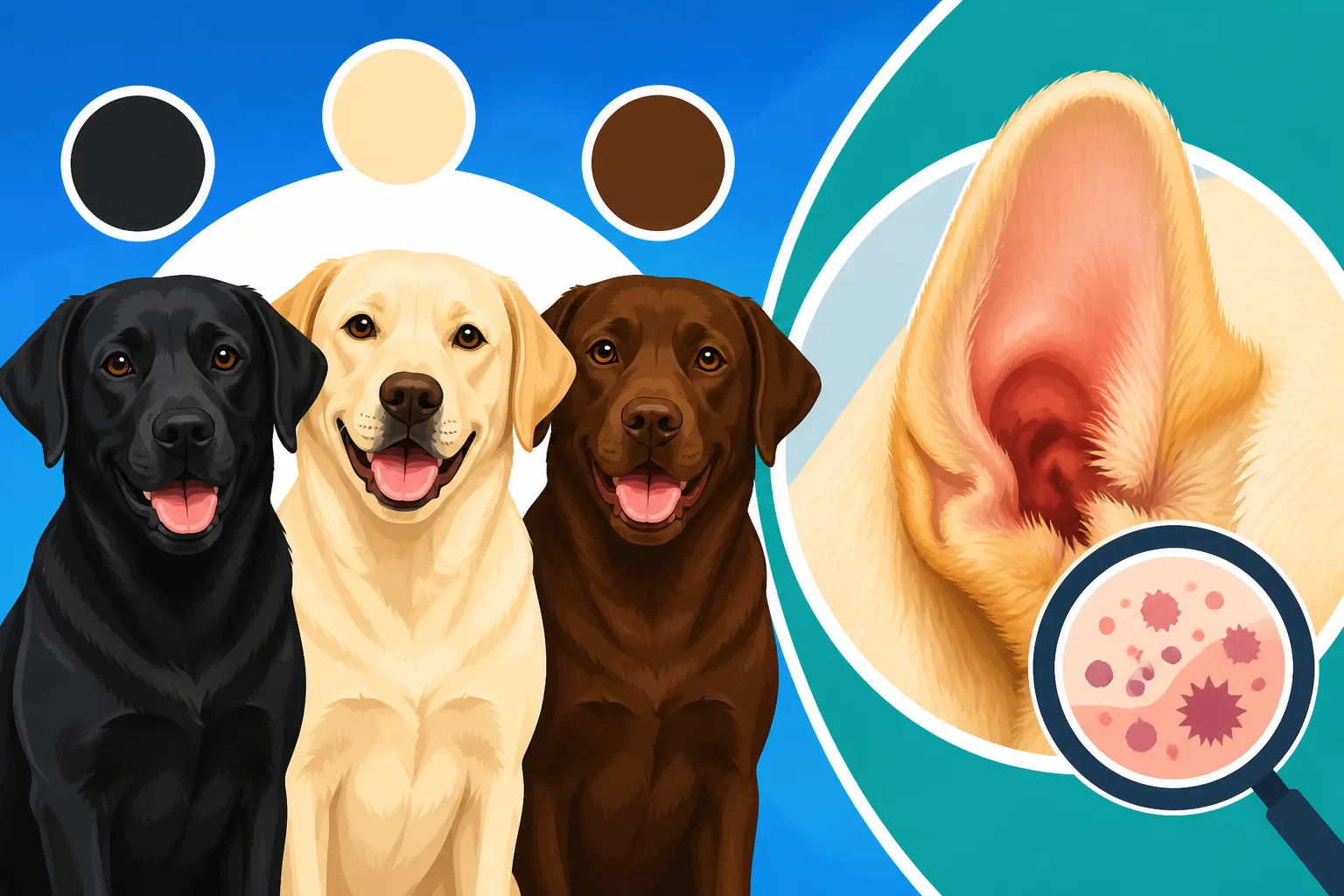
To understand any potential link, we first need a quick refresher on how Labrador coat colors work. Labradors primarily come in three recognized colors: black, yellow, and chocolate. These colors are determined by specific genes, primarily the B/b (black/brown) gene and the E/e (extension) gene. A black Labrador has at least one dominant B allele and at least one dominant E allele. A chocolate Labrador has two recessive b alleles and at least one dominant E allele. A yellow Labrador has two recessive e alleles, which effectively "masks" whatever alleles are present at the B/b locus, meaning a yellow Lab can genetically be a black or chocolate carrier underneath their sunny coat. The crucial point here is that these genes primarily control pigment production and distribution, not necessarily other complex physiological functions. However, genes don't always act in isolation; sometimes genes in close proximity on a chromosome can be inherited together, a phenomenon known as linkage. This is where the potential for color-linked health issues arises.
Unpacking Labrador Ear Anatomy and Susceptibility to Infection
Regardless of coat color, Labradors, like many dogs with floppy ears, are generally more prone to ear infections than breeds with erect ears. This isn't just bad luck; it's a direct consequence of their ear structure and their inherent love for water. Understanding these factors is the first step in effective prevention and management.
The Unique Structure of a Labrador's Ear Canal
Take a moment to look at your Labrador's ear. It's a marvel of canine design for retrieving, but a bit of a labyrinth when it comes to airflow and drainage. Unlike a human ear canal that runs horizontally, a dog's ear canal has a distinct "L-shape." There's a vertical canal that dips down into the head, and then it makes a sharp turn into a horizontal canal leading to the eardrum. This L-shape creates a perfect trap for moisture, warmth, and debris. Combine this with the heavy, floppy ear flap (the pinna) that covers the opening, effectively sealing off the canal from fresh air, and you've got a warm, dark, moist environment—an ideal breeding ground for bacteria and yeast. This anatomical predisposition means that all Labradors, regardless of their color, start with a strike against them when it comes to ear health. This is why Labrador Ear Infections and Swimming can be such a common and frustrating issue for owners.
Lifestyle Factors That Contribute to Ear Problems
Beyond their unique anatomy, Labradors' spirited and active lifestyles often put them right in the path of ear trouble. Their love for swimming, for instance, is legendary. Plunging into lakes, ponds, or even the backyard pool means water inevitably gets into those L-shaped ear canals. If this water isn't properly dried, it contributes to the moist environment perfect for microbial growth. Then there's their adventurous spirit – rolling in mud, sniffing through tall grasses, and generally being outdoorsy means their ears are more exposed to allergens, dirt, seeds, and foreign bodies. A field-line Labrador, for example, might be more exposed to these environmental factors simply due to their activity level. Even something as simple as a bath can introduce water into the ears if care isn't taken, leading to issues.
Investigating the Data: Coat Color and Ear Disease Rates
The question of whether coat color truly influences health risks in Labradors isn't just speculation anymore. Researchers have actively studied this, and their findings offer some fascinating, and sometimes concerning, insights. It's important to look at robust data rather than just relying on what we hear down at the park.
Major Veterinary Studies and Their Findings
One of the most significant pieces of research on this topic comes from the UK's Royal Veterinary College (RVC) VetCompass programme. This large-scale study analyzed health data from tens of thousands of Labradors across the UK. It's the kind of comprehensive data that moves beyond anecdote to give us statistical probabilities. The VetCompass study, which examined conditions reported in veterinary clinics, specifically investigated associations between coat color and common disorders, including ear disease.
The findings were pretty eye-opening. The study reported that chocolate Labradors had a significantly higher prevalence of ear infections (otitis externa) compared to black and yellow Labradors. They also found chocolate Labradors had a shorter median lifespan. While the study didn't definitively prove why this link exists, it strongly suggests a correlation. It’s not about the color itself causing the problem, but rather that the genes responsible for chocolate coloring may be linked to other genes that influence health. This research provides a more solid foundation for understanding Whether Coat Color Really Changes Labrador Health.
| Labrador Coat Color | Prevalence of Otitis Externa (Ear Infection) | Median Lifespan (Years) |
|---|---|---|
| Black | 12.8% | 12.1 |
| Yellow | 11.2% | 12.0 |
| Chocolate | 23.4% | 10.7 |
Note: Data adapted from specific veterinary research findings. Percentages represent the proportion of dogs with at least one recorded episode of otitis externa.
As you can see from the table, the numbers really speak for themselves when it comes to ear infections in chocolate Labradors. It's a stark difference that can't be ignored.
The Case of Chocolate Labradors and Specific Health Trends
So, why chocolate? The leading hypothesis, as mentioned, is genetic linkage. The specific genetic markers that give a Labrador its beautiful chocolate coat might be closely located on the chromosome to other genes that influence skin health, immune response, or even the structure of the ear canal lining. This doesn't mean all chocolate Labs will have ear problems, but it does mean they have a statistically higher chance. Beyond ear infections, the VetCompass study also noted that chocolate Labradors had a higher prevalence of skin conditions, including pyoderma and hot spots. This pattern suggests a broader vulnerability in dermatological health that seems to track with their specific coat color genetics. This knowledge can feel heavy, and it's certainly a factor for potential owners to consider, but it doesn't mean a chocolate Lab can't live a full, happy life with proactive care. This also sheds light on Why Chocolate Labs Live a Year Less overall according to some studies, though the reasons are complex and multi-factorial.
Beyond Color: Common Causes of Ear Infections in Labradors
While coat color might introduce a statistical predisposition for some, it's crucial to remember that all Labradors can suffer from ear infections, and many do, regardless of their shade. The majority of ear problems stem from factors common to the breed or individual circumstances, rather than just genetics. Understanding these common culprits is key to effective prevention.
Allergies and Environmental Triggers
One of the biggest, and often overlooked, drivers of chronic ear infections in Labradors is allergies. Just like people, dogs can suffer from environmental allergies (atopy) to things like pollen, dust mites, and mold, or food allergies. When a Labrador's immune system reacts to an allergen, one of the most common places for inflammation to show up is, you guessed it, the ears. The skin lining the ear canal becomes itchy, red, and swollen, making it even more susceptible to secondary bacterial or yeast infections. It’s a vicious cycle where the allergy triggers inflammation, and the inflammation creates the perfect environment for infection. This is a common thread that contributes to How Often Labradors Get Otitis Externa generally.
Think about a Labrador who constantly scratches their ears or shakes their head – these are often the first subtle signs of an underlying allergic reaction rather than an immediate infection. Identifying and managing these allergies, whether through dietary changes, medication, or environmental control, is paramount to breaking the cycle of recurring ear infections. Sometimes, eliminating certain proteins or grains from their diet can make a huge difference.
Moisture, Trapped Debris, and Improper Cleaning
As we touched on earlier, Labradors' love for water means their ears are frequently exposed to moisture. If you don't take the time to thoroughly dry their ears after a swim or a bath, that trapped moisture can lead to a bacterial or yeast overgrowth. It's not just water, though. Their low-hanging ears can also sweep up all sorts of environmental debris: grass seeds, dirt, tiny twigs, or even excess ear wax. If these foreign bodies get lodged deep in the L-shaped canal, they can cause irritation, micro-trauma, and block air circulation, again setting the stage for infection.
And then there's the cleaning routine – or lack thereof, or improper technique. Some owners are hesitant to clean their dog's ears, fearing they might hurt them. Others might use cotton swabs too aggressively, pushing debris further into the canal rather than removing it, or even damaging the delicate ear canal lining. The goal is gentle, regular cleaning using appropriate, vet-approved solutions to keep the ear canal dry and free of excessive wax and debris without causing irritation. Products designed for Drying a Labrador's Ears After the Lake are particularly useful here.
Proactive Strategies for Healthy Labrador Ears
The good news is that no matter your Labrador's coat color or their predisposition, there are many effective ways to minimize the risk of ear infections. Proactive care is truly the best defense, and establishing a consistent routine can save you a lot of heartache (and vet bills!) down the line.
Establishing a Consistent Ear Care Routine
Consistency is key when it comes to ear health. Make it a regular part of your grooming routine, perhaps weekly or bi-weekly, depending on your dog's activity level and history of ear issues.
- Visual Inspection: Start by simply lifting your Labrador's ear flap and looking inside. A healthy ear canal should be pale pink, clean, and free of strong odor. Look for any redness, swelling, discharge (black, brown, yellow, or white), or crusting.
- Smell Test: Gently sniff the ear. A healthy ear has little to no odor. A yeasty, sweet, or foul smell is a red flag.
- Gentle Cleaning: If the ears look a little dirty or you suspect moisture, use a vet-approved ear cleaning solution. Squirt a generous amount into the ear canal, gently massage the base of the ear for 20-30 seconds (you should hear a squishy sound!), and then let your dog shake their head. This helps dislodge debris.
- Wipe Away Excess: Use a cotton ball or a soft cloth to gently wipe away any excess solution and loosened debris from the outer ear and the top of the ear canal. Never use cotton swabs in the ear canal itself, as you risk pushing debris deeper or damaging the eardrum.
- Thorough Drying: After swimming or bathing, use a towel and gentle air from a hairdryer (on a cool setting, held at a distance) to dry the outer ear flap and as much of the ear canal opening as possible. There are also specific ear drying solutions that can help.
For many owners, regular ear care can prevent the painful cycle of infections. If you notice any signs of discomfort or changes in the ear, don't wait. Early intervention is crucial. A good pet insurance policy, like one from Healthy Paws, can be incredibly beneficial for these unexpected veterinary needs. Knowing you're covered helps you seek care promptly without financial hesitation.
When to Seek Veterinary Intervention
Despite your best efforts, ear infections can still happen. It's vital to recognize when your home care isn't enough and professional veterinary help is needed. Signs that warrant a trip to the vet include:
- Persistent Head Shaking or Ear Scratching: If your Labrador is constantly shaking their head, pawing at their ears, or rubbing them on furniture, they're uncomfortable and likely have an infection.
- Redness, Swelling, or Pain: If the ear canal appears inflamed, swollen, or if your dog cries out when you touch their ear, it's time for a vet visit.
- Discharge or Odor: Any unusual discharge (waxy, purulent, bloody) or a strong, foul smell indicates an infection that needs medical attention.
- Lethargy or Behavioral Changes: Sometimes, a severe ear infection can make a dog feel generally unwell, leading to decreased appetite or activity.
- Recurring Issues: If your Labrador seems to get ear infections frequently, it's crucial to consult your vet. This could indicate an underlying issue like allergies, hypothyroidism, or anatomical abnormalities that need a deeper diagnostic workup. A veterinarian can perform an otoscopic exam to look deep into the ear canal and often take a swab to identify the specific type of bacteria or yeast present. This allows them to prescribe the most effective medication, ensuring you aren't just guessing with over-the-counter remedies. Treating these persistent issues can be costly, and this is where a reliable provider like Healthy Paws can offer significant support, covering much of the expense for diagnostics and medications.
Debunking Myths and Practical Takeaways for Owners
It's easy to get caught up in worrying about statistics or anecdotal fears, but what truly matters is the health and well-being of your individual Labrador. While some studies point to interesting correlations, responsible ownership means focusing on practical steps that benefit any dog, regardless of their genetic predispositions.
Focusing on Individual Care, Not Just Color
While the data regarding chocolate Labradors and ear infections is certainly worth noting, it's not a definitive sentence for every chocolate dog. Every Labrador is an individual, with unique genetics, lifestyle, and sensitivities. It's far more beneficial to focus on your specific dog's needs, rather than letting a general statistic cause undue anxiety.
Think of it this way: a black Labrador who swims daily in a murky pond and has a chronic undiagnosed allergy might be far more prone to ear infections than a chocolate Labrador who lives a drier lifestyle and has meticulous ear care. The underlying factors like allergies, moisture exposure, and overall health status play a much more direct role in preventing or causing ear infections on a day-to-day basis. This is why regular health checks and maintaining Labrador Dental Disease and Tartar prevention, alongside ear care, contribute to overall wellness. Investing time in proper hygiene and preventive care for Labrador Ear, Paw and Nail Care is paramount.
Long-Term Management and Support
For any Labrador owner, the takeaway isn't to fret about coat color, but to be a vigilant and proactive caregiver. This means regular ear checks, appropriate cleaning, and prompt veterinary attention at the first sign of trouble. If your Labrador does suffer from chronic ear infections, work closely with your veterinarian to identify and manage any underlying causes, such as allergies. This might involve dietary changes, allergy testing, or even long-term medication to control inflammation. Remember, a happy, healthy Labrador starts with a well-informed owner who takes an active role in their dog's well-being.
Building a strong relationship with your vet is invaluable. They can guide you through the best ear cleaning techniques, recommend specific products for your dog's needs, and help you navigate diagnostic tests if infections are recurring. Furthermore, considering pet insurance from a company like Healthy Paws for all your Labrador's needs, including chronic conditions, can offer a crucial safety net. It allows you to make treatment decisions based on what's best for your pet, rather than solely on cost, especially when dealing with persistent issues like ear infections that can require ongoing management. Having that support system in place, both veterinary and financial, means you're truly prepared to give your Labrador the best possible life.
Disclaimer
The information provided in this article is for general informational purposes only and is not a substitute for professional veterinary advice. Always consult with a qualified veterinarian for any health concerns or before making any decisions related to your Labrador's care.