Why Labrador Puppies Limp After Hard Play
It can be incredibly alarming to watch your energetic Labrador puppy bounding around one moment, full of life, only to see them suddenly favoring a leg or limping after a particularly vigorous play session. Many puppy parents find themselves wrestling with worry, wondering if it's just a temporary strain from overenthusiasm or something more serious hidden beneath their pup's playful exterior. This guide is here to shed light on the common reasons why Labrador puppies might limp after hard play, helping you understand when to simply offer a little TLC and when it's time to call the vet.
Understanding Puppy Limping and Labrador Energetic Play
Labrador puppies are bundles of boundless energy, often playing with an intensity that can surprise even seasoned dog owners. They throw themselves into zoomies, wrestling matches, and games of fetch with an abandon that doesn't always consider the physical limits of their still-developing bodies. This natural exuberance, combined with their rapid growth, makes them particularly susceptible to minor strains and, sometimes, more significant issues. It's a tricky balance to navigate between letting them be a puppy and protecting their fragile joints.
The Dynamics of Puppy Growth and Vulnerability
Labrador puppies grow at an astonishing rate. In just a few months, they transform from tiny fluffballs into gangly, powerful adolescents. This rapid growth isn't just about getting bigger; it involves the complex development of bones, joints, muscles, and tendons. Their growth plates, areas of soft cartilage at the ends of long bones, are particularly vulnerable during this time. These plates aren't fully fused until they reach skeletal maturity, typically around 12-18 months for a Labrador, and are much softer than mature bone. Intense, repetitive impact or sudden twisting motions during play can easily injure these delicate structures, leading to pain and limping. It’s crucial to remember that growth plates are the last part of a puppy’s skeleton to harden, making them weak links in the chain of their rapidly elongating limbs. This is why we often talk about the importance of managing Exercise Limits for a Labrador Puppy to prevent future problems.
The Labrador's Stoic Nature and Hiding Pain
One of the most admirable, yet challenging, traits of a Labrador Retriever is their stoicism. They are often incredibly tolerant of pain and discomfort, a trait historically valued in working dogs that needed to push through minor injuries in the field. This means that a limping Labrador puppy might be experiencing more pain than their outward demeanor suggests. They might try to "walk it off" or continue playing, only showing subtle signs like a slight decrease in enthusiasm, a reluctance to bear weight fully, or a change in gait that you might miss if you're not paying close attention. It’s a common frustration for owners who know their Lab is hurting but can’t get a clear signal from them. Learning how to identify Reading Pain in a Stoic Labrador is an invaluable skill for any Lab owner.
Common Causes of Post-Play Limping in Labrador Puppies
When your Labrador puppy starts limping after a romp, your mind can jump to the worst-case scenarios. Thankfully, often the cause is something relatively minor that will resolve with rest. However, there are also specific growth-related conditions and injuries that are more common in rapidly growing, active large breed puppies like Labradors.
Overexertion, Sprains, and Strains
Just like human athletes, puppies can simply overdo it. A long session of chasing balls, intense wrestling with a dog park friend, or a particularly ambitious leap can lead to mild muscle strains or ligament sprains. These are essentially micro-tears in muscles or stretched ligaments around a joint. The pain usually appears shortly after the activity, and the limping might be intermittent or worse after resting and then trying to move again.
A common scenario might involve your puppy, let's call him Buster, engaging in an hour-long game of fetch, enthusiastically sliding to a halt and pivoting on his front paws. Later that evening, or the next morning, you notice a slight limp in his front leg. This type of injury is usually self-limiting and responds well to strict rest. It’s the body’s way of saying "I need a break." You’ll often find these minor injuries resolve within a few days with conservative management. If you have pet insurance, a plan from a provider like Healthy Paws could help cover unexpected vet visits for such sprains and strains if they escalate or require professional diagnosis.
Panosteitis: "Growing Pains" in Labradors
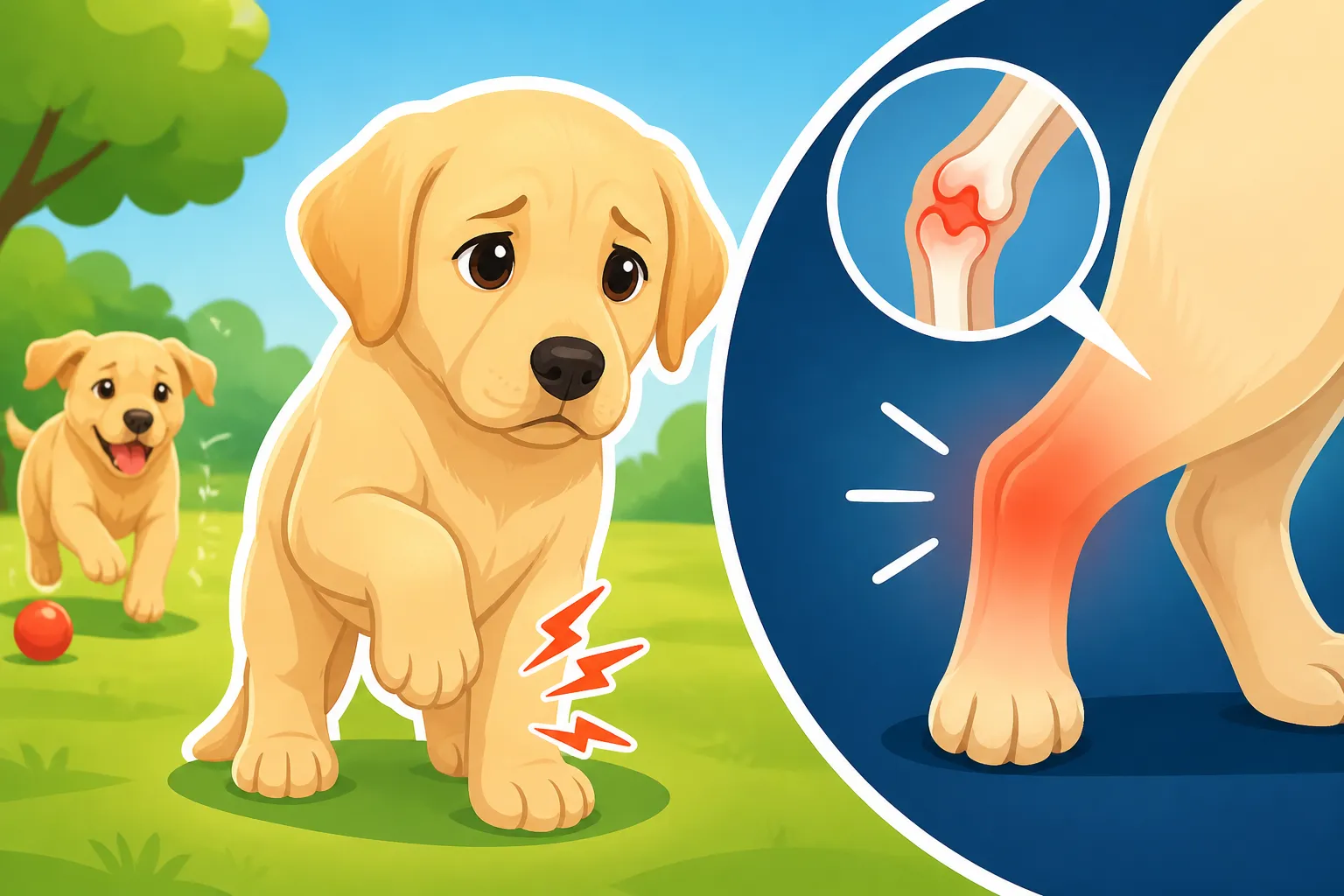
Panosteitis, often simply called "pano" or "growing pains," is an inflammatory condition of the long bones, most commonly seen in rapidly growing large breed puppies like Labradors, usually between 5 and 18 months of age. It's characterized by sudden, shifting lameness that can affect one leg, then another, or even multiple legs at once. The pain can be quite intense, making your puppy yelp or cry when the affected bone is touched.
This condition is mysterious in its exact cause but is thought to be linked to the stresses of rapid growth. One day, your puppy might be limping on their front left leg, then a week later, they're perfectly fine, but now slightly favoring their back right. It can be incredibly confusing and distressing for owners. The good news is that panosteitis is self-limiting and almost always resolves completely once the puppy finishes growing, leaving no lasting effects. The treatment focuses on pain management and rest during flare-ups. To learn more about this specific condition, you can read our detailed guide on Panosteitis in a Growing Labrador.
Joint Developmental Issues: Hip and Elbow Dysplasia
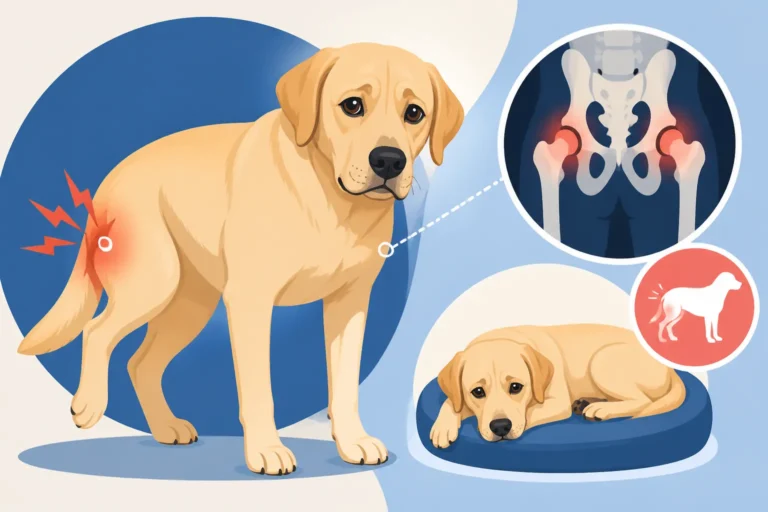
Unfortunately, Labradors are predisposed to certain developmental joint conditions, most notably hip and elbow dysplasia. While these are usually chronic conditions that worsen over time, a particularly strenuous play session can exacerbate mild symptoms, making a subclinical case of dysplasia suddenly apparent through limping.
- Hip Dysplasia: This occurs when the hip joint doesn't form correctly, leading to a loose or unstable joint. Hard running, jumping, or sudden stops can cause discomfort or pain as the ill-fitting joint grinds, leading to inflammation. You might notice your puppy "bunny hopping" or having difficulty getting up after rest.
- Elbow Dysplasia: This is a complex condition involving multiple growth abnormalities in the elbow joint. Similar to hip dysplasia, vigorous activity can put stress on these improperly formed joints, leading to pain and lameness, often in the front legs. Puppies with elbow dysplasia might exhibit a stiff gait or reluctance to fully extend their elbow.
It's important to understand that while play can trigger noticeable limping, the underlying issue of dysplasia is genetic and developmental. Responsible breeders screen their dogs for these conditions, and it's something to discuss with your vet if limping persists. If a puppy has a severe case of hip dysplasia, the Cost of Hip Surgery for a Labrador Retriever can be substantial, making pet insurance a wise consideration. Understanding Labrador Hip and Elbow Dysplasia in general is critical for any Labrador owner.
Other Potential Issues and Accidents
While less common, other issues can cause a Labrador puppy to limp after play:
- Paw Injuries: A simple cut, thorn, or embedded object in the paw pad or between the toes can cause sudden lameness. Always check your puppy’s paws thoroughly if they’re limping. Even a cracked nail can be surprisingly painful.
- Ligament or Tendon Tears: While less common in young puppies, a very severe twist or fall can result in a ligament or tendon tear, such as a partial cruciate ligament tear in the knee. These are more serious injuries and usually involve sudden, severe lameness.
- Fractures: Although rare during normal play, a bad fall or collision could result in a bone fracture. This would typically cause acute, severe pain, and the puppy would likely be unwilling or unable to bear any weight on the affected limb.
- Luxating Patella: This is when the kneecap temporarily slips out of place. You might see your puppy skip a step or hold up a leg for a few strides before it pops back into place and they resume normal activity. It can be genetic and is more commonly associated with smaller breeds but can occur in Labradors.
When to Worry: Red Flags and Veterinary Consultation
It's easy to overreact, but it's also dangerous to underreact when your puppy is limping. Knowing when to simply observe and when to seek professional help is key.
Signs That Warrant Immediate Veterinary Attention
While a slight, temporary limp after a particularly wild play session might just require a day or two of rest, certain symptoms are red flags that warrant a call to your veterinarian right away. These indicate that the injury or condition is likely more serious than a simple strain.
Consider the following as urgent signs:
- Inability to bear any weight: If your puppy is completely refusing to put weight on a leg, holding it up, or dragging it, don't wait. This is a strong indicator of a significant injury, such as a fracture, severe sprain, or dislocation, and requires immediate medical attention.
- Obvious swelling, deformity, or severe pain: If you see a visibly swollen joint, an abnormal bend in a limb, or if your puppy yelps, cries, or snaps when you gently try to examine the area, something serious is likely going on. This intense pain, combined with physical signs, is a clear signal to seek emergency care.
- Limping accompanied by other symptoms: If the limping comes with lethargy, fever, loss of appetite, vomiting, or any other signs of illness, it could indicate a systemic problem or a severe infection. A good pet insurance plan, such as those offered by Healthy Paws, can provide significant peace of mind when facing these kinds of urgent, unexpected veterinary costs.
- Limping that worsens rapidly: A slight limp that quickly deteriorates into severe lameness or an inability to move indicates a rapidly progressing problem.
- A "hot" limb: If the affected area feels noticeably warmer than the corresponding limb, it's a sign of significant inflammation or infection.
In these situations, it's always better to err on the side of caution. Even if it turns out to be nothing serious, getting your puppy checked out quickly can prevent a minor issue from becoming a major one.
When Observation and Rest Might Be Enough
For those less alarming limps, careful observation and conservative management can often do the trick. If your puppy has a slight, intermittent limp that doesn't seem to bother them too much, or it only appears after intense activity and resolves with rest, you might be dealing with a minor sprain or strain.
Here’s a general guideline for when you can likely observe at home:
- Mild, intermittent limping: Your puppy puts some weight on the leg but occasionally holds it up or takes shorter strides.
- No visible swelling or deformity: The limb looks normal to the eye.
- No signs of severe pain: Your puppy doesn't cry out or show aggression when the limb is gently manipulated.
- Still eating, drinking, and acting generally normal: Their overall demeanor hasn't changed drastically.
- Limping improves with rest: After a period of quiet, the limp lessens or disappears.
If these conditions apply, try to enforce strict rest for 24-48 hours. This means no running, jumping, stairs, or vigorous play. Leash walks for potty breaks only, and keep them in a confined, comfortable space like their crate or a small pen. During this time, keep a close eye on them. If the limping resolves or significantly improves, you can gradually reintroduce activity. However, if it persists, worsens, or if any of the "red flag" symptoms appear, it’s time to call the vet. It’s also important to manage their activity appropriately during puppyhood to prevent injury; remember that Forced Exercise and Labrador Growth Plates are a tricky combination, and limiting intense, repetitive impact is crucial.
| Symptom | When to Call the Vet Immediately | When to Observe and Rest |
|---|---|---|
| Weight Bearing | Complete inability to bear weight | Mild limping, still putting some weight |
| Pain Level | Crying, yelping, snapping when touched | Mild discomfort, no vocalization |
| Physical Appearance | Obvious swelling, deformity, hot to touch | No visible swelling or abnormality |
| Onset | Sudden, severe, immediately after incident | Gradual onset, or only after intense play |
| Accompanying Symptoms | Lethargy, fever, loss of appetite, vomiting | None, acting otherwise normal |
| Duration/Improvement | Worsens rapidly, or no improvement after 12-24 hours rest | Improves with rest, intermittent |
First Aid, Rest, and Supporting Your Puppy's Recovery
Once you've assessed the situation and determined whether a vet visit is needed, there are immediate steps you can take to help your puppy feel more comfortable and support their recovery.
The Power of Strict Rest and Confinement
For any suspected muscle strain or minor injury, the absolute best first step is strict rest. This is easier said than done with a high-energy Labrador puppy, but it’s paramount for healing. Just like humans, a puppy’s injured tissues need time to repair themselves without being constantly re-aggravated.
Think about implementing a "crate rest" protocol. This means your puppy should be confined to their crate or a small, secure pen for all but short, supervised potty breaks on a leash. No running in the yard, no wrestling with housemates, no jumping on and off furniture. If you have stairs, carry them up and down. This might feel harsh, but it's genuinely the fastest route to recovery for most minor injuries. Provide plenty of chew toys and puzzle feeders to keep their minds engaged while their body rests. This period of quiet time is also when you can reflect on How Fast Growth Damages a Labrador's Joints if too much strenuous activity is allowed too early. During their rapid growth phase, the general recommendation is to avoid highly strenuous activities like long-distance running, intense agility work, or repetitive high jumps.
Cold Compresses and Pain Management
For acute injuries, like a fresh sprain or strain, applying a cold compress to the affected area can help reduce swelling and inflammation. Wrap an ice pack or a bag of frozen peas in a thin towel and hold it gently against the injured limb for 10-15 minutes, a few times a day. Always supervise to ensure your puppy doesn’t chew on the pack, and remove it immediately if they seem distressed.
When it comes to pain medication, never administer human painkillers like ibuprofen or acetaminophen to your dog. These can be highly toxic and even lethal. If your puppy is clearly in pain, contact your vet. They can prescribe safe, canine-specific anti-inflammatory medications or pain relievers. Even for conditions like panosteitis, which is typically managed at home, a vet can provide appropriate pain relief to make your puppy more comfortable during a flare-up. If your dog is covered by a pet insurance provider like Healthy Paws, these prescription medications and consultations would typically be covered.
Gradual Return to Activity and Long-Term Prevention
Once the limping has completely resolved and your puppy has had a solid period of rest, it’s tempting to let them unleash all that pent-up energy at once. However, a gradual return to activity is crucial to prevent re-injury. Start with short, controlled leash walks on flat ground. Slowly increase the duration and intensity over several days or even weeks. Monitor your puppy closely for any return of the limp.
Long-term prevention is about smart management of your Labrador's exercise needs. While they are energetic, especially as puppies, their growth plates are delicate until When a Labrador's Growth Plates Close, which can be as late as 18 months for large breeds. Avoid excessive jumping, hard stops and starts, and long-distance running on hard surfaces during puppyhood. Focus on lower-impact activities like swimming or gentle walks. Also, maintaining a healthy weight is incredibly important, as extra pounds put undue stress on developing joints. This ties into the general well-being discussions around topics like Labrador Puppy Health in the First Year. Regular veterinary check-ups, even for healthy puppies, are also important to catch any developing issues early. If your breeder provided information on genetic health screenings, such as OFA and PennHIP Screening for Labradors, keep those results handy for your vet.
When to Seek Professional Veterinary Help
Sometimes, despite your best efforts at home care, a limp just doesn't resolve, or it recurs frequently. This is when your veterinarian becomes your most valuable resource.
What to Expect at the Vet Visit
When you bring your limping Labrador puppy to the vet, they will typically start with a thorough physical examination. This includes:
- Observation: The vet will watch your puppy walk, trot, and stand to assess their gait and posture.
- Palpation: They'll carefully feel each limb, joint, and muscle, checking for swelling, heat, tenderness, or instability. They’ll gently manipulate the joints through their range of motion.
- History: Be prepared to answer questions about when the limping started, what kind of activity preceded it, if it's constant or intermittent, if it seems to improve with rest, and any other symptoms you’ve observed.
Based on their initial findings, the vet may recommend further diagnostic tests. These could include:
- Radiographs (X-rays): These are often the first line of defense to check for fractures, signs of panosteitis, or early indicators of hip or elbow dysplasia. They might need to sedate your puppy for clear, diagnostic images.
- Blood work: In some cases, blood tests might be run to check for inflammation, infection, or other systemic issues.
- Other imaging: For more complex cases, or if X-rays are inconclusive, your vet might recommend advanced imaging like ultrasound, CT scans, or MRI, though these are typically done by a specialist.
It's natural to worry about the cost of these diagnostics, but remember that early diagnosis can often lead to more effective and less invasive treatments. This is where having pet insurance from a reliable provider like Healthy Paws can be a tremendous financial buffer, helping you make decisions based on your puppy's health rather than your wallet.
Treatment Options and Prognosis
Once a diagnosis is made, your vet will discuss the appropriate treatment plan. This can vary widely depending on the cause of the limping:
- Rest and activity modification: For minor strains or panosteitis, often the cornerstone of treatment is strict rest, pain management, and a gradual return to activity, as discussed earlier.
- Medication: Anti-inflammatory drugs (NSAIDs) and pain relievers are commonly prescribed to reduce discomfort and swelling.
- Physical therapy: For some injuries or chronic conditions like dysplasia, physical therapy, including exercises, hydrotherapy, or laser therapy, can be incredibly beneficial in strengthening supporting muscles and improving joint function. If your puppy eventually needs Physical Therapy for a Labrador With Bad Hips, your vet can guide you.
- Surgery: In severe cases of fractures, significant ligament tears (like a cruciate tear), or advanced dysplasia that impacts quality of life, surgery might be necessary. Surgical options can range from repairing a fracture to joint replacement in very severe dysplasia cases.
The prognosis for your limping Labrador puppy will depend entirely on the underlying cause. Minor strains typically have an excellent prognosis with complete recovery. Panosteitis, while painful, usually resolves without long-term issues. Joint dysplasia, while manageable, requires lifelong care and monitoring. Open communication with your vet about the diagnosis, treatment plan, and long-term outlook is key to ensuring the best possible quality of life for your beloved Labrador.
Disclaimer
The information provided in this article is for general informational purposes only and is not a substitute for professional veterinary advice. Always consult with a qualified veterinarian for any health concerns or before making any decisions related to your pet's health or treatment.