Labradors as Guide Dogs
For individuals living with visual impairment, navigating the world can present significant challenges, from busy streets to crowded public spaces. It's a daily dance of uncertainty that can limit independence and confidence. This comprehensive guide will explore why Labradors are so frequently chosen as guide dogs, delving into their inherent qualities, the extensive training they undergo, and the profound impact they have on their handlers' lives, offering a pathway to greater freedom and safety.
The Unique Aptitude of Labradors for Guide Work
It's no accident that when you think of a guide dog, a Labrador Retriever often comes to mind. These incredible dogs possess a combination of temperament, intelligence, and physical traits that make them exceptionally well-suited to this demanding and critically important role. They're not just pets; they're partners, and their natural characteristics are perfectly aligned with the needs of someone relying on them for guidance and safety.
Temperament and Trainability
One of the foremost reasons Labradors excel as guide dogs is their remarkable temperament. They are, by nature, eager to please, stable, and incredibly forgiving. This isn't just a convenient trait; it's essential for a dog that will be in constant close contact with a human and facing a multitude of unpredictable situations. A guide dog needs to be unflappable, calm in chaos, and able to remain focused despite distractions. Labradors generally possess this innate calm and a strong desire to cooperate, which makes them highly receptive to the intensive training required. They're not easily spooked by loud noises, new environments, or sudden movements, which is a huge relief for a handler who needs to trust their dog implicitly.
Their renowned intelligence and eagerness to learn also contribute significantly. Labradors thrive on having a "job" and respond incredibly well to positive reinforcement training. They enjoy the challenge of learning new commands and refining their skills, often viewing it as a game. This makes the lengthy and complex guide dog training process more effective and enjoyable for both the dog and the trainer. Their ability to retain information and adapt to new instructions is second to none, a crucial factor when learning hundreds of verbal cues and intricate navigational tasks. This trainability is a cornerstone of their success, allowing them to grasp concepts like "forward," "find the curb," or "avoid obstacle" with impressive speed and consistency. For more on their innate qualities, you might find Labrador Temperament and Personality insightful.
Physical Attributes and Resilience
Beyond their mental and emotional traits, Labradors also possess the ideal physical build for guide work. They are medium-to-large sized dogs, typically strong and sturdy enough to reliably lead a person, providing a stable anchor point without being overly cumbersome or difficult to maneuver in tight spaces. Their robust build means they can maintain a steady pace for extended periods, enduring various weather conditions and terrains without quickly tiring. This is vital for handlers who depend on them for daily commutes, errands, or simply enjoying a walk in the park.
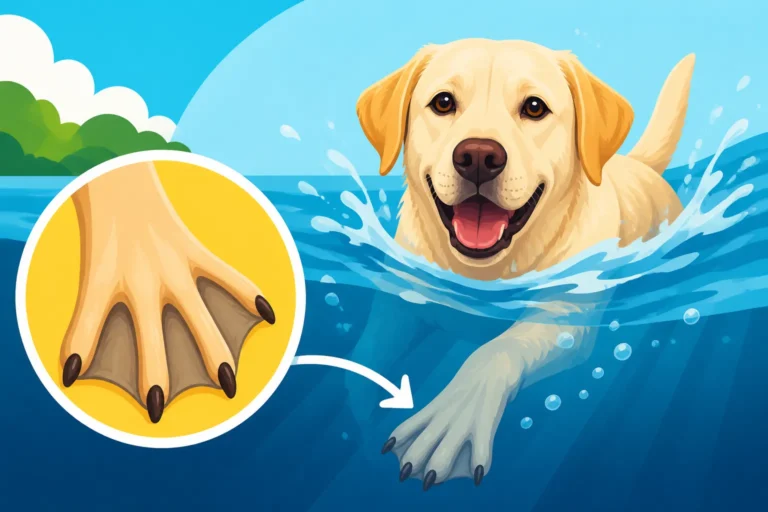
Their short, dense, water-resistant coats are also a practical advantage. While they do shed, their grooming needs are relatively low compared to some longer-haired breeds. This means less maintenance for the handler, and less worry about mud or rain soaking through their coat during a long day of work. Their paws are also hardy and well-suited to urban environments, offering good traction and durability. They are generally healthy dogs, though like all breeds, they have specific predispositions. Organizations are careful to breed for sound health, ensuring the dogs have the stamina and longevity to serve their handlers for many years. You can learn more about their size in Labrador Size and Adult Proportions.
The "Soft Mouth" Advantage
One of the most defining characteristics of the Labrador Retriever, originally bred as a gundog, is their "soft mouth." This describes their ability to carry game, like a retrieved duck, back to their handler without damaging it. While a guide dog isn't retrieving ducks, this trait translates into a gentle and careful interaction with their environment and, crucially, with their handler. A guide dog may need to pick up dropped items for their handler or gently nudge them to indicate a change in direction. The soft mouth ensures these interactions are delicate and precise, preventing accidental injury or damage.
This gentle nature extends beyond their mouth, manifesting in their overall demeanor. They are generally not prone to excessive nipping or rough play, which is paramount when working closely with a person who relies on them for delicate tasks. Imagine needing your guide dog to pick up your keys, or to take a specific item from a shop assistant; a dog with a naturally gentle approach is invaluable. This instinct to be gentle and careful is a natural fit for the sensitive work required of a guide dog, making them intuitive and trustworthy partners in many everyday scenarios. The historical context of this trait is fascinating, and you can read more about it in What Labradors Were Bred to Do.
The Rigorous Journey to Becoming a Guide Dog
Becoming a guide dog is not a simple feat; it's the culmination of years of dedicated breeding, specialized training, and countless hours of socialization. It's a journey that starts from puppyhood and involves a whole team of people committed to honing a dog's natural abilities into a finely-tuned partnership. This isn't just about teaching commands; it's about developing intelligent disobedience, emotional resilience, and an unbreakable bond.
Puppy Raising and Early Socialization
The path to becoming a guide dog begins long before formal training. Specialized breeding programs carefully select parent dogs based on health, temperament, and lineage to produce puppies with the best potential. Once born, these puppies often go to volunteer "puppy raisers" or foster families when they are just a few weeks old. These families are responsible for providing a loving home and, critically, for beginning the crucial process of early socialization. This involves exposing the puppy to a wide variety of sights, sounds, smells, and experiences in a positive way.
Imagine a little Labrador puppy, still a bit wobbly on its feet, being gently introduced to bustling supermarket aisles, noisy street traffic, public transport like buses and trains, and various types of people – children, adults, people using wheelchairs, and those with different gaits or assistive devices. This early exposure, managed carefully to avoid overwhelming the puppy, builds confidence and resilience. It teaches them that the world is a safe place, full of interesting things, rather than something to fear. This foundation is paramount; a guide dog needs to be comfortable and calm in virtually any environment. Without this early groundwork, later advanced training would be far more challenging, if not impossible. Socializing a Labrador Puppy offers more depth on this critical stage. Many puppy raisers turn to reputable brands like Chewy for their puppy's nutritional needs and appropriate chew toys to support healthy development during this formative period.
Advanced Mobility and Obstacle Training
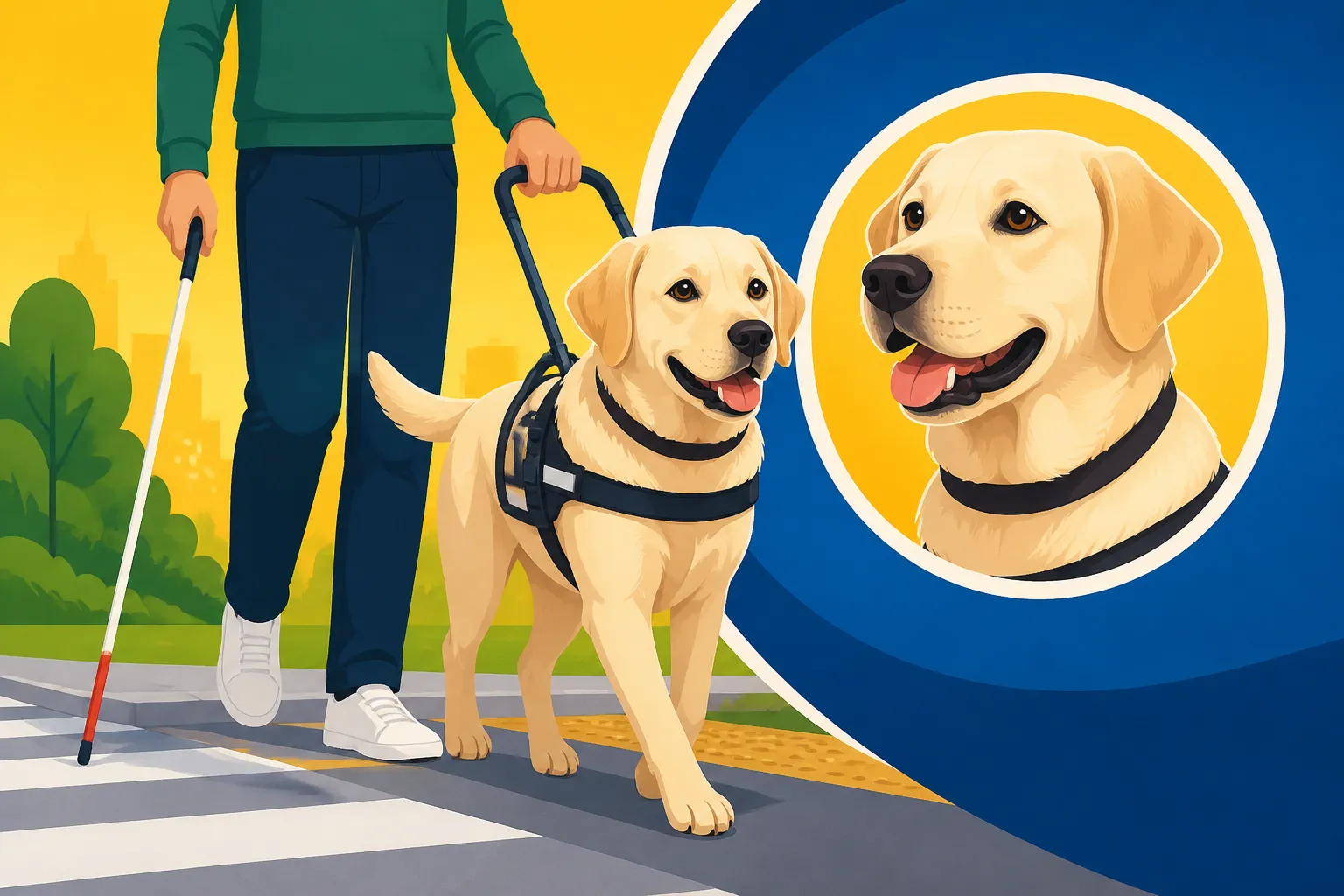
After about a year to eighteen months with their puppy raiser, the young Labradors return to the guide dog organization for intensive formal training. This is where the real "work" begins, often lasting another six months or more. Trainers work one-on-one with the dogs, teaching them a comprehensive suite of skills that go far beyond basic obedience. This includes leading in a straight line, stopping at curbs and steps, navigating around obstacles (both stationary and moving), and intelligently disobeying a command if it would put their handler in danger (e.g., refusing to cross a street if a car is coming, even if commanded to "forward").
The training is incredibly detailed and requires immense patience and skill from the trainers. Dogs learn to ignore distractions like tempting smells from food carts, playful squirrels, or other dogs. They learn to interpret their handler's movements and verbal cues while also making independent judgments about the safety of a path. This advanced work solidifies their role as the handler's eyes, capable of guiding them safely through complex environments. Imagine training a dog to not only find a door but to lead you through the correct door in a busy building, or to navigate around a suddenly parked car on a sidewalk. It’s a monumental task, and you can learn more about general training principles in Training a Labrador From Puppy to Adult.
Matching with a Handler
One of the most important steps in a guide dog's journey is being matched with the right handler. This isn't just about pairing any trained dog with any visually impaired person; it's a meticulous process that considers the individual needs, lifestyle, pace, and personality of both the human and the dog. A trainer will assess the handler's mobility, preferred walking speed, height, and daily routine. They also consider the dog's temperament, energy level, and specific strengths.
For example, a handler who lives in a bustling city and needs to navigate complex public transport might be matched with a very confident, unflappable Labrador, while someone with a slower pace of life in a quieter town might benefit from a dog with a more relaxed demeanor. The goal is to create a harmonious partnership where both members complement each other, ensuring maximum safety, efficiency, and emotional connection. Once matched, the handler and dog undergo an intensive "team training" period, where they learn to work together, developing their unique communication style and bond. This integration is crucial, as the dog needs to learn to anticipate the specific needs of their person.
What a Guide Dog Provides Beyond Mobility
While the primary function of a guide dog is to provide safe navigation, their role extends far beyond simply being a set of "seeing eyes." They become beloved companions, confidence boosters, and powerful facilitators of independence, enriching their handlers' lives in myriad ways that are often underestimated.
Emotional Support and Companionship
Living with visual impairment can sometimes lead to feelings of isolation or loneliness. A guide dog immediately alleviates much of this. The constant presence of a loyal, affectionate animal provides immense emotional comfort and companionship. They offer unconditional love and a calming presence, reducing stress and anxiety that can often accompany navigating the world with limited sight. A Labrador's naturally affectionate and cheerful disposition is a perfect match for this role, often bringing smiles and warmth wherever they go.
Having a guide dog also fosters a deeper connection to the world around them. People are naturally drawn to dogs, and a guide dog often acts as a wonderful social bridge, encouraging interactions with strangers who might otherwise hesitate. This can break down barriers and create opportunities for conversation, helping to reduce the social isolation many visually impaired individuals experience. The dog isn't just a helper; they're a family member, a confidant, and a source of joy that profoundly improves mental well-being. Knowing you have a devoted partner by your side can be incredibly reassuring. How Affectionate Labrador Retrievers Are explores this aspect of their personality.
Enhanced Safety and Independence
The tangible benefits of a guide dog in terms of safety and independence are profound. Imagine being able to walk down a crowded street, knowing that your dog will stop you before you step into a pothole, guide you around a lamppost, or safely lead you across a busy intersection. This level of reliable navigation dramatically reduces the risk of accidents and allows handlers to move with greater confidence and purpose. The intelligent disobedience, where the dog will refuse a command if it leads to danger, is a game-changer for safety, providing a layer of protection that no cane or human companion can fully replicate.
This enhanced safety directly translates into greater independence. With a guide dog, handlers can confidently access public spaces, travel independently, and engage in daily activities that might otherwise be daunting or impossible. They can go to work, shop, visit friends, and explore new places with a sense of freedom that was previously unavailable. This isn't just about getting from point A to point B; it's about reclaiming autonomy and living a fuller, more active life. The dog becomes a loyal partner in exploration, opening up a world of possibilities.
The Cost and Commitment Involved
While guide dogs offer incredible benefits, it’s important to acknowledge the significant commitment involved for the organizations that train them and the individuals who receive them. Guide dog organizations invest massive resources—time, money, and expertise—into breeding, raising, and training each dog. These programs are often funded by donations and grants, as the cost of producing one fully trained guide dog can be substantial. This includes everything from veterinary care, high-quality food (often purchased from retailers like Chewy), specialized equipment, and the salaries of highly skilled trainers. Labrador Puppy Prices and What Moves Them gives you a glimpse into even just the starting cost of a well-bred Labrador.
For the handler, while the dog itself is typically provided at no or minimal cost by the organization, there is an ongoing commitment to care. This includes providing excellent nutrition, regular veterinary check-ups, ongoing grooming, and ensuring the dog receives adequate exercise and mental stimulation. Guide dogs are working animals, but they are still dogs who need love, play, and downtime. Handlers must also commit to maintaining the dog's training and health, recognizing that they are responsible for their partner's well-being. It's a lifelong partnership that requires dedication and understanding. For a broader picture of financial responsibilities, consider What a Labrador Costs Over Twelve Years.
| Feature | Labrador Retriever Guide Dog | Standard Pet Labrador |
|---|---|---|
| Temperament | Highly stable, calm, focused, eager to please, intelligent, resilient to distractions. | Generally friendly, energetic, intelligent, playful, can be easily distracted, strong retrieving instinct. |
| Training | Years of intensive, specialized training including obedience, obstacle navigation, intelligent disobedience, public access. | Basic obedience (sit, stay, recall), house training, socialization. May include advanced training like sports or hunting. |
| Purpose | To safely guide a visually impaired handler, providing mobility, safety, and independence. | Companionship, family pet, often enjoys activities like fetch, swimming, hiking, and may participate in dog sports. |
| Socialization | Extensive, controlled exposure to diverse environments, people, sounds, and situations from puppyhood. | Important for well-adjusted behavior, but typically less rigorous and varied than a guide dog. |
| Cost to Acquire | Provided free or at minimal cost to the handler by guide dog organizations (funded by donations). | Varies widely by breeder, lineage, and region, often several hundred to a few thousand dollars. |
| Working Life | Typically 8-10 years, followed by retirement. | Lifelong companionship, generally 10-12 years. |
| Public Access | Legal right to accompany handler in most public places, workplaces, and housing. | Generally restricted to pet-friendly locations; not legally allowed in non-pet establishments unless certified as a service animal. |
Disclaimer
This article is for general informational purposes only and does not constitute professional advice. Laws, prices and regulations vary by location and change over time. Consult a qualified professional for guidance on your specific situation.