What Labradors Were Bred to Do
It's easy to look at a happy-go-lucky Labrador retriever, romping in the park or curled up on the sofa, and assume they were simply bred to be everyone's best friend. But beneath that friendly, goofy exterior lies a powerful history of purpose and work. These dogs weren't just born to look cute; every single characteristic, from their thick, water-repellent coat to their famously gentle mouth, was carefully honed over generations for a demanding job. If you’ve ever wondered why your Labrador is obsessed with fetching, or why they seem to love water more than anything, this guide will unravel the rich tapestry of their origins and reveal exactly what Labradors were bred to do.
The Rugged Roots: Born from the North Atlantic's Demands
To truly understand the Labrador, we have to journey back to the cold, unforgiving coastlines of Newfoundland in the 17th and 18th centuries. This is where their story truly begins, far from the manicured estates and hunting preserves of British aristocracy. These were not dogs of leisure, but essential tools for survival, working alongside hardy fishermen in an incredibly harsh environment.
The St. John's Water Dog: Newfoundland's Fishermen's Best Friend
Long before the Labrador Retriever was a recognized breed, its ancestors, known as St. John's Water Dogs, were indispensable companions to the fishermen of Newfoundland. These dogs were not pampered pets; they were integral members of the crew, bred for their stamina, incredible swimming ability, and unparalleled eagerness to retrieve. Imagine fishing boats coming in from the icy North Atlantic, nets heavy with fish. It was the St. John's Water Dog's job to jump into the frigid waters, retrieve fish that had escaped the nets, or even help haul in lines. Their short, dense, oily coats, which we now recognize in our modern Labradors, were perfect for repelling water and insulating them against the bitter cold. They were often described as medium-sized dogs with powerful bodies, active and always ready for work. These early working dogs were truly remarkable, showcasing an innate drive to please and an enduring hardiness that would become the foundation of the Labrador breed. If you're curious about their exact lineage, you can delve deeper into The St. John's Water Dog Behind the Labrador.
The fishermen relied on these dogs not just for retrieving, but for companionship and a second pair of eyes during long, arduous days at sea. Their calm disposition on a rocking boat, coupled with their explosive energy when called to action, made them perfectly suited for the unpredictable life of a fisherman. They had to be intelligent enough to understand complex commands, yet independent enough to make quick decisions in a dynamic environment, like navigating choppy waters to retrieve a wayward catch. This blend of intelligence and resilience cemented their place as a critical part of the fishing industry in Newfoundland, and it's a legacy that lives on in every Labrador today, no matter how far removed from a fishing boat they might be. Their ability to switch from calm observation to intense work is a direct echo of these early days.
Think about your Labrador's intense focus when a ball is thrown, or their sheer joy when presented with a task. That isn't just a quirky personality trait; it's a deeply ingrained behavioral pattern passed down from these resourceful St. John's Water Dogs. They were problem-solvers by necessity, constantly assessing situations and acting quickly. This early foundation of working closely with humans, often in high-stakes situations, cultivated an incredible biddability and a desire to partner, traits that make Labradors such phenomenal working and family dogs today. They weren't just fetching; they were contributing to their families' livelihoods in a very tangible way.
From Working Boats to British Sporting Estates: A New Purpose Takes Shape
The journey of the St. John's Water Dog from the rugged shores of Newfoundland to the grand sporting estates of Britain marks a pivotal transition in the breed's development. British noblemen, with their passion for game bird hunting, soon recognized the incredible potential of these dogs. Ships regularly traveled between Newfoundland and the British Isles, and some of these hardworking dogs found their way onto these vessels, eventually catching the eye of aristocratic sportsmen. They observed the dogs' exceptional retrieving skills, their love for water, and their biddable nature, realizing these traits were perfectly suited for retrieving shot fowl from dense cover and icy lakes.
The shift in environment brought a refinement of purpose. While in Newfoundland the dogs retrieved fish, in Britain, they were needed to retrieve game birds – ducks, pheasants, and partridges – often from challenging terrain and cold water. This new role demanded the same hardiness and water aptitude, but also required a more disciplined approach to retrieving, a "soft mouth" to prevent damage to the game, and a steady temperament to remain calm during the excitement of a hunt. The breed's name itself, "Labrador Retriever," is a testament to this evolving purpose, emphasizing its retrieving capabilities, though ironically, the name refers to a different region than its origin. To learn more about this fascinating historical journey, you can read Where the Labrador Retriever Came From.
This period saw the selection and breeding of dogs that excelled specifically at retrieving downed game. The St. John's Water Dogs, already natural retrievers, were further refined to be even more proficient. This meant emphasizing traits like an excellent nose for finding game, the patience to "mark" where a bird fell and wait for commands, and the endurance to work for hours in the field. The introduction to organized hunting brought a new level of precision to their work, shaping them into the highly specialized gundogs we recognize today. This transformation from a general-purpose fishing dog to a specialized game retriever showcases the adaptability and core capabilities inherent in the Labrador lineage.
The Architects of the Breed: Early British Enthusiasts
The true architects of the modern Labrador Retriever were a handful of dedicated British noblemen in the 19th century. Figures like the 2nd Earl of Malmesbury and the 5th and 6th Dukes of Buccleuch were instrumental in establishing the breed, recognizing the unique qualities of the St. John's Water Dogs and systematically breeding them for consistency and specific retrieving prowess. They meticulously documented their breeding programs, focusing on desirable traits for gundogs: an exemplary nose, a soft mouth, a dense, water-resistant coat, and an unwavering desire to please.
These early breeders were not just casual hobbyists; they were pioneers who understood the importance of selective breeding. They created the foundation stock for what would become one of the world's most beloved and capable dog breeds. The Duke of Buccleuch, in particular, maintained extensive kennels and played a crucial role in shaping the breed's characteristics, importing dogs directly from Newfoundland and refining their working abilities. The legacy of their meticulous efforts can still be seen in the excellent working abilities of Labradors today. For a deeper look into one of these foundational kennels, check out The Duke of Buccleuch's Labrador Kennel.
Without the foresight and dedication of these early enthusiasts, the Labrador as we know it might not exist. They laid down the blueprint for the breed standard, influencing not only physical characteristics but also the temperament that makes Labradors so adaptable and trainable. This period established the core principles that continue to guide responsible Labrador breeding: health, temperament, and working ability. Their work ensured that the Labrador's natural instincts for retrieving and partnering with humans were not lost but instead enhanced, solidifying its future as a premier gundog and, eventually, a versatile companion and service animal.
Engineering the Perfect Retriever: Key Physical Traits
Every aspect of a Labrador Retriever's physical makeup is a testament to its original breeding purpose: to be an efficient, hardy, and dedicated retriever. These aren't just random traits; they are functional adaptations that allowed them to excel in the demanding environments they were asked to work in, from icy waters to dense brush.
The Famous "Soft Mouth" and Its Crucial Role
One of the most defining characteristics of a Labrador, and arguably the most crucial for its retrieving role, is its "soft mouth." This isn't just a poetic term; it refers to a dog's ability to carry game, such as a downed duck or pheasant, without damaging it. A true retriever needs to deliver the bird to the hunter in an undamaged, edible condition. This requires incredible control and gentleness in their bite, a trait that was carefully selected for and bred into the Labrador lineage. A dog with a "hard mouth" would crush or mangle the game, rendering it useless, and thus would not be a desirable gundog.
This soft mouth isn't something that's taught; it's an inherent instinct. You see it when a Labrador puppy picks up a delicate leaf or a small toy without crushing it, or when an adult dog carries a newspaper or a child's toy carefully in its mouth. It’s a remarkable demonstration of their genetic predisposition to carry rather than chew or destroy. Breeders continuously strive to preserve this trait, as it is fundamental to the breed's identity and original function. If you've ever wondered about this unique trait, we have a dedicated article explaining Why Labradors Have Soft Mouths.
The development of the soft mouth is a prime example of purposeful breeding at its finest. Generations of selecting dogs that instinctively held objects gently led to this characteristic becoming a hallmark of the breed. This trait also contributes to their gentle nature in general, making them wonderful companions in homes with children or other pets, as they tend to be careful with whatever they interact with using their mouths. It's a physical trait that speaks volumes about their temperament and the specific demands of their historical role.
Built for the Water: Coat, Tail, and Webbed Paws
From their earliest days in Newfoundland, Labradors were inextricably linked to water. Consequently, their physical design is perfectly engineered for aquatic environments. Their coat is a marvel of natural insulation and waterproofing: a dense, short, straight outer coat lies over a soft, thick, and weather-resistant undercoat. This double coat acts like a natural wetsuit, shedding water remarkably quickly and providing excellent protection against cold temperatures, whether they're plunging into a freezing pond or enduring a damp, chilly hunt. This is why you should never shave a Labrador, as it compromises their natural protection.
Beyond their coat, their "otter tail" is another brilliant adaptation. Thick at the base and tapering to a point, it acts as a powerful rudder, aiding in propulsion and steering when swimming. Unlike many other breeds, a Labrador's tail is carried straight out or with a slight upward curve when active, never curled over the back, which would impede its function as a swimming aid. This strong, muscular tail is constantly working to help them navigate water with remarkable agility and speed. They also possess distinctly webbed feet, a trait that further enhances their swimming prowess. The webbing between their toes increases the surface area of their paws, much like flippers, making them incredibly efficient paddlers. These three features combined – coat, tail, and feet – create an almost perfectly amphibious dog, a testament to their deep connection with retrieving from water. Delve deeper into their unique foot structure in Labrador Webbed Feet and Swimming.
This inherent design means that a Labrador is often drawn to water like a magnet. Many owners joke that their Lab will find water even in the driest desert. This isn't just a preference; it’s a biological imperative, a result of centuries of natural and selective breeding for function. Whether it's a muddy puddle, a lake, or even a bathtub, the call of the water is strong for most Labradors, making them superb companions for activities like paddleboarding, kayaking, or simply a good old-fashioned swim.
Robust Build and Stamina: Enduring the Elements
A Labrador's sturdy, well-muscled build is another direct result of their working heritage. They were bred to be strong enough to carry heavy game, navigate rough terrain, and withstand the physical demands of long days in the field or on the boat. This isn't a delicate breed; they are built for resilience. Their powerful hindquarters provide the drive for both running and swimming, while their broad chest and well-sprung ribs offer ample room for lung capacity, crucial for sustained activity.
Their stamina is legendary. A well-conditioned Labrador can work for hours without tiring, whether it's retrieving endless tennis balls, hiking miles of trails, or participating in demanding field trials. This endurance was vital for their original role, where a hunter might need them to work all day in varying conditions. This robust physique is why they need significant daily exercise to stay healthy and happy. Without it, that pent-up energy can manifest in destructive behaviors.
This inherent hardiness extends to their ability to withstand diverse weather conditions. Their dense coat protects them not only from water but also from cold and minor abrasions from brush. While no dog should be left outside indefinitely in extreme weather, Labradors are generally more tolerant of cooler temperatures and dampness than many other breeds, a direct inheritance from their days navigating the harsh Newfoundland climate and later, the often wet and chilly hunting seasons of Britain. Their entire physical package is designed for durable, consistent performance in challenging outdoor environments.
The Mental Blueprint: Temperament and Drive
Physical attributes are only half the story; a Labrador's renowned temperament and inherent drives are equally crucial to understanding what they were bred to do. These dogs possess a unique mental makeup that makes them not just capable workers, but eager partners in any task.
Unwavering Biddability and Eagerness to Please
Perhaps the most beloved and essential trait of the Labrador Retriever is their unwavering biddability and profound eagerness to please. This isn't just a charming personality quirk; it was a non-negotiable requirement for a working dog. A dog that is difficult to train or unwilling to follow commands would be useless in the field, especially when retrieving shot game from dangerous locations or working in tandem with a hunter. Labradors thrive on pleasing their human companions, making them exceptionally responsive to training and eager to learn new tasks.
This desire to cooperate and work alongside humans is deeply ingrained. They form strong bonds with their families and genuinely enjoy participating in activities, often looking to their human for direction and approval. This trait makes them highly adaptable and trainable for a multitude of roles, from complex gundog work to intricate assistance tasks. It's why they are so often recommended for first-time dog owners, as their willingness to learn makes the training process much more rewarding. For more on their intelligence, see Labrador Intelligence and Trainability.
This biddability also translates into their generally tolerant and good-natured demeanor. They are often patient and forgiving, even with the clumsy interactions of young children, or the boisterousness of other animals. While every dog is an individual, the breed standard emphasizes a tractable and outgoing personality, reflecting this inherent desire to be a cooperative partner. It's this beautiful blend of intelligence and a warm, agreeable nature that has cemented the Labrador's place as a top companion and working dog globally.
Intelligence and Problem-Solving for Complex Tasks
While their eagerness to please makes them trainable, it's their intelligence that allows Labradors to truly excel at complex tasks. Their original roles, whether retrieving fish from turbulent waters or marked birds from dense cover, required more than just brute strength or instinct. They needed to assess situations, remember locations, respond to intricate commands (often at a distance), and problem-solve when faced with obstacles. This cognitive ability was critical for their success as working dogs.
A Labrador's intelligence isn't just about learning tricks; it's about understanding context and making good decisions in the field. A gundog, for example, needs to remember where several birds fell (known as "marking"), retrieve them in the correct order, and navigate back to the hunter, even if scenting conditions are poor or terrain is challenging. This requires a sharp memory, excellent navigational skills, and the ability to process multiple pieces of information simultaneously. Their sharp minds mean they quickly pick up on routines, anticipate cues, and can often learn commands with fewer repetitions than many other breeds.
This capacity for problem-solving is why Labradors are so successful in advanced working roles today, such as guide dogs, search and rescue dogs, and detection dogs. They can be taught intricate sequences of behaviors and adapt them to new situations, demonstrating a remarkable intellectual flexibility. Their intelligence, coupled with their strong work ethic, makes them invaluable partners in tasks that require both brains and brawn. This breed thrives on mental stimulation, and without it, their clever minds can easily turn to mischief.
The Unmistakable Retrieving Drive and Obsession with Carrying
If there's one single instinct that defines the Labrador Retriever, it's their insatiable retrieving drive. This is the very core of what they were bred to do. It's not just a preference; it's a deep-seated, genetic compulsion to pick up, carry, and bring items back to their human handler. This drive was essential for their original roles, ensuring that fish were brought to the boat and downed game birds were delivered to the hunter.
This drive manifests in countless ways in a pet Labrador. From the incessant desire to play fetch, to picking up shoes, socks, or anything else they can carry around the house, this behavior is a direct link to their ancestry. For a Labrador, retrieving is not just a game; it's fulfilling a deeply ingrained purpose. Ignoring this drive or failing to provide appropriate outlets for it can lead to frustration for both dog and owner. Engaging them in retrieving games, whether with balls, dummies, or even just household items, is one of the best ways to keep a Labrador happy and mentally stimulated. We have some great advice on Channeling a Labrador's Retrieving Drive.
The obsession with carrying goes hand-in-hand with the retrieving drive. Many Labradors will simply hold things in their mouths, often just to feel the object, without any intention of chewing it. This is another demonstration of their soft mouth and their historical role. Providing appropriate chew toys and retrieving dummies, readily available from retailers like Chewy, is crucial for satisfying this powerful instinct in a safe and constructive way. Understanding and working with this intrinsic drive, rather than against it, is key to a harmonious relationship with a Labrador, transforming what could be a nuisance into a joyful partnership.
The Evolution of Their Role: From Game Fields to Modern Service
While their initial purpose as fishing dogs and gundogs laid the foundation, the Labrador's remarkable versatility, combined with their inherent intelligence and biddability, allowed them to adapt and excel in a multitude of modern working roles, far beyond the traditional hunting fields.
The Original Gundog: Mastering Land and Water Retrieves
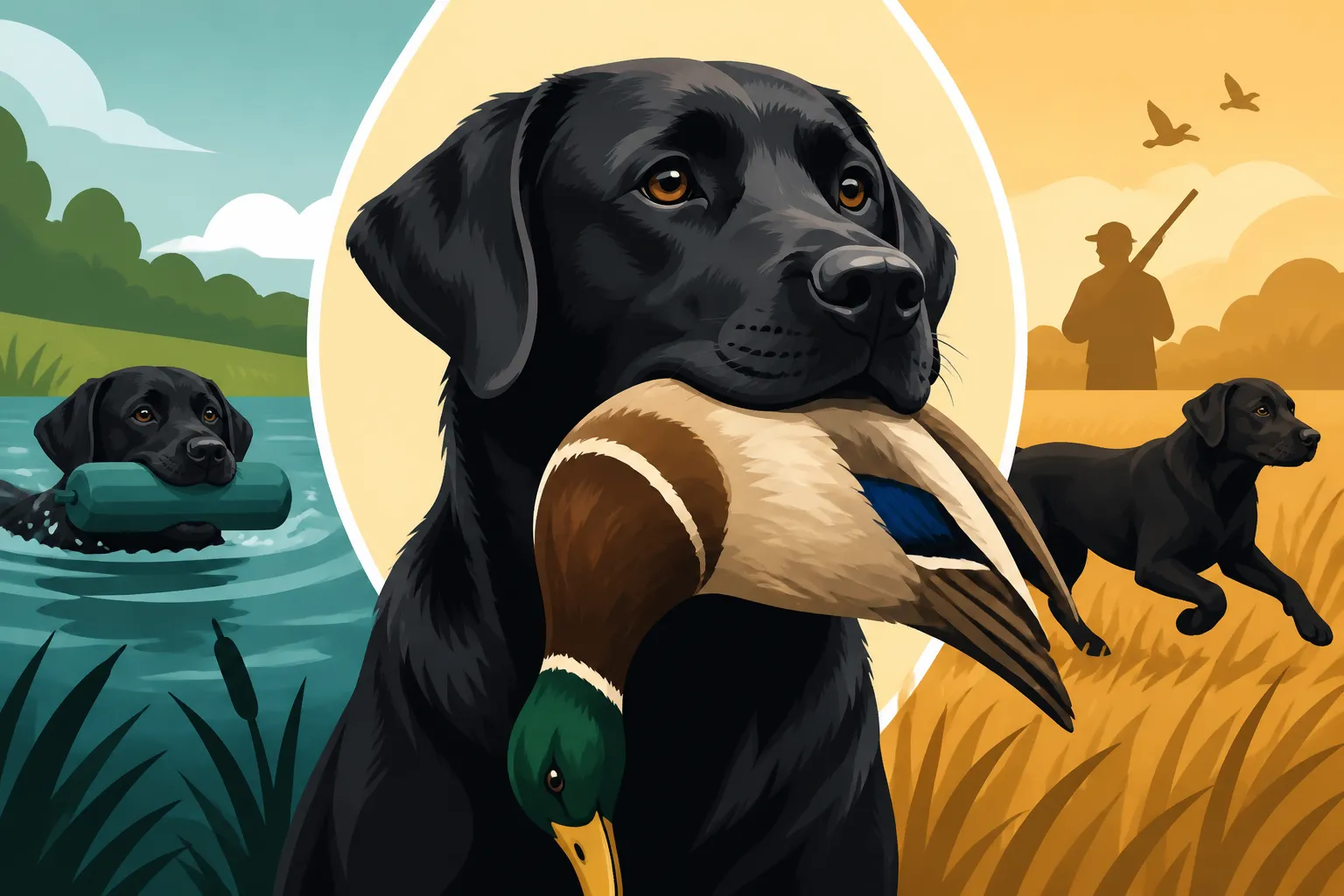
The Labrador Retriever's primary historical role, once established in Britain, was that of a gundog, specifically a retriever. Their job was to locate and retrieve game birds that had been shot by hunters, bringing them back undamaged. This often meant working in challenging conditions: dense undergrowth, muddy fields, and, most notably, cold and deep water. Their robust build, keen sense of smell, excellent eyesight, and boundless energy made them perfectly suited for this demanding work.
A successful gundog needs to be steady, meaning they remain calm and quiet by the hunter's side until commanded to retrieve, even with the excitement of gunshots and falling birds. They then need to "mark" the fall (remember where the bird landed), and retrieve it quickly and efficiently, often passing other fallen game to collect the one they were sent for. This complex sequence of behaviors requires intense training, but it relies heavily on the Labrador's natural instincts and willingness to cooperate. They are often used in both waterfowl hunting (ducks, geese) and upland game hunting (pheasants, quail), showcasing their adaptability to different terrains and game types.
Even if your Labrador has never seen a hunting blind, the traits honed for this role are evident. That intensity when focusing on a thrown object, the persistence in searching for a hidden toy, and the joy of a successful retrieve are all echoes of their gundog heritage. This deep-seated drive ensures that, given the opportunity, a Labrador will instinctively understand and often excel at retrieving tasks, making them natural partners for anyone who enjoys outdoor activities that involve fetching or searching.
Transitioning to New Careers: Guide and Assistance Work
It's no surprise that a breed so intelligent, biddable, and eager to please would eventually find its way into service work. Labradors are among the most popular breeds chosen for guide and assistance dog roles, and for very good reason. Their calm temperament, combined with their ability to learn and retain complex commands, makes them ideal partners for individuals with disabilities. A guide dog, for instance, needs to lead its handler safely through busy streets, navigate obstacles, and even "intelligently disobey" a command if it would put their handler in danger (e.g., stopping at a curb even if commanded to go forward if there's oncoming traffic).
Their reliability, steady nerves, and affectionate nature also make them excellent emotional support animals and facility dogs in hospitals or schools. They are inherently gentle and non-threatening, qualities that are paramount when working with vulnerable populations. Their size is also a factor – large enough to provide a physical presence and assist with balance or opening doors, but not so large as to be cumbersome in tight spaces. This transition into service work highlights the Labrador's incredible capacity for altruism and partnership, showcasing that their bred-in desire to "work for us" extends far beyond the hunting field.
The training for these roles is rigorous and extensive, but Labradors consistently rise to the challenge. Their focus and dedication to their handler are truly remarkable, forming a bond that goes beyond mere companionship into a life-saving partnership. Their success in these roles speaks volumes about the depth of their intelligence and their inherent desire to serve, proving that the original intent behind their breeding – to be a loyal and indispensable helper – has beautifully translated into modern society.
Lifesaving Labradors: Search, Rescue, and Detection
The Labrador's exceptional nose, coupled with their stamina and unwavering focus, has also made them outstanding candidates for search and rescue (SAR) operations and detection work. In SAR, Labradors are trained to locate missing persons, often in challenging environments like collapsed buildings, dense forests, or avalanche sites. Their keen sense of smell allows them to pick up human scent, even if it's faint or dispersed, and their endurance enables them to cover vast areas for extended periods.
In detection work, Labradors are widely employed to sniff out everything from explosives and narcotics to accelerants at arson sites, and even specific diseases like cancer in medical settings. Their non-aggressive appearance makes them excellent choices for public-facing roles, such as airport security or school programs. They are methodical, tireless workers who view their detection tasks as a highly rewarding game, making them incredibly effective in these critical public safety roles. To learn more about this incredible work, check out Labradors in Search and Rescue Work.
The playful, food-motivated nature of a Labrador, often perceived as merely cute, is actually a huge asset in these high-stakes jobs. Trainers leverage their natural drives, turning the "hunt" for a specific scent or a missing person into the ultimate game of retrieve. This makes the work highly engaging and motivating for the dog, ensuring consistent performance. Their calm demeanor under pressure and their ability to work intensely for long stretches solidifies their reputation as invaluable assets in life-saving and security efforts around the globe.
How Their Ancestral Purpose Manifests in Today's Companions
Even if your Labrador has never set foot in a duck blind or worn a service vest, their ancient lineage and bred-in purpose continue to shape their behavior, needs, and personality. Understanding these deep-seated instincts is key to providing a happy and fulfilling life for your modern-day companion.
The Constant Need for Physical and Mental Engagement
One of the most common frustrations for new Labrador owners is realizing just how much energy these dogs possess. This isn't just puppy exuberance; it's a direct inheritance from their working ancestors. A Labrador was bred for endurance, for long days of retrieving, swimming, and running. That energy doesn't just disappear because they're now living in a suburban home. Without adequate physical exercise, a Labrador can become bored, restless, and destructive.
Daily, vigorous exercise is not a luxury for a Labrador; it's a necessity. This means more than just a quick walk around the block. They need opportunities to run, swim, and play fetch to truly burn off that inherited drive. Activities like hiking, agility, dock diving, or even just extended games of fetch in a secure area are fantastic for their physical well-being. Consistent exercise helps keep their joints healthy, their weight in check, and their minds stimulated. For practical tips, consider reading Exercise a Labrador Needs Each Day.
Beyond physical exertion, Labradors crave mental challenges. Their intelligence and problem-solving abilities, honed over centuries, require regular engagement. Puzzle toys, scent work games, obedience training, or learning new tricks are excellent ways to provide this crucial mental stimulation. A mentally tired Labrador is often a well-behaved Labrador. Failing to provide both physical and mental outlets can lead to common Labrador "misbehaviors" like excessive chewing, digging, or barking – behaviors that are often just a desperate plea for engagement.
Instinctual Behaviors: Chewing, Mouthiness, and Retrieval
Many common Labrador behaviors are direct manifestations of their original purpose. Take chewing, for example. While all puppies chew, Labradors often maintain a strong chewing instinct well into adulthood. This is partly due to their strong jaws and the need to carry objects firmly (without crushing them). Providing a variety of appropriate, durable chew toys, especially from reputable retailers like Chewy, is essential to redirect this natural urge away from your furniture or shoes. Without proper outlets, that powerful drive to use their mouths will inevitably find something to gnaw on.
Similarly, "mouthiness" – the tendency to gently mouth hands or clothing – is another echo of their soft mouth. They're not trying to bite maliciously; they're exploring their world and expressing affection in a way that’s inherent to their breed. While often harmless, it's a behavior that benefits from gentle redirection, teaching them what is and isn't appropriate to put their mouths on. Providing plenty of toys they can mouth or carry is key.
And, of course, the retrieving instinct. It's often said that if a Labrador could, they'd spend their entire day retrieving. This drive is so strong that many Labradors will bring you objects simply to engage you in a game, or just to hold something in their mouth. Understanding this means embracing it! Regularly playing fetch, even for short bursts, and encouraging them to carry toys or leashes, fulfills a deeply satisfying need for them. It's not just a pastime; it's a connection to their heritage and a source of profound joy for your dog.
Food Drive: A Double-Edged Sword
Labradors are famously, almost notoriously, food-driven. This trait, while sometimes challenging for owners dealing with counter-surfing or begging, also has roots in their working history. A working dog needed to be highly motivated and responsive, and what better motivator than food? This strong food drive made them exceptionally trainable, eager to work for rewards, and resilient in environments where food might have been scarce. It also ensured they would stay focused on the task at hand, even if it meant ignoring other distractions, because a reward was often tied to successful completion.
However, in modern pet homes where food is abundant, this powerful drive can become a "double-edged sword." While it makes them incredibly easy to train with treats, it also makes them highly susceptible to obesity. Labradors are known for their ability to pack on pounds, and some even carry a gene that makes them feel less full, exacerbating this tendency. This means owners must be vigilant about portion control and avoid free-feeding. Measured meals and healthy, low-calorie treats are paramount.
Understanding that their obsession with food is a deep-seated part of their genetic makeup helps owners approach meal times and training with empathy and strategy. Using puzzle feeders to slow down eating, incorporating daily food into training rewards, and choosing appropriate, balanced dog food (like those found on Chewy) are all ways to manage this powerful instinct constructively. It transforms a potential problem into a powerful tool for engagement and training, provided it's managed responsibly.
Divergent Paths: Exploring Field and Show Lines
As the Labrador Retriever evolved from its original working purpose, different breeding priorities emerged, leading to distinct "lines" within the breed. While all Labradors share the same core DNA, there are noticeable differences between dogs bred primarily for field (working) performance and those bred for conformation (show) in the ring.
The Field Labrador: Performance-Driven and Athletic
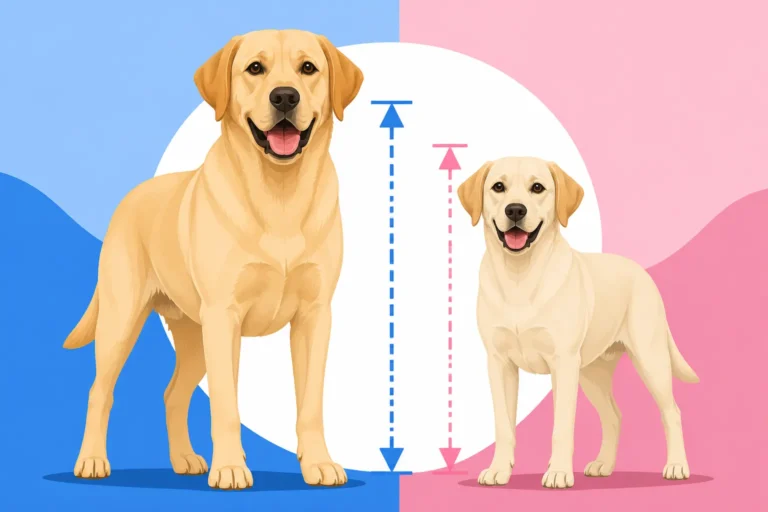
Field line Labradors, sometimes referred to as American or working Labs, are bred with a singular focus: performance in hunting tests and field trials. Their breeders prioritize working traits above all else. This means dogs in these lines are typically leaner, more agile, and possess an almost boundless amount of energy. They often have a finer bone structure, a narrower head, and a more athletic, "rangier" build compared to their show-bred counterparts. Their coats may be slightly less dense, but still retain the water-repellent qualities essential for retrieving.
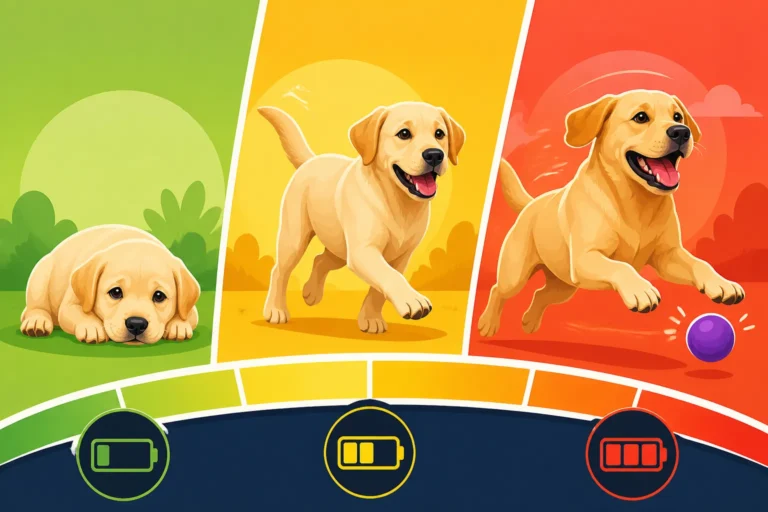
Temperamentally, field Labs are characterized by their intense drive, keen intelligence, and unwavering focus on a task. They are often described as "high-octane" dogs, always ready for action and requiring significant mental and physical stimulation to prevent boredom. Their retrieving drive is exceptionally strong, and they typically excel in competitive dog sports like agility, obedience, and, of course, field trials. They are tireless workers who thrive on having a job to do. To understand more about what makes them unique, read Field Line Labrador Traits.
While their energy and drive make them exceptional working partners, it's crucial for prospective owners to understand that a field line Labrador requires a very active lifestyle and a dedicated owner committed to channeling that energy constructively. They are not typically suited for homes where a sedentary lifestyle is preferred. Their intelligence and biddability are still very much present, but they demand a more intensive commitment to training and exercise to truly flourish.
The Show (English) Labrador: Conformation and Gentle Temperament
Show line Labradors, often called English Labs (though they can be bred anywhere), are bred to adhere closely to the breed standard for appearance and temperament as defined by kennel clubs. These dogs typically have a more robust, "blockier" build, with broader heads, thicker necks, and a generally heavier bone structure. Their coats are usually very dense and thick, reflecting the standard's emphasis on a strong, protective double coat. They often present a more classic, substantial Labrador silhouette.
In terms of temperament, show line Labradors are generally known for being calmer, more laid-back, and possessing a slightly less intense drive than field lines. While they still have plenty of energy and a strong retrieving instinct, it's often presented in a more manageable package for a family companion. They are renowned for their gentle nature, patience, and stable disposition, making them exceptional family pets and therapy dogs. They are still highly trainable and intelligent, but their overall "go-go-go" level is typically lower. You can learn more about their characteristics in Show Line Labrador Traits.
The difference in focus means that while a show line Labrador can absolutely participate and excel in performance sports, their primary purpose in breeding is to produce dogs that conform to the aesthetic and temperament ideals of the breed standard. They still retain the core Labrador qualities of biddability and affection, but their slightly lower energy levels can make them a better fit for families looking for a dedicated companion who can also enjoy moderate activity and thrive in a home environment without constant high-intensity work.
Making an Informed Choice: Matching a Labrador to Your Home
Understanding the distinction between field and show lines is paramount when choosing a Labrador. It's not about one being "better" than the other, but about finding the right fit for your lifestyle. A family looking for a jogging partner, a serious competitor in dog sports, or a hunting companion might be better suited to a field line Labrador, provided they can meet the dog's substantial exercise and training needs. These dogs thrive when they have a job and plenty of physical outlets.
Conversely, a family seeking a devoted companion for children, a dog that enjoys moderate daily walks and playtime, and a generally calmer presence in the home might find a show line Labrador to be a more suitable match. They still require exercise and mental stimulation, but typically to a slightly less intense degree. Their gentle, stable temperaments are a huge draw for many households. The key is to be honest about your activity level, your experience with dog training, and the amount of time you can realistically dedicate to your dog.
| Trait | Field Line Labrador | Show Line Labrador |
|---|---|---|
| Build/Appearance | Leaner, more athletic, narrower head, finer bone. | Blockier, more substantial, broader head, heavier bone. |
| Energy Level | High, boundless, constant need for activity. | Moderate to high, generally calmer, more settled. |
| Drive | Extremely high retrieving and work drive. | Strong retrieving drive, but often less intense. |
| Temperament | Intense, focused, very task-oriented. | Gentle, patient, stable, more laid-back. |
| Ideal Owner | Active, experienced, competitive, hunter. | Family-oriented, seeks devoted companion, moderate activity. |
| Training Needs | High, thrives on complex tasks and constant work. | Moderate to high, responds well to consistent training. |
When talking to breeders, don't be afraid to ask about their lines and what their breeding goals are. A reputable breeder will be transparent about the characteristics of their puppies and help you determine if a particular litter is a good match for your expectations and lifestyle. Choosing the right line ensures that both you and your Labrador can enjoy a harmonious and fulfilling life together.
Dispelling the Myths: What a Labrador Is (And Isn't) Bred For
Despite their popularity, there are still many misconceptions about Labradors and what their true purpose entails. Clearing up these myths can help owners set realistic expectations and provide better care for their dogs.
Beyond the "Just a Pet" Label
One of the biggest misconceptions is that the Labrador was simply bred to be a generic family pet. While they excel in this role and have become synonymous with the ideal family companion, this is a happy consequence of their biddable nature and affectionate temperament, not their original design. Their history is rooted deeply in demanding, specialized work. To label them as "just a pet" underestimates their incredible capabilities and their profound need for purpose.
A Labrador that is treated as "just a pet" – meaning little to no training, minimal exercise, and no mental stimulation – is often an unhappy, bored, and potentially destructive dog. Their intelligence and drive require an outlet. They aren't content to simply lie on the couch all day, waiting for an occasional pat. Their genetic heritage calls for activity, problem-solving, and partnering with their humans on tasks.
Understanding that they were bred for more than just cuddles helps owners provide a richer, more fulfilling life. It encourages engaging in activities like dog sports, extended walks, swimming, or even just consistent obedience training. When you tap into their inherent drives, you don't just get a pet; you get a partner, one who is eager to share in activities and truly thrive. This perspective transforms the relationship from mere ownership to a dynamic, mutually rewarding partnership. For more on their innate qualities, reflect on Labrador Temperament and What to Expect.
Not Your Typical Guard Dog
Another common myth is that Labradors make good guard dogs. This couldn't be further from their original purpose or their ingrained temperament. Labradors were bred to be friendly, approachable, and non-aggressive, especially when encountering strangers in the field (e.g., other hunters or landowners). Their job was to retrieve, not to protect territory or act as a deterrent.
While a Labrador's large size and deep bark might initially intimidate an intruder, most Labradors are far more likely to greet a stranger with a wagging tail and a happy slobbery kiss than with any protective aggression. They often view everyone as a potential friend or source of attention, which is endearing but entirely unsuited for guard duty. They may alert you to someone's presence with a bark, making them decent "watchdogs," but they are not typically "guard dogs" in the sense of physically defending property or people from perceived threats.
Expecting a Labrador to be a guard dog will lead to disappointment and can even create behavioral issues if an owner tries to force them into a role that goes against their natural instincts. Their strength lies in their amiability and their eagerness to please, not in territorial aggression. If you're looking for a dog to protect your home, a Labrador is generally not the right choice. Their job has always been to bring things to you, not to scare people away from you.
The Reality of "High Energy" vs. "Calm"
Many people adopt Labradors with the expectation of a "calm family dog," often based on anecdotes of older, well-settled Labs. While adult Labradors can certainly be calm and serene indoors, especially after sufficient exercise, it's a profound misunderstanding to believe they are inherently low-energy or "lazy" dogs. This myth often leads to unprepared owners and frustrated Labradors.
The reality is that Labradors, particularly during their puppy and adolescent phases, are bursting with energy. As we've explored, they were bred for endurance and demanding work. That means a young Labrador requires significant daily exercise and mental stimulation to be a well-behaved housemate. The "calm Lab" you see is often the result of years of consistent training, ample exercise, and a natural maturation process. They don't arrive calm; they become calm through careful management.
The idea of a "lazy Lab" is almost an oxymoron when considering their genetic blueprint. If a Labrador appears lazy, it's more likely a sign of insufficient exercise, boredom, or potentially a health issue, rather than their natural state. Understanding that their default setting is "ready to go" is crucial for setting them up for success. Embrace their energy, channel it positively, and you'll find that their inherent drive to work and play is one of their most wonderful, defining characteristics.
Disclaimer
This article is for general informational purposes only and does not constitute professional advice. Laws, prices and regulations vary by location and change over time. Consult a qualified professional for guidance on your specific situation.