Homeowners Policies and Labrador Liability
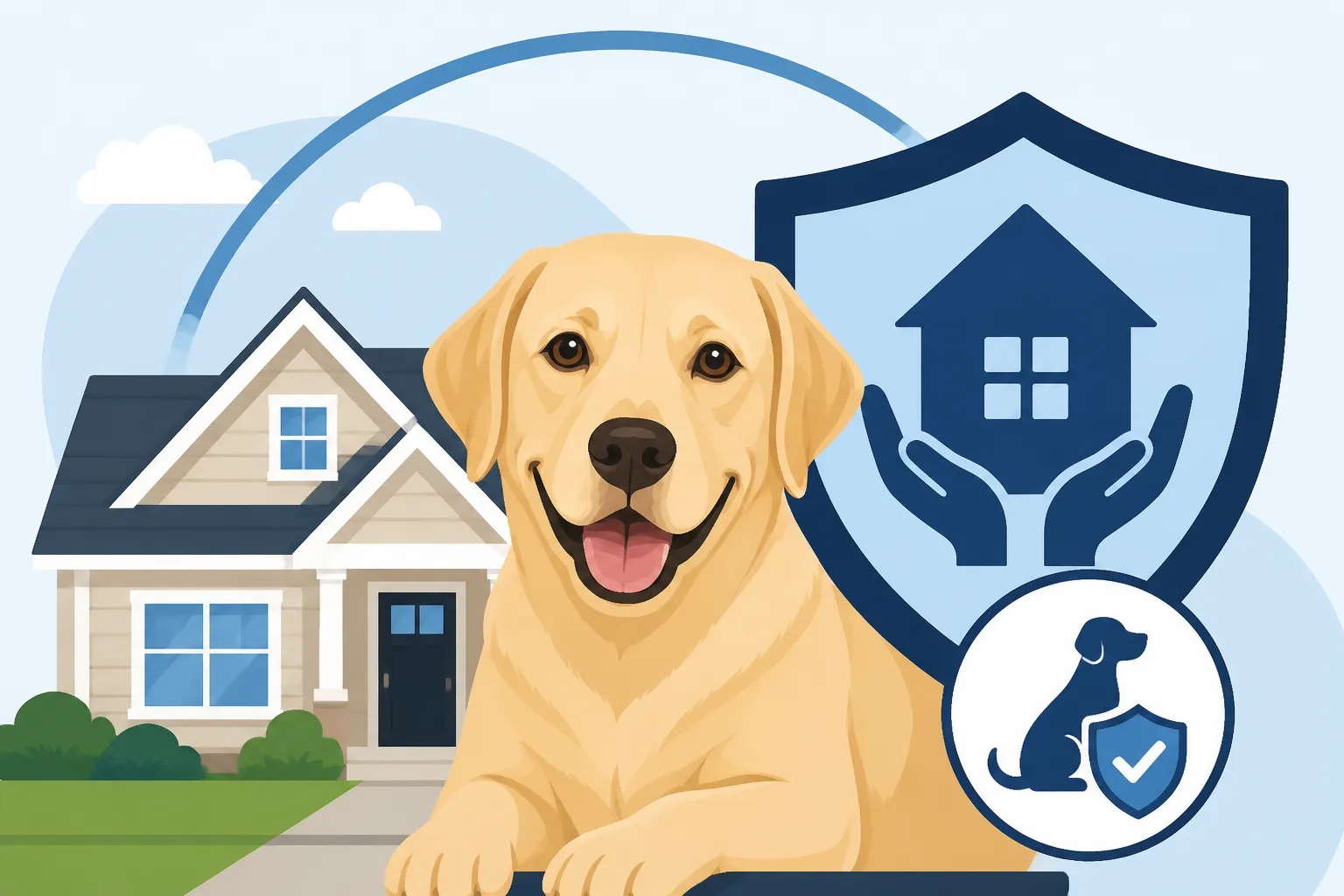
Bringing a Labrador Retriever into your home is a joyous occasion, filled with visions of wagging tails, happy retrieves, and endless cuddles. What many new (and even seasoned) owners don't always consider is the less glamorous, but equally crucial, topic of homeowners insurance and the potential liability risks that come with owning a dog, even a famously friendly one like a Lab. It's a real concern, and it’s completely understandable to feel a little overwhelmed wondering how your enthusiastic furry family member might impact your policy. This guide is here to shed light on how homeowners insurance relates to your Labrador, helping you understand potential pitfalls and how to safeguard your family and your finances.
Understanding Homeowners Insurance and Your Dog
When you think about homeowners insurance, you probably picture coverage for things like fire, theft, or natural disasters. But a significant portion of what your policy actually protects you from involves liability – situations where you or someone in your household, including your pets, might cause harm or damage to others. This is where your beloved Labrador enters the picture.
What "Dog Bite Liability" Really Means
The term "dog bite liability" often conjures images of an aggressive dog biting someone, but the reality is much broader and often more nuanced, especially when it comes to Labradors. It’s not just about direct physical harm from a bite, though that is certainly a major component. Liability claims can arise from a whole host of scenarios where your dog's actions, even unintentional ones, lead to injury or property damage for someone else.
Imagine your normally well-behaved Labrador gets overly excited when a delivery person comes to the door, jumps up, and accidentally knocks them over, causing a broken wrist. Or perhaps a small child, unfamiliar with dogs, gets spooked by your Lab's boisterous play, falls backward, and hits their head. These are scenarios that, while not involving a "bite," can absolutely fall under your homeowners insurance liability coverage. The perception of danger, or even just the potential for harm, is what insurance companies consider. For Labradors, their sheer size and boundless energy, coupled with their generally friendly nature, mean they are often involved in accidental rather than aggressive incidents.
How Your Policy Might View Your Labrador
Every insurance policy is a little different, and how your specific homeowners insurance provider views dog ownership can vary significantly. Many companies have specific clauses related to pets, and it’s something you really need to understand before an incident occurs.
A common area of concern for many dog owners revolves around breed restrictions. Certain breeds are unfortunately, and often unfairly, deemed "high-risk" by some insurance carriers due to historical data or perceptions, leading to higher premiums, exclusions, or even denial of coverage. The good news is that Labrador Retrievers are almost universally not on these restricted lists. Their reputation as family-friendly, trainable dogs generally works in their favor. However, it’s always best to be upfront with your insurance agent about owning a Labrador. Don't assume anything. Some policies might still have general clauses about any dog causing injury, regardless of breed. For instance, if your dog has a known history of aggressive behavior, even if it's a Labrador, that could impact your coverage. Understanding your policy and discussing it thoroughly with your agent is a critical step in responsible dog ownership. Furthermore, the laws in your state regarding dog liability – whether it's a "one bite rule" state where the owner is only liable after a dog has shown prior aggression, or a "strict liability" state where the owner is liable regardless of prior behavior – will also influence how claims are handled.
Common Labrador Behaviors That Could Lead to Claims
Labradors are known for their exuberance, their zest for life, and their sometimes clumsy enthusiasm. While these traits are part of their charm, they can, unfortunately, lead to situations that result in a liability claim against your homeowners insurance. It's not about malice; it's often about a well-intentioned but overly boisterous dog.
The Overly Enthusiastic Greeting
It's a classic Labrador move: someone walks through the door, and suddenly you're met with a full-body wag, a happy bark, and often, an attempt to jump up and say hello face-to-face. While endearing to many, this behavior can be a recipe for disaster, especially with children or elderly visitors. A 70-pound Labrador jumping up can easily knock a smaller person off balance.
Consider a scenario where a neighbor, perhaps less steady on their feet, comes over for a quick chat. Your Labrador, delighted to see them, launches into a joyous leap, and the neighbor stumbles, falling and breaking a hip. Even if your Lab meant no harm, the resulting medical bills and potential pain and suffering could lead to a substantial liability claim. Similarly, a delivery driver, focused on their package, might not see your excited Lab charge out the door, tripping over them and spraining an ankle. This isn't aggression; it's just pure, unadulterated Labrador enthusiasm gone awry. That's why working on Stopping a Labrador From Jumping Up is so important.
The Unintended Trip Hazard
Labradors, like many dogs, can be masters of getting underfoot. Their presence, especially on a leash or with toys strewn about, can create unexpected hazards for visitors. It's easy to overlook how a familiar home layout can become a minefield for someone who isn't used to navigating around a large, energetic dog.
Think about walking your Labrador on a leash in a public park, and a child running past gets their legs tangled in your dog's leash, falling and scraping their knees, or worse. While you might feel it's an accident, it could still lead to a liability claim. Or, imagine a guest at your home stepping on a favorite squeaky toy left carelessly in the middle of the hallway, twisting their ankle. Your Labrador, even if just lying peacefully, could also be an unseen obstacle. A guest walking downstairs in the dark might not realize your Lab has decided to nap at the bottom step. The trip, fall, and subsequent injury could be costly. This is where consistent Leash Manners for a Powerful Labrador and general spatial awareness training can make a huge difference.
The Property Damage Debacle Beyond Your Own Home
While most homeowners insurance policies cover damage to your property, liability coverage steps in when your dog causes damage to someone else's property. Labradors are curious, often food-driven, and sometimes mischievous, which can lead them into situations where they inadvertently cause damage outside your immediate control.
Consider your Labrador escaping the yard – perhaps a gate was left ajar, or they found a weak spot in the fence. Once out, they might wander into a neighbor's pristine garden and dig up prized rose bushes, or knock over an expensive piece of outdoor art. While it feels like a minor incident, extensive property damage can quickly add up. Another scenario could involve your Lab visiting a friend's house. Perhaps they chew on a valuable piece of furniture, mistake an antique rug for a potty spot, or, in their excitement, pull down a shelf filled with fragile collectibles. Even if you offer to pay for the damage out-of-pocket, the other party might decide to file a claim, especially if the damage is substantial. Effective training to prevent destructive chewing, often starting with redirection during Labrador Puppy Mouthing and How to Redirect It, can help reduce these risks.
Steps to Mitigate Liability Risks with Your Labrador
The good news is that there are many proactive steps you can take to significantly reduce the risk of your Labrador causing an incident that leads to a liability claim. Responsible dog ownership isn't just about providing love and care; it's also about preventing potential problems.
Responsible Ownership and Training
This is by far the most crucial aspect of mitigating any dog-related liability. A well-trained, well-socialized Labrador is a safer Labrador. Investing time and effort into training your dog not only makes them a more pleasant companion but also reduces the likelihood of them causing harm.
Start early with Socializing a Labrador Puppy to ensure they are comfortable and well-adjusted around people, other dogs, and different environments. This helps prevent fearful or overly reactive behaviors that could lead to incidents. Obedience training is paramount. Teach your Labrador strong commands like "sit," "stay," "off" (to prevent jumping), and a rock-solid "leave it." These commands are not just for tricks; they are vital safety tools that can interrupt a potentially problematic situation before it escalates. For example, a strong "off" command can prevent your dog from jumping on a guest, while a reliable "stay" can keep them from darting out the door and knocking someone over. Consistency is key, and enrolling in puppy classes and then advanced obedience is a fantastic investment in your dog's, and your family's, safety and peace of mind.
Securing Your Home and Yard
Your physical environment plays a significant role in preventing incidents, particularly those involving your dog getting loose or interacting unsupervised with guests. Think of your home and yard as your first line of defense.
Ensure your yard has secure fencing that your Labrador cannot jump over or dig under. We've all seen how ingenious Labradors can be when they want to explore or follow an interesting scent! Double-check gates to make sure they latch securely and that guests know how to properly close them. For a breed that can be incredibly motivated by exploration, understanding Fence Height That Holds a Labrador is vital. Inside the house, consider using baby gates or crating your dog when unsupervised, especially when you have visitors who might not be comfortable around dogs or who could be easily knocked over. Having a designated "safe space" for your Labrador can also prevent accidental interactions. Keep high-value items or potential trip hazards out of reach or in secure areas when guests are present. A secure home environment minimizes opportunities for accidental injury or property damage.
Reviewing Your Insurance Coverage
Even with the most diligent training and the most secure home, accidents can still happen. That’s why having adequate insurance coverage is so important. Don't wait until something goes wrong to find out what your policy covers.
Reach out to your homeowners insurance agent and have an open, honest conversation about owning a Labrador. Ask specific questions:
- Does my policy explicitly cover dog liability?
- What are the limits of that coverage?
- Are there any exclusions I should be aware of?
- Would an incident involving my Labrador affect my premium or renewability?
It's better to address these questions proactively. If your current coverage feels insufficient, discuss increasing your liability limits or adding an umbrella policy, which provides additional liability coverage above and beyond your standard homeowners and auto policies. While pet insurance, like policies from Healthy Paws, is fantastic for covering your Labrador's own medical bills – think Labrador Emergency Vet Bills – it is important to remember that pet insurance does not cover liability claims against you. Those are covered by your homeowners policy. Understanding the distinction between pet health insurance and personal liability insurance is crucial for a complete financial safety net. A robust general insurance strategy is as important as any What a Labrador Costs Over Twelve Years financial plan.
What to Do If a Claim Occurs
Even with the best intentions and proactive measures, accidents can happen. Knowing how to react in the immediate aftermath of an incident involving your Labrador can make a significant difference in how a potential liability claim is handled.
Immediate Actions After an Incident
In the stressful moment following an incident, it's natural to feel upset, worried, or even defensive. However, taking a few measured steps can help protect everyone involved and ensure a smoother process later.
First and foremost, attend to the injured party. Offer assistance, express concern, and help them get any necessary medical attention. If possible, move your Labrador to a secure location to prevent any further issues. Next, gather information calmly and objectively. Exchange contact details with the injured person and any witnesses. Note the date, time, and specific location of the incident. If there are visible injuries or property damage, take photographs. It's crucial not to admit fault or discuss liability at the scene. Simply state the facts of what happened without speculation or apologies that could be misinterpreted as an admission of guilt. This is not about being cold or uncaring, but about protecting your legal position until your insurance company can properly investigate. Your primary focus should be on the well-being of the injured person and securing the scene.
Working With Your Insurance Company
Once the immediate situation is stable, your next step is to contact your insurance provider as soon as possible. Prompt reporting is often a requirement of your policy.
When you speak with your agent or claims representative, provide them with all the factual information you collected: names, contact details, dates, times, and a clear, objective description of what occurred. Be honest and thorough. Your insurance company will then launch an investigation, which may involve interviewing you, the injured party, and any witnesses. They might also assess the scene or damage. Cooperate fully with their requests for information. Remember, your insurance company is there to protect you within the terms of your policy, but they need accurate and timely information to do their job effectively. They will guide you through the claims process, which can sometimes be lengthy, but clear communication on your part will help things move as smoothly as possible. While you might be worried about rising premiums or policy changes, handling the claim properly is the best way to navigate these concerns.
Disclaimer
This article is for general informational purposes only and does not constitute professional advice. Laws, prices and regulations vary by location and change over time. Consult a qualified professional for guidance on your specific situation.