Leaving a Labrador Home Alone
One of the trickiest parts of sharing your life with a wonderful Labrador is figuring out how to handle those times when you simply have to leave them home alone. The guilt can be enormous, can't it? We worry about them being lonely, bored, or worse, getting into mischief or developing separation anxiety. This guide is here to walk you through how to prepare your Labrador for solo time, ensure their safety, keep them entertained, and make those goodbyes a little less stressful for everyone involved.
Understanding Your Labrador's Needs for Alone Time
It’s easy to project our own feelings onto our dogs, imagining them miserable and counting down the seconds until we return. While Labradors are incredibly social creatures who thrive on companionship, they can absolutely learn to be comfortable and content on their own for reasonable periods. The key is understanding their individual needs and how their breed traits influence their behavior when you're not around.
Labrador Energy Levels and Boredom Threshold
Labradors, especially younger ones or those from working lines, are bursting with energy. They were bred to work alongside humans for hours, retrieving waterfowl in challenging conditions. That innate drive and physical stamina don't just disappear when they become family pets. If that energy isn't properly channeled through exercise and mental stimulation when you are home, it's going to find an outlet when you're not. This often manifests as destructive chewing, excessive barking, or even trying to "redecorate" your living room. A Labrador who is truly tired both physically and mentally before you leave is much more likely to settle down and relax.
Think about a typical day: did your Labrador get a good, long walk, a vigorous game of fetch, or perhaps some swim time before you had to leave? If they've only had a quick potty break, their tank is still full, and they're primed to get into trouble. It's not malice; it's simply a Labrador being a Labrador. They need a job, and if you don't provide one, they'll invent their own, often to your dismay. This intense energy can make How Long a Labrador Can Be Left Alone a real challenge if not properly addressed.
Social Nature and Attachment
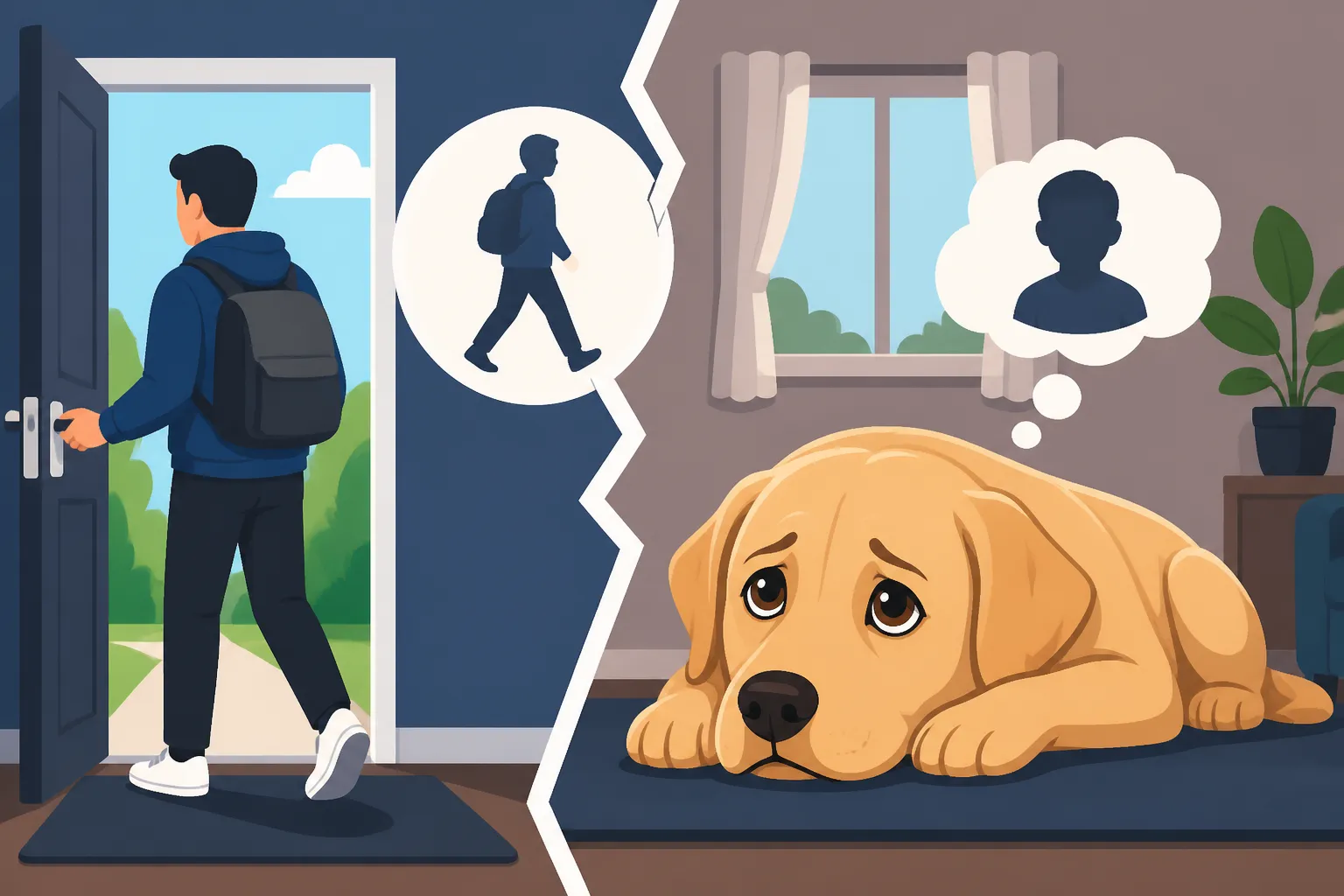
Labradors are known for their incredibly affectionate and loyal nature. They bond deeply with their families, often earning the nickname "Velcro dogs" because they follow you from room to room. This strong attachment, while endearing, can sometimes make alone time more difficult. They genuinely prefer to be with their people. This isn't necessarily separation anxiety, but rather a strong desire for companionship. A Labrador who is comfortable being alone understands that you will always come back, and that your absence isn't a permanent abandonment.
It’s important to distinguish between a dog who prefers company and one who is genuinely distressed by being alone. A Labrador lying quietly on their bed, perhaps chewing a favorite toy, is simply waiting for your return. A Labrador panting, pacing, drooling excessively, destroying doors or windows, or eliminating indoors when they're otherwise house-trained, might be showing signs of true separation anxiety. Understanding the difference is crucial for addressing the root cause of their behavior.
Age and Developmental Stages
A Labrador puppy's needs for alone time are very different from those of an adult or senior dog. Puppies have tiny bladders and bladders and require frequent potty breaks, typically every 2-4 hours, sometimes even more frequently. They also have shorter attention spans and are much more prone to Labrador Puppy Mouthing and How to Redirect It and chewing due to teething and exploration. Leaving a young puppy alone for too long isn't just cruel; it sets them up for failure with house-training and creates negative associations with being alone.
As Labradors mature into adolescence (roughly 6-18 months), you might notice a regression in their alone-time tolerance. This "teenage phase" often comes with increased independence, boundless energy, and sometimes a bit of selective hearing. They might test boundaries they previously respected, leading to new challenges when left unsupervised. Senior Labradors, on the other hand, might have reduced energy but could develop age-related anxieties, or need more frequent potty breaks due to health changes. Adapting your approach to alone time based on your Labrador's age is essential for their well-being.
Setting Up the Environment for Success
Creating a safe, comfortable, and stimulating environment is paramount when leaving your Labrador home alone. It's not just about preventing destruction; it's about making their solo time a positive, relaxing experience.
Choosing a Safe and Secure Space
The first step is deciding where your Labrador will stay while you're out. For many Labrador owners, especially with puppies or young adults, a crate is an invaluable tool. A properly introduced crate provides a den-like, secure space where your Labrador can feel safe and is less likely to engage in destructive behaviors. It should be large enough for them to stand up, turn around, and lie down comfortably. Crate Training a Labrador Puppy is an essential skill for this. If you opt for a dog-proofed room, ensure it's free of anything they could chew, swallow, or get tangled in. Think about electrical cords, small household items, toxic plants, and easily accessible trash cans.
Consider using baby gates to block off access to certain areas of the house if you're not using a crate. This can be especially helpful if your Labrador is prone to counter surfing or exploring forbidden zones. Some owners use a utility room, kitchen, or even a large playpen. Whatever space you choose, make sure it's consistent. Your Labrador thrives on routine and knowing what to expect. This predictability helps reduce anxiety.
Providing Engaging Entertainment and Comfort
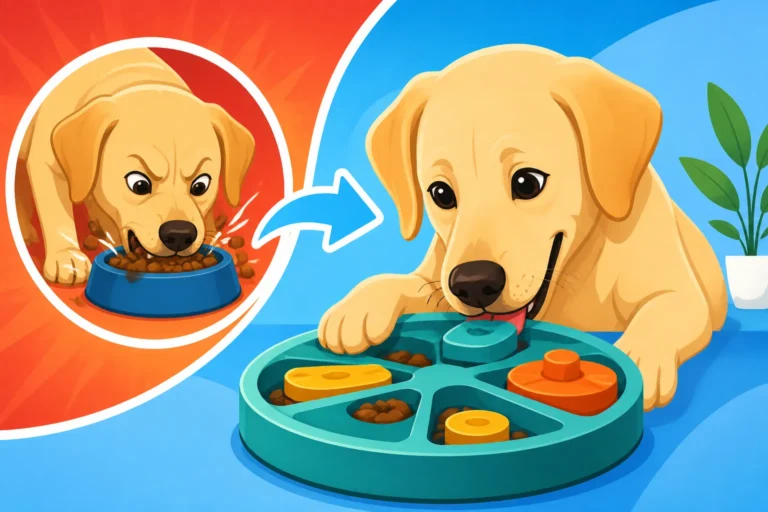
A bored Labrador is a destructive Labrador. This is where enrichment comes in. Providing appropriate toys and activities can make a huge difference in how your Labrador copes with your absence. Puzzle feeders are fantastic for mental stimulation, turning mealtime into a game. Stuffable toys, like a classic Kong, filled with peanut butter (xylitol-free!), plain yogurt, or canned pumpkin and then frozen, can keep them happily occupied for a good long while.
Consider having a rotation of "special" toys that only come out when you leave. This adds an element of novelty and makes alone time something to look forward to. Think about sturdy chew toys that can withstand a Labrador's powerful jaws. Brands found on platforms like Amazon offer a wide variety of durable chew toys and puzzle feeders designed to challenge even the smartest Lab. Beyond toys, ensure they have a comfortable bed or blanket. Some Labradors also respond well to calming music or the sound of a television left on softly, creating an auditory "presence."
Here's a quick comparison of popular enrichment options:
| Enrichment Type | Benefits | Considerations |
|---|---|---|
| Kongs (stuffed/frozen) | Long-lasting, mentally stimulating, satisfies chewing drive | Requires preparation, choose appropriate filling |
| Puzzle Feeders | Engages problem-solving skills, slows eating | Can be quickly solved by clever Labs, messier with wet food |
| Durable Chew Toys | Satisfies natural urge to chew, reduces destructive behavior | Must be appropriate size and strength for a Labrador |
| Snuffle Mats | Encourages foraging behavior, mental exercise | Can be torn apart by strong chewers if not supervised |
| Lick Mats | Calming, self-soothing action, prolonged engagement | Requires preparation, easy to clean if made of silicone |
Temperature Control and Fresh Water
This might seem obvious, but it's worth emphasizing. Always ensure your Labrador has access to fresh, clean water. Leave a sturdy bowl that won't easily tip over. Also, make sure the room temperature is comfortable. Labradors have a double coat that can make them susceptible to overheating in warmer weather. Conversely, in cold climates, ensure they aren't left in an unheated space.
Consider the time of year and the direction of sunlight if they are in a sunroom or near a window. A room that starts out comfortable might become stifling hot by midday. Investing in a smart thermostat or simply setting your home's climate control appropriately is crucial for their safety and comfort. A distressed dog is more likely to engage in unwanted behaviors, and physical discomfort only adds to any potential anxiety.
Gradual Training for Alone Time
Successfully leaving your Labrador alone isn't something that happens overnight. It requires patience, consistency, and a gradual approach to build their confidence and teach them that your absence is temporary and safe.
Starting with Short Absences
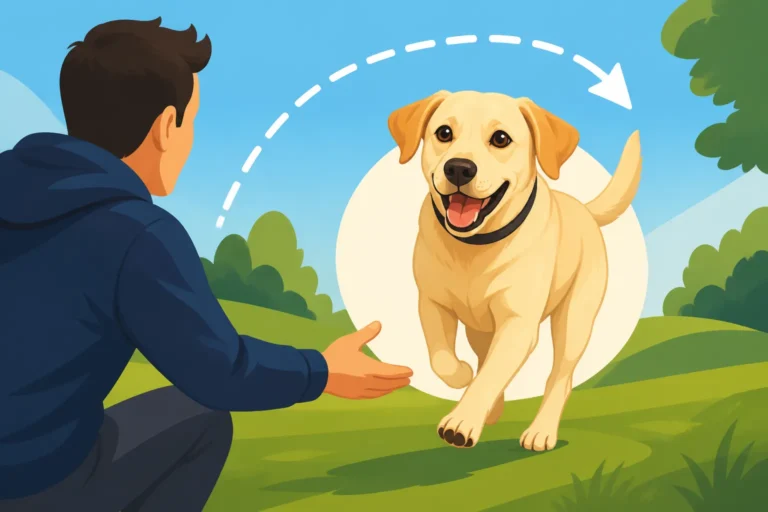
The foundation of successful alone time training is starting small. Even if your Labrador is an adult, a "reset" to short absences can be incredibly beneficial. Begin by leaving them alone for just a few minutes while you step outside the front door or go to another room where they can't see you. Don't make a big deal out of leaving or returning. No overly emotional goodbyes or excited greetings; keep it calm and matter-of-fact. The goal is to make your departure a non-event.
Gradually increase the duration of your absence. If you can leave for five minutes successfully, try ten. Then twenty. Then thirty. The key is to return before your Labrador starts to get distressed. You want them to associate your return with calm, rather than associating your return with their anxiety peaking. This might mean watching them via a pet camera (more on that later) to gauge their comfort level. If you find they're getting agitated at 15 minutes, next time only leave for 10, and then slowly work your way back up.
Building Positive Associations
You want your Labrador to view alone time as a positive experience, not a punishment. This is where those special, high-value chew toys and puzzle feeders come into play. Only give these items when you're leaving. For instance, a thoroughly stuffed Kong filled with their favorite treat should only appear when you're heading out the door. This creates an association: "Mom or Dad leaving means I get this awesome thing!"
Another technique is to practice "pre-departure cues." Labradors are incredibly observant and quickly pick up on routines. They know the sound of your keys, the rustle of your jacket, or the way you grab your purse. These cues can trigger anxiety. To desensitize them, occasionally perform these actions without actually leaving. Grab your keys, walk to the door, then sit back down on the couch. Put on your coat, then go make a cup of coffee. This helps break the predictive power of these actions, making your actual departure less of a shock.
Establishing a Routine
Labradors thrive on routine. A predictable schedule helps them understand when alone time will happen and when you'll return. Try to maintain a consistent exercise, feeding, and potty schedule. For example, a morning routine might look like: vigorous exercise, potty break, breakfast in a puzzle feeder, then you leave while they're digesting and settling down.
Avoid sudden, prolonged absences if your Labrador isn't used to them. If you know you'll have a long day at work, build up their alone time tolerance over weeks, not days. This consistent routine reinforces the idea that alone time is a normal part of their day, and that you will always come back. Just as children benefit from a stable routine, so too do our canine companions. How Long a Labrador Can Stay Crated also ties into this routine, ensuring they're not left too long.
Managing Common Challenges
Even with the best intentions and training, some Labradors might still struggle with alone time. Recognizing the signs of distress and knowing how to address them is crucial for their well-being and your peace of mind.
Identifying Separation Anxiety Versus Boredom
This is a really important distinction, and one many owners struggle with. A Labrador with true separation anxiety experiences intense panic when left alone. Symptoms often include excessive barking, howling, destructive chewing focused on exit points (doors, windows, crates), frantic pacing, house-soiling (even if fully house-trained), excessive drooling, or self-harm. These behaviors are not performed out of spite but out of genuine fear and distress.
Boredom, on the other hand, usually manifests as more general mischief: chewing inappropriate items (but not necessarily exit points), getting into the trash, counter surfing, or nudging things off shelves. While still frustrating, these behaviors often lack the frantic, panicked urgency of separation anxiety. A bored Labrador might eventually settle down; an anxious one typically won't until you return. If you're unsure, a pet camera can provide invaluable insight into what your Labrador is truly doing when you're gone. Our article Telling Labrador Boredom From Real Anxiety offers more detailed guidance on distinguishing between the two.
Addressing Destructive Chewing
Labradors are champion chewers, and if left unsupervised with nothing appropriate to chew, they'll find something inappropriate. This often stems from boredom, stress, or simply an unmet need to chew. The first line of defense is providing those durable, engaging chew toys we talked about. Ensure they are safe and cannot be easily ingested. Consider a variety of textures and shapes to keep things interesting.
If the chewing is destructive to property like furniture or walls, it's often a sign that their environment isn't secure enough, or their alone-time training needs more work. If they're chewing at a crate door or window frame, this points more towards anxiety than simple boredom. In such cases, the training methods outlined previously need to be reinforced, and you might need to reconsider leaving them uncrated or with too much freedom. Chew Toys That Survive a Labrador can be a lifesaver here.
Curbing Excessive Barking
A barking Labrador can quickly become a neighborhood nuisance, and it's certainly upsetting to imagine your dog distressed. Labradors bark for many reasons when left alone: boredom, loneliness, alerting to external stimuli (like people walking by), or true separation anxiety. If the barking is constant and accompanied by other signs of distress, separation anxiety is a strong possibility.
For boredom barking, ensure they are thoroughly exercised and mentally stimulated before you leave. White noise machines, calming music, or simply closing curtains to block out external triggers can help. If your Labrador barks at every squirrel or passerby, limiting their view of the outside world can make a huge difference. Never punish barking after the fact; they won't understand why they're being reprimanded. Instead, focus on prevention and positive reinforcement for quiet behavior.
Dealing with House Soiling
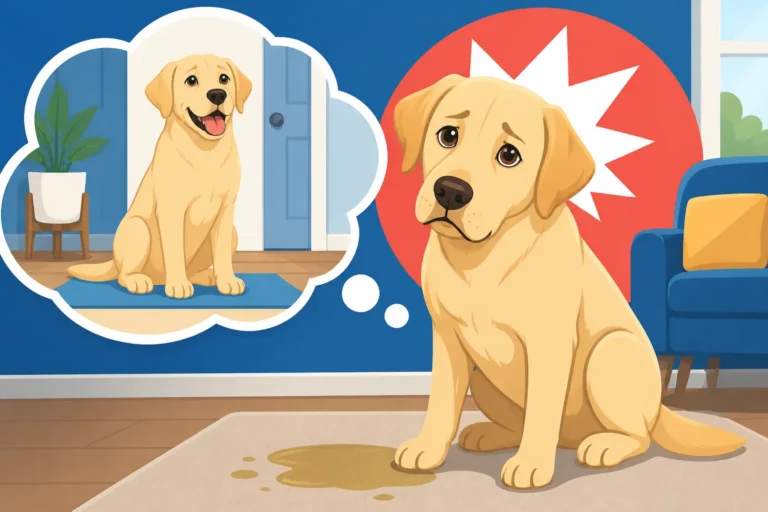
If your house-trained Labrador starts having accidents indoors when left alone, it's almost never a spiteful act. It usually points to one of three things: they were left too long and genuinely couldn't hold it, they have a medical issue (always rule this out with your vet first!), or they are experiencing significant anxiety. Puppies have shorter holding times, and expecting them to hold it for several hours is unrealistic. For adult dogs, consider Overnight Potty Breaks for a Labrador Puppy and ensure they have ample opportunities to relieve themselves before you depart.
If medical issues are ruled out and you're certain they had enough potty breaks, anxiety is the most likely culprit. In these cases, focus on reducing their anxiety through the training methods mentioned earlier. Keep their designated alone-time space easy to clean, just in case. Punishing accidents only increases their stress and does not solve the underlying problem.
Monitoring and Support Systems
Even after consistent training, having ways to monitor your Labrador and knowing when to seek professional help can provide immense peace of mind and ensure your dog's well-being.
Utilizing Pet Cameras and Smart Devices
Pet cameras have revolutionized how we can understand our dogs' behavior when we're not home. A camera allows you to observe your Labrador's true demeanor, helping you distinguish between a dog who settles quickly and one who struggles. Many cameras offer two-way audio, so you can speak to your dog, though some experts advise caution with this, as it can sometimes escalate anxiety if your dog expects you to appear. Some cameras even dispense treats, which can be a fun way to engage with them remotely. Companies found on Amazon offer a great selection of reliable pet cameras.
Beyond cameras, consider smart home devices. Automated lights can mimic someone being home, and smart feeders can dispense a small snack if you're running late, breaking up a long stretch of alone time. These tools don't replace training but can be valuable aids in monitoring and providing a little extra comfort or engagement during your absence. For a deeper dive, check out Cameras and Treat Dispensers for a Lonely Labrador.
Enlisting Help: Dog Walkers, Sitters, and Daycare
Let's be realistic: sometimes life happens, and you simply can't get home in time, or your Labrador needs more interaction than you can provide on a given day. This is where external help comes in. A professional dog walker can break up a long day, providing a much-needed potty break, some exercise, and human interaction. This is especially vital for puppies or senior dogs who have shorter holding times.
Doggy daycare is another excellent option for high-energy Labradors who thrive on social interaction. It provides hours of supervised play and comes home tired and happy. For those who prefer their Labrador to stay in a home environment, a pet sitter can be a fantastic choice, offering drop-in visits or even overnight stays. When choosing a professional, always check references, ensure they are insured, and have a clear understanding of your Labrador's needs and routine. Programs like those offered by BAXTER & Bella often include guidance on finding and utilizing professional support effectively.
When to Seek Professional Guidance
If, despite your best efforts, your Labrador continues to show significant distress, destructive behavior, or house-soiling when left alone, it's time to consider professional help. A certified professional dog trainer or a veterinary behaviorist can help diagnose underlying anxiety issues and develop a tailored behavior modification plan. They can differentiate between general anxiety and clinical separation anxiety, which sometimes requires medication in conjunction with behavior therapy.
Don't feel like a failure if you need to bring in the pros. Separation anxiety can be a complex and challenging issue, and getting expert help is a responsible and caring choice for your Labrador's well-being. They can provide strategies, support, and a fresh perspective that can make all the difference in helping your Labrador learn to cope comfortably with being home alone.
Disclaimer
This article is for general informational purposes only and does not constitute professional advice. Laws, prices and regulations vary by location and change over time. Consult a qualified professional for guidance on your specific situation.