Labrador Prey Drive Toward Small Animals
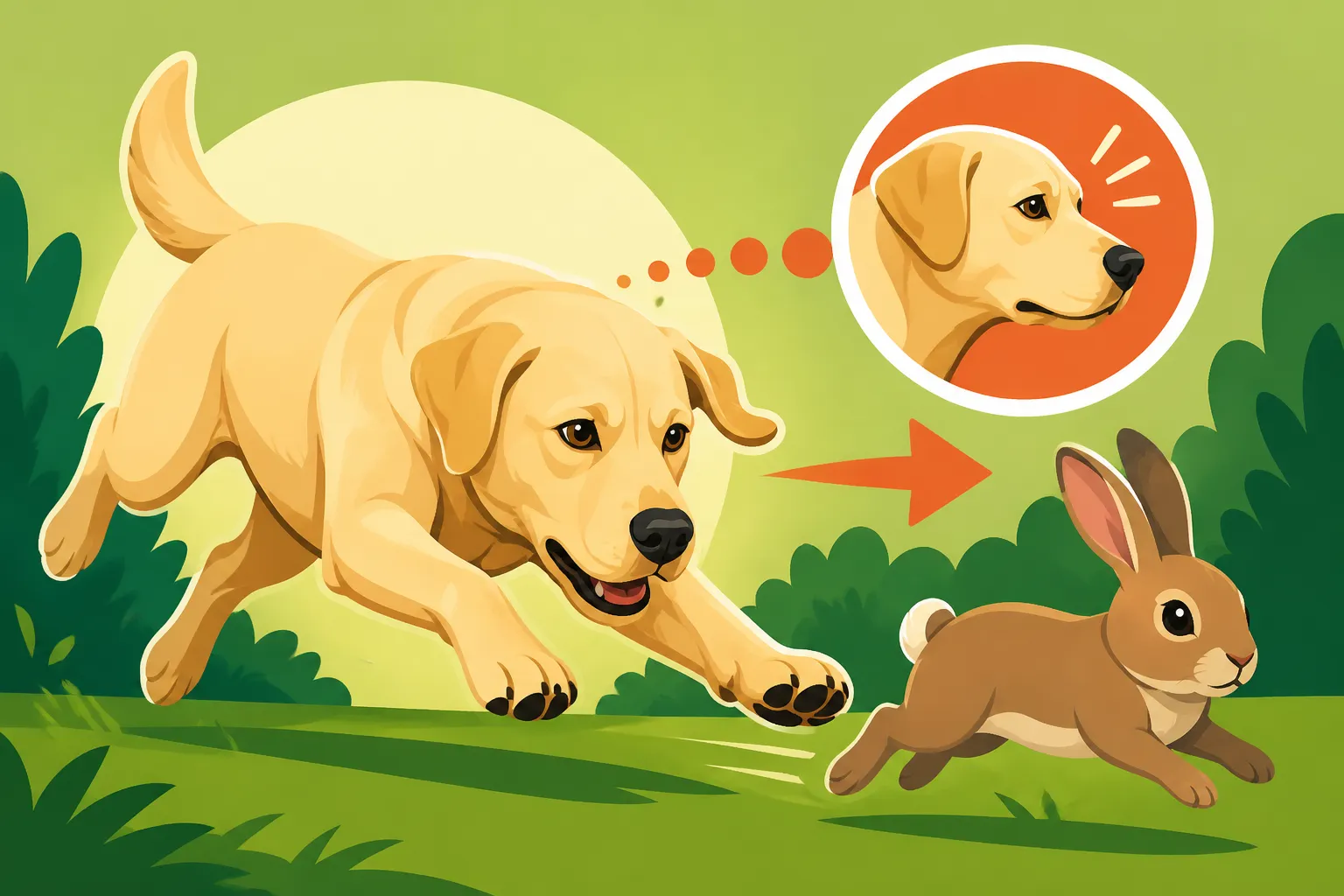
It’s a scenario many Labrador owners know all too well: you’re enjoying a peaceful walk, your beloved Lab trotting happily beside you, and then bam—a squirrel darts across the path, a rabbit pops out of the bushes, or even a neighborhood cat saunters by. Suddenly, your calm companion transforms into a pulling, lunging, laser-focused missile, all thoughts of polite leash manners gone. This intense fixation on small, fast-moving critters is a clear manifestation of your Labrador’s prey drive, and it can be frustrating, embarrassing, and even dangerous. This guide will help you understand this powerful instinct and provide practical strategies to manage and redirect your Labrador’s prey drive toward small animals.
Understanding the Labrador's Innate Prey Drive
When you see your Labrador locked onto a scurrying creature, it's not a sign of disobedience or aggression; it's a deep-seated instinct kicking in. Labradors were purpose-bred for a very specific job, and those ancient directives still echo strongly in their modern-day behavior.
The Historical Roots of the Retrieving Instinct
Our wonderful Labradors trace their lineage back to the St. John's Water Dog, a breed developed in Newfoundland to assist fishermen. These hardy dogs had to be tough, intelligent, and, crucially, possess a "soft mouth" to retrieve fish and fishing nets without damaging them. Later, when they arrived in England, they were further refined to retrieve game birds, again, with that gentle grip that wouldn't spoil the bird for the hunter.
This history means that while your Labrador might have a powerful urge to chase and pursue a small animal, their fundamental instinct isn't necessarily to harm it. It's often to catch, retrieve, and bring it back, or at least to interact with it. However, the line between chase and capture can be thin for a dog driven by instinct, and the sheer joy of the chase can be overwhelming. It’s important to remember that this drive is a fundamental part of what makes a Labrador a Labrador, and we can't simply train it out of them. Our goal is to understand it and channel it.
How Prey Drive Manifests in Labradors
Prey drive isn't just one behavior; it's a sequence of behaviors, often starting with orienting and ending with consumption (though with Labradors, it usually stops short of the latter). You might recognize some or all of these in your own dog:
- Orienting and Staring: Your Labrador might freeze, head cocked, eyes locked on the moving object. Their body might become very still, low to the ground, almost like a pointer. This is the "detect and stalk" phase.
- Stalking and Creeping: A slow, deliberate approach, often with their body low, indicating they are preparing for the chase.
- Chasing: The most obvious and often most frustrating manifestation for owners. That sudden burst of speed, pulling against the leash with all their might, is pure, unadulterated chase instinct.
- Pouncing and Grabbing: If they catch up, they might pounce, pin, or grab the animal. While a true Labrador soft mouth is legendary, the excitement of the moment can override gentle intentions.
- Digging: If the "prey" goes underground, like a rabbit into a burrow, your Lab might immediately start digging, trying to get to it.
- Carrying/Shaking: If they manage to "retrieve" something, they might carry it proudly. Sometimes, in the heat of the moment, a vigorous shake might occur, which is a more primal instinct.
It’s crucial to understand that these behaviors aren't malicious. They are hardwired. While a show line Labrador might exhibit less intense prey drive than a Field Line Labrador Traits bred for working, the potential is there in every single one of them. For instance, my yellow Lab, Buster, usually a laid-back goofball, once spent twenty minutes trying to "capture" a leaf being blown around by the wind, exhibiting all the intensity of a seasoned hunter!
Identifying Triggers and Managing Encounters
Managing your Labrador's prey drive really starts with understanding what sets it off and then taking proactive steps to either avoid those triggers or prepare for them.
Common Small Animals That Ignite the Chase
Labradors, with their keen senses, are incredibly attuned to the natural world. Their excellent eyesight can spot movement from a distance, and their unparalleled nose can pick up the scent of a hidden creature long before you ever see it.
The usual suspects that ignite this drive include:
- Squirrels: Probably the number one antagonist for suburban Labradors. Their quick, erratic movements and tendency to scamper up trees make them irresistible chase objects.
- Rabbits: Often found in backyards and parks, rabbits are another strong trigger. Their sudden hops and darting movements are perfect for initiating a chase.
- Birds: From pigeons in the park to ducks by the pond, birds flying or fluttering on the ground can catch a Labrador's eye and spark their retrieving instinct.
- Chipmunks and other small rodents: Fast, elusive, and often underfoot.
- Cats: This can be a particularly challenging one. While some Labradors might be raised with cats and coexist peacefully, an unfamiliar cat streaking across their path can easily switch on the chase drive. It's rarely about aggression, but rather the exciting movement.
Any quick, unpredictable movement can be a trigger. It's less about the specific animal and more about the motion it creates. A rustling bush, a flapping flag, or even a child running can sometimes elicit a similar, albeit usually less intense, chase response.
Strategies for Preventing and Interrupting the Chase
Prevention is always better than reaction, especially when dealing with a powerful, fast-moving dog like a Labrador.
On-Leash Management:
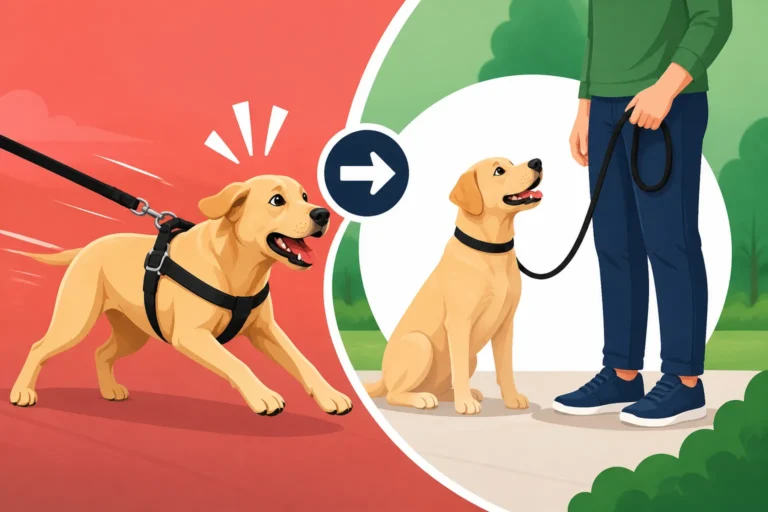
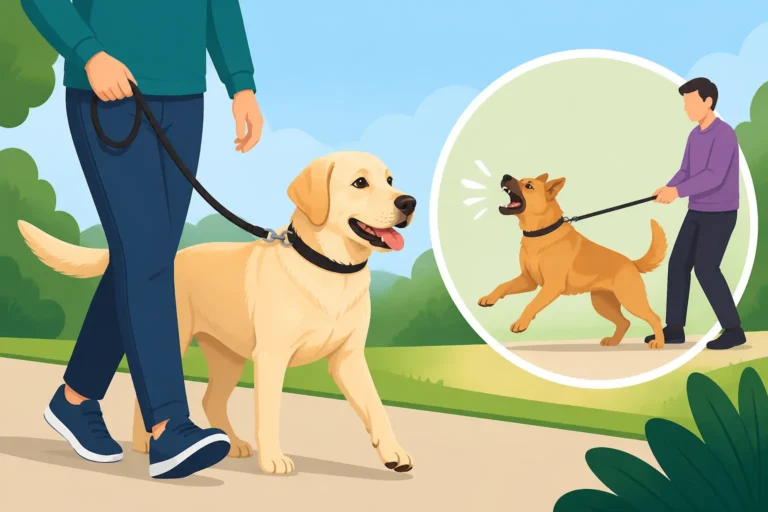
This is your first line of defense. A secure, well-fitted leash and harness are non-negotiable. If your Labrador is a strong puller when excited, a front-clip harness can be a game-changer. These harnesses redirect pulling pressure to your dog's chest, turning them around rather than allowing them to lean into the pull. This gives you much more control and can significantly help in those sudden moments where a squirrel appears. Investing in a high-quality, durable leash is also wise; a Labrador's sudden lunge can snap thinner leashes or strain cheap hardware. When you're out, always be aware of your surroundings, scanning ahead for potential triggers so you can preemptively tighten your grip, redirect your dog, or issue a command. Stopping a Labrador From Pulling on Leash can save your arm and your sanity.
Off-Leash Considerations:
This is where vigilance is paramount. For most Labradors with a strong prey drive, off-leash freedom in unfenced areas with known wildlife is an enormous risk. It only takes one moment for them to be out of earshot and in pursuit, potentially running into traffic or getting lost. Unless your Labrador has near-perfect recall in highly distracting environments—and I mean absolutely bomb-proof—it's often safer to keep them on a leash or a long line. Even a perfectly trained dog can have an off day, and instinct can be incredibly powerful. A good rule of thumb is: if you can't trust your dog to come back immediately when a squirrel runs by, don't let them off leash. For more on this, check out When a Labrador Can Be Trusted Off Leash.
Environmental Management at Home:
If your yard is a hotspot for small animals, you might need to take steps to manage their presence. Secure fencing is essential, not just to keep your Lab in, but also to make it harder for wildlife to enter easily. Fence Height That Holds a Labrador can give you an idea of what's needed. You could also consider humane deterrents like motion-activated sprinklers that might startle away squirrels or rabbits without harming them. Ensuring your own small pets, like cats, are safe indoors or in secure outdoor enclosures is also vital for their well-being and your Labrador’s training success.
Interruption Cues:
Before the chase even begins, you need a reliable way to get your Labrador's attention. A sharp, consistent "Leave It!" command or a "Look at Me!" can be invaluable. These commands need to be practiced extensively in low-distraction environments first, building up to more challenging situations. The moment you see your dog orienting to a potential "prey" animal, give your command. If they break focus and look at you, immediately reward with a high-value treat and praise. Timing is everything here—you want to interrupt the thought of the chase, not just the chase itself.
Redirecting Prey Drive Through Training and Engagement
Since you can't eliminate prey drive, the smartest approach is to redirect it into acceptable, and even productive, outlets. This involves engaging both your Labrador's body and their keen mind.
Harnessing the Instinct for Productive Activities
Your Labrador's natural inclinations make them excellent candidates for activities that satisfy their desire to find, chase, and retrieve, but in a structured and safe way.
- Retrieving Games: This is, quite literally, what Labradors were bred to do. Make fetch an exciting, high-energy game. Use different toys, throw them in varying directions, and incorporate a "stay" before sending them to retrieve. This taps directly into their core genetic programming. You can even teach them to retrieve specific items around the house. Retrieving Games That Tire a Labrador can provide endless fun and mental stimulation.
- Scent Work: Labradors have an incredible sense of smell, and engaging this can be immensely satisfying for them. Hide treats or specific scented articles around the house or yard and encourage your dog to find them. This can be as simple as hiding kibble in a snuffle mat or investing in more formal nose work training. It's a fantastic way to tire them out mentally, which is just as important as physical exercise. Check out Scent Work for a Labrador Indoors for ideas.
- Obedience and Rally: Structured obedience classes or competitive obedience and rally sports are excellent for Labradors. They provide clear rules, mental challenges, and a strong bond with their handler. The focus required for these activities can help your Labrador learn to tune out distractions, including small animals. Earning titles like those mentioned in Labrador Obedience and Field Titles can be incredibly rewarding.
- Agility: If your Labrador loves to run, jump, and weave, agility might be a perfect fit. It channels their energy, focus, and natural athleticism into a fast-paced, stimulating sport. It requires them to pay close attention to your cues and navigate obstacles, all while performing in an environment that might have other dogs and distractions.
Practical Training Techniques to Build Focus
Building a strong foundation of obedience and focus is key to managing prey drive. It's about making you more interesting than the squirrel.
- "Watch Me" or "Look at Me" Command: This command teaches your Labrador to make eye contact with you on cue, regardless of distractions. Start in a quiet room, hold a treat by your eye, say "Watch Me," and reward when they look at you. Gradually increase distractions, practicing in different rooms, then the yard, then quiet public spaces. The goal is to build a reflexive response to look at you, breaking their focus on anything else.
- High-Value Rewards: When you're working on redirecting prey drive, ordinary kibble often won't cut it. You need truly irresistible, high-value treats that can compete with the excitement of a chase. Think tiny pieces of cooked chicken, cheese, or hot dogs. These make you the ultimate source of all good things and worth paying attention to. For more ideas on what motivates them, see Treats That Motivate a Food-Driven Labrador.
- Desensitization and Counter-Conditioning: This involves gradually exposing your Labrador to the triggers (small animals) in a controlled way, while simultaneously changing their emotional response from excitement/chase to calm/positive. This is a slow process and often requires professional guidance. For example, if your dog goes wild for squirrels, you might start by simply sitting with them at a distance where they notice squirrels but don't react intensely. Every time a squirrel appears and they remain calm, reward them lavishly. Gradually, over weeks or months, you might decrease the distance, always ensuring they stay below their "reaction threshold."
- Consistent Recall Training: A strong recall is your Labrador's safety net. It means they will come back to you immediately, no matter what distractions are present. This isn't just about yelling "Come!" It involves consistent, positive reinforcement training, starting in a quiet environment and slowly adding distractions. Use a long line to practice in open spaces, ensuring you can always physically guide them back if they get distracted. Building a Labrador's Recall From Scratch is a critical skill for any Lab owner, especially those dealing with prey drive. For more advanced practice, consider utilizing a long line in a park, allowing your Labrador more freedom while still maintaining control. Long Line Work to Build Labrador Recall can really help solidify that recall even when temptations abound.
- Structured Training Programs: If you're feeling overwhelmed, don't hesitate to seek professional help. A certified dog trainer or behaviorist can provide personalized strategies and hands-on guidance. Many excellent online programs also offer structured curricula that break down these complex training concepts into manageable steps. For instance, programs like those offered by BAXTER & Bella can provide comprehensive online support, from puppy basics to more advanced distraction training, making it easier to implement consistent training at home.
Tools and Aids for Managing Prey Drive
Having the right gear can make a huge difference in managing your Labrador’s prey drive, providing both safety and effective training support.
Leashes, Harnesses, and Long Lines
When you're out and about, the physical connection to your Labrador is paramount.
- Durable Leashes: A strong, comfortable leash is essential. Look for leashes made from robust materials like braided nylon, leather, or biothane. A four-to-six-foot length is generally ideal for walks, offering enough freedom without sacrificing control. Always check the hardware—swivel clips should be sturdy and reliable. You can find a wide variety of these high-quality leashes, suitable for a strong pulling Labrador, on Amazon.
- Front-Clip Harnesses: As mentioned earlier, these are incredibly effective for Labradors who lunge and pull towards perceived prey. Instead of attaching the leash to a D-ring on their back (which encourages pulling, as it engages their opposition reflex), a front-clip harness has the attachment point on the chest. When your dog pulls, the harness gently guides them to the side, redirecting their momentum without discomfort. This gives you greater steering control and can make walks much more manageable when unexpected squirrels appear.
- Long Lines: These are fantastic training tools for working on recall and controlled off-leash experiences in safe, open areas. A long line can range from 15 to 50 feet and allows your Labrador to roam further while you still maintain a physical connection. This is crucial for practicing your recall command in distracting environments, knowing you can step on the line or gently reel them in if they don't respond. Always attach a long line to a well-fitted harness, never a collar, to prevent injury if your dog makes a sudden dash.
Enrichment Toys and Chews
Redirecting prey drive also means giving your Labrador appropriate outlets for their chewing and "hunting" instincts at home.
- Durable Chew Toys: Labradors are renowned for their powerful jaws and love of chewing. Providing them with a variety of appropriate, durable chew toys can satisfy their oral fixation and prevent them from destroying household items. Look for toys made from tough rubber, nylon, or other materials designed for heavy chewers. Toys that can be stuffed with treats or peanut butter can also provide an extra layer of mental engagement. For some excellent options that stand up to a Lab's chewing power, consider Chew Toys That Survive a Labrador.
- Puzzle Feeders: These toys are brilliant for Labradors, especially those who tend to gulp down their food. Puzzle feeders make mealtime a mental challenge, requiring your dog to work for their food by rolling, pushing, or manipulating the toy to release kibble or treats. This taps into their problem-solving skills and satisfies their instinct to "hunt" for their meal, slowing down eating and providing valuable mental stimulation. Puzzle Feeders That Slow a Greedy Labrador are a must-have for any food-motivated Lab.
- Interactive Toys: Toys that mimic movement, such as flirt poles (a pole with a lure on the end), can be a controlled way to satisfy your Lab's chase instinct. You can safely encourage them to chase and pounce on the lure, then "capture" it. This allows them to express their natural behaviors in a game you control, reducing the urge to chase real, living creatures. Just ensure these games are played in a way that doesn't over-excite them to the point of destructive behavior.
By consistently applying these management strategies and training techniques, and utilizing the right tools, you can help your Labrador channel their powerful prey drive into acceptable, enjoyable, and safe activities, making life happier for both of you.
Disclaimer
This article is for general informational purposes only and does not constitute professional advice. Laws, prices and regulations vary by location and change over time. Consult a qualified professional for guidance on your specific situation.