Long Line Work to Build Labrador Recall
It’s a tale as old as time for Labrador owners: you're out enjoying a beautiful walk, your beloved Lab is happily sniffing around, and then poof – a squirrel, a distant dog, or even just an interesting smell takes priority, and your carefully practiced recall flies right out the window. The panic sets in as you call, and call again, to no avail. This guide is all about tackling that frustrating reality head-on, showing you how a simple tool, the long line, can be your secret weapon to building a rock-solid recall that keeps your adventurous Labrador safe and responsive, even when distractions abound.
Understanding the Power of the Long Line for Labrador Recall
Let's face it, Labradors are incredible dogs, known for their boundless energy, their drive to retrieve, and often, their unwavering focus on anything that isn't you when out in the wild. That strong prey drive, coupled with their sheer enthusiasm for exploration, can make teaching a reliable recall feel like an uphill battle. This is precisely where the long line steps in as an indispensable training tool, bridging the gap between a leashed walk where you have complete control and the ultimate freedom of off-leash adventures.
A long line isn't just a really long leash; it's a piece of equipment designed to give your Labrador the illusion of freedom while you maintain a safety net. It allows them to explore further than a standard leash permits, engaging their natural curiosity and retrieving instincts, all while ensuring you can intervene if they decide to "go deaf" to your commands. For a breed like the Labrador, which thrives on mental and physical stimulation, this extra space is invaluable. It lets them practice coming back to you from a distance, under increasingly challenging scenarios, without the risk of them vanishing over the horizon or encountering something dangerous. Think of it as a crucial intermediate step; you’re not just going from a six-foot leash to complete freedom overnight. You're building a foundation of trust and responsiveness that’s crucial for their safety and your peace of mind.
Why Traditional Leashes Fall Short for Recall Training
A standard six-foot leash is fantastic for walking politely down the street or navigating a busy park. It teaches your Labrador to stay close, to heel, and to ignore immediate distractions within that tight radius. However, it doesn't give them the experience of choosing to return to you when they're twenty, thirty, or even fifty feet away, fully engrossed in a scent or a visual stimulus. When you only train recall on a short leash, your Labrador learns to respond when you're right there, but as soon as that leash comes off, the rules seem to change. They often associate the "come" command with being near you, not with the act of abandoning an exciting pursuit to rejoin you from a distance.
The short leash simply doesn't replicate the real-world scenario of an off-leash environment. It doesn't allow for the build-up of momentum that a dog gets when running, nor the sheer exhilaration of independent exploration. For a high-energy, high-drive breed like the Labrador, these elements are critical. You need to teach them that even when they are fully committed to a chase or an intriguing smell, coming back to you is still the most rewarding option. This is where the long line truly shines, offering that vital space for practice while minimizing risk.
The Psychological Benefit of Controlled Freedom
For a Labrador, being able to sniff, explore, and run in a large, open space is not just physical exercise; it's mental enrichment. It taps into their natural instincts and helps them feel like a dog. However, if every time they get too far, they are reined in with a sharp command or a frustrating chase, they might start to associate "come" with the end of their fun. The long line changes this dynamic. It allows you to let them range, giving them the sense of freedom they crave, and then gently guide them back to you before they've completely disengaged or gotten into trouble.
By consistently bringing them back and rewarding them lavishly, you build a positive association with the recall. They learn that coming to you doesn't mean the end of their adventure, but rather a brief, highly rewarding pause before more fun. This controlled freedom helps prevent the development of a "blow-off" recall, where your Labrador knows what "come" means but chooses to ignore it because the distraction is more interesting. It’s about building a solid habit of checking in with you, making you the most exciting thing in the park, even when there are squirrels doing acrobatics. Building a Labrador's Recall From Scratch is a great resource that complements this approach by laying out the initial groundwork.
Choosing the Right Long Line and Essential Gear
Selecting the proper long line is crucial for both your comfort and your Labrador's safety and successful training. This isn't a one-size-fits-all situation; length, material, and hardware all play a role in how effective and enjoyable your training sessions will be. Getting the right gear from the start can make a world of difference in your progress.
Length and Material Considerations
The length of your long line is perhaps the most important decision. For most Labrador recall training, you'll want something in the range of 15 to 30 feet.
- 15-foot lines are excellent for starting out in slightly more distracting environments, like a moderately busy park, or for a younger Labrador who is just beginning to grasp the concept of recall from a distance. They offer a good balance of freedom and control, making it easier to manage the line and prevent tangles.
- 20- to 30-foot lines are ideal once your Labrador has a basic understanding of recall on the shorter line and you want to increase the distance and introduce more challenging distractions. This length truly gives them the feeling of being off-leash and allows for more rigorous testing of their responsiveness. For high-drive Labs, this extra length can be a game-changer for practicing real-world scenarios.
When it comes to materials, you generally have a few popular options:
- Nylon: This is a common and affordable choice. Nylon lines are strong and durable, but they can absorb water, becoming heavy and potentially abrasive if they drag on the ground when wet. They can also get tangled easily and, if friction occurs while holding them, can cause rope burn.
- Biothane: Often considered a superior option for long lines, Biothane is a coated webbing material that looks and feels like leather but is waterproof, easy to clean, and incredibly durable. It doesn't absorb odors, won't tangle as easily as nylon, and provides a good grip without the risk of rope burn. Many owners find it more comfortable to handle, especially in various weather conditions. It’s also less likely to get snagged on brush or attract debris.
- Cotton/Webbing: These lines are softer on the hands but tend to be less durable, absorb water readily, and can get dirty very quickly. They might be suitable for very light use or for dogs with extremely sensitive skin if it rubs.
When browsing online retailers like Amazon, you'll find a wide array of options for both materials and lengths. It's worth investing in a good quality long line, as it will be a cornerstone of your training for months, if not years.
| Feature | Nylon Long Line | Biothane Long Line |
|---|---|---|
| Durability | Good, but can fray over time | Excellent, very resistant to wear and tear |
| Waterproof | No, absorbs water, gets heavy and dirty | Yes, repels water, stays light and clean |
| Grip | Can be slippery when wet, risk of rope burn | Excellent, consistent grip, low risk of rope burn |
| Tangles | More prone to tangling, especially when wet | Less prone to tangling, smoother glide |
| Cleaning | Can be difficult to clean thoroughly | Very easy to clean (wipe down with damp cloth) |
| Weight | Can become heavy when wet | Consistent, relatively lightweight |
| Cost | Generally more affordable | Often higher initial cost, but lasts longer |
Collar, Harness, and Hardware Safety
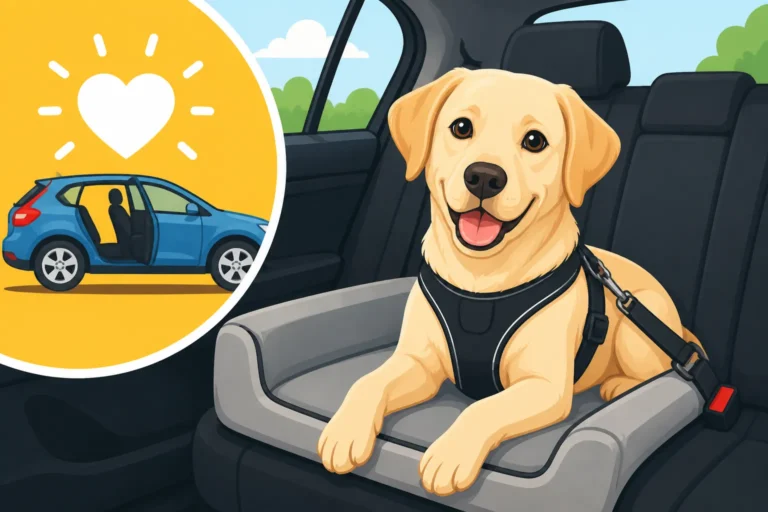
Never attach a long line directly to your Labrador's flat collar, especially if they are prone to pulling or making sudden dashes. The force of a sudden stop could cause serious injury to their neck and trachea. Instead, always use a well-fitting harness that distributes pressure evenly across their chest and shoulders. A harness with a front-clip attachment can also offer additional control if your Labrador is a strong puller, helping to redirect their attention back to you.
The hardware on the long line itself is also important. Look for a sturdy, reliable snap clip or carabiner that can withstand the force of your Labrador's lunges. Avoid flimsy clips that could bend or break, or ones with sharp edges that could irritate your dog. Some long lines come with swiveling clips, which can help prevent tangles as your dog moves. Ensure the clip is securely sewn or riveted to the line. Double-check all stitching and hardware before each use to ensure it's in good working order.
Finally, while not part of the line itself, ensure you have comfortable gloves, especially if you opt for a nylon line. This will protect your hands from friction burns if the line slips through your grasp quickly.
Step-by-Step Long Line Training for Your Labrador
Using a long line effectively isn't about letting your dog drag it around; it's a dynamic process that requires your active participation. The goal is to build a positive association with returning to you, even when there are captivating distractions. Consistency, patience, and high-value rewards are your best friends in this journey. Short Training Sessions That Suit a Labrador are key, as their attention span can wane quickly.
Starting in a Low-Distraction Environment
Before heading to the busiest dog park, start your long line training in a calm, secure, and low-distraction environment. This could be your backyard, an empty field, or a quiet park during off-peak hours. The idea is to set your Labrador up for success without overwhelming them with too many exciting stimuli.
- Familiarization: Attach the long line to your Labrador's harness. Let them drag the line around for a few minutes, getting used to the feel of it. Keep a close eye on them to ensure they don't get tangled or trip over it. This initial phase helps them understand that the line is just an extension of them, not something to fear or fight against.
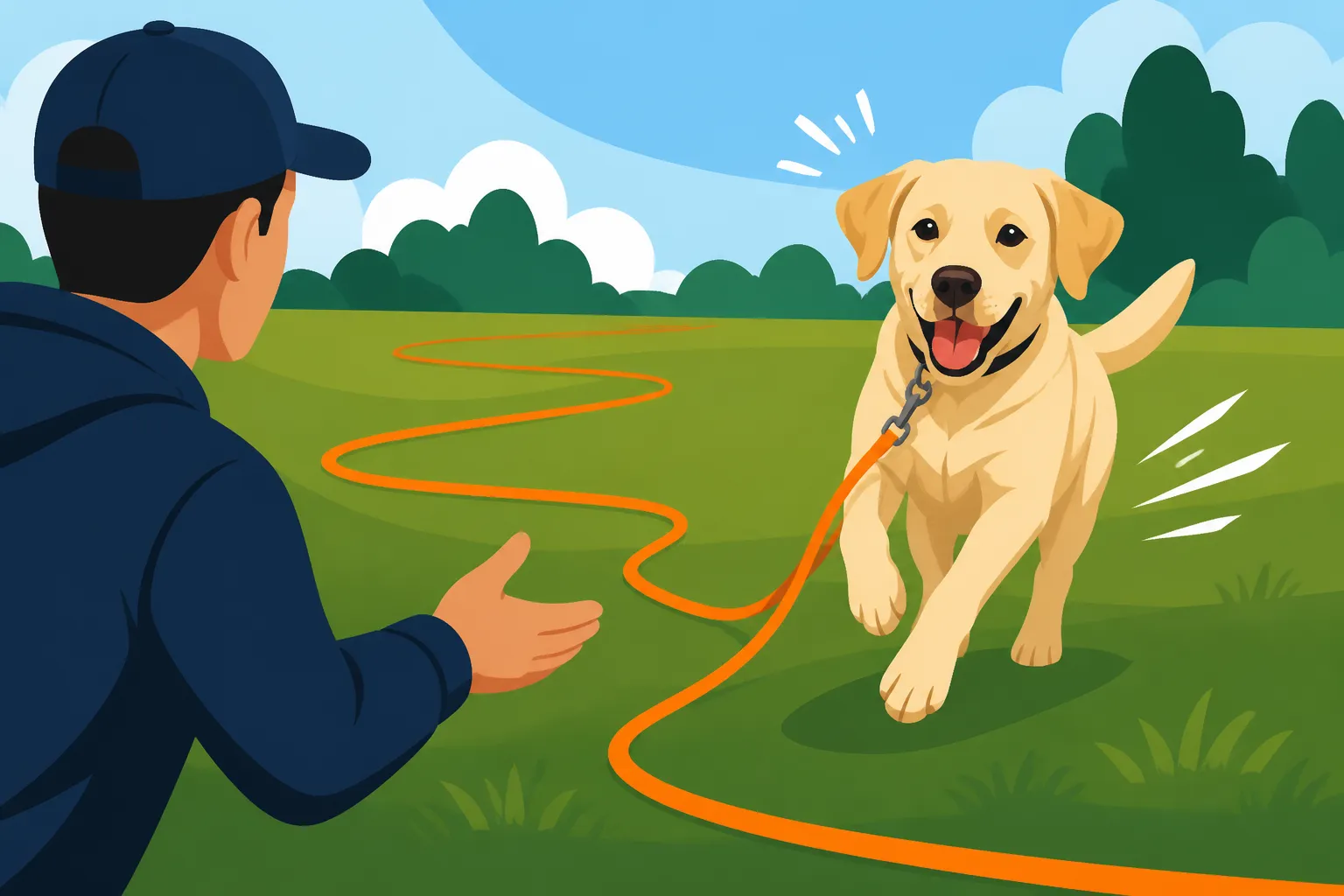
- Introduction to the "Come" Cue: Once they're comfortable, let them wander a short distance away – maybe 10-15 feet. Wait for them to be mildly distracted, perhaps sniffing something interesting but not completely engrossed. Then, cheerfully call their name, followed by your recall cue (e.g., "Buddy, COME!"). As you call, gently reel in the line, not yanking, but giving a consistent, light pull to encourage movement towards you.
- Party Time and Reward: The instant your Labrador turns towards you, lighten the pressure on the line. As they reach you, make it an absolute party! Shower them with praise, affection, and immediately offer several pea-sized, high-value treats. Think cooked chicken, cheese, or hot dogs – whatever truly makes your Labrador's eyes light up. This positive reinforcement is critical. Treats That Motivate a Food-Driven Labrador can give you more ideas on what works best.
- Release and Repeat: After the reward, immediately release them with a cheerful "Go play!" or "Okay!" and let them wander off again. This teaches them that coming to you doesn't mean the end of their fun, just a temporary, highly rewarding pause. Repeat these short sessions frequently, keeping them positive and fun. Remember, you want to build a strong desire to return to you, not an obligation.
Gradually Introducing Distractions
Once your Labrador reliably comes to you from short distances in a low-distraction environment, it's time to slowly increase the challenge. This is where the long line's true value for recall shines.
- Mild Distractions: Move to an area with slightly more distractions – perhaps a park with a few people walking by, or at a time when other dogs are further away. Let your Labrador wander, get slightly engaged, and then call them. The key is to call them before they are completely committed to the distraction. You want to interrupt their focus, not try to pull them away from something they're already chasing. If they hesitate, a gentle, consistent reel on the long line will guide them back.
- Increasing Distance and Complexity: As they improve, gradually increase the distance you let them wander and introduce more complex distractions. This could be other dogs playing further away, kids on bikes, or even a tempting smell near a bush. The 20- or 30-foot line will be invaluable here, giving them more room to make a "choice" to return. Practice calling them from various positions – when you're standing still, when you're walking, or even when you're briefly hidden behind a tree.
- Varying Scenarios: Don't just practice in the same spot. Visit different parks, open fields, or even safe hiking trails. This helps generalize the recall command, teaching your Labrador that "come" means "come to me" no matter where you are or what's happening. If you have a water-loving Lab, remember that when a Labrador ignores you around water can be a common challenge, so practice near water bodies with the long line for safety.
- Emergency Stop (Optional but Recommended): Teach a separate, distinct "emergency stop" command (e.g., "STOP!" or "DOWN!") while they are on the long line. This isn't a recall, but a command to immediately drop to the ground, no matter what. Practice this when they are trotting away from you. Call the command loudly and clearly, and if they don't respond, use the long line to gently, but firmly, guide them into a down position. Reward heavily once they are down. This can be a lifesaver if they are heading towards a road or a dangerous situation.
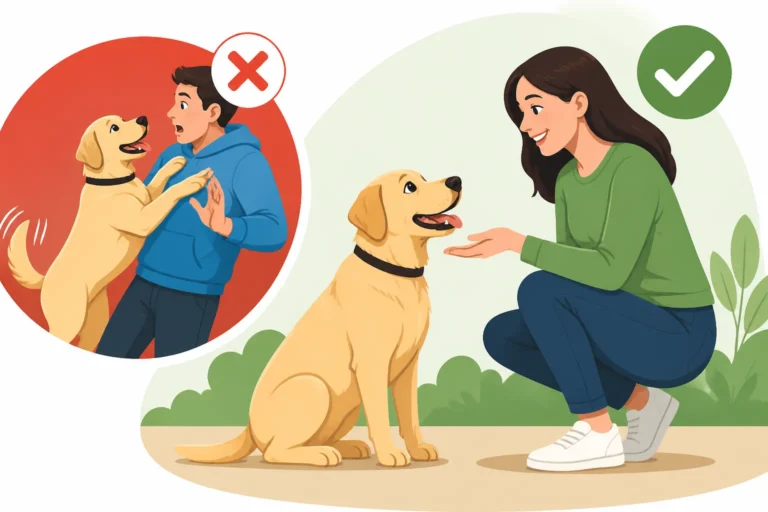
Remember, every successful recall on the long line reinforces the behavior. Don't be afraid to make yourself more exciting than the environment – run away from them a few steps as you call, or crouch down to make yourself less intimidating and more inviting. Using a Labrador's Food Drive as Leverage is a fantastic strategy here, as their inherent love for food can be a powerful motivator.
Common Long Line Training Pitfalls and Troubleshooting
While long lines are incredibly effective, it's easy to fall into common traps that can hinder your progress or even make recall worse. Being aware of these pitfalls and knowing how to troubleshoot them will ensure your training journey is smooth and successful.
Incorrect Handling and Use
One of the biggest mistakes handlers make is using the long line like a punishment device. Never yank your Labrador back to you with force. The long line is a guide, not a correctional tool for harsh jerks. Harsh corrections can make your Labrador associate coming to you with pain or an unpleasant experience, leading them to avoid you in the future. Instead, use a gentle, consistent reel-in motion to guide them, always accompanied by positive encouragement.
Another common issue is letting your Labrador constantly pull the line taut or drag it through dangerous areas. If the line is always tight, it teaches them to lean into it, reducing its effectiveness as a training aid. Allow slack, but be ready to step on it or gather it in your hand if they take off unexpectedly. Be mindful of their surroundings; a long line dragging through thorny bushes, dense undergrowth, or across a busy road can be a serious hazard. Always keep an eye on where the line is to prevent tangles around trees, poles, or other dogs.
Finally, forgetting to reward or not using high-value rewards can severely undermine your efforts. Labradors are highly food-motivated, and lukewarm praise or a boring biscuit won't cut it when they're faced with the allure of a rabbit disappearing into the brush. Make coming back to you the absolute best thing that happens during your walk.
Dealing with Specific Labrador Challenges
Labradors, bless their hearts, come with their own unique set of quirks that can sometimes make long line training a bit tricky.
- The "Suddenly Deaf" Labrador: You know the one. That moment when a scent trail becomes too enticing, and your voice might as well be the wind. For these instances, the long line is your backup. Instead of yelling repeatedly (which only teaches them to ignore you), give your recall cue once or twice, and if there's no immediate response, start gently reeling them in. The gentle pressure acts as a reminder, not a punishment. The moment they start moving towards you, release the pressure and praise them enthusiastically. This teaches them that the cue always means to return, even when they'd rather not. Labrador Recall Around Birds and Wildlife is a common scenario where this approach is crucial.
- The Line Chewer: Some Labradors, especially puppies or those with high oral fixation, might decide the long line is a fantastic new chew toy. If this happens, immediately interrupt the behavior with a firm "Leave it!" or a gentle spray of water (if they respond to it). Redirect their chewing to an appropriate toy. If it's a persistent problem, consider a more durable material like Biothane, or a long line with a wire cable integrated into the first few feet near the harness, making it less appealing to chew.
- Getting Tangled: This is almost inevitable at some point. To minimize tangles, avoid letting your Labrador weave repeatedly around your legs. Try to keep the line relatively straight behind them. If they do get tangled around something, calmly stop, untangle the line, and then continue. Never pull them forcibly out of a tangle, as this can cause injury.
Transitioning to Off-Leash Safely
The ultimate goal of long line training is to eventually achieve a reliable off-leash recall. However, this transition should be gradual and thoughtful. Don't just remove the long line one day and expect miracles.
- Test in Controlled Environments: Once your Labrador has a near-perfect recall on the long line, even with significant distractions, start testing them in a truly secure, fenced-in area where there are no escape routes. This could be a private dog park rental or a friend's securely fenced yard. Continue to practice your recall as if the long line were still attached, but this time, you'll be relying solely on your voice and rewards.
- The "Drag Line" Phase: For a while, you might want to switch to a shorter, lighter drag line (perhaps 6-10 feet) that your Labrador can wear while off-leash in safe areas. This still gives you a "handle" if you need to quickly grab them in an emergency, but it provides the feeling of being completely unencumbered.
- Gradual Off-Leash Freedom: Only when you are 100% confident in a fully fenced area should you consider introducing off-leash time in unfenced, safe, and legal spaces. Even then, start with short bursts and highly controlled situations. Always be aware of your surroundings and any potential triggers for your Labrador.
- Maintain Reinforcement: Even with a perfect recall, never stop praising and rewarding your Labrador for coming back to you. Make it a habit to randomly call them to you during off-leash time, reward them, and then immediately release them to continue playing. This keeps the recall sharp and reinforces that coming to you is always a positive experience. Regularly revisit long line practice, especially if you notice their recall starting to slip, or if you plan to visit a new, highly stimulating environment. Consistency is everything when it comes to recall, even for a well-trained Labrador. When pondering When a Labrador Can Be Trusted Off Leash, remember that it's a journey, not a destination, and ongoing reinforcement is crucial.
Disclaimer
This article is for general informational purposes only and does not constitute professional advice. Laws, prices and regulations vary by location and change over time. Consult a qualified professional for guidance on your specific situation.