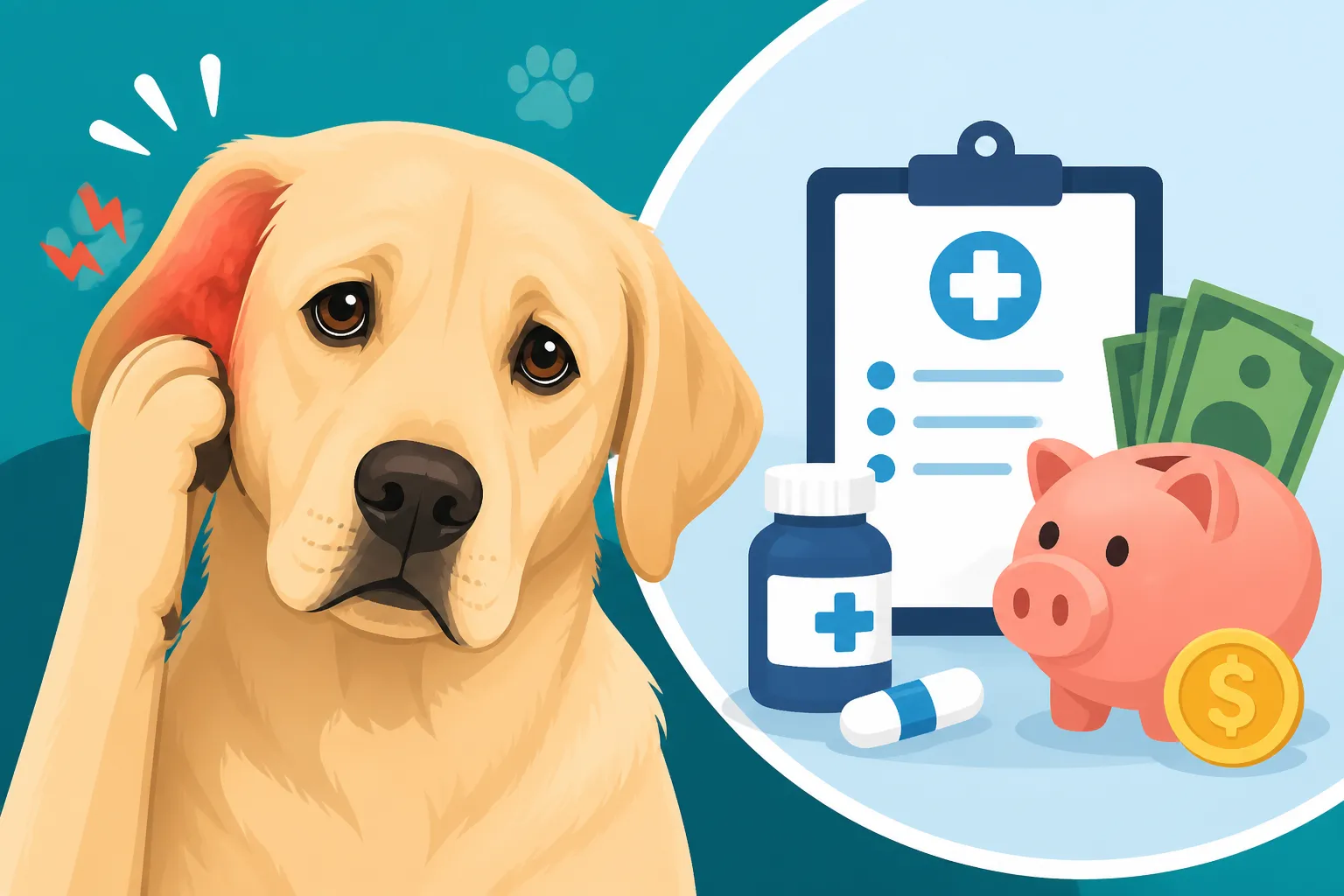
Vet Costs for a Labrador Ear Infection
One of the most common and frankly, most frustrating, health issues many Labrador owners face are those dreaded ear infections. It starts with a head shake, then a pawing at the ear, and before you know it, you're looking at an unhappy pup and wondering just how much this vet visit is going to set you back. Dealing with a Labrador's painful, smelly ear can be stressful enough without adding financial worries to the mix. This guide is here to help you understand not just the typical costs involved in treating a Labrador ear infection, but also why they happen and what you can do to manage them.
Understanding Why Labradors Get Ear Infections So Often
If you've owned a Labrador for any length of time, you've probably encountered an ear infection. It sometimes feels like they're practically magnets for them, doesn't it? There's a very good reason for this, and it largely comes down to their unique anatomy and their love for all things wet and wild.
The Anatomy of a Labrador's Ear
Imagine your own ear canal, relatively straight and open. Now imagine a Labrador's. It's a completely different landscape! Labradors, like many floppy-eared breeds, have an L-shaped ear canal. This bend in the canal creates a perfect little pocket where air circulation is minimal. This lack of airflow, combined with the floppy ear flap that covers the opening, creates a warm, moist environment – basically, a five-star resort for yeast and bacteria to multiply.
Think about it: after a joyous swim in the lake or even just a particularly vigorous drink from the water bowl, water can easily get trapped in that L-shaped canal. Because the ear flap covers the opening, it's very difficult for that moisture to evaporate naturally. This creates a perpetually damp environment, which is exactly what microscopic organisms thrive in. It's a design flaw, in a way, but one that's tied to their wonderful retrieving heritage. Their ears are built to protect the inner ear during swims, but it comes at a cost of increased infection risk. It's truly a double-edged sword for our water-loving companions. You might even find that certain coat colors are more prone to these issues; for example, some studies suggest differences in ear disease rates depending on coat color, a topic explored further in our article on Labrador Coat Color and Ear Disease Rates.
Common Causes and Triggers
Beyond the inherent anatomical predisposition, several factors can trigger an ear infection in a Labrador. It's rarely just one thing, but often a combination that creates the perfect storm for discomfort.
One of the biggest culprits, often overlooked by new owners, is allergies. Just like humans, Labradors can suffer from environmental allergies (atopy) triggered by pollen, dust mites, or molds, or food allergies to certain proteins or grains in their diet. When a Labrador experiences an allergic reaction, their immune system goes into overdrive, often leading to inflammation and itching all over their body, including the ears. This inflammation changes the microclimate within the ear, making it even more hospitable for opportunistic yeast and bacteria to take hold. The itching often leads to scratching, which can further damage the delicate skin lining the ear canal, creating tiny abrasions that allow bacteria to enter and escalate the infection. If your Labrador is constantly scratching or has recurring ear issues, it's worth investigating if allergies are at play.
Beyond allergies, we see direct infections from bacteria (like Staph or Pseudomonas) and yeast (often Malassezia). Sometimes these are primary infections, but more often, they are secondary invaders that take advantage of an already compromised ear environment due to allergies or moisture. Ear mites, while less common in adult, well-cared-for Labradors, can also cause severe irritation and infections, especially in puppies. Foreign bodies, such as grass awns or seeds picked up during outdoor adventures, are another common, acutely painful cause. These tiny invaders can burrow deep into the ear canal, causing intense irritation and creating a pathway for infection. And finally, excessive wax buildup can block the ear canal, trap moisture, and provide a breeding ground for microorganisms. Understanding these various triggers is the first step in effective treatment and, more importantly, prevention.
Breaking Down the Initial Vet Visit Costs
When you first notice your Labrador shaking their head or pawing at an ear, your mind probably jumps straight to the vet. And you're right to do so! Early intervention is key to preventing a minor irritation from escalating into a full-blown, painful, and more expensive infection. So, what can you expect when you walk through the clinic door?
The Examination and Diagnostics
The first step in any vet visit for an ear infection will be a thorough examination. The vet will likely start with a general check-up to ensure your Labrador isn't showing other signs of illness. Then, they'll focus on the ears. This typically involves a visual inspection of the outer ear and a careful look into the ear canal using an otoscope. An otoscope allows the vet to see deep inside the L-shaped canal, checking for redness, swelling, discharge, foreign bodies, or even damage to the eardrum. This initial examination usually falls under the cost of a standard office visit or consultation fee, which can range anywhere from $50 to $100, depending on your geographic location and the clinic.
However, a visual inspection isn't always enough to identify the specific culprit behind the infection. To get to the root cause – whether it's yeast, bacteria, or a combination – your vet will almost certainly recommend an ear cytology. This involves taking a swab of the discharge from the affected ear, rolling it onto a microscope slide, staining it, and examining it under a microscope. This simple yet powerful diagnostic tool allows the vet to identify yeast organisms, different types of bacteria (cocci or rods), and inflammatory cells. This is crucial because yeast and bacterial infections require different types of medication. The cost for an ear cytology usually ranges from $30 to $70 per ear. In cases where the initial treatment isn't working or the infection is particularly stubborn, your vet might recommend a bacterial culture and sensitivity test, which is more expensive ($100-$200+) but helps pinpoint the exact bacterial strain and which antibiotics will be most effective. This is an important step because misidentifying the pathogen can lead to ineffective treatment and prolong your Labrador's suffering.
Medications and Initial Treatment
Once the vet has a diagnosis from the cytology, they can prescribe the appropriate medications. For a straightforward ear infection, treatment typically involves topical ear drops that combine an antibiotic, an antifungal, and sometimes a steroid to reduce inflammation and discomfort. These medications are applied directly into the ear canal, usually once or twice a day for 7-14 days. The cost of these prescription ear drops can vary widely, from $30 to $70 or more, depending on the brand, the size of your dog, and the duration of treatment. Some of the newer, long-acting topical medications that only require one or two doses administered by the vet can be more expensive, sometimes running over $100 per dose, but they can be a lifesaver for owners who struggle to medicate their dog's ears at home.
In more severe cases, or if your Labrador is in significant pain, the vet might also prescribe oral medications. This could include oral antibiotics to tackle systemic infection, or anti-inflammatory drugs (NSAIDs) to reduce pain and swelling, making your dog much more comfortable. Oral antibiotics can range from $20 to $50 for a course, while NSAIDs might be $15 to $40. Additionally, the vet will likely recommend a specific ear cleaning solution. This isn't just plain water; these solutions are formulated to break down wax, dry the ear canal, and create an environment less friendly to pathogens. A good quality ear cleaner will cost around $15 to $25 and is often a crucial part of the treatment plan, as cleaning the ear before applying medication ensures the medicine can reach its target effectively. Many pet parents find that having pet insurance, like a plan from Healthy Paws, can significantly ease the burden of these unexpected costs, especially for chronic conditions where vet bills can add up. It's often difficult to know When a Labrador Ear Needs a Vet Not a Wipe, so it's best to consult a professional early.
Here's a quick overview of typical initial costs:
| Service | Estimated Cost Range (USD) | Notes |
|---|---|---|
| Vet Exam/Consultation | $50 – $100 | Initial assessment, physical exam. |
| Ear Cytology (per ear) | $30 – $70 | Microscopic analysis of ear discharge to identify pathogens. |
| Prescription Ear Drops | $30 – $70+ | Topical antibiotics, antifungals, steroids. |
| Oral Antibiotics | $20 – $50 | For severe infections or if topical treatment isn't enough. |
| Oral Anti-inflammatories | $15 – $40 | To manage pain and reduce swelling. |
| Ear Cleaning Solution | $15 – $25 | Essential for preparing the ear for medication and ongoing hygiene. |
| Ear Culture & Sensitivity | $100 – $200+ | For recurrent or resistant infections to guide antibiotic choice. |
Exploring Costs for Chronic or Complicated Cases
Sometimes, an ear infection isn't a one-and-done deal. For many Labradors, ear issues can become a recurring nightmare, leading to increased costs and deeper frustration for both you and your beloved pet. When an infection becomes chronic or particularly severe, the financial implications can escalate significantly.
Dealing with Recurrent Infections
If your Labrador keeps getting ear infections, it's not just annoying; it's a sign that there's an underlying problem that hasn't been fully addressed. This is where costs can really start to mount. You might find yourself on a first-name basis with your vet, popping in every few months for another round of exams, cytologies, and medication. Each of these visits will incur the initial costs we discussed, leading to hundreds, or even thousands, of dollars over a year or two. This cycle of treatment without resolution is incredibly disheartening. Our article on How Often Labradors Get Otitis Externa delves into just how prevalent these recurrent issues are.
To break this cycle, your vet will likely recommend more advanced diagnostics. If allergies are suspected, a food elimination trial, which involves feeding a novel protein or hydrolyzed protein diet for 8-12 weeks, can be costly due to the specialized food (often $80-$150 per bag, and Labradors eat a lot!). If environmental allergies are the main concern, a referral to a veterinary dermatologist might be in order. A specialist consultation alone can be $150-$300, and further allergy testing (intradermal skin testing or blood tests) can add another $200-$500. For severe chronic infections with a lot of debris build-up that can't be cleared with routine cleaning, your vet might suggest a sedated ear flush. This procedure allows the vet to thoroughly clean the ear canal while your dog is comfortable and still, often using specialized equipment. This can range from $200 to $500, including the sedation, supplies, and time. Persistent inflammation can also lead to changes in the ear canal over time, such as narrowing, thickening, or even calcification, making future infections even harder to treat and potentially paving the way for more drastic measures.
Surgical Interventions and Advanced Care
In the most extreme cases, when chronic ear infections have severely damaged the ear canal, causing unbearable pain, deafness, or a poor quality of life, surgery becomes a necessary, albeit very expensive, option. The most common surgical procedure for end-stage ear disease in dogs is a Total Ear Canal Ablation (TECA) with Bulla Osteotomy. This major surgery involves removing the entire ear canal and often the middle ear structures. It's a complex procedure performed by a board-certified veterinary surgeon and is typically considered a last resort.
The cost of a TECA is substantial, usually ranging from $2,500 to $5,000 per ear, sometimes even more in high-cost-of-living areas. This fee typically includes the surgeon's fees, anesthesia, hospital stay, post-operative medications, and follow-up care. The recovery period is long, requiring diligent wound care and pain management. While it sounds drastic, for a dog suffering from constant, excruciating ear pain, a TECA can be life-changing, providing permanent relief. Referral to a veterinary specialist, whether a dermatologist or surgeon, adds another layer of cost, but their expertise is invaluable for these complex situations. When faced with such significant veterinary bills, it highlights why many owners consider pet insurance for their Labradors. Policies vary, but it's worth understanding factors like Pre-Existing Conditions on a Labrador Policy and Whether Insurance Covers Labrador Hip Dysplasia, as these principles apply to other chronic issues like ear disease. Considering the various health issues Labradors can face, from ear infections to joint problems, it's clear that Which Labrador Problems Cost the Most to Treat can vary, but chronic conditions often rank high.
Preventative Measures to Reduce Long-Term Costs
The good news is that you can significantly reduce the frequency and severity of ear infections in your Labrador, which in turn saves you money and prevents unnecessary suffering for your best friend. Proactive care is truly the best defense when it comes to those sensitive Labrador ears.
Regular Ear Cleaning and Maintenance
One of the simplest yet most effective preventative measures is regular ear cleaning. Because of their L-shaped ear canals and floppy ears, Labradors are naturally prone to trapping moisture and debris. This means that consistent, gentle cleaning is essential, especially after swims or baths. Our article on Drying a Labrador's Ears After the Lake offers specific advice on this critical step.
The key is to use a veterinary-approved ear cleaning solution – not just water or hydrogen peroxide, which can be irritating. These solutions are formulated to help break down wax, dry out the ear canal, and maintain a healthy pH balance. You can typically find these cleaners at your vet's office or pet supply stores for $15 to $25 a bottle. The technique is crucial: gently lift your Labrador's ear flap, squirt a generous amount of cleaner into the ear canal until it's full, then massage the base of the ear for 20-30 seconds. This helps break up debris. After massaging, let your dog shake their head (stand back!) to expel the loosened gunk, then use a cotton ball or soft tissue to wipe away any visible discharge from the outer ear. Never use cotton swabs inside the ear canal, as this can push debris further in or even damage the eardrum. For many Labradors, a thorough cleaning once a week, or more frequently if they're swimming often, can make a huge difference. You can find more detailed instructions on How Often to Clean a Labrador's Ears in our dedicated guide. Investing in good ear hygiene is far less expensive than repeated vet visits and medication.
Dietary and Environmental Management
For Labradors with recurrent ear infections, looking beyond the ear itself is paramount, especially when allergies are a suspected underlying cause. Addressing dietary sensitivities can make a profound difference. If your vet suspects a food allergy, a strict elimination diet is often recommended. This isn't just switching brands; it involves feeding a novel protein source (one your dog has never eaten before) or a hydrolyzed protein diet (where proteins are broken down so the immune system doesn't recognize them as allergens) for an extended period. This commitment requires careful label reading and avoiding all treats or table scraps. While the specialized food can be more expensive upfront, successfully identifying and eliminating a food allergen can stop the cycle of ear infections, saving you significant long-term vet costs. Our guide on Running an Elimination Diet on a Labrador offers a detailed walkthrough.
Similarly, managing environmental allergens can be a game-changer. If your Labrador is reactive to pollen, dust mites, or mold, consider strategies like more frequent bathing with a hypoallergenic shampoo, using air purifiers in your home, regular vacuuming, and wiping down their paws and coat after outdoor excursions. For severe environmental allergies, your vet might discuss medications like Apoquel or Cytopoint, which can control the allergic response and reduce inflammation throughout the body, including the ears. These medications have ongoing costs, but if they prevent chronic ear infections, the overall expense might be less than treating recurring flare-ups. Learning to recognize Signs a Labrador Has a Food Allergy early can empower you to take proactive steps, ultimately improving your dog's comfort and your wallet's health. Taking comprehensive steps, from prevention to potentially looking into a good health guarantee from a reputable breeder as outlined in What a Labrador Health Guarantee Should Cover, can provide peace of mind.
Disclaimer
This article is intended for informational purposes only and does not constitute professional veterinary advice. Always consult with a qualified veterinarian for any health concerns or before making any decisions about your Labrador Retriever's health or treatment plan.