Treats That Motivate a Food-Driven Labrador
Every Labrador owner knows the struggle: you're trying to train your enthusiastic, sometimes bouncy, companion, and you need something that truly grabs their attention. For a breed famously driven by their stomachs, finding the right treat isn't just about what they like; it's about finding that irresistible, high-value reward that cuts through distractions and makes them say, "Yes, I'll do anything for that!" This guide will dive deep into understanding your Labrador's unique relationship with food, exploring how to select the best motivating treats, and offering strategies to use them effectively for training success and overall well-being.
The Labrador's Unrivaled Love for Food
It's not just a stereotype; Labradors genuinely have an incredible, almost legendary, drive for food. If you've ever watched your Lab hoover up a dropped crumb before it even hits the floor or stare with unwavering focus at your dinner plate, you know exactly what I'm talking about. This isn't a flaw in their character; it's deeply ingrained in their genetics and breed history, making them exceptional working dogs, but also presenting a unique challenge for us as owners.
Why Labradors Are So Food Motivated
Historically, Labradors were bred to work alongside fishermen, retrieving nets, lines, and fish from icy waters. A strong drive to perform, paired with a significant appetite to fuel such demanding work, was a huge advantage. They needed to be highly motivated by a reward, and often, that reward was food. Fast forward to today, and that genetic predisposition is still very much alive. Many Labradors carry a specific genetic mutation, a deletion in the POMC gene, which actually affects how their brains register satiety – in simple terms, they often don't feel "full" in the same way other dogs might. It's a real scientific reason behind their endless quest for snacks! You can read more about this in Why a Quarter of Labradors Overeat by Genetics.
This intense food motivation is a double-edged sword. On one hand, it makes Labradors incredibly trainable. They are eager to please and will often go to great lengths to earn a tasty bite. They learn quickly when a reward is involved, and positive reinforcement training, with food as the primary reinforcer, is highly effective. On the other hand, it means they are prone to obesity if their diet isn't carefully managed, and it can lead to frustrating behaviors like counter-surfing or begging if not properly channeled.
Understanding this intrinsic drive is the first step to harnessing it. Instead of fighting their nature, we learn to leverage it. Every piece of kibble, every treat, every meal, becomes a training opportunity. Your Labrador isn't being "naughty" for wanting more food; they're simply being a very true-to-type Labrador, and our job is to guide that powerful instinct positively.
The Spectrum of Treat Motivation
Just because your Labrador loves food doesn't mean all food is equally motivating. Think of it like a human's cravings: a plain cracker might satisfy hunger, but a gourmet chocolate cake is an entirely different level of desire. For Labradors, there's a clear hierarchy of treats, ranging from low-value to high-value, and recognizing this spectrum is crucial for effective training.
Low-value treats might include their regular kibble, plain dog biscuits, or pieces of carrot. These are perfectly fine for everyday, low-distraction environments where your dog is already likely to comply, like practicing "sit" in the living room. They're great for maintaining focus and reinforcing easy behaviors without overfeeding. You can use their daily food allowance to keep them engaged in training without adding extra calories.
High-value treats are the "jackpots" – the stuff your Labrador would walk through fire for. These are reserved for more challenging situations, like teaching a new, complex command, working on recall at the dog park, or practicing manners in a highly distracting environment like a busy street. Knowing what truly excites your dog will make these challenging training moments much smoother and more successful. This spectrum isn't static; it can change based on your dog's mood, the environment, and even how recently they've eaten. A treat that's high-value at home might only be medium-value at a noisy dog show.
Decoding "High-Value": What Really Gets Their Attention?
So, how do you figure out what your particular Labrador considers a five-star, ultimate high-value treat? It's often a combination of factors – texture, smell, novelty, and size. What works for one Lab might not be the top choice for another, so a little experimentation is key.
Texture, Scent, and Size Matter
When it comes to treats, think about what makes them easy for your Labrador to consume quickly and what appeals to their senses. Soft, chewy treats are almost universally preferred over hard, crunchy ones for training. Why? Because they're fast! Your dog can gobble down a soft treat in a second, allowing you to deliver rewards quickly and keep the training session moving. Harder treats require more chewing, which breaks the flow of training and can be less satisfying in the moment.
Scent is perhaps the most critical factor for a food-driven Labrador. The smellier, the better! Think about it: a strong, appealing aroma grabs their attention instantly, especially when there are other interesting smells around. Treats made with real meat, cheese, or fish tend to have a much higher "smell factor" than bland, processed biscuits. Consider things like cooked chicken, tiny pieces of hot dog, or even a smidge of cream cheese. These potent scents act like a beacon, helping your Lab focus on you even amidst distractions.
Size is also incredibly important. For training, you want tiny, pea-sized pieces. We're talking about small, easily swallowed morsels that deliver a burst of flavor without filling your dog up too quickly. A giant biscuit is not a good training reward; it takes too long to eat and adds far too many calories. The goal is to give just enough to make them feel rewarded and keep them wanting more, not to give them a full meal. This also ties into being mindful of Treats That Fit a Labrador's Calorie Budget.
Novelty and Rarity
Imagine eating your favorite meal every single day, twice a day. Eventually, even that beloved dish might lose some of its luster. The same applies to your Labrador's treats. If they get the same "high-value" treat all the time, its power can diminish. Introducing novelty can significantly boost a treat's perceived value.
Rotate your high-value treats to keep things exciting. One week, it might be tiny pieces of cheese; the next, it could be boiled chicken; the week after, maybe some specially purchased jerky-style training treats. This keeps your dog guessing and ensures that when a really good treat appears, it feels like a special bonus. Even better, reserve your absolute top-tier, most-loved treats for only the most challenging training tasks. For instance, if you're working on something tough like Labrador Recall and Working Off Leash in a busy park, bring out that rare, extra-stinky treat they only get for superstar performance. This rarity makes the reward even more potent and motivates them to push through difficulties.
This strategy of using different tiers of treats is a fantastic way to stretch your training budget and keep your Lab engaged. For daily, easy tasks, use regular kibble or low-calorie options. For moderate challenges, bring out a slightly tastier, but still healthy, treat. And for those big leaps in training, unleash the ultimate irresistible reward.
Calorie Consciousness and Health
With Labradors, it's virtually impossible to talk about treats without discussing weight. As we know, Why Labradors Gain Weight So Easily is a constant concern for the breed, and treats can quickly add up if you're not careful. The good news is that you can still use treats effectively without contributing to weight gain; it just requires mindfulness.
Firstly, as mentioned, think small. Tiny, pea-sized pieces deliver the motivation without the caloric overload. If you're cutting up chicken or cheese, aim for crumb-sized portions. Secondly, factor treats into your dog's daily calorie intake. If you're using a lot of treats during a training session, reduce the amount of kibble in their next meal accordingly. This ensures they're still getting the right amount of food overall.
Look for low-calorie options to supplement your high-value choices. Many brands offer "training treats" that are specifically designed to be small and low in calories, perfect for frequent rewarding. For those Labradors already battling the bulge, Low Calorie Treats for an Overweight Labrador can be a game-changer. Vegetables like steamed green beans or carrots can also serve as excellent low-calorie rewards for less demanding tasks. Always check the ingredients list to avoid unnecessary fillers, artificial colors, or excessive sugar. Choosing high-quality treats not only motivates your Lab but supports their long-term health.
Top Treat Categories for Food-Driven Labradors
The world of dog treats is vast and can be overwhelming. Let's break down some of the most effective categories for motivating your food-driven Labrador, from convenient store-bought options to homemade delights.
Store-Bought High-Value Options
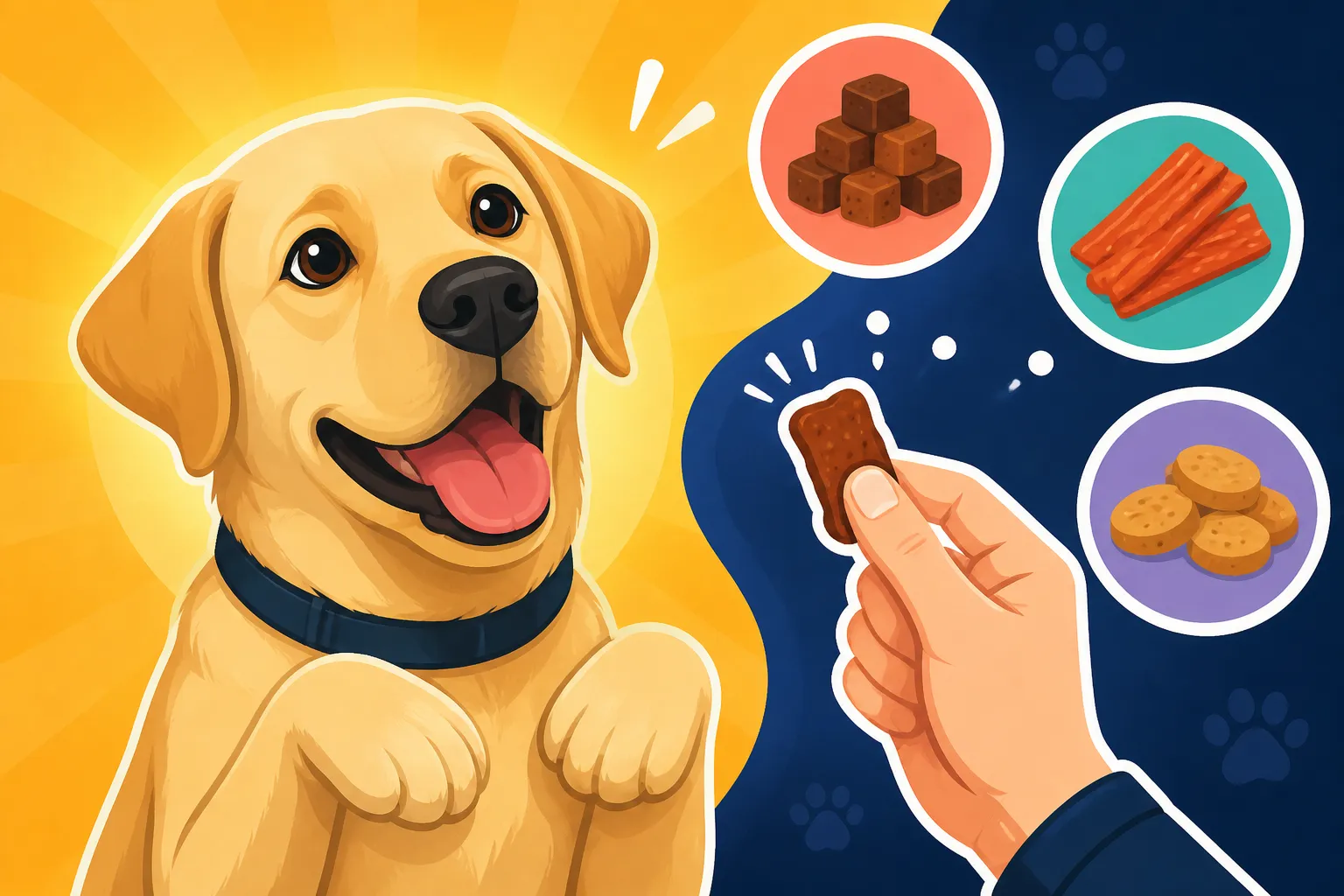
When you need something quick, reliable, and highly motivating, store-bought treats are your go-to. The key is to look for soft, smelly, and easily breakable options. Think soft jerky-style treats, freeze-dried meat, or specially formulated training bites.
Many brands offer soft, chewy training treats that come in small, convenient sizes. These are often packed with meat flavors like chicken, beef, or salmon, making them highly palatable and aromatic. Brands like Zuke's Mini Naturals or Wellness Soft Puppy Bites (even for adults!) are popular choices because they are small, moist, and dogs tend to love them. You can find a huge variety of these types of treats on platforms like Amazon, making it easy to experiment with different flavors and textures to see what your Lab responds to best. Remember to always check the ingredient list for quality and avoid anything with excessive artificial ingredients or corn/soy fillers if your dog has sensitivities.
For extra high-value, consider freeze-dried meat treats. These are typically single-ingredient (e.g., freeze-dried liver, chicken, or salmon), intensely flavorful, and have a unique crunchy-yet-crumbly texture that many Labs adore. They're excellent for really tough training scenarios because of their concentrated scent and taste. Another great option, especially if you're looking for guidance on using treats in conjunction with a full training program, might be products from companies like BAXTER & Bella, which often emphasize positive reinforcement and offer training-specific rewards. Just be mindful of the calorie density, as these can sometimes be richer than standard training treats.
DIY and Human Food Treats
Sometimes, the best motivators aren't found in a bag from the pet store but in your own kitchen! Human foods, when safe and prepared correctly, can be incredibly high-value for Labradors. Plus, you have complete control over the ingredients, ensuring no unwanted additives.
Boiled chicken breast, cut into tiny pieces, is often the gold standard for high-value human treats. It's lean, easily digestible, and dogs absolutely adore the smell and taste. Tiny cubes of cheese (cheddar, mozzarella, or string cheese work well) are another fantastic option, though use sparingly due to higher fat content. Small pieces of cooked lean beef or turkey can also be incredibly motivating. Remember, you're looking for tiny, potent bursts of flavor, not large chunks. When preparing these, avoid any seasonings, spices, or oils, as these can upset your dog's stomach.
Beyond meat and cheese, many fruits and vegetables are safe and healthy options. Carrots, green beans, apple slices (without seeds), and blueberries can be great low-calorie rewards, especially for maintenance training or for dogs on a weight management plan. Always check Human Foods Safe for a Labrador to ensure what you're offering is not toxic to dogs. For example, grapes, onions, and xylitol are highly dangerous and should never be given. The beauty of DIY treats is their freshness and often their strong, natural scent, which can be highly effective for a food-driven Lab.
When Kibble is Enough (or Not)
It might seem counterintuitive for a food-driven breed, but your Labrador's regular kibble can absolutely be a valuable training tool! For everyday obedience, practicing known commands in a low-distraction environment, or simply reinforcing calm behavior, using pieces of their daily meal as treats is smart and economical. This strategy helps manage their calorie intake while still providing positive reinforcement.
Many owners find that by portioning out a small amount of their Labrador's morning or evening kibble and using it exclusively for training throughout the day, their dog remains highly motivated. The key is how you present it and the energy you bring. Even plain kibble can become exciting if delivered with enthusiasm, a happy voice, and immediate timing. It also helps instill the idea that you are the source of all good things, including their regular meals.
However, there are times when kibble simply won't cut it. If you're in a highly stimulating environment, like a busy park with other dogs and tempting smells, or if you're trying to teach a particularly challenging new behavior, your Lab might "snub" their regular kibble. This is when you absolutely need to reach for those high-value, smelly, irresistible treats. Don't be discouraged if your dog turns up their nose at kibble in these situations; it's a clear signal that the value of the reward isn't high enough to compete with the distractions. That's your cue to level up your treat game!
Smart Treat Strategies for Effective Training
Having the right treats is only half the battle; knowing how to use them effectively is where the real magic happens. It's about more than just handing over a piece of food; it's about timing, delivery, and a gradual transition to ensure your Labrador remains motivated even as you reduce reliance on constant food rewards.
Timing and Delivery
In dog training, timing is everything. For a treat to be an effective reinforcer, it must be delivered within 1-3 seconds of the desired behavior. This incredibly narrow window is how your Labrador connects their action (e.g., sitting) with the reward (the treat). If you're too slow, they might associate the treat with something else entirely – standing up again, looking at a squirrel, or even just waiting patiently.
Practice quick draw! Have your treats readily accessible in a pouch or pocket. The moment your Labrador performs the desired action, mark the behavior with a verbal cue like "Yes!" or a clicker, and then immediately deliver the treat. For example, if you're teaching "sit," the second their bottom touches the ground, say "Yes!" and pop a treat into their mouth. This clear, consistent communication helps them learn rapidly.
Your delivery method also matters. Avoid simply tossing the treat and making your dog hunt for it, especially in early training. Instead, bring the treat directly to their mouth. This keeps their focus on you and reinforces the connection between their action, your cue, and the reward. As training progresses, you can introduce varied delivery, but for foundational learning, keep it close and swift.
Fading Food Rewards
While food is an incredible motivator for Labradors, the goal isn't for your dog to only perform if a treat is physically in front of them forever. The ultimate aim of positive reinforcement training is to "fade" the food reward, meaning you gradually reduce its frequency until the behavior is maintained by other forms of reinforcement, like praise, toys, or simply the satisfaction of doing the job. You can learn more about this process in Fading Food Rewards With a Labrador.
Start by rewarding every single correct response (continuous reinforcement). Once your Labrador is consistently performing the behavior, begin to introduce intermittent reinforcement. This means rewarding only some of the correct responses, but not all. For example, if they sit perfectly five times, reward the first, third, and fifth. This actually makes the behavior stronger and more resistant to extinction because your dog learns that a reward might be coming, so it's always worth trying.
As your Lab masters the behavior, you can increase the intervals between food rewards, replacing them with enthusiastic praise, a quick pat, or the opportunity to play with a favorite toy. The final stage is when the behavior becomes intrinsically rewarding, or it's reinforced by "real-life rewards" – like sitting patiently to get their leash put on for a walk. Food remains a fantastic tool for proofing behaviors in new environments or reteaching something that's gotten rusty, but it doesn't need to be present for every single cue.
Troubleshooting a Picky (or Over-Excited) Lab
Even with their legendary food drive, you might encounter a Labrador who seems "picky" or, conversely, becomes too excited by treats. These situations require a slightly different approach.
If your Labrador seems picky, especially in a new or distracting environment, it's usually not pickiness at all. It means the value of the treat you're offering isn't high enough to compete with whatever else is going on. Re-evaluate your high-value options. Is your "high-value" treat actually their high-value treat? Experiment with new smells and textures. Try tiny bits of cooked salmon, liverwurst, or a smear of peanut butter (xylitol-free, of course) on a spoon. Sometimes, the novelty of a completely different type of treat can unlock their motivation. If your dog is consistently turning down even the best treats, it's worth a vet check to rule out any underlying health issues.
On the other end of the spectrum, some Labradors get so amped up by high-value treats that they become over-excited, jumpy, or even mouthy, making training difficult. In these cases, it's important to manage their arousal. Use smaller, less stimulating treats initially, perhaps starting with their kibble in a calm environment. Focus on calm delivery – don't hype them up with your voice. You can also teach a "zen" exercise where your dog learns to calmly take a treat from your open hand, waiting for your permission cue. If the over-excitement is extreme, try using a slightly lower-value treat that still motivates them but doesn't send them into a frenzy. Sometimes, a quick game of fetch (for a retrieve-driven Lab) can be a better reward than food for certain behaviors. The key is to find that sweet spot where they are motivated and focused, but not overwhelmed.
| Treat Category | Examples | Value Level (Typical) | Best For | Calorie Consideration | Notes |
|---|---|---|---|---|---|
| Kibble | Regular dog food | Low | Everyday training, known commands, calm settings | Low (when portioned) | Excellent for managing weight; use daily food allowance. |
| Dog Biscuits/Crunchy | Hard, dry biscuits | Low-Medium | Maintenance, occasional rewards | Medium | Slower to eat, less aromatic. |
| Soft Training Bites | Zuke's Mini Naturals, Wellness Bites | Medium-High | New behaviors, moderate distractions, fast rewards | Low-Medium | Easy to chew, often small and flavorful. Check Amazon for variety. |
| Freeze-Dried Meat | Liver, chicken, salmon | High-Very High | Challenging behaviors, high distractions | Medium-High | Intense aroma, single-ingredient usually, highly palatable. |
| Cooked Meats | Boiled chicken, lean beef, hot dogs | Very High | Advanced training, strong distractions, emergency recall | Medium-High | Cut into tiny pieces, no seasonings; can be DIY or bought. |
| Cheese | Cheddar, string cheese | Very High | Similar to cooked meats; strong scent | High | Use sparingly due to fat content. |
| Vegetables/Fruits | Carrots, green beans, blueberries | Low-Medium | Healthy alternative, low-calorie, general rewards | Very Low | Safe options only; great for weight management. |
Disclaimer
This article is for general informational purposes only and does not constitute professional advice. Laws, prices and regulations vary by location and change over time. Consult a qualified professional for guidance on your specific situation.