What Not to Do When a Labrador Puppy Bites
There’s nothing quite like the joy and chaos a new Labrador puppy brings into your home. Their wagging tails, boundless energy, and those adorable puppy eyes can melt anyone's heart. But then, there's the biting. Oh, the biting! Those sharp little needle teeth can turn cuddles into painful skirmishes, leaving you with scratched hands and frayed nerves, wondering if you've adopted a tiny shark instead of a sweet retriever. If you're struggling with a persistent puppy nibbler and unsure how to handle it, you're in the right place. This guide will walk you through the common mistakes owners make when their Labrador puppy bites, helping you understand what not to do, and steer you towards more effective, positive solutions.
Understanding Why Your Labrador Puppy Bites
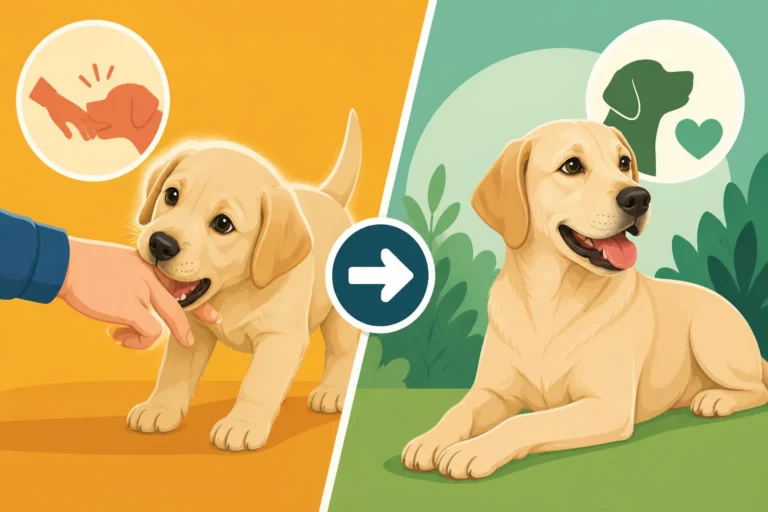
Before we dive into the "don'ts," it's absolutely vital to grasp the "why" behind your Labrador's puppy biting. This isn't usually an act of malice or aggression, but rather a completely normal, instinctual behavior for young canines. Understanding this context can shift your perspective from frustration to empathy, which is key for effective training.
The Teething Process
Just like human babies, Labrador puppies go through an uncomfortable teething phase. Those tiny, razor-sharp puppy teeth erupt between 3-6 weeks of age, and then those same teeth start falling out to make way for adult teeth around 3-4 months old, continuing until about 6-7 months. During this period, your puppy's gums can be sore and itchy, and chewing on anything and everything provides much-needed relief. Your hands, feet, furniture, and anything else within reach become prime targets for their experimental chomping. This isn't them being naughty; it's them trying to soothe an uncomfortable sensation.
Imagine having a dull ache in your mouth that only feels better when you apply pressure. That's essentially what your puppy is experiencing. They don't yet understand that your skin is delicate or that your favorite leather shoes aren't giant chew toys. Their instinct is simply to bite and gnaw to alleviate their discomfort. Recognizing this biological drive is the first step in addressing the behavior constructively. You might even notice that during certain times of the day, or after waking from a nap, the need to mouth and bite seems more intense. This often correlates with their teething discomfort peaking.
Instinctive Play and Exploration
Puppies learn about the world through their mouths. It's how they explore textures, understand their environment, and interact with littermates. When playing with their siblings, puppies learn "bite inhibition." If one puppy bites another too hard, the bitten puppy will yelp, and play will momentarily stop. This teaches the biter to moderate the pressure of their jaws. Your puppy comes to you without this refined skill, and it's your job to teach them.
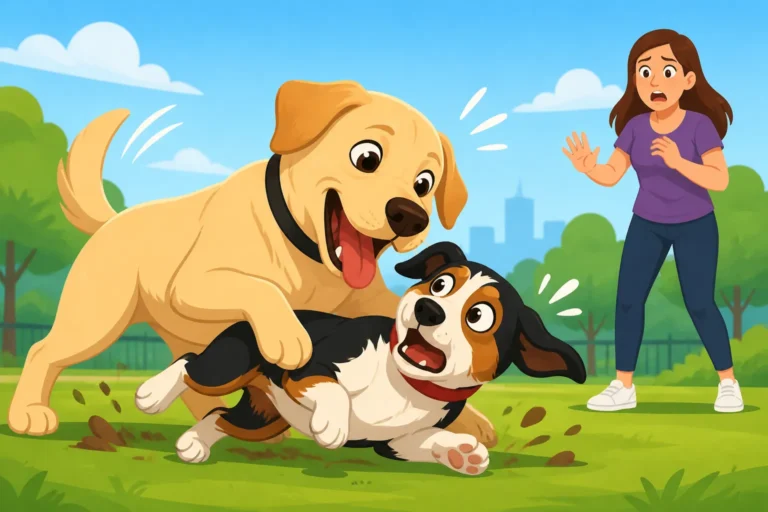
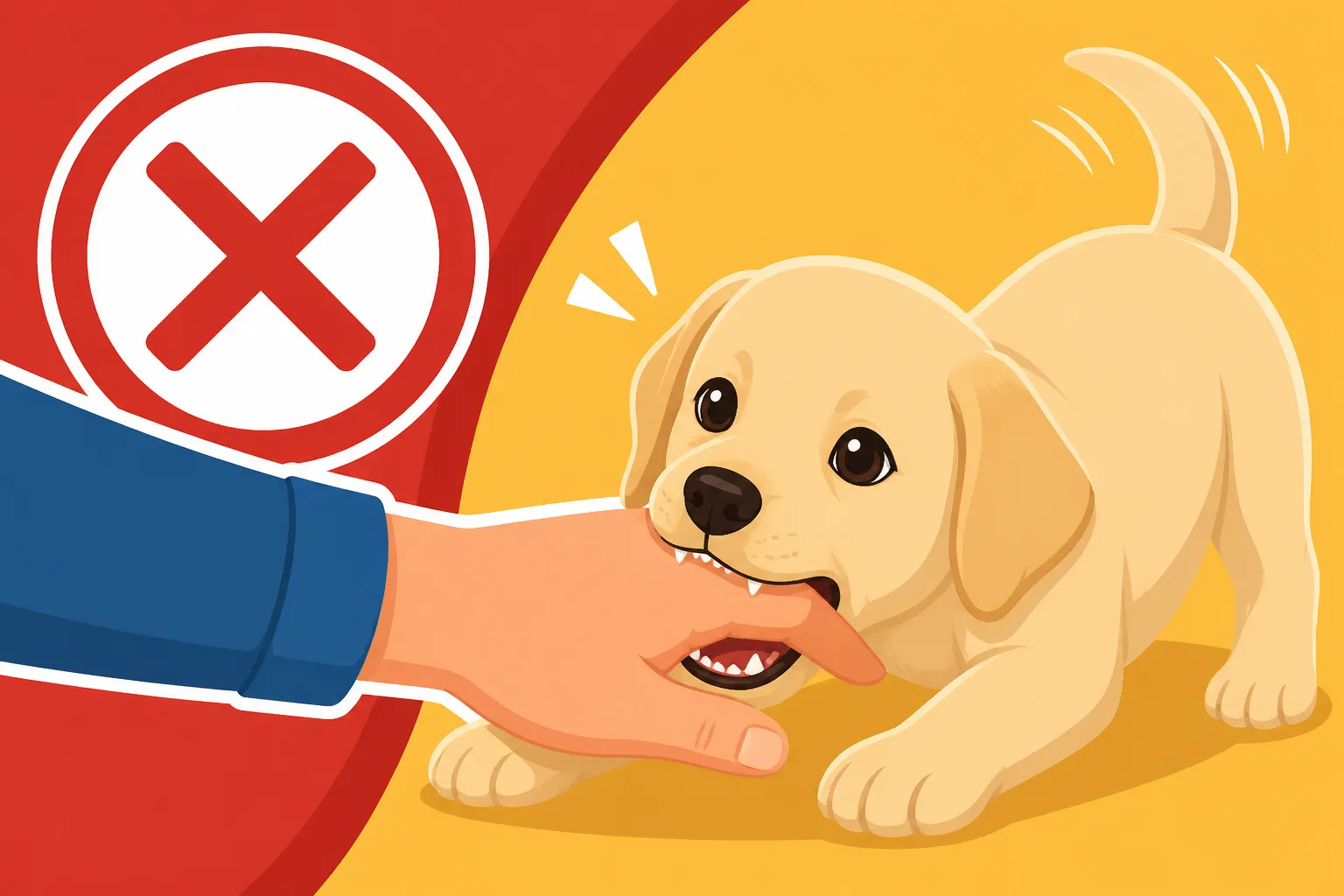
When your Labrador puppy mouths your hands, they might simply be trying to play in the only way they know how. It’s their way of initiating interaction, much like they would with another puppy. They haven't yet learned that human skin is far more sensitive than a sibling's fur. This type of biting is often accompanied by playful body language – a bouncy stance, a wagging tail, or a play bow. They're not trying to hurt you; they're trying to engage you in a game. It's crucial not to misinterpret these playful nips as aggression, as that can lead to inappropriate and damaging reactions from us. This exploratory biting also helps them develop jaw strength and coordination, which is natural and important, but needs to be directed appropriately. You can read more about this natural behavior in Why Labrador Puppy Bites Hands and Sleeves.
Seeking Attention
Sometimes, your Labrador puppy's biting is a clever, albeit irritating, tactic to get your attention. Let's be honest, even negative attention is still attention, right? If your puppy is feeling bored, under-exercised, or just wants to play, and they've learned that a nip on the ankle or a chew on your hand reliably gets a reaction from you – a gasp, a shout, or even just you moving – then they've found a successful strategy.
This is especially true if you tend to ignore them when they're quiet but react immediately when those little teeth make contact. They're smart, and they quickly connect the action (biting) with the outcome (your attention). Breaking this cycle requires a conscious effort to redirect and reward appropriate behaviors while minimizing the payoff for unwanted ones. This kind of attention-seeking often happens when you're busy, perhaps on the phone, working on your computer, or just trying to relax on the couch. The puppy feels overlooked, and a quick nip becomes their loudest plea for engagement.
Counterproductive Responses to Labrador Puppy Biting
Now that we understand why your puppy bites, let’s talk about the common reactions that, despite our best intentions, actually make the problem worse. These are the "don'ts" that can inadvertently reinforce the very behavior you’re trying to stop, or worse, damage your relationship with your beloved Labrador.
Physical Punishment or Scolding
It's natural to react with a frustrated "No!" or to even give a little tap when your puppy's teeth clamp down too hard. However, physical punishment, such as hitting your puppy on the nose or swatting them, is incredibly counterproductive. Not only can it damage the bond of trust you're trying to build, but it can also teach your puppy to fear your hands. Instead of learning not to bite, they learn that human hands are scary and unpredictable. This can lead to a puppy who avoids interaction or, in some cases, becomes more defensive and bites harder out of fear.
Harsh scolding, loud shouts, or using a dominant tone can have similar negative effects. While a firm, short "Ah-ah!" can interrupt a behavior, prolonged yelling or angry outbursts can simply overwhelm a puppy. They might become confused, shut down, or even learn to associate your presence with negativity. Remember, your puppy is trying to communicate, and your role is to guide them, not to intimidate them. A Labrador is a sensitive soul, despite their robust build, and they respond much better to clear, calm direction than to fear. Punishing them doesn't teach them what to do, only what not to do, often with negative emotional baggage attached.
Pulling Away Hands or Yelping Too Much
This might sound counter-intuitive, as many trainers advocate a sharp "yelp" to mimic a littermate's reaction. And yes, a single, sharp "ouch!" or "yipe!" can be effective for teaching bite inhibition by signaling that the bite was too hard. However, overdoing the yelping or dramatically pulling your hands away can actually turn it into a fun game for some Lab puppies. They might see your sudden movement and high-pitched sound as an exciting invitation to play harder and chase your hands more vigorously.
For some puppies, especially those with a strong prey drive, the quick movement of your hand can mimic a fleeing animal, triggering their instinct to chase and grab. Instead of teaching them to stop, you're inadvertently making your hands even more enticing targets. It's a delicate balance: a quick, firm, single vocalization is fine, but sustained yelping or rapid movements should be avoided if you notice they are energizing your puppy rather than startling them. The goal is to make the interaction less fun, not more.
Ignoring It Completely (The Wrong Way)
While it's important not to give your puppy the wrong kind of attention, completely ignoring intense biting is often not the answer. Simply trying to push through the pain or hoping they'll grow out of it can be dangerous, especially as those puppy teeth become even stronger. A puppy who learns that their biting gets no reaction might escalate the behavior, biting harder and more persistently to get a rise out of you. This can also lead to larger behavioral issues down the line, as they never truly learn the boundaries of acceptable interaction.
"Ignoring it completely" works best when it's part of a structured approach, like immediately ending playtime and walking away (a "reverse time-out"), rather than simply enduring the nips. If you're just sitting there, letting your puppy chew on your arm because you've been told to "ignore it," you're not actually training them. You're teaching them that your arm is a suitable chew toy. It's about removing the reward (your attention, your presence, the game) the instant the unwanted behavior occurs, not just passively letting it happen.
Using Ineffective or Harmful Deterrents
You might see advice online or hear from well-meaning friends about using bitter apple spray, unpleasant tastes, or even water bottles to deter biting. While bitter sprays can sometimes work on objects, they are rarely effective on hands, and can make your puppy wary of your touch. Spraying your puppy with water can be frightening and again, can damage trust. These methods often address the symptom (the biting) without teaching the underlying lesson (bite inhibition and appropriate chewing).
Furthermore, some deterrents can be harmful. Never use anything that could be toxic or cause your puppy distress. The goal is to teach, not to punish or scare. The puppy won't understand why they're being sprayed or made to taste something awful; they'll just associate it with you, or with hands generally, in a negative way. The aim is to build a positive relationship based on clear communication and trust, not one built on avoiding unpleasant sensations. A much better approach is to provide attractive, appropriate alternatives, making your hands boring and the toys exciting. Brands like Amazon offer a vast selection of safe and appropriate chew toys perfect for redirecting your puppy's biting energy.
What to Do Instead: Effective Puppy Bite Inhibition
Now that we've covered what not to do, let's talk about the strategies that actually work. These methods focus on positive reinforcement, clear communication, and redirecting your Labrador's natural instincts into appropriate channels.
Redirection with Appropriate Chew Toys
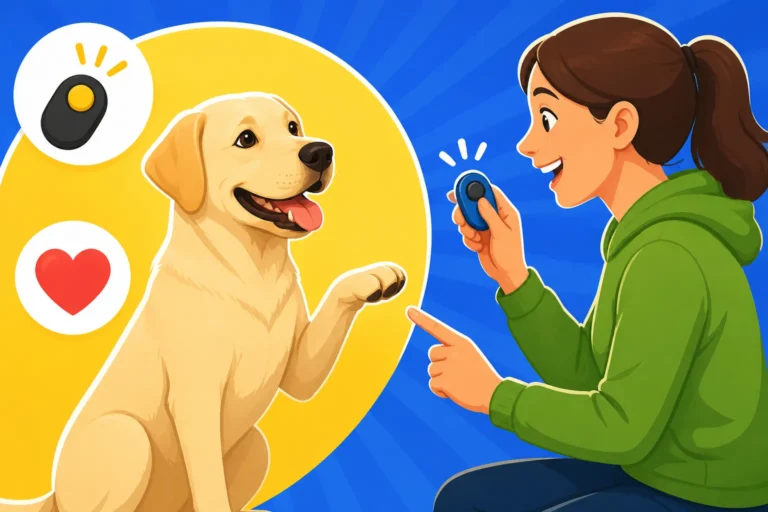
This is perhaps the most effective tool in your puppy biting arsenal. The moment those sharp teeth make contact with your skin, immediately offer an appropriate chew toy. Keep a variety of enticing toys readily available in every room your puppy spends time in. When your puppy bites you, let out a single, sharp "ouch!" (if they respond positively to it), then immediately present a toy. If they take the toy, praise them enthusiastically! This teaches them that biting you makes play stop, but chewing on the toy gets them praise and continues the fun.
Consistency is key here. Every single time your puppy’s teeth touch your skin, redirect them. This helps them understand the boundary. Ensure the toys are durable and safe for Labradors. Consider toys with different textures – rubber, rope, or Nylabones – to satisfy their varied chewing needs. Rotating toys can also keep them interesting. When their teething is in full swing, frozen Kongs or specific Toys That Satisfy a Teething Labrador can provide immense relief and keep their mouths busy in a constructive way.
Consistent Training and Time-Outs
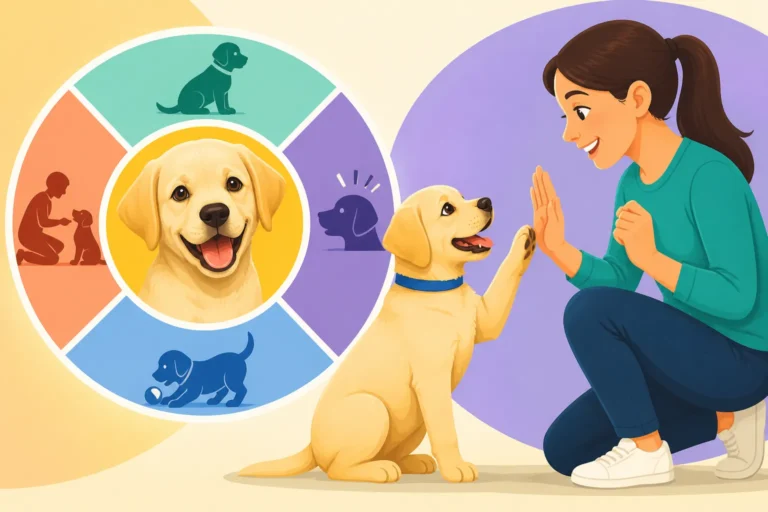
Alongside redirection, consistent training is paramount. Teach your puppy basic commands like "sit" or "down" and reward them when they offer these behaviors instead of biting. This helps them learn impulse control. When a puppy bite is too hard or persistent despite redirection, a "reverse time-out" can be highly effective. This means you leave the situation.
If your puppy nips, stand up, turn your back, and calmly walk away for 30-60 seconds. If they follow and continue to nip, you can step out of the room entirely, closing a baby gate or door behind you. This teaches them that biting makes all the fun (you!) disappear. As soon as you re-enter and they are calm, praise them and resume play. If the biting starts again, repeat the time-out. They will quickly learn that gentle play keeps you engaged, while biting makes you vanish. Many online puppy training programs, such as those offered by BAXTER & Bella, can guide you through these structured training techniques, providing a consistent curriculum for teaching bite inhibition and other foundational skills.
Structured Play and Socialization
Ensuring your Labrador puppy gets plenty of appropriate exercise and mental stimulation can significantly reduce unwanted biting. A tired puppy is a good puppy! Engage them in structured play sessions with appropriate toys, focusing on games like fetch rather than wrestling with your hands. Tug-of-war is fine, but always have rules: the game stops if their teeth touch your skin, and they must "drop it" on command.
Socialization also plays a crucial role. Exposing your puppy to a variety of safe environments, people, and other well-behaved dogs can help them learn appropriate social manners, including bite inhibition from their peers. Puppy classes are excellent for this, providing controlled interactions and expert guidance. A well-socialized puppy is generally more confident and less likely to resort to frustrated nipping. Remember to prioritize quality over quantity when it comes to interaction; just a few Short Training Sessions That Suit a Labrador throughout the day can make a big difference.
When to Seek Professional Help
While puppy biting is normal, there are times when it can escalate beyond typical puppy behavior, requiring additional intervention. Knowing when to seek professional help can prevent small issues from becoming major challenges down the road.
Recognizing Problematic Biting
Most puppy biting, even if intense, is rooted in play, exploration, or teething. However, if your Labrador puppy's biting seems unusually aggressive, involves growling or snarling, or is difficult to interrupt, it might be more than just puppy shenanigans. If the biting is causing significant injury, drawing blood repeatedly, or is directed at children or other pets in a genuinely aggressive manner, these are red flags. Another sign for concern is if the biting doesn't seem to improve with consistent positive reinforcement and redirection, or if it appears to be driven by fear or anxiety rather than play.
It's also important to consider the context. A puppy playfully nipping your hand during a game is one thing; a puppy guarding its food or toys with snarls and bites is another. Pay close attention to their body language leading up to and during the bite. Is their body relaxed and wiggly, or stiff and tense? Understanding these subtle cues can help you differentiate between normal puppy behavior and something that might need more specialized attention. If you're struggling to understand your Labrador's cues, referring to resources like Reading Pain in a Stoic Labrador can help you interpret their body language better, even if their pain isn't the primary cause of biting.
Consulting a Professional Trainer or Behaviorist
If you've consistently applied the positive redirection and time-out techniques, but your Labrador's biting isn't improving, or if you're seeing those red flags mentioned above, it's definitely time to bring in a professional. A certified professional dog trainer or a veterinary behaviorist can assess your puppy's individual situation, identify any underlying issues, and develop a customized training plan. They can observe your interactions, pinpoint where miscommunication might be happening, and provide hands-on guidance.
Don't hesitate to seek help. Early intervention is always best when it comes to behavioral issues. A good trainer will use positive, force-free methods and empower you with the tools and confidence to work with your puppy effectively. They can also help rule out any medical conditions that might be contributing to the behavior. Investing in a professional now can save you a lot of heartache (and scratched skin) in the future. Many trainers offer virtual consultations, making expert advice more accessible regardless of your location. You might find a good starting point by researching Choosing a Trainer for a Labrador to ensure you find someone reputable and effective.
Do's and Don'ts of Labrador Puppy Biting
To wrap things up, here's a quick reference table summarizing the key takeaways for managing your Labrador puppy's biting habits.
| What NOT to Do | What TO Do Instead |
|---|---|
| Physical Punishment/Scolding | Use clear, calm verbal interrupters ("Ah-ah!") |
| Pulling Hands Away Wildly/Excessive Yelping | A single, sharp "ouch!" then freeze movement |
| Ignoring All Biting | Implement "reverse time-outs" (you leave the room) |
| Using Harsh or Scary Deterrents | Redirect to appropriate, appealing chew toys |
| Allowing Mouth Contact on Skin | Consistently enforce "mouths on toys, not skin" |
| Forgetting Consistency | Ensure everyone in the household follows the rules |
| Neglecting Exercise/Mental Stimulation | Provide plenty of exercise and puzzle toys |
Bringing home a Labrador puppy is a commitment to guide them through their developmental stages, and that includes teaching them appropriate ways to use their mouths. Remember that puppy biting, while frustrating, is a phase. With patience, consistency, and the right approach, your Labrador will learn good bite inhibition and grow into a wonderful, gentle companion. It takes time, yes, but every effort you put in now will be worth it for the years of joy your well-mannered Labrador will bring. Stay consistent, stay positive, and you'll navigate this puppy stage like a pro!
Disclaimer
This article is for general informational purposes only and does not constitute professional advice. Laws, prices and regulations vary by location and change over time. Consult a qualified professional for guidance on your specific situation.