When a Labrador Plays Too Rough at the Park
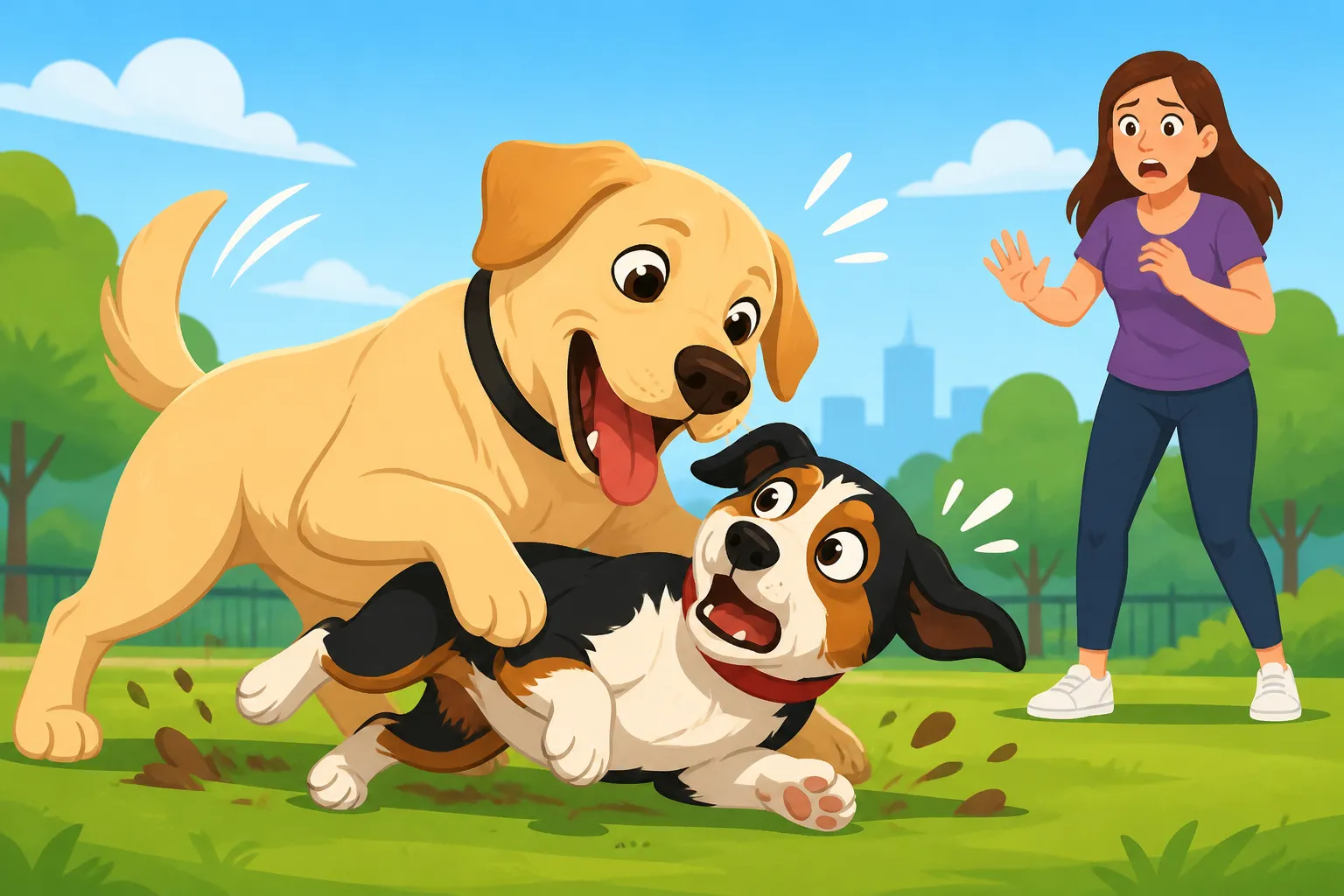
It's a familiar scenario: you take your beloved Labrador to the dog park, hoping for a fun, energetic romp, only to find their enthusiastic play quickly escalates into something a little too much, making other dog owners nervous and you, frankly, a bit mortified. This guide is here to help you understand why your Labrador might play too rough, how to recognize the signs, and most importantly, equip you with practical strategies and training tips to ensure park visits are enjoyable and safe for everyone involved.
Decoding Rough Play in Labradors
Before we can address the problem, we need to understand what "rough play" truly means, especially coming from a Labrador. For a breed known for its boundless energy and playful nature, the line between boisterous fun and genuinely problematic behavior can sometimes feel blurry. Often, what looks like aggression from a distance is actually an over-aroused Labrador who simply hasn't learned the nuances of polite canine conversation.
The Labrador's Natural Play Style
Labradors, at their core, are powerful, athletic dogs bred for demanding work. They love to run, chase, mouth, and retrieve. Their play can involve a lot of body slamming, open-mouthed wrestling (which often looks scarier than it is), and persistent chasing. This isn't inherently bad; many dogs enjoy this robust style of interaction. The issue arises when their intensity overwhelms smaller, more sensitive, or less tolerant dogs. Their sheer size and strength can make even a well-intentioned nudge feel like a shove to a terrier or a greyhound. They often lack a "stop" button when they get going, which can lead to other dogs feeling trapped or harassed.
Think about it from your Labrador's perspective: they might genuinely think they're having the time of their life, full-body tackling another dog in a game of chase, completely oblivious to the other dog's subtle signals of discomfort. They're not being malicious; they're just being Labrador, often with underdeveloped social skills. This can be especially true for younger Labs going through Labrador Adolescence, where their brains are still catching up to their bodies.
Distinguishing Enthusiastic Play From Aggression
It’s crucial to differentiate between boisterous play and true aggression. While a Labrador's rough play might appear intimidating, it usually lacks the underlying intent to harm that characterizes aggression.
- Play Bows: A classic sign of play is the "play bow," where a dog lowers their front end to the ground while keeping their rear end up, often wagging their tail. This is an invitation to play.
- Reciprocal Engagement: True play is usually reciprocal. Both dogs take turns chasing, wrestling, and initiating interaction. If only one dog is doing all the "rough" stuff, and the other is constantly trying to disengage or hide, it's no longer fair play.
- Loose Body Language: During play, dogs generally have loose, fluid body movements. Their tails might wag in a wide arc, their mouths might be open in a "play face," and their eyes will be soft. Stiff bodies, tucked tails, growling with hackles raised, or prolonged staring are red flags.
- Self-Handicapping: In healthy play, larger, stronger dogs often "self-handicap," meaning they intentionally hold back their full strength or speed to match a smaller or weaker playmate. If your Labrador is constantly barreling over smaller dogs without tempering their force, they're not self-handicapping.
If you're ever in doubt, err on the side of caution. It's always better to intervene and remove your Labrador from a questionable interaction than to risk a genuine incident. The emotional distress and potential physical harm to another dog, not to mention the stress on you, isn't worth it.
Recognizing Triggers and Early Warning Signs
Being proactive is key when managing a Labrador prone to rough play. Learning to identify the situations that trigger their over-exuberance and spotting the early signs that things are about to go sideways can help you intervene before any real problems begin. Many times, our Labs give us little hints, but we miss them in the hustle and bustle of a busy dog park.
Common Triggers for Over-Arousal
Dog parks are chaotic environments, full of sights, sounds, and smells that can easily push a high-energy Labrador over the edge. Understanding what revs up your Lab can help you anticipate and prevent issues.
- Too Many Dogs: A park packed with dogs can be overwhelming. The sheer number of play invitations and competing energies can make it impossible for your Labrador to regulate their own excitement levels. What starts as fun with a couple of friends can quickly become a free-for-all in a larger group, where individual social cues get lost.
- Specific Play Styles: Some dogs naturally have a more gentle play style, while others are rough-and-tumble. If your Labrador is constantly drawn to the wrestling group and escalates quickly, or if they repeatedly target a dog who clearly doesn't enjoy their intense body slams, you've found a trigger. Sometimes, it's a specific breed that ignites your Lab's inner beast – perhaps another retriever who matches their energy, or a herding dog who tries to "herd" your Lab, leading to an over-the-top chase.
- Handler Distraction: Let's be honest, it's easy to get caught up chatting with other owners, scrolling on your phone, or simply admiring the general chaos. But when you're not actively supervising, your Labrador can lose focus and push boundaries. They might interpret your distraction as a lack of guidance, feeling free to engage however they please, leading to bad habits forming unnoticed.
- Cumulative Stress/Fatigue: Even though Labradors seem tireless, an overly long park visit or a day full of other activities (a long walk, a training session) can lead to a tired, cranky dog who is less tolerant and more likely to snap or play too hard out of sheer overstimulation. Just like kids, dogs can get "hangry" or "over-tired" and throw a tantrum.
Reading Your Labrador's Body Language
Your Labrador is constantly communicating, even if it's not in words. Learning to read their cues is vital for managing their park behavior.
- Stiffening Body: Before they charge in, you might notice your Labrador's body stiffen slightly, their tail might go high and rigid, or their hackles (the fur along their spine) might raise. This isn't always aggression, but it signals arousal and potential escalation.
- Hard Stare: A prolonged, unblinking stare at another dog can indicate intensity and a lack of social politeness. This is different from a quick glance during play.
- Ignoring Recalls/Commands: When your Labrador is completely tuned out and ignoring your calls or cues, they're likely too over-aroused to listen. This is a critical sign that they're past the point of being manageable in the current situation.
- Excessive Barking/Growling: While play growls are normal, pay attention to the tone. A high-pitched, frantic bark or a low, rumbling growl combined with stiff body language should not be ignored.
- Nipping/Mouthiness Beyond Play: Labradors are naturally mouthy, but if their mouthing turns into persistent nipping at another dog's flanks or ears, especially if the other dog is yelping or trying to get away, it's gone too far. This could be a sign of poor bite inhibition or an attempt to control the other dog.
| Early Warning Sign | What it Looks Like | What it Means | Action to Take |
|---|---|---|---|
| Stiff Body/Tail High | Lab's posture becomes rigid, tail held stiffly or high | Increasing arousal, focus, potential escalation | Redirect, call away, leash briefly |
| Hard Stare | Fixed, unblinking gaze at another dog | Intense focus, challenging, or over-arousal | Break eye contact, move your dog, interrupt |
| Ignoring Cues | Doesn't respond to name, "come," "leave it" | Too over-stimulated to process commands | Physically intervene, remove from situation |
| Targeted Chasing | Repeatedly pursuing one specific dog, no reciprocity | Harassment, poor social skills, lack of turn-taking | Leash and leave, or use a long line for control |
| Persistent Mounting | Attempting to mount other dogs | Over-arousal, dominance attempt, or poor manners | Immediately interrupt and redirect, or leave |
Understanding these cues is your superpower. It allows you to step in before the situation spirals out of control, protecting your Labrador and building a more positive experience for everyone.
Strategies for Managing Rough Play at the Park
So, you've identified the triggers and you're getting better at reading your Labrador's body language. Now what? The good news is there are plenty of practical strategies you can employ to manage and mitigate rough play. It's all about being prepared, proactive, and consistent.
Pre-Park Prep and Controlled Entry
Don't just open the car door and unleash the beast! A little preparation can go a long way in setting your Labrador up for success at the dog park.
- Tire Them Out (A Little): A fully pent-up Labrador is a ticking time bomb. Before heading to the park, engage in some strenuous exercise, like a brisk walk around the neighborhood, a game of fetch in the yard, or even some focused Retrieving Games That Tire a Labrador. The goal isn't to exhaust them completely, but to take the edge off their initial burst of energy so they enter the park in a calmer, more receptive state. A Labrador with less raw energy might be less likely to become over-aroused.
- Structured Arrival: When you arrive at the park, don't let your Labrador bolt out of the car. Practice a calm entry. Keep them on leash, walk them around the perimeter for a few minutes to observe the existing dog dynamics. If it looks too busy, or there's a particularly boisterous dog dominating play, consider waiting or finding a quieter area. Let them "check in" with you, perhaps by asking for a "sit" or "watch me" before releasing them to play. This reinforces your leadership and helps them transition from "travel mode" to "play mode" with some mental composure.
- Bring Appropriate Toys: If your Labrador has a tendency to get over-focused on other dogs, bringing a high-value toy can sometimes provide a healthy outlet for their retrieving drive. Think a durable rubber ball or a favorite disc. Make sure it's something they're keen on and that won't cause resource guarding issues with other dogs. Always be ready to put it away if it becomes a point of contention. You can find excellent durable options on sites like Amazon.
Active Supervision and Intervention Techniques
Your presence at the dog park should be more than just a body standing nearby; you need to be an active participant in managing your dog's interactions.
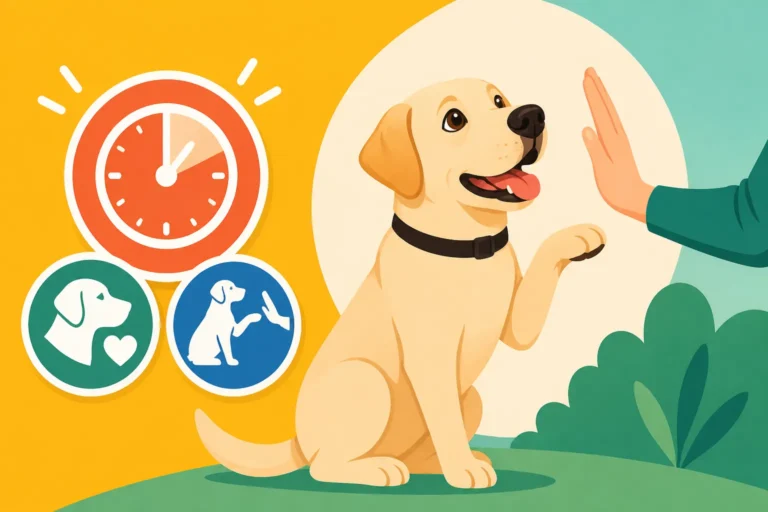
- Keep Sessions Short: For Labradors prone to over-arousal, shorter, more frequent park visits might be better than one long, extended session. Once you notice their play escalating or their focus starting to wane, it's time to go. It's better to end on a good note than wait for trouble to brew. Perhaps 15-20 minutes of intense play is their limit before they become "that dog."
- Interrupt and Redirect: If you see your Labrador starting to get too rough, don't wait for another owner to complain. Call them away from the situation. Ask for a "sit," a "down," or a "touch" command. Reward them heavily for disengaging. This isn't punishment; it's teaching them that checking in with you and pausing is rewarding. If they're too revved up to listen, gently guide them away by their collar and have a quiet moment on the edge of the park.
- Leash Time-Outs: Sometimes, a brief leash time-out is necessary. If your Labrador isn't responding to verbal cues, clip their leash on and walk them quietly away from the main action for a few minutes. Let them calm down, focus on you, and then, if appropriate, allow them to rejoin play. This teaches them that calm behavior earns them access to play, while frantic behavior leads to a pause.
- When in Doubt, Leave: This is perhaps the most important rule. If you feel uncomfortable, if another dog owner is giving you dirty looks, if your Labrador is consistently ignoring warnings, or if the overall atmosphere feels tense, it's okay to pack up and leave. There's no shame in protecting your dog and others by removing yourself from a potentially negative situation. Sometimes, the park simply isn't a good fit that day.
Long-Term Training and Socialization Solutions
Managing immediate situations is important, but for lasting change, you need to invest in your Labrador's training and continued socialization. This isn't a quick fix, but a commitment to shaping a well-mannered canine citizen.
Building Impulse Control and Recall
Many instances of rough play stem from a lack of impulse control and a shaky recall. Your Labrador needs to understand that your voice means something, even when surrounded by exciting distractions.
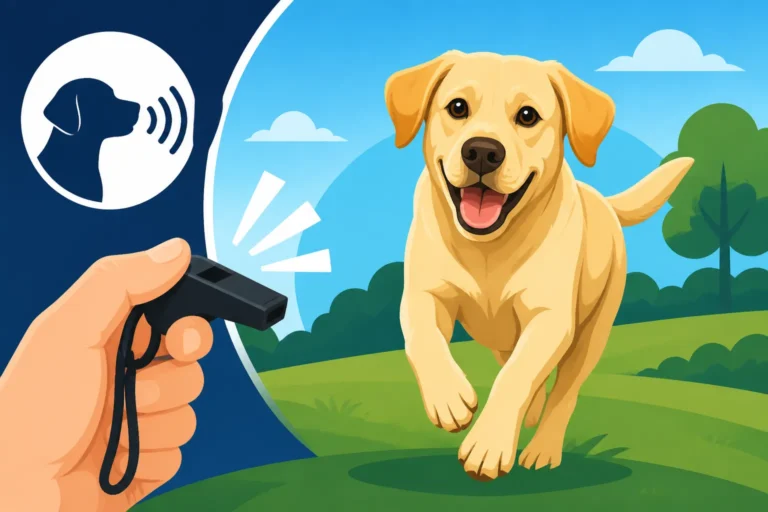
- Reliable Recall: This is your number one safety tool. Practice recall in various environments, starting with low-distraction areas and gradually increasing the challenge. Use high-value treats and enthusiastic praise. A long line can be an invaluable tool for practicing recall in open spaces, giving your Labrador freedom while still allowing you to intervene. You can find excellent quality long lines on Amazon. A great resource for building a reliable recall from scratch is to check out guides like Building a Labrador's Recall From Scratch.
- "Leave It" and "Drop It": These commands are crucial for preventing your Labrador from engaging in unwanted play or grabbing something inappropriate. Practice them consistently at home, then introduce them in increasingly distracting environments.
- Boundary Training: Teach your Labrador a "place" command or to stay on a mat. This helps build self-control and provides a designated spot for them to calm down. Even at the dog park, you can practice short "stays" or "sits" on a blanket you bring, reinforcing the idea of a calm, stationary behavior amidst excitement.
- Structured Training Programs: If you're struggling, consider enrolling in a good obedience class or working with a professional trainer. They can help you identify specific issues and provide tailored exercises. Platforms like BAXTER & Bella offer online resources and courses that can guide you through these fundamental obedience skills from the comfort of your home, reinforcing good manners before you even step foot in a busy park.
Intentional Socialization and Play Dates
Not all socialization is created equal. Simply throwing your Labrador into a free-for-all isn't always beneficial and can, in fact, reinforce bad habits.
- Quality Over Quantity: Focus on controlled, positive interactions rather than simply letting your dog interact with every dog they see. Seek out play dates with known, well-mannered dogs who enjoy a similar play style, but also respect boundaries. Observe how these dogs interact and use them as models for your Labrador.
- Diverse Experiences: Expose your Labrador to different types of dogs (different sizes, breeds, energy levels) in neutral, controlled settings. This helps them learn to adjust their play style. However, always prioritize safety and comfort for all dogs involved.
- Supervised Puppy Play: If you have a puppy, Puppy Class Is Worth It for a Labrador because it provides invaluable, supervised play opportunities where puppies learn appropriate social cues from each other and from the instructors. This early learning is critical in preventing rough play habits from forming.
- Discriminate Your Park Visits: Not every dog park, or every time at the dog park, will be ideal. If you consistently find your Labrador struggling with the dynamics at a particular park, or during specific busy hours, find alternatives. Maybe a quieter park, a large field where you can play fetch, or even just long, engaging walks in nature.
Ultimately, preventing your Labrador from playing too rough at the park is about understanding their natural instincts, providing clear guidance, and consistently reinforcing polite manners. It's a journey, not a destination, and with patience and consistent effort, you can help your boisterous Labrador become a well-loved and welcome visitor at any dog park.
Disclaimer
This article is for general informational purposes only and does not constitute professional advice. Laws, prices and regulations vary by location and change over time. Consult a qualified professional for guidance on your specific situation.