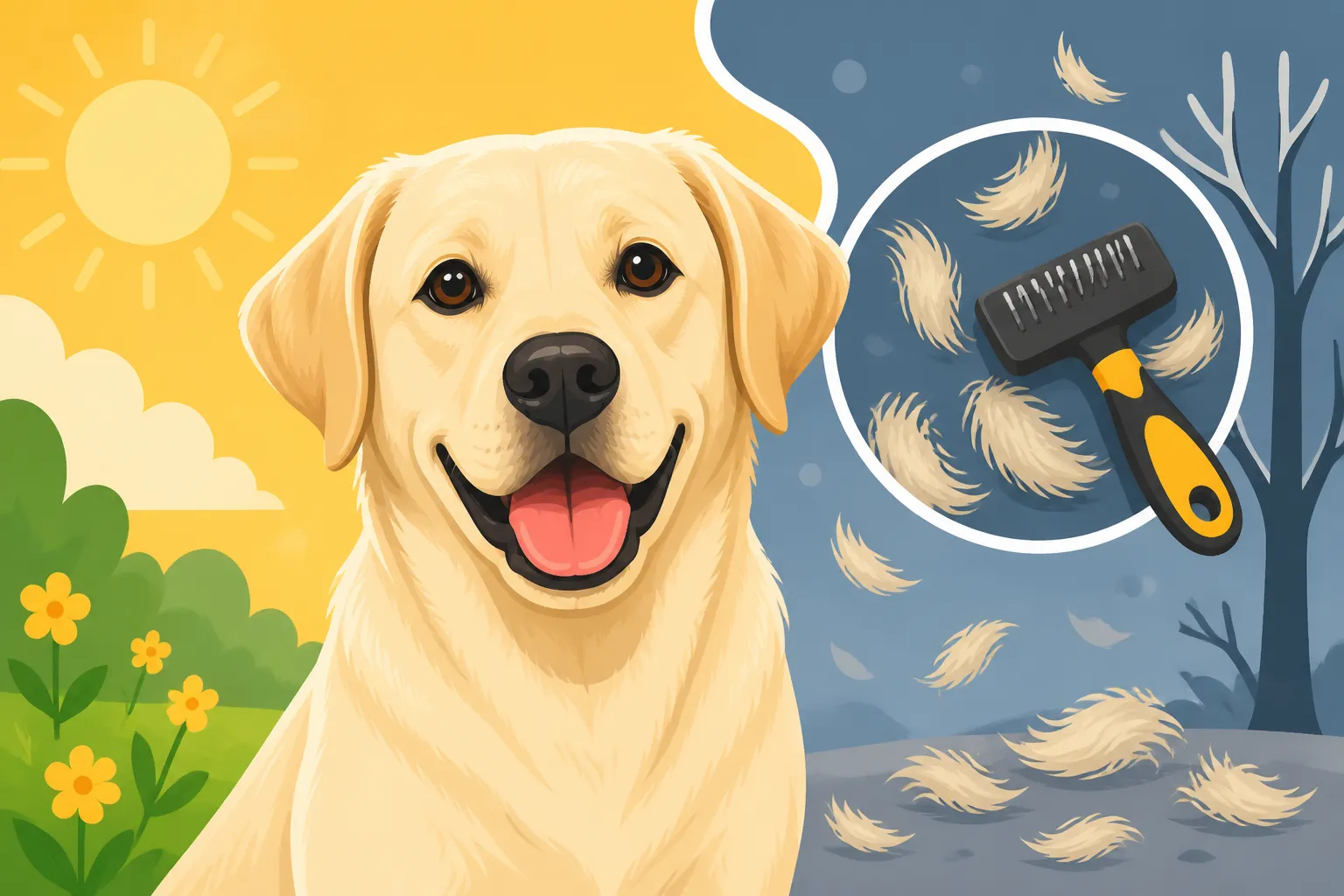
When Labrador Shedding Season Starts
Oh, the never-ending confetti of Labrador hair! If you're a Labrador owner, you know the struggle is real. You sweep, you vacuum, you brush, and still, it feels like your furry friend is leaving a little piece of themselves on every surface in your home. It’s enough to make you wonder if there’s ever a break from the shedding. Well, while Labradors are indeed renowned for their generous contributions to the household dust bunny population, they do have distinct shedding seasons that, once understood, can help you prepare and manage the fur onslaught. This guide will walk you through the typical shedding cycles and give you the lowdown on what to expect and when.
Understanding the Labrador Double Coat and Its Purpose
Before we dive into when the shedding starts, it’s really helpful to understand why Labradors shed so much in the first place. It's not because they're secretly plotting to redecorate your home in canine couture; it's all down to their incredible double coat, which is perfectly designed for the work they were originally bred to do.
The Ins and Outs of a Labrador's Coat
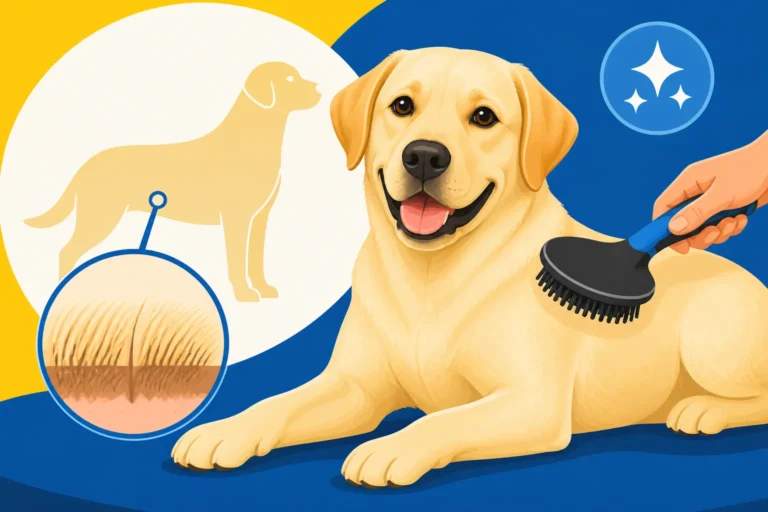
A Labrador Retriever's coat is nothing short of a marvel of natural engineering. It's a dual-layer system, much like wearing a thick, cozy sweater under a waterproof jacket. The outer layer consists of coarse, straight guard hairs that are relatively short but incredibly dense. These guard hairs are water-resistant, helping water bead off and protect their skin from rain, snow, and icy waters. This is why when your Labrador shakes off after a swim, the water seems to fly right off them without soaking through to their skin. It's a critical feature for a dog that spent its days retrieving fishing nets and game from the frigid North Atlantic waters. For a deeper dive into this, you might find Labrador Coat Type in the Standard interesting.
Beneath this protective outer layer lies the second, secret weapon: a soft, downy undercoat. This undercoat is incredibly dense and provides exceptional insulation, keeping them warm in even the coldest temperatures. Think of it as nature's built-in thermal underwear. When your Labrador wades into an icy lake, this undercoat traps air close to their body, preventing heat loss. It's this undercoat that is primarily responsible for the bulk of the shedding you experience.
So, when you see those little fluffy tufts floating around, you're mostly seeing bits of that insulating undercoat. Both layers are essential for a Labrador's comfort and health, especially if they spend time outdoors or enjoy water activities. The shedding process is simply how they maintain the optimal balance of these layers for the current climate.
Why Labradors "Blow" Their Coat
The term "blowing coat" sounds rather dramatic, and for good reason—it often feels that way! Blowing coat is a natural, physiological process where a dog sheds a significant amount of its undercoat, often in large clumps, to prepare for a change in season. It's not just a few stray hairs; it's a full-scale coat renovation. This isn't unique to Labradors, but because their undercoat is so wonderfully thick, their "blow-outs" are particularly noticeable.
This phenomenon is primarily triggered by changes in ambient temperature and, more significantly, by shifts in the amount of daylight hours. As the days lengthen or shorten, a Labrador's body registers these signals and begins the process of either shedding its heavy winter coat or its lighter summer coat. It's a clever biological mechanism that ensures they always have the right level of insulation for the upcoming weather. While it might look like your dog is spontaneously combusting into a pile of fur, remember that this is a completely normal and healthy part of their annual cycle, ensuring their skin can breathe and their coat can adapt.
The Traditional Labrador Shedding Seasons
While it sometimes feels like Labradors shed all year long (and to a certain extent, they do!), there are definitely two peak seasons when the fur really starts to fly. These are the "major events" in a Labrador's shedding calendar, and knowing when they typically occur can help you prepare for the inevitable.
Spring Shedding: The Great Winter Coat Purge
Ah, spring. The flowers bloom, the birds sing, and your Labrador declares open season on shedding their entire winter wardrobe. This is typically the most intense and noticeable shedding period for Labradors. It usually kicks off as the days start getting noticeably longer and the temperatures begin to rise after winter. For many, this means late winter to early spring, perhaps starting in February or March and continuing through April or May, depending on your local climate.
The purpose of this massive spring shed is to get rid of that thick, insulating winter undercoat that served them so well in the colder months. Imagine trying to wear a heavy wool sweater in July; that's essentially what your Labrador would be doing if they didn't shed their winter coat. They need to lighten up to stay cool and comfortable as summer approaches. During this time, you'll likely find copious amounts of soft, downy undercoat hair all over your home. Fur tumbleweeds become a daily occurrence, and you might start wondering if your vacuum cleaner is strong enough to handle the sheer volume. This is when daily brushing, sometimes even twice a day, becomes your new best friend. You can read more about how to tackle this in Brushing a Labrador During Coat Blow.
Fall Shedding: Preparing for Winter's Chill
While spring often takes the crown for the heaviest shedding, fall is another significant time when your Labrador undergoes a coat transformation. As the days begin to shorten and the crispness returns to the air, typically from late summer through early fall (think September to November), your Labrador will start to shed their lighter summer coat. This shedding isn't usually as dramatic or as voluminous as the spring shed, but it's still substantial.
The goal here is to make way for a new, thicker, and denser undercoat that will provide crucial insulation during the colder winter months. They're essentially prepping their natural cold-weather gear. While you might not be filling garbage bags with fur quite as quickly as you do in spring, you'll still notice an increase in shedding around the house. Regular brushing remains important during this period, not just to control the shed but also to help stimulate new coat growth and distribute natural oils, keeping their skin and remaining fur healthy. Keeping up with grooming during both these periods is crucial for managing the mess and your dog's comfort.
Factors That Influence Shedding Frequency and Intensity
While the spring and fall sheds are the main events, you might have noticed your Labrador seems to shed all the time, or perhaps their shedding schedule doesn't perfectly align with the typical seasonal shifts. That's because several other factors play a big role in how often and how much your particular Labrador sheds.
Indoor Living vs. Outdoor Living
One of the biggest modern influences on a Labrador's shedding cycle is their living environment. Our domestic lives, with climate-controlled homes and artificial lighting, can sometimes mess with nature's rhythm. A Labrador that spends most of its time indoors, exposed to consistent temperatures and electric lights, might experience a more continuous, lighter shed throughout the year, rather than two distinct, heavy "blow-outs." The constant warmth and light can trick their body into not sensing dramatic seasonal changes, leading to a less pronounced shedding peak.
Conversely, a Labrador who spends a significant amount of time outdoors, especially one with access to natural light cycles and varying temperatures, is more likely to adhere to the traditional heavy spring and fall shedding patterns. Their bodies are more attuned to the environmental cues that trigger these major coat changes. This isn't to say one is better than the other, but it explains why your city-dwelling Lab might seem to shed consistently, while a friend's farm Lab has clear, intense seasonal sheds. Regardless of their environment, understanding How Much a Labrador Sheds Year Round can help set realistic expectations.
Diet, Health, and Hormonal Changes
What goes into your Labrador's bowl and what's happening inside their body can significantly impact their coat health and shedding. A high-quality diet, rich in essential fatty acids like Omega-3s and Omega-6s, is fundamental for a healthy coat and skin. When a Labrador's diet is lacking, you might notice duller fur, dry skin, and increased shedding. Providing a well-balanced food, perhaps from a reputable brand like Ollie or readily available from Chewy, can make a world of difference. Supplements like fish oil can also be really beneficial for coat health, as discussed in Fish Oil for a Labrador's Coat and Joints.
Beyond diet, underlying health issues can also manifest as excessive shedding. Allergies, whether environmental or food-related, can cause skin irritation, itching, and subsequent hair loss. Parasites like fleas or mites can also lead to constant scratching and increased shedding. Even stress or anxiety can sometimes contribute to poor coat condition. If you notice unusual bald patches, skin redness, or excessive shedding outside of the normal seasons, it's always a good idea to consult your vet. Hormonal changes, such as those that occur with spaying or neutering, can also alter a Labrador's coat texture and shedding patterns. Some owners report a softer, "cottony" coat after these procedures, which may shed more persistently. Pregnancy and lactation in female Labradors are also common triggers for heavier shedding as their bodies adjust.
Age and Genetics
Just like humans, a Labrador's body changes with age, and their coat is no exception. Puppy coats, for example, are soft and typically shed less intensely than an adult coat, but puppies will undergo a "puppy coat shed" as their adult fur comes in, usually between 4-6 months of age. As Labradors enter their senior years, their coat might become thinner, coarser, or develop bald patches, which can affect shedding patterns. A senior Labrador may also shed more due to health conditions or medications they might be on. Caring for a senior Labrador can bring new grooming challenges, but understanding their needs is key.
Genetics also play an undeniable role. While all Labradors shed, there can be individual variations within the breed. Some Labs are simply predisposed to shedding more than others, regardless of their diet or environment. Just as some people have thicker hair than others, some Labradors inherit a denser undercoat or a more active shedding cycle. There are no "non-shedding" Labradors, but some might shed a bit less, or at least in a less noticeable way, than their incredibly fluffy brethren. It’s simply part of their unique genetic makeup.
Managing Labrador Shedding Year-Round
Alright, we've established that Labradors shed, they shed seasonally, and they shed throughout the year. So, what's a dedicated Labrador owner to do? The good news is that while you can't stop a Labrador from shedding (nor should you try, it's a natural and healthy process!), you can absolutely manage it to keep your home a little less hairy and your dog more comfortable.
Establishing a Consistent Grooming Routine
This is the absolute cornerstone of managing Labrador shedding. Brushing, brushing, and more brushing! During peak shedding seasons (spring and fall), you'll want to brush your Labrador daily, sometimes even twice a day, especially if they have a particularly dense coat. This isn't just about removing loose hair; it also helps distribute natural skin oils, keeping their coat healthy and shiny. For regular maintenance outside of the heavy shedding periods, brushing a few times a week should suffice.
When it comes to tools, having the right arsenal makes all the difference. A good deshedding rake or a rubber curry brush works wonders on their dense undercoat. These tools are designed to reach through the guard hairs and pull out the loose undercoat before it has a chance to settle on your furniture. For general grooming, a slicker brush can help smooth the topcoat and remove any remaining loose hairs. While some products market themselves as magical de-shedders, consistent mechanical removal of hair through brushing is your most effective strategy.
Bathing can also help loosen dead hair, but be careful not to overdo it, as excessive bathing can strip natural oils and dry out their skin. A bath every 4-6 weeks, or as needed if they get particularly dirty, is usually sufficient. After a bath, a high-velocity pet dryer can be incredibly effective at blowing out loose undercoat. Just make sure your Labrador is comfortable with the noise and sensation. You can find excellent grooming tools and shampoos on Amazon or Chewy.
Tools and Products That Actually Help
Beyond brushes and bathing, there are other tools and strategies that can significantly reduce the impact of Labrador shedding on your home and sanity.
First and foremost, a powerful vacuum cleaner designed for pet hair is a non-negotiable item for a Labrador household. Look for models with strong suction, good filtration, and attachments designed to tackle pet hair on upholstery. Investing in a quality vacuum will save you countless hours of frustration.
Next, keep a stash of lint rollers handy. These are your quick-fix heroes for last-minute touch-ups on clothes, car seats, or guest-facing furniture. You can buy them in bulk, and trust me, you'll go through them quickly!
Consider dietary supplements. As mentioned earlier, Omega-3 and Omega-6 fatty acids are fantastic for skin and coat health. Many owners see a noticeable improvement in coat quality and a reduction in excessive shedding when adding a fish oil supplement to their Labrador's diet. Always check with your vet before introducing new supplements.
Finally, don't discount the power of professional grooming. A professional groomer has access to specialized equipment, like high-velocity dryers and industrial tubs, that can thoroughly de-shed your Labrador far more effectively than you might be able to at home. Scheduling a professional deshedding treatment a couple of times a year, especially before the peak shedding seasons, can make the at-home management much more bearable.
Living with the Shedding Realities
Ultimately, owning a Labrador means accepting a certain level of shedding. It's an inherent trait of the breed, a testament to their working heritage, and part of what makes their coat so unique and functional. While consistent grooming and the right tools can help immensely, you'll probably never live in a completely fur-free home.
Embrace it! Invest in washable furniture covers, choose upholstery fabrics that don't attract hair like magnets, and keep a dedicated "dog blanket" on your Labrador's favorite spots. Regular vacuuming and sweeping become just another part of your daily or weekly routine, much like walking the dog. The unconditional love, joyful spirit, and unwavering loyalty that Labradors bring into our lives far outweigh the minor inconvenience of a little extra fur. It's a small price to pay for such a wonderful companion.
Here’s a quick overview of the two main shedding seasons:
| Shedding Season | Typical Timing (approx.) | Primary Trigger | Purpose of Shedding | Intensity Level | Key Management Tip |
|---|---|---|---|---|---|
| Spring | Late Winter to Early Summer (Feb-May) | Increasing daylight, rising temps | Shed heavy winter undercoat for lighter summer coat | High | Daily vigorous brushing |
| Fall | Late Summer to Early Winter (Sep-Nov) | Decreasing daylight, cooling temps | Shed lighter summer coat for dense winter undercoat | Medium to High | Consistent routine brushing |
Disclaimer
This article is for general informational purposes only and does not constitute professional advice. Laws, prices and regulations vary by location and change over time. Consult a qualified professional for guidance on your specific situation.