Bathing a Labrador Retriever
There's nothing quite like the joy of a Labrador, until they've rolled in something questionable or decided the muddiest puddle is a perfect swimming hole. Then suddenly, that sweet, goofy face is covered in grime, and the thought of getting them clean can feel like a monumental task. This guide is here to walk you through the ins and outs of bathing your Labrador Retriever, from gathering the right supplies to making the experience as smooth and stress-free as possible for both of you.
The Unique Challenges of Bathing a Labrador Retriever
Ask any Labrador owner, and they'll tell you that bathing their beloved dog isn't quite the same as washing a short-haired terrier. Our Labs are built for work and play, often in elements that leave them less than pristine, and their coats are designed for protection, not easy cleaning. Understanding these unique characteristics is the first step to a successful bath time.
Understanding That Incredible Double Coat
The Labrador Retriever is equipped with an amazing double coat, a marvel of natural engineering. On the outside, there’s a short, dense, and slightly coarse outer layer of guard hairs that feels oily to the touch. This outer coat is incredibly water-resistant, designed to shed water and protect the dog from harsh weather and icy water, especially during retrieving tasks. Beneath this lies a soft, thick, and fluffy undercoat that provides superb insulation, keeping them warm in winter and helping to regulate their temperature in summer. You can read more about it in Labrador Coat Type in the Standard.
This dual-layer system, while fantastic for keeping your Lab comfortable and protected outdoors, presents a unique challenge when it comes to bath time. Getting water to penetrate past the outer guard hairs to fully saturate the dense undercoat can feel like an uphill battle. The water literally beads off, and you'll find yourself needing to really work it in, section by section, to ensure every hair strand gets wet.
The real test, however, comes with rinsing. That thick undercoat can cling onto shampoo residue like a magnet. If not rinsed thoroughly, leftover shampoo can lead to dry, flaky skin, irritation, and even itchiness. Plus, during heavy shedding periods, a bath can loosen an incredible amount of undercoat, which is great for managing shedding but means you'll be dealing with a lot of wet fur. For more on this, check out Labrador Shedding and How to Manage It.
Labrador's Magnetic Attraction to Dirt and Water
Labradors were, and still are, bred to retrieve game from water and dense cover. It's in their DNA to love the outdoors, often with a particular fondness for mud, puddles, and anything that smells remotely interesting (or, let's be honest, downright funky). While their zest for life and adventurous spirit is one of their most endearing qualities, it also means they have a remarkable ability to get incredibly dirty, incredibly fast. One minute they're a picture of canine elegance, the next they've rolled in a patch of fresh manure or decided a stagnant pond is the perfect swimming pool.
This isn't just about surface-level dirt. Their dense coats can trap all sorts of environmental goodies, from pollen and grass seeds to dust, allergens, and even tiny parasites. These can linger close to the skin, potentially leading to skin irritations or exacerbating existing allergies. And let's not forget the smells! That delightful "wet dog" aroma can quickly escalate to something far less pleasant if they've been frolicking in particularly mucky spots.
So, while we adore their enthusiasm for life's muddy adventures, the reality is that their love for dirt often translates directly into the need for frequent and thorough bathing. It's a cyclical challenge: they get dirty doing what they love, and we, as their devoted owners, need to master the art of getting them clean again, often sooner than we might like.
Essential Supplies for a Successful Labrador Bath
Before you even think about turning on the tap, having all your supplies at the ready is crucial. There's nothing worse than being mid-bath with a sopping wet, potentially wiggly Labrador and realizing you've forgotten the shampoo or a towel. Gathering your tools beforehand will make the process much smoother and less stressful for everyone involved.
Choosing the Right Shampoo and Conditioner
First and foremost, you absolutely must use shampoo specifically formulated for dogs. Human shampoos have a different pH balance than canine skin, and using them can strip your Labrador's natural oils, leading to dry, irritated skin. Look for gentle, moisturizing dog shampoos. If your Lab has sensitive skin, an oatmeal-based or hypoallergenic formula can be a lifesaver, helping to soothe any itchiness or irritation.
For Labs that tend to get extra stinky or have a particularly muddy lifestyle, a deodorizing shampoo might be a good choice, but always ensure it's gentle and doesn't rely on harsh chemicals to mask odors. During heavy shedding seasons, a deshedding shampoo can also be incredibly helpful in loosening that dense undercoat. You'll find a wide variety of these options available at pet supply retailers like Chewy, or online marketplaces like Amazon, often with reviews from other large dog owners.
Don't skip the conditioner! Especially for a double-coated breed like a Labrador, conditioner helps to restore moisture to their skin and coat after shampooing. It can also aid in detangling, make their coat softer and shinier, and even help in brushing out loose hair more easily after the bath. A well-conditioned coat is healthier and more resilient, providing better protection for your adventurous Lab.
Must-Have Brushes and Drying Aids
Brushes are your best friends during bath time, not just for styling! A good deshedding tool, like an undercoat rake or a shedding blade, is essential for removing loose hair before the bath. This prevents mats from forming when wet and helps the shampoo penetrate more effectively. During the bath, a rubber curry brush is fantastic for working the shampoo deep into the coat and gently massaging the skin, helping to lift dirt and stimulate circulation. For more details on effective brushing, check out Using a Rubber Curry on a Labrador.
When it comes to drying, you'll want an arsenal of super-absorbent towels. Microfiber towels designed for pets are particularly effective at wicking away large amounts of water quickly. Have at least two or three on hand, especially for a large, fluffy Labrador. For the ultimate drying experience, a high-velocity pet dryer is a game-changer. These powerful dryers literally blast water out of the coat, significantly reducing drying time and helping to 'deshed' any remaining loose undercoat. While an investment, many owners find it indispensable for managing their Lab's dense fur.
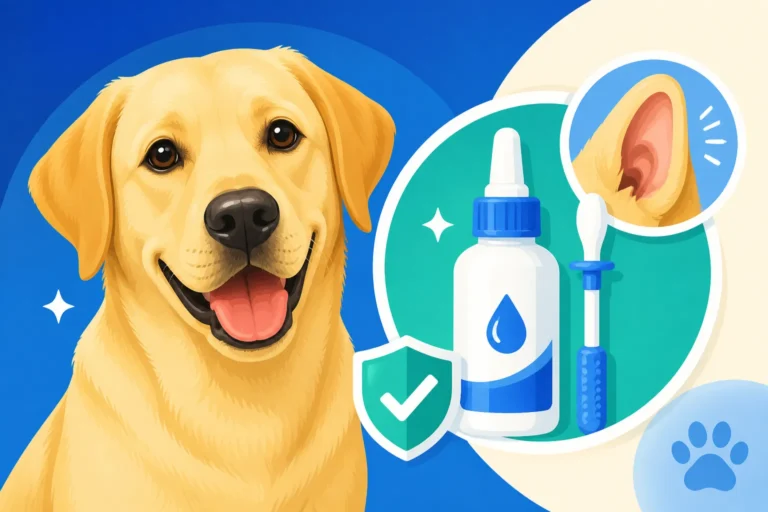
Other helpful items include a non-slip mat for the bottom of your tub or shower to prevent slips and falls, which can be scary for your dog. Cotton balls are great for gently placing in your Lab's ears before the bath to prevent water from getting into the ear canal, reducing the risk of ear infections. And, of course, plenty of high-value treats to reward good behavior!
Setting Up Your Bathing Station
Choosing the right location for bathing your Labrador can make a world of difference. For puppies and smaller Labs, a utility sink might work, but for an adult Labrador, you're likely looking at a walk-in shower or a large bathtub. The key is to have enough space for your dog to stand comfortably and for you to move around them without too much awkward bending. Outdoors, a designated washing area with a sturdy hose in warmer weather can also be a great option, just be mindful of water temperature and ensure proper drainage so that soapy water doesn't harm plants or runoff into natural waterways.
Regardless of where you bathe them, preparation is paramount. Before you even bring your dog to the bathing area, have every single item laid out and within easy reach. This means shampoo, conditioner, towels, brushes, cotton balls, and treats. You absolutely do not want to be fumbling for supplies or stepping away to grab something while your wet Labrador is in the tub – trust me, it rarely ends well.
For those with back concerns or particularly large Labradors, a dedicated pet grooming tub can be an excellent investment. These raised tubs bring your dog up to a comfortable working height, saving your back and making the process much more efficient. Whether you opt for a professional setup or a simple tub, ensure the area is secure, warm, and free of drafts to keep your Labrador comfortable throughout the process.
The Step-by-Step Labrador Bathing Process
Alright, you've got your supplies, your station is set, and your Labrador is perhaps eyeing you with a mix of suspicion and excitement. Now comes the actual bathing! This isn't just about getting them wet and soapy; there's a method to ensure a truly clean dog and a less stressful experience for both of you.
The Pre-Bath Brush-Out: Your Secret Weapon
This step is arguably the most critical and often the most overlooked. Before your Labrador even sees a drop of water, you must give them a thorough brush-out. Use your deshedding rake or slicker brush to remove as much loose hair, dirt, and any minor mats as possible. Brushing a Labrador's Coat is a good resource for technique.
Why is this so important? When a dog's coat is wet, any existing mats will tighten and become incredibly difficult, if not impossible, to brush out without causing pain. Furthermore, a coat full of loose undercoat will make it harder for the shampoo and water to penetrate down to the skin, meaning your cleaning efforts will be less effective.
Think of it as clearing the way. By removing the excess fur and debris beforehand, you create a path for the shampoo to reach the skin and do its job. This not only makes the washing process more efficient but also significantly reduces the amount of hair that goes down your drain (or ends up stuck to your shower walls!). Plus, it's a good bonding moment and helps your dog get used to being handled before the actual wet work begins.
Wetting Down That Water-Resistant Coat
With your Labrador thoroughly brushed, it's time to introduce the water. Start with lukewarm water; never too hot or too cold, as extreme temperatures can be uncomfortable or even dangerous for your dog. Use a shower sprayer (the kind with a hose attachment is ideal) or a large cup to thoroughly wet your Lab. Begin from their neck and work your way down their body, always avoiding direct sprays to their face and ears at this initial stage.
Remember that incredible water-resistant double coat we talked about? This is where you'll truly appreciate (or perhaps curse) it. You'll need to work the water in section by section, massaging it firmly down to the skin. It takes patience and a good amount of water to get that undercoat fully saturated. Don't be surprised if the water seems to just roll off initially; keep working at it until their entire body, right down to the skin, is completely drenched.
Before moving on, gently place cotton balls in your Labrador's ears. This is a simple but effective trick to prevent water from entering their ear canals, which can lead to uncomfortable and often stubborn ear infections. Labrador Ear Infections and Swimming can give you more insights into preventing this common issue.
Lather, Rinse, Repeat (Properly!)
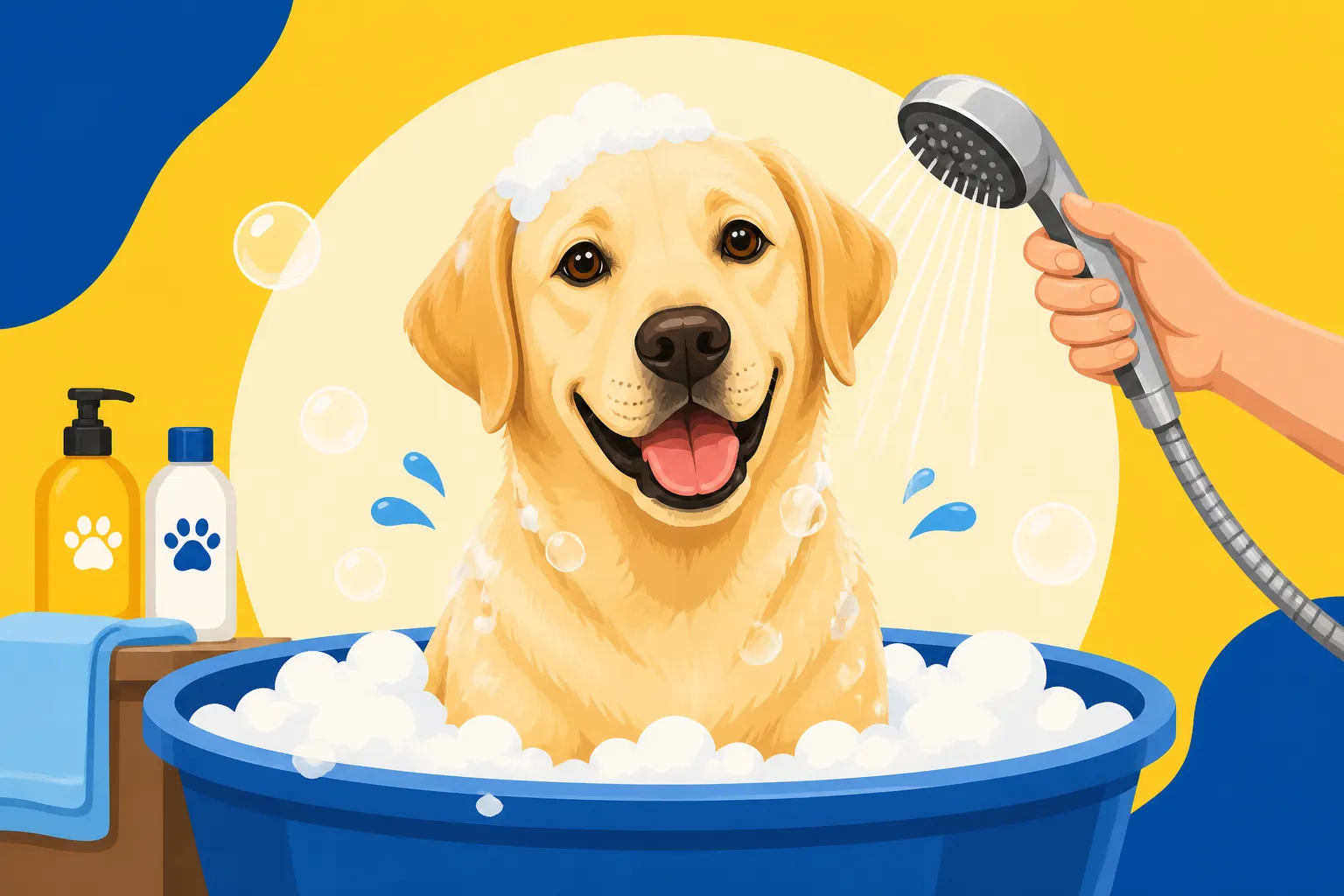
Now for the shampoo! Apply a generous amount of your chosen dog shampoo, starting from your Labrador's back and working your way forward. Lather it thoroughly, again making sure to massage it deep into the coat, ensuring it reaches the skin. Your rubber curry brush can be a fantastic tool here, helping to distribute the shampoo evenly and create a good lather while gently exfoliating the skin. Pay special attention to areas that tend to get dirtiest, like their paws, belly, and around their tail.
Take a few minutes to really massage the shampoo in. This isn't just about cleaning; it's an excellent opportunity to give your Lab a thorough once-over, checking for any new lumps, bumps, cuts, or skin irritations that you might have missed during your daily interactions. It's a full-body health check disguised as a pampering session. Make sure to get all their nooks and crannies, including under their armpits and between their toes.
Once you've lathered them up beautifully, the most crucial step begins: rinsing. And when I say rinse, I mean really rinse. This isn't a quick spray-down. You need to rinse, rinse, and rinse again until the water running off your Labrador is completely clear and you can feel no slick residue on their fur. Any shampoo left behind can dry out their skin, cause irritation, flakiness, or even lead to hot spots. Imagine trying to rinse soap out of a thick wool blanket; your Labrador's undercoat is much the same. Be meticulous, and don't rush this stage.
The Conditioning Stage for a Healthy Sheen
After the shampoo has been completely rinsed out, it's time for the conditioner. Apply it generously, focusing on areas that might be prone to dryness or tangles. Work the conditioner through the coat thoroughly, ensuring it reaches the skin, just as you did with the shampoo. This step is particularly beneficial for Labradors, helping to replenish moisture and keep their double coat in top condition.
Many conditioners benefit from a short dwell time, allowing the moisturizing ingredients to truly penetrate the hair shafts and skin. Check the product instructions, but typically letting it sit for two to five minutes is sufficient. This brief waiting period gives the conditioner time to do its work, leaving the coat softer, shinier, and more manageable.
Once the waiting time is up, rinse the conditioner with the same meticulous care you applied to the shampoo. Again, the goal is for the water to run completely clear, with no slippery residue remaining on the coat or skin. A well-conditioned and thoroughly rinsed coat will not only look and feel amazing but will also be less prone to static, tangles, and environmental damage. It also makes subsequent brushing much easier, which is always a bonus when dealing with a Lab's fur.
Drying Your Labrador: The Often Underestimated Step
You've successfully washed your Labrador! Congratulations! But the job isn't quite done. Drying a Labrador effectively is just as important as washing them, perhaps even more so for their comfort and skin health. Rushing this step can leave them feeling damp, lead to that distinct "wet dog" smell, and even contribute to skin issues.
Maximizing Towel Drying Power
As soon as you've finished rinsing, the first line of defense against a soaking wet dog is towels. And I mean lots of towels. Don't just rub vigorously; that can tangle their fur and create static. Instead, gently but firmly squeeze and blot the water out of their coat, moving from their head down to their tail. Think of it like a sponge – you want to compress the water out, not just spread it around.
Super absorbent microfiber towels are truly fantastic for this stage. Their high absorbency means they can soak up a remarkable amount of water, making your job significantly easier. Have several within arm's reach. After an initial squeeze-down, you can wrap your Labrador in a large towel, give them a good, gentle rub, and then swap it out for a drier one.
The goal here isn't to get them bone-dry, but rather to remove as much surface water as possible. This initial towel-drying phase significantly reduces the overall drying time, makes the next steps more manageable, and prevents massive puddles forming as your Lab shakes off. It's about efficiency and getting a head start on the drying process.
Introducing the High-Velocity Dryer
For anyone with a double-coated breed like a Labrador, a high-velocity pet dryer is an absolute game-changer. These powerful machines don't use heat (or very little); instead, they rely on sheer air force to literally blast water out of the dense undercoat. This significantly cuts down drying time and, as a bonus, helps to 'deshed' any remaining loose hairs that might still be clinging on. Drying a Labrador After a Swim dives into this further. You can find many reputable options on Amazon.
However, these dryers can be quite loud and intimidating for some dogs. It’s crucial to introduce them slowly and positively, especially if your Lab isn't used to it. Start by letting them see and hear the dryer from a distance, rewarding them with treats for calm behavior. Gradually, introduce it closer, always on the lowest setting and coolest air, never pointing it directly at their face. Make it a game, associating the noise and sensation with delicious rewards.
The benefits far outweigh the initial training effort. Beyond speed, a high-velocity dryer ensures that the undercoat is completely dry, which is vital for preventing skin issues like dampness-related infections. It leaves their coat looking fuller, healthier, and significantly reduces that persistent damp dog smell. It truly revolutionizes the drying experience for both you and your Lab.
Safe Air Drying and Preventing Moisture-Related Issues
If a high-velocity dryer isn't an option, or if your Labrador is too fearful of it, air drying is certainly possible, but it requires careful management. After thorough towel drying, ensure your Labrador can air dry in a warm, draft-free environment. Resist the urge to let them run outside immediately, especially if it's cold or damp, as this can chill them or prolong the drying process, potentially leading to issues.
During the air-drying process, it's vital to regularly check your Lab's skin, especially in areas where fur is dense and moisture can get trapped. This includes their armpits, groin, under their ears, and around the base of their tail. Prolonged dampness in these areas creates a perfect breeding ground for yeast infections or those frustrating, rapidly developing raw patches known as hot spots. Hot Spots and Allergies in Labradors provides more information on identifying and treating these.
Continue to periodically brush your Labrador as they air dry. This helps to separate the hairs, allowing air to circulate more freely and ensuring that the dense undercoat dries thoroughly. It also prevents any mats from forming as the fur dries. Patience is key here; a Labrador's double coat can take several hours to air dry completely, so plan your bath time accordingly.
How Often is "Just Right" for a Labrador Bath? Striking the Right Balance
One of the most common questions I hear from fellow Labrador owners is, "How often should I actually bathe my dog?" It's a great question, and like many things with our beloved Labs, there isn't a one-size-fits-all answer. It's all about finding that sweet spot between cleanliness and maintaining their natural skin and coat health.
Factors Influencing Your Labrador's Bathing Schedule
Several key factors play into how frequently your specific Labrador needs a bath. First, consider their lifestyle. Is your Lab a city dweller who enjoys leisurely walks on pavement, or are they a country adventurer who routinely dives into muddy puddles and rolls in unspeakable things? A dog who spends most of their time indoors will naturally need fewer baths than one who's always exploring the great outdoors.
Next, think about their skin and coat health. Does your Labrador suffer from allergies or specific skin conditions? Sometimes, therapeutic bathing prescribed by a vet can be more frequent, but for general health, you don't want to overdo it. The general consensus for most healthy Labradors is somewhere between every 4-8 weeks. Of course, if they get particularly filthy, stinky, or encounter something genuinely gross, an unscheduled bath is absolutely necessary. You can learn more about general frequency in How Often to Bathe a Labrador.
Lastly, consider the seasons. During spring and fall, when Labradors typically "blow their coat" and shed their dense undercoat, more frequent baths can actually be beneficial. The warm water and massaging action help to loosen and release that dead fur, making brushing more effective and reducing the amount of hair floating around your home. Labrador Coat Blowing in Spring and Fall explains this seasonal phenomenon.
The Risks of Over-Bathing Versus Under-Bathing
Finding the right bathing frequency is a balancing act because both over-bathing and under-bathing can lead to issues for your Labrador. Over-bathing, especially with harsh shampoos or too-frequent stripping of their natural oils, can be detrimental. A Labrador's coat and skin rely on these natural oils for health and to maintain its water-resistant properties. Stripping them too often can lead to dry, itchy, flaky skin, irritation, and even make them more susceptible to skin infections. You'll notice their coat might lose its natural sheen and feel coarser.
On the flip side, under-bathing also comes with its own set of problems. Allowing dirt, dander, loose hair, and natural oils to accumulate without proper cleaning can lead to a dull, greasy coat, unpleasant odors, and can exacerbate skin issues like allergies or bacterial/yeast overgrowth. The trapped debris and moisture can create an unhealthy environment close to the skin, which can become incredibly uncomfortable for your dog.
The goal is to strike a balance. If your Lab lives a very active, muddy life and genuinely needs more frequent cleaning, always opt for a very gentle, moisturizing shampoo and conditioner to protect their skin barrier. Maintaining good overall health also contributes to a healthy coat from the inside out. High-quality nutrition, like what a brand such as Ollie provides, can support skin and coat health, potentially reducing some external issues that might otherwise necessitate more frequent bathing. It's about observing your individual dog and adjusting their routine to keep them comfortable, clean, and healthy.
Making Bath Time Less Stressful for You and Your Lab
Let's face it, for some Labradors (and their humans!), bath time can feel like a wrestling match. But it doesn't have to be a dreaded chore. With a little planning, patience, and positive reinforcement, you can transform it into a much more manageable, even enjoyable, experience for both of you.
Positive Reinforcement and Gradual Desensitization
The key to a less stressful bath time often starts with how you introduce it. If you have a puppy, start early and make every part of the experience positive. Even if you have an older dog who isn't keen on baths, gradual desensitization and positive reinforcement can work wonders. Begin by simply getting them comfortable in the dry tub or shower, offering praise and high-value treats for calm behavior.
Once they're okay with the location, introduce the water slowly. Start with a trickle, praise, treat. Gradually increase the water flow and duration, always keeping it positive. A lick mat smeared with peanut butter (xylitol-free, of course!) stuck to the tub wall can be a miraculous distraction, keeping your Lab happily occupied while you get the washing done. The goal is to create positive associations, so they see the tub not as a scary place, but as a place where good things happen (and maybe they get cleaned up!).
Never force your Labrador into the bath if they're showing extreme fear or resistance. This can create a negative association that will be incredibly hard to overcome. Go at their pace, break down the process into tiny steps, and celebrate every small victory with plenty of praise and treats. A calm handler makes for a calmer dog.
Enlisting Help and Cultivating Patience
Trying to bathe a large, wiggly, and potentially reluctant Labrador by yourself can be a recipe for frustration (and a very wet bathroom). If possible, enlist the help of another family member or friend. One person can focus on holding, reassuring, and offering treats, while the other concentrates on the washing. This teamwork can make the process significantly smoother and safer for both you and your dog.
Remember, this isn't a race. Rushing through bath time will only increase your Labrador's anxiety and make future attempts even more challenging. Take your time, speak in a calm, soothing voice, and be prepared for some splashing. It's part of the Labrador bath experience! If your dog is getting stressed, take a short break, offer some comfort, and then gently resume.
If, despite your best efforts, home bathing remains an overwhelming ordeal for you and your Labrador, don't hesitate to seek professional help. A good groomer has specialized equipment, trained staff, and experience handling even the most bath-averse dogs. They can often get the job done efficiently and safely, sometimes making it a much more positive experience for your Lab than struggling at home. It's okay to admit when a task is better left to the pros.
| Shampoo Type | Best For | Key Benefit | Considerations |
|---|---|---|---|
| All-Purpose Dog Shampoo | Regular cleaning, healthy skin/coat | Gentle, effective for basic hygiene | May not address specific skin issues |
| Oatmeal/Hypoallergenic | Sensitive skin, allergies, dry skin | Soothes irritation, reduces itching | May require more frequent use for severe conditions |
| Deshedding Shampoo | Heavy shedding seasons (spring/fall) | Helps release loose undercoat, reduces shedding | Can be drying if used too often on non-shedding coats |
| Deodorizing Shampoo | Extremely smelly Labs, rolling in foul odors | Neutralizes strong odors, deep cleans | Some contain stronger scents, check for sensitivity |
| Medicated Shampoo | Specific skin conditions (e.g., fungal, bacterial) | Treats underlying issues, vet-prescribed | Use strictly as directed by your veterinarian |
Disclaimer
This article is for general informational purposes only and does not constitute professional advice. Laws, prices and regulations vary by location and change over time. Consult a qualified professional for guidance on your specific situation.