Whether Labradors Are Safe Around Babies
Bringing a new baby home is an incredibly joyous time, but for many Labrador owners, it also comes with a knot of anxiety: how will my usually boisterous, loving Lab react to this tiny, fragile human? It's a completely natural worry. You adore your dog, and you're about to adore your baby, and the last thing you want is any conflict or, worse, an accident. This guide will walk you through the realities of Labrador temperament with infants, offering practical steps and reassuring advice to help you prepare your family, both two-legged and four-legged, for a safe and harmonious future together.
Understanding the Labrador Temperament Around Children
Labradors have a well-deserved reputation for being friendly, gentle, and tolerant, which is often why they are a top choice for families. However, "tolerant" doesn't mean "bomb-proof," especially when it comes to the unpredictable movements, sounds, and delicate nature of an infant. Understanding the nuances of their typical temperament is the first step in ensuring safety.
The "Soft Mouth" and Gentle Nature
One of the most celebrated traits of a Labrador Retriever is their "soft mouth," a characteristic selectively bred over generations to allow them to retrieve game without damaging it. This often translates to a gentle disposition when interacting with humans, especially children. Many Labradors instinctively know to be careful with delicate objects, and this can extend to a tiny hand or foot. You might see your Lab gently nudging a baby with their nose, or taking a toy very delicately from a toddler's grasp. It's a beautiful thing to witness and speaks volumes about their inherent kindness.
However, it's crucial to remember that a soft mouth isn't a magical shield. While they might be gentle, their sheer size and strength can still be overwhelming. A gentle nudge from a 70-pound dog can easily knock over a small child, and an excited tail wag could send an infant's toy flying or even hit the baby. This is why even with the gentlest Lab, supervision and proactive management are non-negotiable. It's about recognizing their good intentions while mitigating the potential for accidental harm due to their physical presence.
High Energy and Exuberance
Ah, the boundless energy of a Labrador! We love them for it, but it can certainly be a challenge when a fragile infant is in the picture. Labradors, particularly younger ones, can be incredibly exuberant, prone to excited jumping, clumsy pawing, and sudden bursts of zoomies. This high energy, combined with their sometimes oblivious nature, means they might not always register a small, stationary baby as something to be incredibly careful around. A Labrador might leap onto the sofa, oblivious that a baby is nestled beside you, or rush through a doorway without realizing a bassinet is nearby.
This is where training for impulse control becomes absolutely paramount. Commands like "off," "stay," and "settle" aren't just for good manners; they are critical safety tools. Without a solid foundation in these commands, even the most well-meaning Labrador can pose an accidental risk simply through their joyful, unbridled enthusiasm. It's not malice, it's just pure, unadulterated Lab joy meeting a very delicate situation. You want to channel that energy, not suppress their spirit, but teach them when and where it's appropriate.
The Importance of Breed Lines
It might surprise some, but not all Labradors are created equal, especially when it comes to their energy levels and drive. There's a noticeable difference between what we often call "English" or "show" lines and "American" or "field" lines. English-bred Labradors typically have a blockier build, are often perceived as calmer, and tend to mature emotionally a bit faster. Their energy, while still significant, is often easier to manage indoors.
Field line Labradors, on the other hand, are often leaner, more athletic, and possess an intense drive. They are bred for high performance, quick retrieves, and sustained energy in demanding environments. This means a field-bred Labrador is likely to have a much higher demand for physical exercise and mental stimulation, and without it, they can be considerably more boisterous and prone to restless behavior. If you have a field line Labrador, recognizing their innate need for constant engagement is vital. It means you'll need to be even more diligent about providing outlets for their energy, perhaps through longer walks, structured play, or engaging training sessions, especially as you navigate life with a new baby. The differences in their intrinsic drives directly impact how much management and exercise they'll need to be a calm, happy member of a household with an infant.
Preparing Your Labrador for a New Baby
The arrival of a new baby is a huge shift for everyone in the household, and that absolutely includes your Labrador. For them, it's a sudden change in routine, attention, and the very landscape of their home. Preparing them before the baby arrives is key to a smooth transition, reducing stress for everyone involved.
Pre-Arrival Training and Desensitization
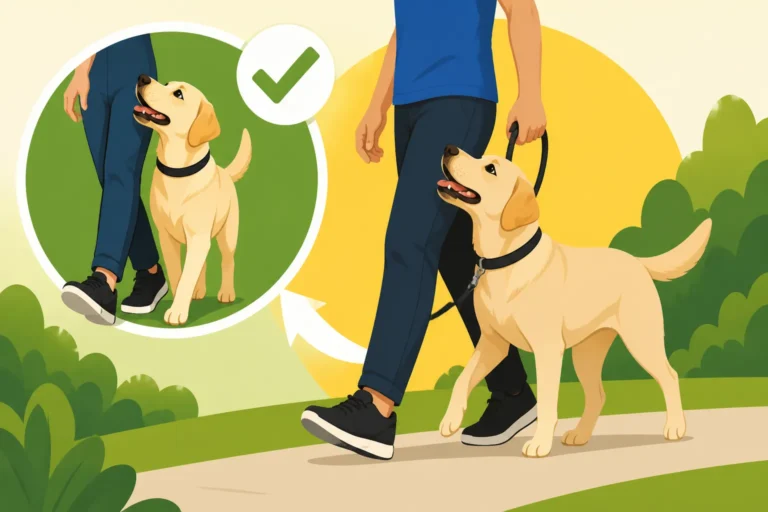
Long before the baby makes their grand entrance, it's time to get serious about some training refreshers and desensitization exercises. Think of it as bootcamp for a new family member. Revisit basic obedience commands like "sit," "stay," "down," and especially "place" or "go to your bed." Having a reliable "place" command means you can send your dog to a designated spot, out of the way, when you need to tend to the baby, which is invaluable. Practice loose-leash walking if your Lab is a puller, because pushing a stroller with a strong puller is a recipe for disaster. You can find excellent resources on Loose Leash Walking With a Labrador to help.
Beyond commands, start desensitizing your Lab to baby-related stimuli. Play recordings of baby cries, coos, and squeals at low volumes, gradually increasing them. Don't let your dog react negatively; instead, reward calm behavior with treats. Set up baby gear – the crib, stroller, swing – well in advance so your dog can investigate it and get used to its presence. This prevents everything from being a brand new, overwhelming experience on day one. Consider online training programs like BAXTER & Bella, which often provide structured approaches for these kinds of family transitions, focusing on positive reinforcement to help your dog adapt.
Scent Introduction and Early Boundaries
One of the most powerful senses for a Labrador is smell. Before the baby even comes home from the hospital, bring home a blanket, a hat, or a piece of clothing the baby has worn. Let your Labrador sniff it thoroughly, associating this new, interesting scent with positive experiences. Don't force interaction; just let them explore it while you calmly praise them. This introduces the baby's unique scent in a controlled, non-threatening way, helping to make the real introduction less of a shock.
When the baby does arrive home, keep your dog on a leash for the initial meeting, even if you trust them implicitly. This allows you to maintain control and prevents any overly enthusiastic greetings. Allow supervised sniffing, rewarding calm behavior. Establish new boundaries immediately. For example, the nursery might be off-limits, or your dog might not be allowed on the furniture where the baby is. Use baby gates to create physical barriers and designate certain areas as "dog-free zones." For example, a good quality baby gate from Amazon can be a great investment for keeping spaces separate. Consistency from day one is paramount so your Labrador understands their new role and the new rules of the house.
Creating Safe Spaces for Both Baby and Dog
Ensuring safety means thinking about both your baby's and your dog's needs for their own personal space. For the baby, this is relatively straightforward: a crib, a bassinet, or a playpen creates a safe, elevated zone where they can sleep or play without accidental interference from your Labrador. These areas should be inaccessible to your dog, providing peace of mind for you and uninterrupted rest for your infant.
Equally important, however, is creating a safe retreat for your Labrador. The arrival of a baby can be stressful for a dog, with new sounds, smells, and a significant shift in attention. Your Labrador needs a quiet sanctuary where they can escape the hubbub, chew a favorite toy, or simply rest undisturbed. This might be their crate, a cozy dog bed in a separate room, or a designated "place" command spot that's off-limits to children. This den should be respected by all family members, especially as the baby grows into a curious toddler. Knowing they have a safe haven helps reduce anxiety and prevents potential stress-related behaviors. This also aligns with principles discussed in Crate Training a Labrador Puppy, emphasizing the crate as a positive, secure space.
Managing Interactions: Safety First
Even with the best preparation, the initial months and years with a baby and a Labrador require diligent, active management. It's not enough to simply hope for the best; you must actively ensure safe interactions every single day. This means being present, understanding dog behavior, and teaching responsible interaction from both sides of the leash.
Constant Supervision and Active Management
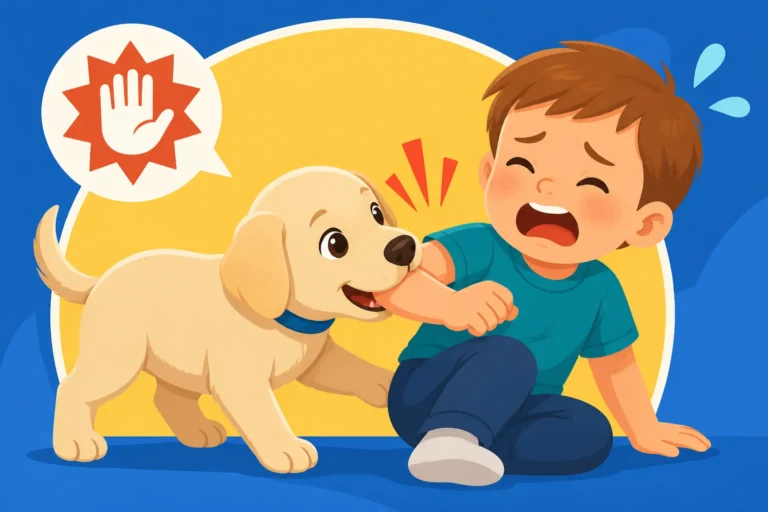
This is the golden rule: Never leave a baby or young child unsupervised with a dog, even for a second, no matter how much you trust your Labrador. Accidents can happen in a flash, and even the most gentle dog can react unpredictably if startled, hurt, or feeling cornered. Think of scenarios: a baby might grab an ear, pull fur, or poke an eye; a startled dog might snap out of instinct; or a playful but clumsy move could accidentally harm the infant.
Active management means more than just being in the same room. It means constantly observing your Labrador's body language and the baby's actions. Are there signs of stress in your dog, like lip-licking, yawning, turning their head away, or a stiff body? Is the baby starting to crawl towards the dog's food bowl? Be proactive. Redirect the dog, move the baby, or create a physical barrier before a situation escalates. This might feel exhausting at first, but consistent, active supervision sets the foundation for a lifetime of safe and positive interactions.
Teaching Children to Handle a Labrador
As your baby grows into a toddler and beyond, it becomes equally important to teach them how to interact respectfully and safely with your Labrador. Children, especially very young ones, don't instinctively know how to behave around animals. Their natural curiosity can lead to ear pulling, tail grabbing, or climbing on the dog – behaviors that can quickly overwhelm even the most patient Labrador.
Start early with simple rules: "gentle hands," "no pulling," and "leave the dog alone when they're in their bed or eating." Demonstrate how to pet softly on the body, not the head, and emphasize that the dog isn't a toy. Teach them to observe the dog's signals. If the dog walks away, that means they want space. Consistent reinforcement of these rules, alongside constant adult supervision, builds a foundation of mutual respect. You are not only protecting your child but also teaching them empathy and responsible pet ownership. For more detailed guidance, consider resources like Teaching Children to Handle a Labrador.
Recognizing Stress Signals in Your Dog
A Labrador is unlikely to lash out without first giving subtle (or sometimes not-so-subtle) warning signs. Learning to "speak dog" is one of the most important skills you can develop as a multi-species household. These signals are your dog's way of saying, "I'm uncomfortable," "I need space," or "I'm getting stressed." Ignoring them can lead to escalation.
Here's a quick guide to some common stress signals:
| Signal | What it Looks Like | What it Means |
|---|---|---|
| Lip Licking | Quick flick of the tongue over the nose (no food) | Mild stress, appeasement, "I'm uncomfortable" |
| Yawning | Wide-mouthed yawn (not tired) | Stress, often used to self-calm or de-escalate |
| Head Turn/Body Turn | Dog turns head or entire body away from interaction | "Please give me space," avoidance |
| Whale Eye | Whites of eyes showing, especially around the edges | Tension, fear, discomfort |
| Stiff Body/Tail | Muscles tensed, tail held rigidly (high or low) | Increased tension, potential for defensive reaction |
| Ears Pinned Back | Ears flattened tightly against the head | Fear, submission, sometimes aggression |
| Growling/Snarling | Low rumble to baring teeth | Clear warning, "Stop immediately!" (never punish) |
If you see any of these signs, especially a combination of them, immediately create distance between your dog and the baby. Remove the baby, redirect your dog to their safe space, or intervene gently to de-escalate the situation. Understanding and respecting these signals is critical for preventing negative interactions and is a huge part of Reading Pain in a Stoic Labrador in any context, let alone with a baby.
Building a Lasting Bond Between Baby and Labrador
Beyond just safety, the goal is to foster a loving, lifelong bond between your Labrador and your child. This takes intentional effort, positive experiences, and ensuring your dog still feels valued and loved. A well-adjusted Labrador can be a wonderful companion and protector for your child as they grow.
Positive Reinforcement and Shared Experiences
The key to building a positive relationship is associating the baby with good things for your Labrador. When the baby is calm, or sleeping, invite your Labrador into the room for some quiet petting and praise. Give them a special chew toy or treat (like those discussed in Treats That Motivate a Food-Driven Labrador) while you're holding the baby. This helps them understand that the baby's presence can lead to rewarding experiences, rather than just being a source of lost attention.
As your child gets older, find age-appropriate ways to include your Labrador in family activities. Even a baby in a stroller can go on walks with you and your dog. As they become a toddler, supervised gentle games of fetch (with soft toys) or a calm "pet the dog" session can begin to build their connection. Always supervise these interactions closely and keep them short and positive. The goal is to create happy memories and associations, making the baby a source of joy for your dog, not just a disruptor.
Maintaining Your Dog's Routine and Attention
One of the biggest pitfalls new parents face is the unwitting neglect of their dog's needs. Suddenly, walks are shorter, playtime is non-existent, and attention is scarce. This can lead to your Labrador feeling anxious, bored, or jealous, which can manifest in unwanted behaviors. A Labrador who is starved of exercise and mental stimulation is far more likely to be restless, destructive, or seek attention in less-than-ideal ways. This is often linked to behaviors like Separation Anxiety in Labrador Retrievers or simply Telling Labrador Boredom From Real Anxiety.
While routines will inevitably shift, try your best to maintain some semblance of your Labrador's previous schedule, especially for walks and structured playtime. Enlist help from family or friends if needed. Even a tired parent can throw a ball in the yard for 15 minutes or engage in a quick training session. Remember, a tired Labrador is a good Labrador! Continue training sessions, even if they're short and sweet, to reinforce good behavior and keep their minds active. Your Labrador still needs to feel like a cherished member of the family, and consistent attention, even in small doses, goes a long way.
When to Seek Professional Help
Sometimes, despite your best efforts, challenges arise. Perhaps your Labrador develops a new, concerning behavior, struggles with jealousy, or shows consistent signs of stress around the baby. Don't hesitate to seek professional help. This is not a sign of failure; it's a sign of responsible pet ownership. A certified professional dog trainer or a veterinary behaviorist can assess your specific situation, observe your dog's behavior, and provide tailored strategies and interventions.
They can help you understand the root cause of the behavior, develop a safe and effective training plan, and offer reassurance. Early intervention is always best. Waiting until a serious incident occurs makes the problem much harder to resolve. Resources like Choosing a Trainer for a Labrador can help you find a qualified professional in your area. Remember, your goal is to ensure a safe home for everyone, and sometimes an expert's guidance is exactly what you need to achieve that peace of mind.
Disclaimer
This article is for general informational purposes only and does not constitute professional advice. Laws, prices and regulations vary by location and change over time. Consult a qualified professional for guidance on your specific situation.