Which Labrador Conditions Show Up Most at the Vet
It’s a truly tough experience to watch our otherwise vibrant and bouncy Labradors show signs of pain, discomfort, or an unexplained change in their routine. The sheer number of potential health issues they can face throughout their lives can feel overwhelming, leaving us wondering what’s normal and what truly warrants a trip to the vet. This guide is here to shed light on the most common health concerns that tend to land Labradors at the veterinary clinic, empowering you to better understand and advocate for your furry family member's well-being.
Why Our Beloved Labradors End Up at the Vet So Often
Labrador Retrievers are renowned for their outgoing personalities, boundless energy, and unwavering loyalty. However, like any breed, they come with certain predispositions that can make them frequent visitors to the vet. Understanding these inherent traits and the impact of their active lifestyle can help us anticipate and address health issues more effectively.
The Breed's Predispositions and Active Lifestyles
Let's face it, Labradors are built for activity. They love to run, jump, swim, and retrieve, often with reckless abandon. This high-impact lifestyle, while fantastic for their mental and physical well-being, unfortunately places significant stress on their joints, muscles, and ligaments. A tumble during a particularly enthusiastic game of fetch or a misstep while navigating rough terrain can easily lead to strains, sprains, or more serious injuries. Many owners don't realize the extent to which their Labrador's activity level contributes to common orthopedic issues, often thinking their dog is simply being clumsy. But that endless energy often comes with a higher risk of bumps and bruises that need veterinary attention.
Beyond their physicality, Labradors also have genetic predispositions to certain conditions. For instance, their floppy ears, while adorable, create a warm, moist environment perfect for yeast and bacteria to thrive, leading to recurrent ear infections. Their legendary appetite, combined with a genetic predisposition to obesity in many individuals, means weight management is a constant battle that can exacerbate other health problems. We love them for their zest for life, but that same zest can sometimes lead them into situations, or predispose them to conditions, that require professional medical intervention.
Common Signs That Warrant a Vet Visit
It's not always easy to tell if your Labrador is truly unwell, especially since they are often stoic and experts at hiding discomfort. A slight limp that comes and goes, a change in appetite, or a subtle shift in their energy levels can be early indicators. Many owners wonder, "Is this just a normal 'Labrador thing' or something serious?" The truth is, it's often a fine line.
A consistent loss of appetite, prolonged lethargy, vomiting, or diarrhea are obvious red flags that most owners recognize immediately. However, more subtle signs like excessive scratching, head shaking, difficulty getting up after resting, a sudden change in how they greet you, or even just looking "off" can be equally important. If your Labrador, usually a vacuum cleaner for food, suddenly turns up their nose at a meal, or if their usually wagging tail is held low for more than a day, it's worth a call to the vet. Remember, you know your dog best, and if something just doesn't feel right, trust your gut. Early detection can make a huge difference in prognosis and treatment success for many conditions.
Battling Joint and Mobility Challenges
One of the most frequent reasons Labradors visit the vet, particularly as they mature, revolves around their joints and mobility. These large, active dogs are unfortunately susceptible to a range of orthopedic conditions that can significantly impact their quality of life.
The Heartbreak of Hip and Elbow Dysplasia
Few conditions are as synonymous with Labradors as Labrador Hip and Elbow Dysplasia. These are genetic conditions where the hip or elbow joints don't form properly, leading to looseness, pain, and eventually arthritis. It's a truly heartbreaking diagnosis for any owner, especially when you see your once-agile pup struggling. The signs can vary, from a subtle bunny hop gait in puppies to difficulty climbing stairs, stiffness after rest, or even reluctance to play in older dogs. You might notice your Lab shifting their weight or being less enthusiastic about walks.
Responsible breeders work hard to screen their breeding dogs using certifications like OFA or PennHIP to reduce the incidence, but even with careful breeding, these conditions can appear. The reality is, even if you do everything right, there's still a chance your Lab could develop these issues. Treatment can range from pain management and physical therapy to expensive surgeries like total hip replacement, which can be a huge financial burden. Planning for such possibilities, perhaps through a good pet insurance like Healthy Paws, can offer peace of mind.
Cruciate Ligament Injuries: A Common Orthopedic Surgery
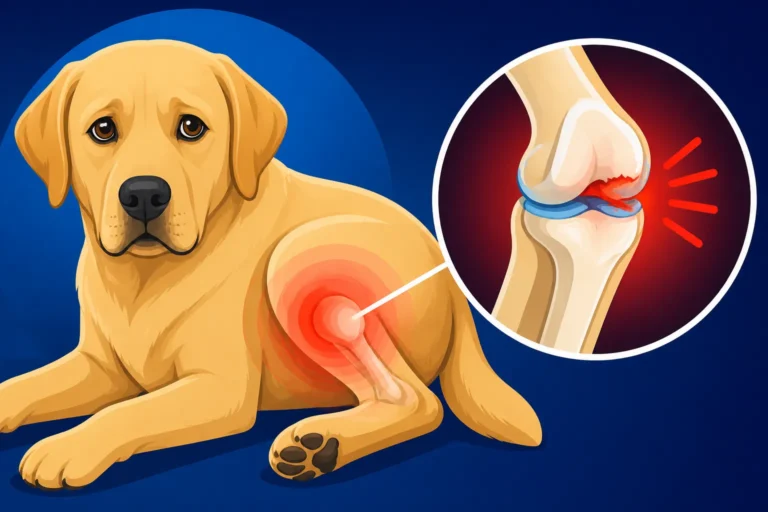
Beyond dysplasia, Labradors are also prone to cranial cruciate ligament (CCL) tears in their knees, often referred to as a "blown knee." This is the same ligament that athletes sometimes tear in humans (ACL). Given their love for high-energy activities, sudden stops, twists, or jumps can put immense strain on this ligament, leading to a partial or complete tear. The typical scenario involves a dog suddenly yelping during play and then holding up a hind leg, unable to put weight on it.
A torn CCL usually requires surgical intervention, such as Tibial Plateau Leveling Osteotomy (TPLO) or Tibial Tuberosity Advancement (TTA), to stabilize the joint. These surgeries are highly effective but come with significant recovery time and expense. Imagine your normally active Lab being restricted to short leash walks for months – it's tough on them and tough on you! Preventing these injuries often comes down to managing their exercise, ensuring proper warm-ups, and maintaining a healthy weight to reduce joint stress.
Managing Chronic Pain from Arthritis
As Labradors age, or if they have underlying joint issues like dysplasia, arthritis becomes an almost inevitable part of their lives. We've all seen an older Labrador slowly rise from a nap, stiff and perhaps a little wobbly. Labrador Arthritis in Middle Age can manifest as stiffness, reduced mobility, difficulty with stairs, reluctance to jump, or even irritability when touched in certain areas. It's not just about getting old; it's chronic pain that needs attention.
Managing arthritis involves a multi-pronged approach. This often includes anti-inflammatory medications prescribed by your vet, joint supplements (glucosamine, chondroitin, omega-3 fatty acids), physical therapy, controlled exercise, and maintaining an ideal weight. Creating a comfortable home environment with orthopedic beds and ramps can also make a huge difference. It's about recognizing that they are in pain and finding ways to alleviate it so they can enjoy their golden years as comfortably as possible. It truly changes how you view their daily routine when every step can be a challenge.
Navigating Skin Sensitivities and Persistent Ear Problems
If you own a Labrador, chances are you've dealt with an itchy dog or a stinky ear at some point. These issues are incredibly common and can be a source of constant frustration for both the dog and the owner.
When Your Labrador's Ears Just Won't Stay Clean
Those beautiful, floppy Labrador ears are, unfortunately, a magnet for trouble. Their long, pendulous shape limits air circulation, creating a warm, dark, and humid environment that is a perfect breeding ground for bacteria and yeast. This is why Labrador Ear Infections and Swimming are so common, especially for those Labs who love to dive into any body of water they can find. If your Lab swims frequently, or even just gets wet during baths, water can get trapped in the ear canal, exacerbating the issue.
You'll know if your Lab has an ear infection by signs like excessive head shaking, scratching at their ears, a foul odor emanating from the ear, redness or swelling, and a discharge that can range from waxy to pus-like. It's often painful for them, and chronic infections can even lead to more serious conditions affecting their balance and hearing. Regular cleaning with a vet-approved ear cleaner, especially after swimming, is crucial for prevention. But once an infection takes hold, it often requires prescription medication from your vet. It can be a never-ending battle for some, with repeated trips to the clinic.
Allergies, Hot Spots, and Constant Itching
Labradors are also highly susceptible to various allergies, which often manifest as skin problems. Whether it's environmental allergens like pollen, dust mites, or certain grasses, or even food allergies, the result is often the same: intense itching, redness, and inflammation. You might notice your Lab constantly licking their paws, rubbing their face, or scratching incessantly, sometimes even chewing at their fur until raw.
This constant scratching and licking can quickly lead to "hot spots," which are acute moist dermatitis lesions. These are typically red, oozing, painful sores that appear seemingly overnight and can spread rapidly. They are incredibly uncomfortable for your dog and require immediate veterinary attention to prevent secondary bacterial infections. Treating allergies and hot spots can be a long and expensive journey, involving allergy testing, special diets, topical treatments, oral medications, and sometimes even immunotherapy. It’s a challenge to watch your dog be so uncomfortable, and finding the right combination of treatments can take time and patience. Healthy Paws can be a real lifeline when you're dealing with persistent dermatological issues, covering those ongoing vet visits and prescriptions.
Diet, Digestion, and Metabolic Roadblocks
Labradors are famously food-motivated, which, while useful for training, also presents some significant health challenges related to diet and metabolism.
The Ever-Present Struggle Against Obesity
It's no secret that Labradors love food. They approach every meal like it's their last, and their pleading eyes are hard to resist. Unfortunately, this enthusiasm, combined with a genetic predisposition (a deletion in the POMC gene is found in about a quarter of Labradors) means that Why Labradors Gain Weight So Easily is a very real problem. Obesity is rampant in the breed, and it's not just about aesthetics. An overweight Labrador is at a much higher risk for a host of other health problems, including diabetes, heart disease, respiratory issues, and, as we discussed, exacerbated joint pain and arthritis.
We often see Labs coming into the vet clinic carrying an extra 10-20 pounds, which on a 70-pound dog is like a human carrying an extra 40-80 pounds! Getting the weight off can be an uphill battle, requiring strict portion control, regular Exercise a Labrador Needs Each Day, and sometimes prescription weight-loss diets. It requires a dedicated owner to resist those begging eyes and prioritize their dog's long-term health over immediate gratification. It's a tough love situation, but one that significantly impacts their lifespan and well-being.
Gastrointestinal Issues and the Fear of Bloat
Labradors, with their deep chests and voracious eating habits, are unfortunately among the breeds at higher risk for Gastric Dilatation-Volvulus (GDV), commonly known as bloat. This is a life-threatening emergency where the stomach fills with gas, food, or fluid and then twists, cutting off blood supply and potentially rupturing. It's an incredibly frightening condition that comes on suddenly and progresses rapidly.
Symptoms of Bloat Symptoms in a Labrador Retriever include a distended abdomen, unproductive retching (trying to vomit but nothing comes up), restlessness, pacing, excessive drooling, and signs of pain. If you suspect bloat, it is an immediate, critical emergency – every minute counts, and you need to get to an emergency vet immediately. Even with prompt surgery, the mortality rate can be significant. Many vets recommend a prophylactic gastropexy, a procedure that surgically tacks the stomach to the abdominal wall, to prevent the twisting if your Labrador is deemed at high risk. Other, less critical GI issues like dietary indiscretion (eating something they shouldn't) or food sensitivities also send many Labs to the vet for vomiting or diarrhea.
Understanding Hypothyroidism in Labradors
While less dramatic than bloat, hypothyroidism is another metabolic condition that frequently affects Labradors. This occurs when the thyroid gland doesn't produce enough thyroid hormone, which regulates metabolism. Because its symptoms can be vague and mimic other conditions or simply "aging," it can sometimes go undiagnosed for a while.
Common signs include unexplained weight gain despite no change in diet or exercise, lethargy, a dull or thinning coat, dry skin, and sometimes even increased susceptibility to skin infections. Owners might notice their normally energetic Lab becoming unusually sluggish or gaining weight that seems impossible to shed. A simple blood test can diagnose hypothyroidism, and it's usually managed with daily thyroid hormone supplementation. While it's a lifelong condition, with proper medication, most Labs with hypothyroidism can lead perfectly normal, active lives. It's one of those conditions that requires vigilance from the owner to spot the subtle changes in their dog's energy and appearance.
Serious Health Concerns and Age-Related Ailments
As Labradors move into their senior years, new health challenges often arise, requiring more frequent veterinary visits and specialized care.
The Silent Threat of Cancer
It's a dreaded word for any pet owner: cancer. Unfortunately, Cancer in Labrador Retrievers is a significant concern, particularly as they age. Lymphoma, mast cell tumors, hemangiosarcoma, and osteosarcoma are among the more common types seen in the breed. The heartbreaking reality is that cancer is a leading cause of death in older dogs.
Detecting cancer early can be challenging, as symptoms can be subtle and varied. They might include unexplained lumps or bumps (though many lumps are benign lipomas, any new growth should be checked), persistent lameness, weight loss, lethargy, loss of appetite, vomiting, or diarrhea. Regular hands-on checks at home, where you feel your dog all over for any changes, are crucial. During routine vet visits, your veterinarian will also perform thorough examinations, but between those, it's up to us to be observant. If you notice anything unusual, don't hesitate to get it checked out. Treatment options can range from surgery to chemotherapy and radiation, all of which can be incredibly costly and emotionally taxing. This is another area where having pet insurance like Healthy Paws can make tough decisions easier by alleviating some of the financial burden.
Keeping Those Pearly Whites Healthy: Dental Disease
Believe it or not, dental disease is one of the most common health problems diagnosed in adult dogs, and Labradors are no exception. It's often overlooked because many owners don't realize how critical oral health is to overall well-being. Plaque and tartar buildup can lead to gingivitis, painful infections, tooth loss, and can even contribute to more serious systemic issues affecting the heart, kidneys, and liver as bacteria from the mouth enter the bloodstream.
Signs of Labrador Dental Disease and Tartar include bad breath (often much worse than typical "dog breath"), yellow or brown tartar on the teeth, red and swollen gums, difficulty eating, pawing at the mouth, or excessive drooling. Regular brushing at home, dental chews, and professional dental cleanings under anesthesia are vital. Many Labradors require annual or bi-annual dental cleanings once they reach middle age, where the vet will scale off tartar, polish teeth, and extract any diseased teeth. It's far more than just aesthetics; it's about preventing pain and preserving their health.
Watching for Eye Conditions and Vision Changes
Labradors can also be prone to several eye conditions that can lead to vision impairment or even blindness. Progressive Retinal Atrophy (PRA) is a genetic condition that causes the gradual degeneration of the retina, leading to blindness. Cataracts, which cause clouding of the lens, are also common, especially in older Labs or those with diabetes.
Signs of eye trouble might include bumping into furniture, reluctance to navigate in dim light, cloudy eyes, redness, excessive tearing, or squinting. While some conditions, like PRA, have no cure, others, like cataracts, can sometimes be treated with surgery to restore vision. Regular eye examinations by your vet, particularly as your Labrador ages, are important for early detection. If you notice any changes in your Labrador's eyes or behavior related to their vision, it's essential to seek veterinary advice promptly. Early intervention can preserve vision longer or help your dog adapt to vision loss.
Empowering Owners: Proactive Health Management
While it’s impossible to prevent every health issue, there’s a great deal we can do as Labrador owners to minimize risks and ensure our dogs live long, healthy, and happy lives. Proactive care is truly the best defense.
The Lifeline of Regular Veterinary Check-ups
One of the most powerful tools in our arsenal is the regular veterinary check-up. These aren't just for vaccinations; they're comprehensive health assessments that can catch problems before they become severe. Your vet will perform a thorough physical exam, checking everything from their teeth and ears to their heart and joints. They'll also discuss diet, weight, and any behavioral changes you might have noticed.
For senior Labradors, these check-ups often include routine bloodwork, which can detect early signs of kidney disease, liver issues, or thyroid problems before clinical symptoms appear. Think of it as their annual physical – it’s a critical component of preventative care. Additionally, when considering a new puppy, ensuring the breeder provides Health Clearances a Labrador Breeder Must Show for hips, elbows, and eyes, and potentially genetic panels for conditions like EIC and PRA, is fundamental to starting with a healthy foundation. These regular visits are where you can ask questions, voice concerns, and build a strong partnership with your vet in caring for your beloved Lab.
Lifestyle Choices for a Healthier, Happier Labrador
Beyond veterinary care, our daily choices as owners play a massive role in our Labrador's health. The single most impactful thing we can do is maintain their ideal weight. Given their predisposition to obesity, strict portion control and providing ample opportunities for activity are non-negotiable. An overweight Labrador will invariably face more health challenges and live a shorter life.
A balanced, high-quality diet appropriate for their life stage is also essential. For puppies, a large-breed puppy food helps support slower growth and reduce the risk of orthopedic issues. As adults, monitoring calories and adjusting as needed keeps them trim. Beyond diet, consistent exercise tailored to their age and physical condition is vital. This helps keep their joints mobile, muscles strong, and their minds happy. Don't forget mental stimulation too – puzzle toys, training, and enrichment activities are just as important as physical exercise for a well-rounded, healthy Labrador. It’s a holistic approach that truly makes a difference in their overall How Long Labrador Retrievers Live on Average.
Common Labrador Conditions and Typical Vet Interventions
| Condition | Common Onset Age | Key Symptoms | Typical Vet Intervention | Preventative/Management Tips |
|---|---|---|---|---|
| Hip/Elbow Dysplasia | Puppy to Adult | Lameness, stiffness, reluctance to move, "bunny hop" | Pain meds, anti-inflammatories, surgery (THR, TPLO) | Responsible breeding, weight management, moderate exercise |
| Ear Infections | Any age | Head shaking, scratching, odor, discharge, redness | Ear cleansers, antibiotics, antifungals, corticosteroids | Regular cleaning, drying ears after swimming |
| Obesity | Adult | Weight gain, lethargy, poor stamina, body condition score >5 | Diet adjustment, increased exercise, prescription diets | Portion control, consistent exercise, healthy treats |
| Allergies/Hot Spots | Young to Adult | Itching, licking, chewing, redness, open sores | Antihistamines, steroids, antibiotics, special diets | Identify/avoid triggers, regular grooming, flea control |
| Cruciate Ligament Tear | Adult | Sudden lameness, non-weight bearing, pain | Surgery (TPLO, TTA), pain management, physical therapy | Weight management, proper warm-ups, controlled activity |
| Arthritis | Middle Age+ | Stiffness, difficulty rising, lameness, reduced activity | NSAIDs, joint supplements, physical therapy, laser therapy | Weight management, joint supplements, supportive bedding |
| Dental Disease | Adult+ | Bad breath, tartar, red gums, difficulty eating | Professional cleaning, extractions, antibiotics | Daily brushing, dental chews, regular vet checks |
| Hypothyroidism | Adult (2-6 yrs) | Lethargy, weight gain, dull coat, skin issues | Daily thyroid hormone medication | Regular vet check-ups, blood tests |
| Cancer | Senior | Lumps/bumps, weight loss, lethargy, lameness, appetite changes | Surgery, chemotherapy, radiation, palliative care | Regular vet checks, prompt investigation of changes |
| Bloat (GDV) | Adult | Distended abdomen, unproductive retching, restlessness | IMMEDIATE Emergency Surgery | Slow feeding, avoid exercise after eating, gastropexy |
Navigating the health landscape of a Labrador can feel like a full-time job at times, but with knowledge and proactive care, you can make informed decisions that greatly benefit your companion. Whether it's preventing the common aches and pains or knowing what to do in an emergency, being prepared is key to a long and happy life together. It also helps to learn how to identify subtle cues, as Reading Pain in a Stoic Labrador is a valuable skill for any owner. When they do enter their golden years, understanding the nuances of Caring for a Senior Labrador will ensure they remain comfortable and cherished.
Disclaimer
The information provided in this guide is for general informational purposes only and does not constitute veterinary advice. Always consult with a qualified veterinarian for any health concerns or before making any decisions about your Labrador's health or treatment.