Why a Labrador Follows You Everywhere
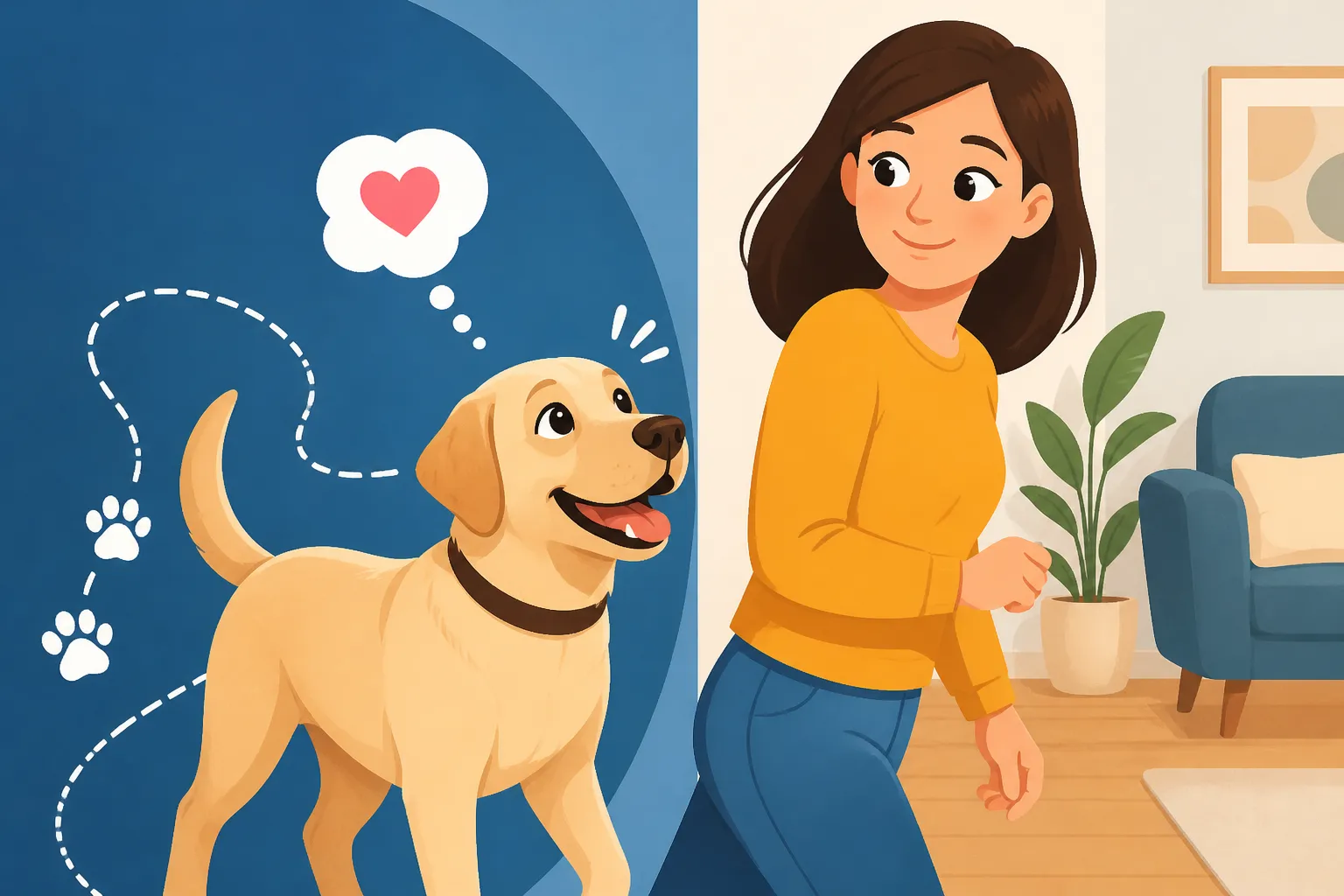
If you're a Labrador owner, you know the feeling: you stand up to grab a glass of water, and there's a furry shadow at your heels. You move from the living room to the kitchen, and your Labrador is right behind you, sometimes even bumping into your legs. This constant companionship, while endearing, can sometimes make you wonder, "Why does my Labrador follow me everywhere?" This guide will delve into the deep-rooted reasons behind this characteristic "Velcro Lab" behavior, from their historical purpose to their inherent personality, and offer insights into both healthy attachment and potential anxieties.
The Labrador's Innate Drive for Companionship
It’s easy to feel like your Labrador is just being clingy, but their tendency to follow you isn't just a quirky habit; it’s deeply embedded in their history and genetic makeup. These aren't dogs who were bred for solitary guarding or independent hunting far from their human partners. Labradors were developed for a life of close collaboration, and that bond is still very much alive today.
Bred to Work Alongside Humans
Think about where Labradors came from: the cold, harsh coasts of Newfoundland. They weren't just pets; they were essential working partners for fishermen. Their job wasn't to hunt independently in the woods, but to retrieve fish that escaped nets, pull in lines, and bring back ducks shot by hunters. This work required them to be constantly attuned to their human companions, watching for signals, anticipating needs, and performing tasks directly alongside them, often from small boats or busy docks. A Labrador that wandered off or wasn't focused on its human handler wouldn't have been much use. This intense focus on human interaction and partnership became a cornerstone of the breed's temperament. They learned to rely on us, and we relied on them. That historical blueprint for being "man's best friend" in the most practical sense is still evident in their desire to stay close.
Natural Pack Instincts
Beyond their working heritage, Labradors, like many dog breeds, retain strong pack instincts. In a domestic setting, you and your family become their "pack." They see you as their leaders, their providers, and their protectors. For them, sticking close to their pack leaders isn't just about affection; it's about security and belonging. When you move, they move, because in their mind, the pack moves together. This instinct is especially pronounced in breeds like the Labrador, which thrive on social interaction and often struggle with isolation. They want to be part of whatever you're doing, even if "what you're doing" is just going to the bathroom. It’s their way of staying connected and reaffirming their place within the family unit.
Understanding Their Emotional Needs
A Labrador's constant shadow act isn't always about a job to do or a pack to follow; it’s often deeply rooted in their emotional world. They are incredibly sensitive and affectionate creatures, and their need for connection often manifests as physical proximity. Understanding these emotional drivers can help us appreciate their behavior rather than just tolerate it.
Seeking Reassurance and Security
Sometimes, your Labrador follows you because they're looking for reassurance. If there's a new sound outside, a strange visitor, or even just a change in your routine, they might stick closer. Your presence is their comfort zone, their safe harbor. A sudden clap of thunder might send them straight to your side, nudging your hand or resting their head on your lap. They're seeking your calm demeanor to help them gauge whether a situation is safe. This isn't weakness; it's a testament to the trust they place in you. They see you as the one who can interpret the world and keep them safe within it. For a Labrador, a quick glance or a reassuring pat from you can make all the difference when they're feeling a little unsure.
Labrador Affection and Attachment Styles
Labradors are famously affectionate dogs, known for their unwavering loyalty and loving nature. Their attachment style tends to be very secure and warm, often leading to them wanting to be physically close to their favorite people. They thrive on connection and touch. This is why many owners describe their Labradors as "Velcro dogs" – they just want to be stuck to you! This deep affection isn't just about getting treats or walks; it’s a genuine desire for companionship and bonding. They express their love by being near you, whether it's lying at your feet while you work, leaning against you on the couch, or following you from room to room. It's their way of saying, "I love you, and I want to be with you." If you're wondering How Affectionate Labrador Retrievers Are, you'll quickly discover that their devotion often translates into this persistent following behavior. It's simply part of their loving nature to want to be intertwined with your daily life.
Behavioral Reasons for Constant Shadowing
Beyond instinct and emotion, there are also behavioral patterns that contribute to your Labrador’s shadowing. These are often learned behaviors, reinforced by our own actions (sometimes unknowingly!), and by their incredible intelligence and understanding of routines. They're smart cookies, after all, and they quickly figure out what makes the world go 'round, especially when it involves their favorite human.
Anticipating Your Next Move (Food, Walks, Play)
Labradors are incredibly intelligent and observant dogs, and they quickly learn your routines. They know that when you stand up from your desk, it might mean you're headed to the kitchen for a snack (which they hope they'll share!), or perhaps to grab the leash for a walk, or even just to the backyard for a quick potty break. Because they are so driven by food and activity, they become master anticipators. Every subtle shift in your posture, every glance towards the door, every jingle of keys can be a signal that something exciting is about to happen. By following you, they're essentially positioning themselves for the best possible outcome – whether that's a surprise treat, an adventure outside, or an impromptu game of fetch. They are opportunists in the best sense of the word, and being right by your side gives them a front-row seat to all the action. This can be especially true if you have a Labrador who is Using a Labrador's Food Drive as Leverage – they know where the good stuff comes from!
Learned Behavior and Reinforcement
Let's be honest, sometimes we inadvertently reinforce this shadowing behavior. When your Labrador follows you, you might unconsciously reward them with attention. Perhaps you give them a quick pat, speak to them, or even just make eye contact. To a Labrador, any attention, positive or negative, can be a form of reinforcement. If they've learned that trailing you often leads to something good – even if it's just a moment of connection – they'll continue to do it.
Consider this common scenario: you get up for a drink, your Labrador follows, and you absentmindedly drop a piece of ice for them to crunch. Boom! Behavior reinforced. Or, you go to the laundry room, they follow, and you give them an old sock to play with. Reinforced again. Over time, these small, consistent interactions teach your Labrador that being your shadow is a pretty good gig. It's not manipulative on their part; it's simply how dogs learn what works in their world. If you find yourself giving them attention when they're underfoot, you're likely teaching them that it's a great place to be. You can find many enriching toys and treats on platforms like Chewy that can help redirect some of this attention-seeking behavior.
When Following Becomes a Concern
While a Labrador's "Velcro" nature is often endearing, there are times when constant following can cross the line from healthy attachment to a sign of anxiety or insecurity. It's important for us, as their guardians, to understand the difference and know when to intervene with support and training. A truly content Labrador is one that feels secure whether you're in the same room or not.
Distinguishing Normal From Anxious Behavior
How do you know if your Labrador is just being typically affectionate or if their shadowing is born out of anxiety? It boils down to their overall demeanor and the presence of other symptoms. A Labrador who is simply being a "Velcro dog" will generally appear relaxed and happy when they're following you. Their tail might wag, their body will be loose, and they'll settle down calmly when you stop. They might even wander off occasionally to sniff something interesting or chew a toy, only to rejoin you later. This is healthy attachment.
Anxious following, however, comes with a different set of signals. If your Labrador is constantly glued to your side, panting excessively, drooling, whining, trembling, or appearing restless even when you're present, these could be signs of anxiety. They might pace nervously, try to physically block your path, or become distressed when you prepare to leave the room. This isn't just about wanting to be near you; it's about a deep fear of being separated. You might notice these behaviors escalating when you get ready to leave the house, indicating Separation Anxiety in Labrador Retrievers. It's crucial to observe your dog's overall body language and look for clusters of these anxious behaviors.
To help illustrate the difference, here's a quick comparison:
| Trait/Behavior | Normal Following | Anxious Following |
|---|---|---|
| Body Language | Relaxed, loose, happy tail wag, soft eyes | Stiff, panting, trembling, tucked tail, wide eyes |
| Vocalizations | Minimal, occasional happy sigh | Whining, persistent barking, howling |
| Ability to Settle | Lies down calmly when you stop, takes naps | Restless, pacing, inability to relax, constantly shifting |
| Reaction to Your Absence | Tolerates short absences, may greet calmly | Destructive chewing, inappropriate urination, extreme distress |
| Focus | Can be distracted by toys or other people | Hyper-focused on you, ignores toys/treats |
| Eating/Drinking | Normal appetite | May refuse food/water when stressed |
If you recognize multiple signs of anxious following in your Labrador, it's a good idea to consult with a veterinarian or a certified professional dog trainer.
Strategies for Encouraging Independence
If your Labrador's shadowing leans more towards anxiety or simply makes it hard to move around your home, there are steps you can take to foster more independence. The goal isn't to push them away, but to build their confidence and teach them that being alone sometimes is okay.
First, create a positive association with their own space. This could be a comfy dog bed in a quiet corner, a designated mat, or even a Crate Training a Labrador Puppy setup they love. Provide high-value chew toys or puzzle feeders from a brand like Chewy that they only get when they are in their "spot." This teaches them that good things happen when they're relaxing independently.
Next, practice short, calm separations. Start by simply stepping into another room for a few seconds and then returning before they get distressed. Don't make a big fuss when you leave or return. The goal is to make your departures and arrivals feel normal and unremarkable. Gradually increase the duration of these separations. This is a key step in Building Alone-Time Tolerance in a Labrador Puppy or an adult dog.
You can also incorporate "place" training, where you teach your Labrador to go to their designated spot and stay there while you move around the house. Reward them heavily for remaining in their place, even as you leave the room for brief periods. This helps them understand that they don't always need to follow to get your attention or approval.
Finally, ensure your Labrador is getting enough mental and physical exercise. A bored or under-exercised Labrador is more likely to cling, as they have excess energy and mental stimulation needs. Engage them in activities like fetch, long walks, or Scent Work for a Labrador Indoors to tire them out constructively. A tired Labrador is often a calmer, more independent Labrador.
Remember, patience and consistency are key. It takes time to reshape behaviors, especially those rooted in deep instincts or anxiety.
Disclaimer
This article is for general informational purposes only and does not constitute professional advice. Laws, prices and regulations vary by location and change over time. Consult a qualified professional for guidance on your specific situation.