Labrador Coat Blowing in Spring and Fall
If you're a Labrador owner, you know the struggle is real. Twice a year, it feels like your beloved companion transforms into a fur-shedding machine, leaving a fine dust of Labrador glitter on every surface of your home. That massive influx of loose hair, often accompanied by changes in coat texture, isn't just a nuisance; it's a natural phenomenon known as "coat blowing," and understanding it is the first step to managing it effectively. This comprehensive guide will walk you through the why, when, and how of your Labrador's seasonal shedding, offering practical advice to keep both your home and your dog happier during these furry transitions.
Understanding the Labrador Double Coat
The Labrador Retriever is renowned for its iconic double coat, a marvelous piece of natural engineering designed to protect them from the elements. It’s not just one layer of fur; it's a carefully orchestrated system that allows them to thrive in various conditions, from icy waters to chilly fields. This unique coat is precisely why they're such excellent retrievers, but it's also the reason for the seasonal "coat blow" that leaves us vacuuming endlessly.
The Insulating Undercoat
Beneath that sleek, somewhat coarse outer layer lies a dense, soft, and remarkably insulating undercoat. Think of it as your Labrador's personal thermal underwear. This layer is made up of fine, downy hairs that trap air close to the body, providing exceptional insulation against both cold and heat. It's this undercoat that makes them so resilient in cold water, allowing them to remain comfortable even when plunging into frigid lakes or retrieving ducks from icy rivers. Without this protective layer, their legendary retrieving drive would be significantly hampered by discomfort.
However, this undercoat isn't a static thing. Its thickness and density fluctuate throughout the year in response to environmental cues. As the seasons change, so too does the need for this intense insulation. When the weather warms up, that thick undercoat becomes a hindrance, trapping too much heat. Conversely, as winter approaches, a thicker undercoat is vital for warmth. The process of shedding and regrowing this layer is at the heart of the coat-blowing phenomenon.
The Protective Outer Coat
Over the soft undercoat lies the guard coat, also known as the topcoat. This layer consists of straight, short, and somewhat coarse hairs that are water-resistant and durable. These hairs are crucial for protecting your Labrador's skin from scratches, UV rays, and moisture. Have you ever noticed how water just beads up and rolls off your Labrador after a swim? That's thanks to the natural oils on these guard hairs, which create a barrier, preventing water from penetrating to the skin and undercoat. This means your dog dries faster and stays warmer, a huge advantage for a breed designed to work in and around water.
While the undercoat is primarily responsible for the bulk of the shedding during a coat blow, the guard hairs also shed, albeit more gradually and consistently throughout the year. The topcoat helps to regulate body temperature by shielding the skin from direct sunlight in summer and offering a first line of defense against cold and wet in winter. Understanding both layers helps us appreciate the complexity of their coat and why managing shedding requires a multi-pronged approach. When you see your Labrador looking a bit shaggy or noticing a sudden increase in hair around the house, it's often the undercoat making its grand exit or entrance. You can learn more about how to manage their distinct fur in Grooming a Labrador's Short Double Coat.
The Science Behind Seasonal Shedding
It might seem like your Labrador is just arbitrarily deciding to redecorate your home with their fur twice a year, but there’s actually some fascinating biology at play. This isn’t a random occurrence; it’s a finely tuned response to their environment, passed down through generations of their ancestors. Understanding these triggers can help you anticipate the shedding cycles and prepare accordingly.
Photoperiodism and Hormonal Changes
The primary driver behind your Labrador's seasonal coat blow is something called photoperiodism. Simply put, it's their body's response to the changing length of daylight hours. As the days grow longer in spring, their body senses the approach of warmer weather. This change in light exposure triggers a cascade of hormonal shifts that signal the old, heavy winter undercoat to release. The goal is to lighten their insulation and prevent overheating as temperatures rise. Imagine wearing a heavy winter coat in July – it would be unbearable! Your Labrador feels the same way about their fur.
Conversely, as the days begin to shorten in late summer and early fall, the inverse process happens. Hormonal signals prompt their body to shed the lighter summer coat and start growing in a new, denser undercoat. This prepares them for the colder temperatures and harsher conditions of winter. It’s an evolutionary adaptation that ensured their survival and comfort as a working dog in diverse climates. While this is a natural cycle, some individual Labradors might experience more pronounced or slightly different timing based on their genetics, diet, and overall health.
Environmental Factors Influencing Shedding
While photoperiodism is the main conductor of the shedding orchestra, other environmental factors can play supporting roles, subtly influencing the timing and intensity of your Labrador’s coat blow. Living indoors, for example, can sometimes blur the lines of these natural cycles. Dogs that spend most of their time in climate-controlled homes might experience a less dramatic, more consistent shedding year-round compared to those who spend significant time outdoors and are more exposed to the natural fluctuations of light and temperature.
The local climate also has a big impact. A Labrador living in a region with mild winters and long, hot summers might shed more gradually or have a less dense winter coat than one living in an area with extreme seasonal changes. Humidity levels can also affect coat health and shedding. While these factors can slightly alter the rhythm, the fundamental twice-yearly "blow" is usually unmistakable. Additionally, factors like stress, diet quality, and underlying health issues can impact the overall health of the coat and the amount of shedding. A dog that is unwell or on a poor diet might shed excessively or have a dull, brittle coat, regardless of the season.
Recognizing When Your Labrador is Blowing Their Coat
So, how do you know if your Labrador is just having a regular shedding day (which, let's be honest, is most days for a Labrador!) or if they're embarking on a full-blown coat blow? There are distinct signs and times of the year to look for, and once you know what to expect, you can be better prepared to tackle the furry onslaught. It's not just about the amount of hair, but often the type of hair and how easily it comes out.
Spring Shedding: The Winter Coat Release
When spring rolls around and the days start getting noticeably longer, usually late March through May, your Labrador will begin the arduous process of shedding their thick winter undercoat. This is often the most dramatic and noticeable shedding period. You might wake up one morning and suddenly feel like your dog has doubled in size, not from weight gain, but from the sheer volume of loose hair waiting to escape.
You'll typically see clumps of soft, downy hair coming off your dog with minimal effort, sometimes just from a gentle petting. If you run your hands through their fur, you’ll pull away handfuls of what looks like cotton wool. This is their body making way for a lighter, cooler summer coat. During this time, grooming becomes critical – daily brushing is not an option, but a necessity, to help remove the dead undercoat and prevent mats, especially in the areas behind the ears, on their flanks, and around their tail. This is also when your vacuum cleaner truly earns its keep! Be ready to deploy your Deshedding Tools for a Labrador.
Fall Shedding: Preparing for Winter
While perhaps not as universally epic as the spring blow, the fall shedding period, generally spanning late September through November, is equally important. During this time, your Labrador will shed their lighter summer coat to make room for a new, denser winter undercoat. The shedding might appear slightly different; instead of massive clumps, you might notice a more constant, heavy trickle of finer hairs as the lighter undercoat is replaced.
This phase is crucial for their winter comfort. If the old, dead summer coat isn't shed, it can hinder the proper growth of the new, warm undercoat and impact the coat's insulating properties. While still significant, the fall blow might feel a bit less overwhelming because you're not dealing with the same volume of deeply insulating fluff as in the spring. Nevertheless, consistent grooming remains paramount to aid this natural transition and ensure their new winter coat grows in healthy and strong. It's a bit like clearing out last season's wardrobe to make room for new, cozy sweaters!
Year-Round Shedding vs. Seasonal Blow
It's important to differentiate between the heavy, seasonal coat blows and the more typical year-round shedding that Labradors do. Labradors are, by nature, moderate to heavy shedder all the time. They're not a "non-shedding" or "hypoallergenic" breed by any stretch of the imagination. Every single day, your Labrador is losing some hair as their coat naturally replenishes itself. This constant, lighter shedding is just part of living with a Labrador.
The difference during a coat blow is the intensity and volume. During these seasonal transitions, the amount of hair coming off your dog will increase dramatically, and it often feels like it's coming off in sheets. You'll find hair everywhere – on your clothes, furniture, car, and in every corner of your home. If you're unsure if it's a coat blow or just regular shedding, try a good brushing session. If you fill a brush with hair in just a few strokes, and it feels like there's an endless supply, then you're likely in the thick of a coat blow. Regular brushing, even outside of these peak times, is essential to keep the baseline shedding manageable and their coat healthy. You might be surprised at How Much a Labrador Sheds Year Round.
Effective Strategies for Managing Coat Blow
Dealing with a Labrador blowing their coat can feel like an uphill battle against a furry avalanche. However, with the right tools and techniques, you can significantly reduce the amount of loose hair floating around your home and keep your Labrador much more comfortable. It's all about being proactive and consistent, rather than reactive.
Grooming Tools That Make a Difference
When your Labrador is blowing their coat, your regular brush simply won't cut it. You need specialized tools designed to penetrate the dense topcoat and reach that shedding undercoat. A good quality deshedding tool, often resembling a rake or a blade with fine teeth, is an absolute game-changer. Brands like Furminator are popular and effective, but there are many options available on Amazon or Chewy. These tools are specifically designed to gently pull out loose undercoat without cutting the guard hairs, making the process much more efficient and comfortable for your dog. I always recommend starting in a low-traffic area or outside, because you'll be amazed at the sheer volume of fur that comes off!
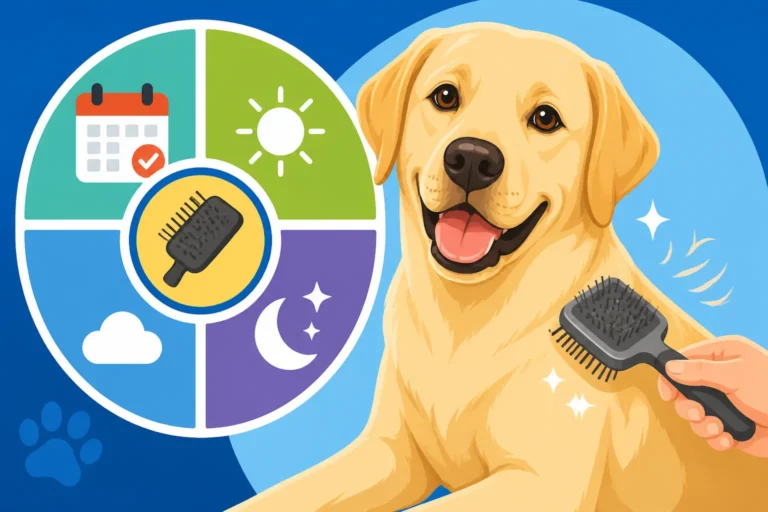
Another indispensable tool is a slicker brush, especially for general maintenance and smoothing the topcoat, but it won't get deep into the undercoat during a heavy blow. A rubber curry brush or grooming mitt can also be surprisingly effective, not just for shedding but also for stimulating circulation and distributing natural oils, giving their coat a healthy shine. Whichever tools you choose, consistency is key. During peak shedding, daily brushing for 15-30 minutes can make a world of difference, preventing mats and reducing the amount of hair that ends up on your furniture. It's a small investment of time for a much cleaner home and a happier, less itchy dog. Check out Brushing a Labrador During Coat Blow for more specific tips.
Bathing for Optimal Shedding Management
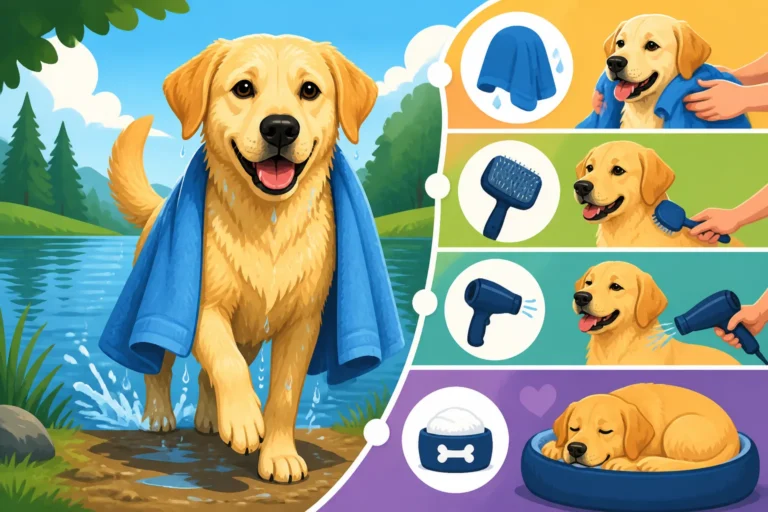
Bathing might not be your first thought when it comes to shedding, but a well-timed bath can be incredibly effective in loosening and removing dead undercoat during a blow. The warm water helps to relax the hair follicles, and a good shampoo and conditioner designed for shedding control can further aid the release of loose hair. After rinsing thoroughly, a powerful dog dryer (or even a regular hairdryer on a cool setting, keeping it moving) can blow out an incredible amount of undercoat before it has a chance to settle back onto your dog or, worse, your living room rug.
However, be mindful not to over-bathe your Labrador, as this can strip their coat of its natural oils, which are vital for its water-resistant properties and overall health. Generally, a bath every 4-6 weeks is sufficient for most Labradors, with increased frequency during coat blowing periods if needed, but not more than every two weeks unless advised by your vet. Always use a dog-specific shampoo and condition to avoid skin irritation. After the bath, ensure your Labrador is thoroughly dry, especially the undercoat, to prevent skin issues. Proper drying is also crucial for maintaining the integrity of Why a Labrador Coat Is Water Resistant.
Diet and Supplements for Coat Health
What goes into your Labrador's body directly impacts the health of their coat. A high-quality diet provides the essential nutrients needed for healthy skin and strong hair follicles, which in turn can lead to less excessive shedding and a more vibrant coat. Look for dog foods where a named meat source is the first ingredient and that contain healthy fats like omega-3 and omega-6 fatty acids. Some owners find that fresh dog food, like that offered by Ollie, can significantly improve coat condition due to the quality of ingredients.
Beyond their regular food, certain supplements can also promote coat health. Fish oil, rich in omega-3 fatty acids, is often recommended by veterinarians to support skin and coat condition, potentially reducing excessive shedding and improving shine. Other supplements like biotin or zinc can also play a role. However, always consult with your veterinarian before adding any supplements to your Labrador's diet, as too much of a good thing can sometimes be harmful. They can help you determine the appropriate dosage and ensure there are no interactions with existing medications or health conditions. Ensuring your dog gets the right nutrition is an often overlooked but crucial aspect of managing their shedding throughout the year. For more on dietary choices, see Choosing Dog Food for a Labrador Retriever.
Living with a Shedding Labrador
Even with the most diligent grooming routine, living with a Labrador means living with some hair. It’s part of the package! But there are definitely ways to manage the furry fallout more effectively and maintain a harmonious home environment, even during the peak of coat blowing season. It’s about creating systems and accepting a certain level of fur as a badge of honor.
Housekeeping Hacks for Labrador Owners
During a coat blow, your vacuum cleaner becomes your best friend, your sworn enemy, and your constant companion. Invest in a powerful vacuum cleaner specifically designed to handle pet hair. Many brands offer models with specialized brush rolls and strong suction that make a noticeable difference in lifting Labrador hair from carpets, rugs, and upholstery. You can find excellent options on Amazon or Chewy. Regular, even daily, vacuuming during peak shedding can prevent hair from accumulating into impossible-to-clean tumbleweeds. Many owners swear by robotic vacuums running daily to keep the baseline fur under control. For further advice on cleaning, explore Vacuums That Handle Labrador Hair.
Beyond vacuuming, consider practical strategies like placing washable throws or covers on your furniture where your Labrador likes to lounge. These can be easily removed, shaken out outdoors, and tossed in the washing machine. Lint rollers will become a staple in your purse, car, and by every door. Keep a damp cloth handy for wiping down hard surfaces, as it can pick up fine hair more effectively than a dry cloth. Regular dusting is also key, as that fine "Labrador glitter" settles on everything. Embrace the fact that your home will likely always have a certain level of fur, but with these hacks, you can keep it from taking over entirely.
Managing Allergies in the Home
If someone in your household suffers from dog allergies, seasonal coat blowing can exacerbate their symptoms significantly. The dander, which is microscopic flakes of skin that shed along with the hair, is the primary allergen, and when a dog is shedding heavily, more dander is released into the environment. While no dog is truly hypoallergenic, and Labradors certainly aren't, there are steps you can take to mitigate allergy symptoms.
Increasing your grooming efforts during a coat blow is crucial. The more loose hair and dander you remove directly from your dog, the less will circulate in your home. Regular bathing, as mentioned, can help wash away dander. Consider using air purifiers with HEPA filters in main living areas and bedrooms to capture airborne allergens. Frequent washing of bedding (both yours and your dog's) and curtains can also help. Designating "fur-free zones" in your home, especially bedrooms, can provide a sanctuary for allergy sufferers. While you can't eliminate the problem entirely, these measures can make a noticeable difference in comfort levels. For other potential skin issues, read Labrador Ear and Skin Disease.
Emotional Support for Owners (and Dogs!) During Peak Shedding
Let's be real, the sheer volume of hair during a Labrador coat blow can be frustrating. You might feel like you're constantly cleaning, and it can be disheartening to see your freshly vacuumed floor quickly covered again. It's okay to feel a bit overwhelmed! Remember that this is a temporary, natural process. Try to reframe it as a necessary step for your dog's health and comfort. A well-maintained coat is a healthy coat.
Your Labrador might also experience some discomfort during a heavy shed. They can feel itchy or even a bit irritable with all that dead hair trapped in their coat. Regular brushing isn't just for cleanliness; it feels good for them, like a massage, and helps relieve that itchiness. Make grooming sessions a positive experience with treats and praise. It's a bonding opportunity, not just a chore. Once you get into a routine, it becomes much more manageable, and you can both emerge from the fluffy chaos ready to enjoy the next season.
| Shedding Phase | Primary Goal of Coat | Key Characteristics of Shedding | Best Grooming Strategy | Typical Timing (Approx.) |
|---|---|---|---|---|
| Spring Blow | Lighten insulation for warmer weather | Massive clumps of soft, downy undercoat; very visible and abundant. | Daily deshedding with a rake/blade; bathing. | Late March – May |
| Summer Maintenance | Protection from sun; light insulation | Moderate, consistent shedding of guard hairs and light undercoat. | Regular brushing (slicker/curry); occasional deshedding. | June – August |
| Fall Blow | Replace summer coat; grow dense undercoat for winter | Heavy shedding of finer hairs; noticeable increase in overall volume. | Consistent deshedding; thorough brushing. | Late September – Nov. |
| Winter Maintenance | Maximum insulation for cold weather | Lighter, but still noticeable, consistent shedding. | Regular brushing; monitor for mats. | December – February |
Disclaimer
This article is for general informational purposes only and does not constitute professional advice. Laws, prices and regulations vary by location and change over time. Consult a qualified professional for guidance on your specific situation.