Why a Labrador Coat Is Water Resistant
Ever noticed how your Labrador can dive headfirst into the murkiest pond, emerge dripping wet, give a mighty shake, and moments later seem almost dry? It’s truly amazing to witness, and it’s all thanks to their incredible, naturally water-resistant coat. If you’ve ever wondered about the magic behind this superpower, you're in the right place. We're going to dive deep into the unique design of the Labrador Retriever's fur, exploring its structure, the special oils that protect it, and what you can do to keep this remarkable natural defense in top condition.
The Marvel of the Labrador's Double Coat
The secret to a Labrador's almost supernatural water resistance lies in its double coat. This isn't just any fur; it's a meticulously designed natural marvel, honed over generations to protect these active dogs from icy waters and harsh weather. Understanding each layer helps us appreciate just how perfectly adapted Labs are to their water-loving lifestyle.
The Dense, Woolly Undercoat: Nature's Thermal Underwear
Beneath the visible top layer of your Labrador’s fur lies a dense, soft, and woolly undercoat. Think of it as their built-in thermal underwear. This isn't just fluffy; it's incredibly functional. The undercoat is designed to trap a layer of air close to the dog's skin. This trapped air then acts as a phenomenal insulator, keeping your Labrador warm even when they’re plunging into freezing cold water during a retrieve. When they're swimming, this undercoat becomes saturated with water, but because the outer coat repels the majority of the water, the undercoat doesn't become waterlogged as easily as a single-coated dog's fur might. It acts like a wetsuit, but one that actually helps them dry faster by allowing air to circulate once they're out of the water. This dense layer is also what creates that soft, plush feel when you run your hands through their fur, especially on their back and flanks.
The Coarse Outer Coat: The Waterproof Shield
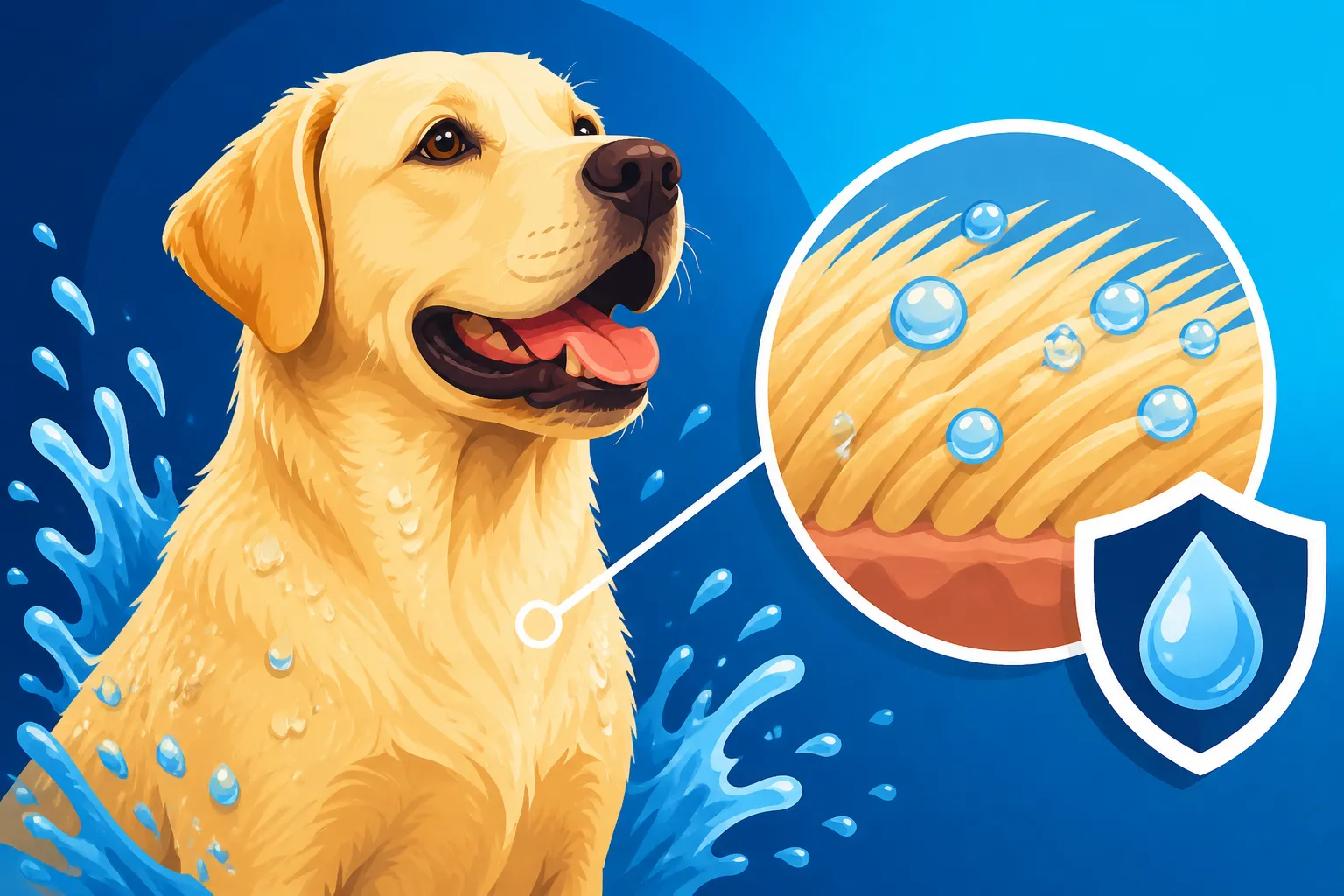
On top of that insulating undercoat sits the outer coat, which consists of tougher, coarser, and slightly longer hairs, often referred to as guard hairs. These aren't soft and cuddly; they have a distinctly rougher texture. This outer layer is the first line of defense against the elements. Its texture is incredibly important because it's designed to lie flat and shed water almost instantly. When water hits this layer, it doesn't penetrate to the skin easily; instead, it beads up and rolls right off. Imagine rainwater hitting a well-waxed car – that’s essentially what happens with a Labrador’s outer coat. These guard hairs also protect the delicate undercoat from abrasion, dirt, and debris, ensuring that the insulating layer remains clean and functional. The stiffness of these hairs ensures they don't mat easily, further enhancing their ability to protect and shed.
How Both Layers Work in Perfect Harmony
It's the synergy between these two distinct layers that creates the Labrador’s famous water resistance. The outer coat forms a protective, water-repellent barrier, while the undercoat insulates and helps manage moisture once the dog is out of the water. When your Labrador dives into the water, the outer coat prevents much of the water from ever reaching the skin. The small amount that does get through is then insulated by the trapped air in the undercoat. Once out of the water, a good shake is usually enough to dislodge most of the water from the outer coat, allowing the underlying layers to begin drying quickly. This rapid drying capability is crucial, especially for dogs that spend a lot of time in and out of the water, preventing chilling and reducing the risk of skin irritations. Without either layer functioning correctly, the coat's remarkable properties would be severely compromised, highlighting the importance of the whole system. This double-layered protection is truly a testament to The Labrador's Fishing and Retrieving Heritage.
The Science of Natural Oils and Lanolin-Like Properties
Beyond the physical structure, there's a vital chemical component to the Labrador's water resistance: their natural skin oils. These oils, often described as having lanolin-like properties, are the true waterproofing agents that coat each strand of hair, making water bead up and roll away.
Sebaceous Glands: The Unsung Heroes of Waterproofing
Every Labrador's skin is equipped with sebaceous glands, tiny glands that produce sebum, a natural oily substance. These glands are particularly abundant and active in Labradors, coating their hair follicles and individual hairs from root to tip. Sebum is a complex mixture of lipids, waxes, and other compounds, and it’s responsible for giving the Labrador's coat that slightly coarse, almost "greasy" feel to the touch, especially if they haven't been bathed recently. This isn't a sign of a dirty dog; it's a sign of a healthy, functioning waterproof coat! This natural oil creates a hydrophobic surface on each hair, meaning it actively repels water molecules. It's similar to how oil and water don't mix; the oil forms a barrier that water simply can't penetrate easily.
The Lanolin Connection: Nature's Own Water Repellent
You might have heard of lanolin in connection with sheep's wool; it's a waxy substance that gives wool its water-repellent properties. While a Labrador's coat doesn't produce true lanolin (which comes from sheep), the sebum produced by their sebaceous glands has very similar properties. It forms a protective, waxy coating that acts as a natural barrier against moisture. When water encounters this oily layer, its surface tension means it can't spread out and soak into the hair. Instead, it forms distinct droplets that are easily shaken or brushed off. This natural oil also gives the coat a healthy sheen and helps keep the skin moisturized and supple. It's a critical part of Why a Labrador Coat Is Water Resistant.
More Than Just Waterproofing: Environmental Protection
This oily layer does more than just repel water. It also acts as a barrier against dirt, mud, and other environmental contaminants. When dirt lands on the coat, it often adheres to the oily film but doesn't easily penetrate the hair shaft or reach the skin. This means that a lot of what might make another dog filthy simply sits on the surface of a Labrador's coat and can often be brushed out once dry. This self-cleaning aspect is a huge bonus, especially for active Labs who love to explore. It keeps their skin healthier by preventing irritants from coming into direct contact and makes post-adventure clean-up much easier for owners. This natural protective layer is why regular grooming and not over-bathing are so crucial.
Genetic Roots: Breeding for Function and Coat Quality
The incredible coat of a Labrador isn't an accident; it's the result of generations of intentional breeding, focusing on functional traits that enabled these dogs to excel in their original roles. Understanding the genetic underpinnings helps us appreciate the breed's heritage and the importance of responsible breeding.
The St. John's Water Dog Legacy
To truly grasp why the Labrador has such a superb water-resistant coat, we need to look back at their ancestors, specifically the St. John's Water Dog from Newfoundland. These hardy dogs were indispensable working companions for fishermen, tasked with retrieving fish, lines, and nets from the icy North Atlantic waters. For such a demanding job, a coat that could withstand frigid temperatures and constant immersion was not just a desirable trait, but an absolute necessity for survival. Breeders selected for dogs with the densest undercoats and the coarsest, most water-repellent outer coats. This relentless focus on function imprinted these crucial coat characteristics into the breed's genetic makeup, a legacy proudly carried by today's Labradors.
The Genetic Blueprint for a Superior Coat
Every Labrador inherits the genetic instructions for building its unique coat. This blueprint dictates the density of the undercoat, the texture and length of the guard hairs, and the activity of the sebaceous glands responsible for oil production. Responsible breeders understand the importance of preserving these traits. They select breeding dogs not just for temperament and health clearances, but also for correct coat quality. A well-bred Labrador will typically have that characteristic coarse, dense, and oily coat that feels distinct from other breeds. Deviations, such as a soft, sparse, or overly silky coat, can indicate a departure from the breed standard and potentially compromise the dog's natural protection. This genetic inheritance is part of why Health Clearances a Labrador Breeder Must Show often include attention to overall breed conformity.
Coat Color and Texture: A Minor Nuance
While the fundamental water-resistant qualities are universal across all Labradors, regardless of color, some owners perceive slight differences in coat texture between black, yellow, and chocolate Labs. For instance, chocolate Labradors are sometimes observed to have a slightly softer coat, which could theoretically impact water resistance if it deviates significantly from the standard coarse texture. However, for a truly well-bred Labrador, the difference in water resistance due to coat color is negligible. The genetic programming for the double coat and oil production is shared across the breed. Any noticeable difference usually points to individual variation within bloodlines rather than a fundamental difference across colors. The primary genetic factors for water resistance are present in all healthy Labs, ensuring that a Median Lifespan of Black and Yellow Labradors and a chocolate Labrador will still possess that remarkable waterproof quality.
Maintaining the Integrity of Your Labrador's Water-Resistant Coat
While a Labrador's coat is a marvel of natural design, it's not entirely maintenance-free. Proper care is essential to ensure those natural waterproofing qualities remain intact and your Lab stays healthy and comfortable.
The Crucial Role of Regular Brushing
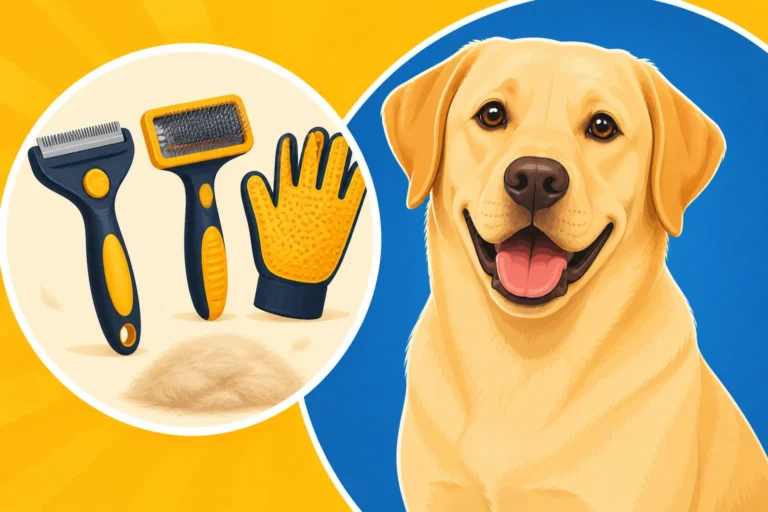
Regular brushing is probably the most underrated aspect of Labrador coat care. It does so much more than just remove loose hair. Firstly, brushing helps to distribute those natural, water-repellent oils evenly across the entire coat. Think of it as polishing a shield – spreading the protective layer ensures full coverage. Secondly, it helps to remove dead undercoat, which can mat and trap moisture if left unchecked. A matted undercoat won't insulate effectively and can actually hold water rather than shedding it, leading to skin issues. During seasonal shedding (often called "coat blow"), brushing becomes even more critical to prevent massive hair accumulation and keep the skin breathing. A good slicker brush or a deshedding tool specifically designed for double coats can work wonders. Brushing a Labrador's Coat is a routine task that pays huge dividends in coat health.
Strategic Bathing: Don't Strip the Oils Away
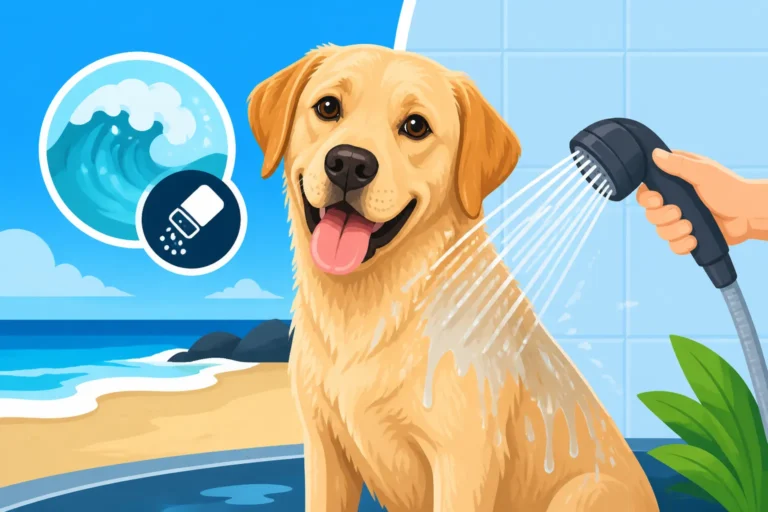
It might seem counterintuitive, but over-bathing your Labrador can actually reduce their water resistance. Harsh shampoos, or bathing too frequently, can strip away the natural sebum that provides the waterproofing. Without this oily layer, the hair becomes more absorbent, and water can penetrate more easily, defeating the purpose of their specially designed coat.
When you do bathe your Labrador (and they will need baths, especially if they've rolled in something truly smelly!), choose a mild, dog-specific shampoo that is designed not to strip natural oils. Avoid human shampoos entirely, as their pH balance is different and can irritate your dog's skin. Lather gently, rinse very thoroughly to ensure no residue is left behind, and allow your Lab to air dry or use a towel. If you use a forced air dryer, be careful not to overheat the skin. How Often to Bathe a Labrador should be a consideration, usually only when truly necessary to maintain coat integrity.
Drying After a Swim: Beyond the Shake
While a Labrador's coat is built for water, it's still important to ensure they dry properly, especially after long swims. The initial shake-off is fantastic at removing surface water, but their dense undercoat can still hold moisture close to the skin. If your Lab has been swimming in a lake or pond, particularly in warmer weather, it’s a good idea to towel dry them thoroughly, paying extra attention to the chest, belly, and especially the ears. Moist, warm environments are a breeding ground for bacteria and yeast, which can lead to skin irritations or ear infections. Drying the ears is particularly critical, as their floppy design can trap moisture. Drying a Labrador's Ears After the Lake is an essential step to prevent problems. If you have a dedicated drying space, a towel or even a cool-setting hairdryer can help ensure they are fully dry, preventing dampness from leading to hot spots or other issues. You can find quality dog towels on Amazon that are super absorbent for this task.
| Coat Layer | Texture | Primary Function | Water Interaction | Grooming Focus |
|---|---|---|---|---|
| Undercoat | Soft, dense, woolly | Insulation, warmth | Traps air, can hold moisture if outer coat fails | Deshedding, prevent matting |
| Outer Coat | Coarse, straight, stiff | Water repulsion, protection | Sheds water, first line of defense | Spreading oils, protection |
Common Misconceptions and Protecting Your Labrador's Coat
There are a few myths and practices out there that can actually harm your Labrador’s natural water-resistant coat. Knowing what to avoid is just as important as knowing what to do.
The Problem with Harsh Shampoos and Conditioners
As mentioned, stripping your Labrador's natural oils is a big no-no. Many human shampoos contain harsh detergents that are simply too strong for a dog’s skin and coat. Even some dog shampoos, if not formulated properly or used too frequently, can be detrimental. Look for shampoos that are "moisturizing," "oatmeal-based," or specifically designed for dogs with sensitive skin. Avoid anything with strong perfumes or excessive chemicals. A good conditioner might sound appealing, but for a Labrador, it can sometimes be overkill and might even weigh down the coat or leave a residue that interferes with the natural shedding of water. The goal is to clean without removing the very protective barrier nature intended.
Why You Should Never Shave a Labrador
This is a critical point that many new Labrador owners might not realize. Shaving a Labrador, even in hot weather, is one of the worst things you can do for their coat and their overall well-being. Their double coat isn't just for warmth; it's also for cooling and protection from the sun. The dense undercoat acts as insulation against both cold and heat, regulating their body temperature. Removing it exposes their delicate skin to direct sunlight, increasing the risk of sunburn and skin cancer, and making them less efficient at cooling themselves. Furthermore, once shaved, a Labrador's double coat often grows back incorrectly, with the softer undercoat growing faster and thicker than the guard hairs. This can lead to a coat that mats easily, no longer sheds water efficiently, and can even compromise their ability to regulate temperature. Why You Never Shave a Labrador is a point worth reiterating, as the damage can be long-lasting.
Nutrition's Unsung Role in Coat Health
What goes into your Labrador's bowl directly impacts the health of their skin and coat. A high-quality diet provides the essential fatty acids (like Omega-3 and Omega-6), vitamins, and minerals necessary for healthy skin and robust oil production. If your Labrador's coat seems dull, dry, or their skin is flaky, a look at their diet might be in order. Cheap, filler-heavy foods often lack the nutrients needed to support a healthy coat, potentially compromising its natural water resistance. Conversely, a diet rich in quality proteins and healthy fats will support those sebaceous glands in producing plenty of sebum. Brands that focus on whole ingredients, like Ollie, or reputable kibbles available on Chewy, can make a noticeable difference in coat quality. Choosing Dog Food for a Labrador Retriever is a comprehensive article that can help guide your choices.
Seasonal Changes and Coat Performance
A Labrador's coat isn't static; it adapts to the changing seasons, meaning its thickness and shedding patterns will vary throughout the year. Understanding these changes helps you care for their coat effectively and keep their water resistance in top form.
The "Coat Blow" Phenomenon and Increased Shedding
Twice a year, typically in spring and fall, Labradors go through what is affectionately known as a "coat blow." This is when they shed their entire undercoat, preparing for either a lighter summer coat or a thicker winter one. During this time, the amount of hair you'll find around your house will dramatically increase, sometimes in what feels like impossibly large quantities! While the outer guard hairs shed continuously year-round, the undercoat shedding during a coat blow is profound.
During this period, the coat's water resistance can be slightly compromised. If the dead undercoat isn't removed through regular brushing, it can become matted and trapped, preventing the guard hairs from lying flat and the skin from breathing properly. This can create pockets where moisture can be held rather than repelled, making your Lab stay wet longer and potentially leading to skin irritation. Daily brushing during a coat blow is absolutely essential to help them shed out the old coat and make way for the new. Labrador Coat Blowing in Spring and Fall further explains this fascinating process.
Winter vs. Summer Coat Differences
In winter, a Labrador's undercoat grows significantly thicker and denser, providing maximum insulation against cold temperatures. This makes them incredibly well-suited for chilly outdoor adventures, even in snow and ice. The thicker undercoat, combined with their naturally oily outer coat, means snow and ice often have a hard time clinging to their fur, and any that does melt is largely repelled.
As temperatures rise in spring, they shed this thick undercoat, and the new undercoat that grows in for summer is much lighter and sparser. This allows for better airflow and helps them dissipate heat more effectively. While the overall density changes, the water-repellent qualities of the outer coat remain, ensuring they can still enjoy a refreshing dip in the lake without getting waterlogged. It’s a brilliant example of natural adaptation, allowing your Lab to enjoy every season. Winter Coat Care for a Labrador in Snow is another great resource for seasonal tips.
Adjusting Seasonal Coat Care
Your grooming routine should ebb and flow with these seasonal changes. During the heavy shedding periods of spring and fall, you'll want to increase your brushing frequency, perhaps even daily, to help remove the dead undercoat. This will not only keep your house cleaner but also ensure the coat remains functional and healthy. You might find different brushes more effective during these times, such as a deshedding rake or a rubber curry brush.
In the summer, less intensive brushing might be needed, though consistent attention still helps to distribute oils and keep the coat tidy. Bathing might occur slightly more often if your Lab is particularly prone to rolling in mud or swimming in questionable waters, but always remember to use gentle products. In winter, focus on keeping the coat clean and well-brushed to maintain its insulating properties, ensuring it's free of debris or snow that could compromise its integrity. Keeping your Lab's coat healthy year-round is key to their comfort and well-being.
Disclaimer
This article is for general informational purposes only and does not constitute professional advice. Laws, prices and regulations vary by location and change over time. Consult a qualified professional for guidance on your specific situation.