Keeping Labrador Hair Off the Furniture
Oh, the joys of Labrador ownership! We absolutely adore their goofy smiles, their boundless energy, and their unwavering loyalty. But let's be honest, there's one thing that unites every single Labrador parent in a shared struggle: the fur. It's on your clothes, clinging to your socks, somehow even in your coffee, and most definitely, it's taking over your furniture. This guide is here to walk you through practical, real-world strategies to reclaim your sofa, your armchairs, and maybe even your sanity, from the relentless tide of Labrador hair.
Understanding Why Your Labrador Sheds So Much
Before we can tackle the fur, it helps to understand why our beloved Labs seem to be constantly creating miniature versions of themselves out of hair. It's not because they're being spiteful, I promise! It's all about their incredible double coat, a marvelous piece of natural engineering designed for their original working life.
The Double Coat's Role
Your Labrador isn't just sporting one layer of fur; they've got two distinct layers, each with its own job. The outer layer consists of coarse, straight "guard hairs." These are waterproof and act as a shield against brambles, cold water, and whatever else your adventurous Lab might dive into. They give your Labrador that sleek, healthy sheen we all love.
Beneath this protective shell lies the true culprit of the fur-pocalypse: the soft, dense undercoat. This fluffy layer is like a built-in insulation system, keeping your Lab warm in freezing water and cool in summer heat. It's incredibly efficient at trapping air, but its downfall (for us furniture owners) is its tendency to shed, shed, and then shed some more, especially when temperatures change. When you see those little tufts rolling across your hardwood floors like tiny furry tumbleweeds, that's often the undercoat making its escape.
Seasonal Coat Blow
While Labs shed year-round, there are definitely peak seasons, affectionately (or perhaps not so affectionately) known as "coat blows." Typically, a Labrador will go through a significant shed twice a year: once in spring to get rid of their dense winter coat, and again in the fall to prepare for growing a thicker one for the colder months.
During these times, it can feel like your Labrador is actively trying to redecorate your entire home with their fur. You might brush them for what feels like an hour and still pull off handfuls of hair. This is completely normal! Their bodies are simply adapting to the changing seasons, making way for a coat more suited to the upcoming weather. Knowing when these big sheds are coming can help you prepare your grooming routine and cleaning schedule. It’s also worth noting that factors like diet, stress, and even hormonal changes (like an intact female going through a heat cycle) can influence the amount and frequency of shedding.
Proactive Grooming Strategies to Minimize Shedding
The best defense is a good offense, right? When it comes to Labrador hair, this means getting ahead of the shedding before it ends up woven into the fabric of your sofa. A consistent grooming routine is your most powerful weapon.
Daily Brushing Routine
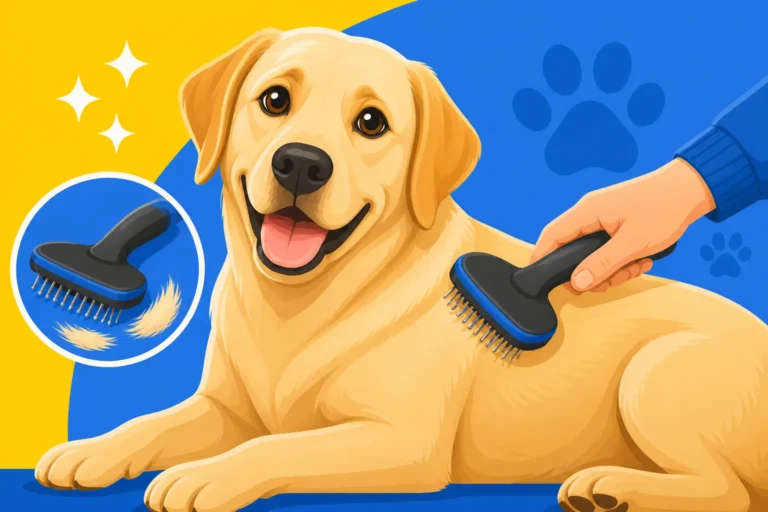
This is probably the single most effective thing you can do to keep hair off your furniture. A few minutes of dedicated brushing every single day, especially during those seasonal coat blows, can make a monumental difference. Think of it as intercepting the fur before it has a chance to jump ship onto your cushions.
For Labradors, brushes designed to get into that dense undercoat are key. A good quality slicker brush or a deshedding tool like a Furminator (used carefully and not too often, as it can damage the guard hairs if overused) can pull out an astonishing amount of loose fur. Start gently, making sure your Lab enjoys the experience, and work in short strokes in the direction of hair growth. Pay special attention to their back, hips, and tail, as these areas often have the densest undercoat. If you make it a positive experience, perhaps with a few treats, your Lab might even look forward to their daily "spa" session. You'd be amazed how much less fur you find around the house just from a consistent five to ten minutes a day. How Often to Brush a Labrador is a great resource if you're looking for more detailed advice on frequency.
Bathing Frequency and Technique
While brushing is your daily ritual, regular bathing also plays a crucial role. A good bath, particularly with a deshedding shampoo, can help release a significant amount of loose undercoat. However, you don't want to over-bathe your Labrador, as this can strip their natural oils and actually irritate their skin, potentially leading to more shedding or skin issues.
Aim for a bath every 4-8 weeks, or as needed if they've had a particularly muddy adventure. When bathing, use lukewarm water and a shampoo specifically formulated for dogs – never human shampoo. Lather thoroughly, working the shampoo down to the skin, and use a rubber curry brush or grooming glove during the wash to gently loosen and remove dead hair. The rinse is just as important; make sure all shampoo is completely washed out. Drying is critical too! A high-velocity pet dryer can blast out an incredible amount of loose hair, often more than brushing alone, and significantly reduces drying time. If you don't have one, towel dry vigorously and then allow them to air dry in a warm, draft-free area, brushing periodically as they dry. For more tips, check out Bathing a Labrador Retriever.
Diet and Coat Health
What goes into your Labrador's bowl directly impacts the health of their coat and, by extension, how much they shed. A poor quality diet lacking essential nutrients can lead to a dry, brittle coat and excessive shedding. Think of it like your own hair – if you're not eating well, it shows!
Look for a high-quality dog food where the first ingredient is a named meat source (e.g., "chicken" not "meat meal"). Ensure it contains a good balance of omega-3 and omega-6 fatty acids, often listed as fish oil, flaxseed, or chicken fat. These healthy fats are crucial for skin and coat health, promoting a shiny, strong coat and reducing shedding. Brands like Ollie, known for their fresh, human-grade ingredients, often include these beneficial fats. If your current food isn't delivering, consider a gradual transition to a new one. Sometimes, a simple supplement, like a daily fish oil capsule or liquid, can also make a noticeable difference in coat quality and reduce shedding. Always discuss any dietary changes or supplements with your veterinarian first. Choosing Dog Food for a Labrador Retriever offers more in-depth guidance on nutrition.
Defensive Home Management Against Fur Invasions
Even with the most diligent grooming, some fur is simply inevitable with a Labrador. The next line of defense is to protect your home and manage where the hair lands.
Furniture Covers and Throws
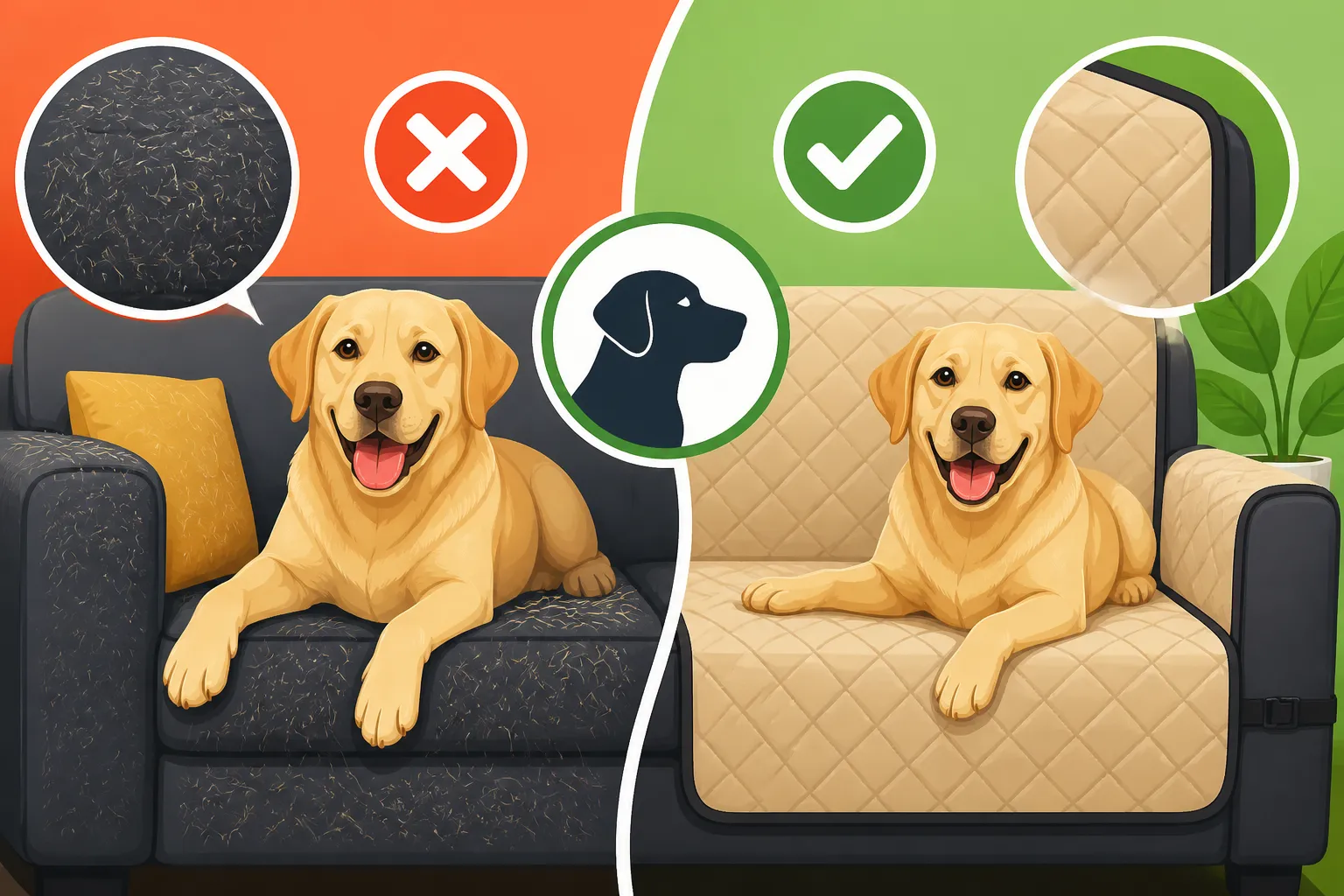
This is a lifesaver for many Labrador owners. Instead of constantly vacuuming your actual sofa upholstery, invest in washable furniture covers, slipcovers, or even just large, durable throws. You can find these easily on sites like Chewy or Amazon. Look for materials that repel hair or are easy to shake off and wash. Canvas, denim, or tightly woven microfiber fabrics tend to be better than plush velvet or loosely woven knits, which act like magnets for fur.
The beauty of these covers is that they bear the brunt of the fur onslaught. When they get too hairy, simply whip them off, give them a good shake outdoors, and toss them in the washing machine. It’s far easier to wash a cover than to deep clean your entire couch. Plus, it gives you the flexibility to change your decor without worrying about dog hair. I know several Lab parents who have a rotation of two or three sets, so there’s always a clean one ready to go.
Designated Dog Zones and Beds
While we love having our Labs snuggled up next to us, sometimes you need a fur-free zone. Designating specific, comfortable spots for your Labrador can help concentrate the shedding to those areas. This might mean a special dog bed in the living room, a crate with a cozy blanket, or a specific corner of the room.
If you don't want your Labrador on the sofa at all, consistent training is vital. Teach them a "place" command, rewarding them heavily for staying on their bed. Make their bed incredibly appealing – an orthopedic bed from Amazon or a thick, soft blanket can be irresistible. The goal isn't to banish them, but to manage their presence and, by extension, the fur distribution. This is especially helpful if you have guests who might not be as keen on canine companionship (or fur) as you are. For ideas on comfortable and durable beds, Crate and Bed Sizing Costs for a Labrador might offer some insights into what works well for our big, cuddly friends.
Material Choices for Furniture and Flooring
When you're furnishing or redecorating, keep Labrador hair in mind. Certain materials are far more forgiving than others.
- Flooring: Hard surfaces like hardwood, laminate, tile, or vinyl are much easier to clean than carpet. Fur doesn't get embedded, so it's easier to sweep or vacuum up. If you love rugs, opt for low-pile or washable area rugs that can be easily cleaned or taken outside for a good shake.
- Furniture Upholstery: Leather or faux leather is a fantastic choice for dog owners because hair simply wipes right off. Tightly woven microfibers can also work well, as the dense weave prevents hair from penetrating deep into the fabric. Avoid velvet, chenille, or loosely woven fabrics, which act like fur traps and are notoriously difficult to de-fur. Dark colors might hide dark Lab hair better, but they'll highlight yellow or white fur, and vice versa. Consider a color that blends with your Lab's coat if you want to minimize the visual impact of shedding!
Effective Cleaning and Containment Methods
Once the hair has made its way off your Labrador and into your home, it's time for the clean-up crew. Having the right tools and a consistent routine can make this chore far less daunting.
Vacuuming Strategies and Tools
Not all vacuums are created equal when battling Labrador fur. You need a powerful vacuum designed specifically for pet hair. Look for models with strong suction, a brush roll that won't get easily tangled, and good filtration to trap dander. Bagless models are convenient, but make sure they're easy to empty without releasing a cloud of collected fur.
Make vacuuming a regular part of your cleaning routine, perhaps daily or every other day, especially in high-traffic areas or where your Lab spends most of their time. Don't forget attachments! A crevice tool can get into couch seams, and an upholstery tool is invaluable for furniture. Consider a robot vacuum if you have mostly hard floors and want to stay on top of daily shedding with minimal effort. They can be programmed to run while you're out, picking up all those floating hairs. If you want to check out some popular options, many models are available from retailers like Chewy or Amazon.
Lint Rollers, Rubber Gloves, and Other Quick Fixes
Sometimes you don't need a full vacuum session, just a quick de-fur. This is where your arsenal of quick-fix tools comes in handy:
- Lint Rollers: Keep these everywhere! In your car, by the door, in your purse, next to the sofa. They're perfect for a quick pass over clothes, throw pillows, or small areas of furniture before guests arrive. Buy them in multi-packs, you'll need them!
- Rubber Gloves: Believe it or not, a damp rubber glove is incredibly effective at gathering pet hair from upholstery and carpets. Put one on, lightly dampen it, and rub your hand over the furry surface. The static electricity and texture of the rubber will ball up the hair, making it easy to pick up. This is a surprisingly satisfying method!
- Damp Cloth or Sponge: For hard surfaces, a slightly damp cloth or sponge can pick up loose hair better than a dry one, as it prevents the hair from just scattering.
- Squeegee: If you have carpet or rugs, a window squeegee can be used like a rubber glove. Drag it across the carpet, and watch the fur pile up. It's magic!
Air Purifiers for Airborne Hair and Dander
While air purifiers won't remove hair from your furniture directly, they can significantly reduce the amount of airborne fur and dander circulating in your home. This can be a game-changer for people with allergies, and it also means less hair settling back onto surfaces after you've cleaned.
Look for air purifiers with a true HEPA filter, as these are designed to capture microscopic particles, including pet dander and fine hairs. Place them in the rooms where your Labrador spends the most time, like the living room or bedroom. They won't eliminate all hair, but they'll definitely contribute to a cleaner, fresher environment and reduce the overall amount of fur floating around. It's a subtle but effective layer in your multi-pronged attack on Labrador fur!
Frequently Asked Questions About Labrador Shedding
You've got questions, we've got answers! It's completely normal to have a million thoughts buzzing around your head when you're trying to keep up with a shedding Labrador. Let's tackle some of the most common ones.
Is There a 'Non-Shedding' Labrador?
Wouldn't that be a dream come true? Unfortunately, no. There is no such thing as a "non-shedding" Labrador. Anyone who tells you otherwise is probably trying to sell you a very expensive mixed breed or simply isn't being realistic about the breed. Labradors, by nature of their wonderful double coat, are significant shredders. They shed all year round, with heavier "blows" twice a year.
Some people confuse "non-shedding" with "hypoallergenic," and even then, Labradors are neither. While certain individual Labs might shed slightly less than others due to genetic variation or coat density, you should always go into Labrador ownership expecting a healthy amount of fur. If low shedding is a top priority for you, a Labrador might not be the right fit. It's better to be prepared for the reality of their coat than to be disappointed later.
Does Coat Color Affect Shedding?
This is a common question, and scientifically, the answer is generally no. The color of your Labrador's coat (black, yellow, or chocolate) does not inherently dictate how much they shed. Shedding is primarily determined by coat type (the double coat), genetics, and environmental factors like season, diet, and overall health.
You might perceive one color to shed more than another simply because their fur contrasts more with your furniture or flooring. For example, light yellow fur might be very obvious on a dark sofa, while black fur might stand out on a light-colored rug. Some anecdotes suggest certain lines might have slightly different coat textures, which could influence the amount of visible shedding, but it's not a direct correlation with color. So, don't pick a Lab based on shedding myths related to color; choose them for their wonderful personalities! For a deep dive into how color affects other aspects of their health, check out Whether Coat Color Really Changes Labrador Health.
What If My Labrador Is Shedding Excessively?
While regular shedding is normal for Labradors, there's a difference between typical coat maintenance and truly excessive shedding, especially if it's accompanied by other symptoms. If your Labrador is shedding much more than usual, developing bald spots, has flaky or red skin, is scratching excessively, or seems unwell, it's time for a vet visit.
Excessive shedding can be a symptom of various underlying health issues, including:
- Allergies: Environmental, food, or flea allergies can cause skin irritation and increased shedding.
- Parasites: Fleas, mites, or other external parasites can lead to itching and hair loss.
- Nutritional Deficiencies: A poor diet can result in a dull, brittle coat and heavy shedding.
- Hormonal Imbalances: Conditions like hypothyroidism can manifest as poor coat quality and hair loss.
- Stress or Anxiety: Just like humans, stress can impact a dog's coat.
- Skin Infections: Bacterial or fungal infections can cause shedding and discomfort.
Your veterinarian can help diagnose the cause and recommend appropriate treatment, whether it's a change in diet, medication, or specific grooming products. It's always best to rule out health concerns first to ensure your furry friend is happy and healthy.
| Strategy Category | Action | Tools/Materials | Frequency | Impact on Fur |
|---|---|---|---|---|
| Proactive Grooming | Daily Brushing | Slicker brush, deshedding tool | Daily (especially during coat blows) | High: Removes loose hair before it sheds |
| Regular Bathing | Deshedding shampoo, rubber curry brush, high-velocity dryer | Every 4-8 weeks | Medium: Loosens and washes away dead undercoat | |
| Healthy Diet | High-quality dog food with omega fatty acids | Daily | Medium: Promotes strong, healthy coat | |
| Defensive Home Management | Furniture Covers | Washable slipcovers, durable throws | As needed for washing | High: Protects upholstery, easy to clean |
| Designated Dog Beds | Orthopedic beds, cozy blankets | Concentrates fur to specific areas | Medium: Keeps fur off restricted furniture | |
| Smart Material Choices | Leather, tight-weave microfiber furniture; hard flooring | One-time choice | High: Easier cleaning, less fur clinging | |
| Effective Cleaning | Pet Hair Vacuuming | Powerful pet vacuum with attachments | Daily to every other day | High: Removes accumulated fur from floors/furniture |
| Quick De-fur Tools | Lint rollers, damp rubber gloves, squeegees | As needed | Medium: Instant fix for clothing and small areas | |
| Air Purification | HEPA air purifier | Continuous use | Low: Reduces airborne fur and dander |
Disclaimer
This article is for general informational purposes only and does not constitute professional advice. Laws, prices and regulations vary by location and change over time. Consult a qualified professional for guidance on your specific situation.