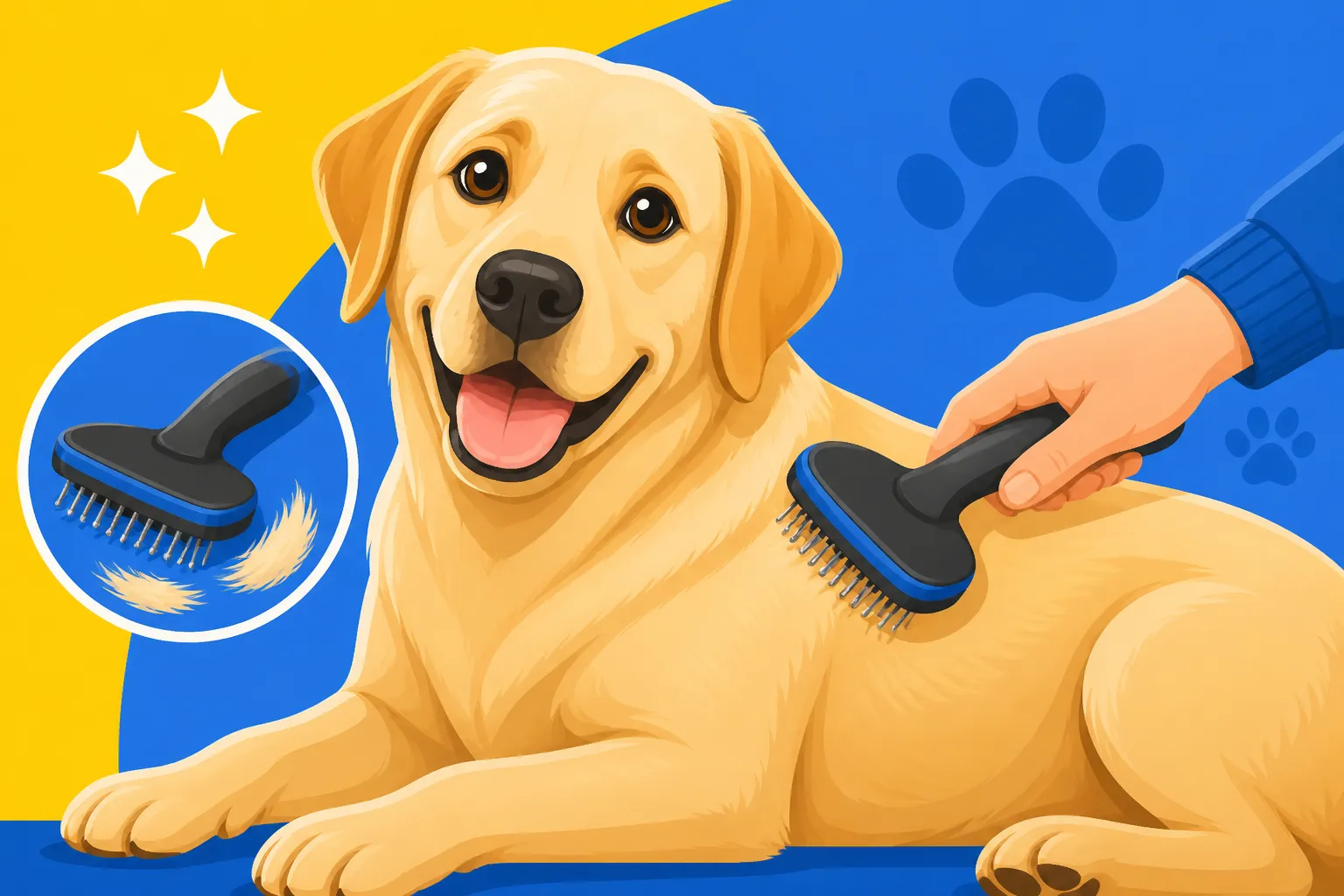
Brushing a Labrador’s Coat
If you live with a Labrador, you know the struggle is real: beautiful, loyal, endlessly enthusiastic, and seemingly capable of shedding enough fur to knit a new dog every week. That constant tumbleweed of hair isn't just a nuisance for your furniture and clothing; it's also a sign that your dog's coat needs regular attention. This comprehensive guide will walk you through everything you need to know about effectively brushing your Labrador's coat, turning a chore into a beneficial ritual for both you and your beloved companion.
Why Brushing Is More Than Just Tidying Up
It's easy to see brushing as simply a way to manage the endless supply of Labrador hair that seems to coat every surface in your home. And yes, it absolutely helps with that! But the truth is, brushing your Labrador offers a surprising number of benefits that go far beyond just keeping your house a little cleaner. It's a fundamental part of their overall health and well-being, and it deepens the connection you share.
Health Benefits Beyond Hair Removal
Think of brushing as a mini-health check and massage all rolled into one. As you run the brush over your Labrador's body, you're doing more than just catching loose hair. You're distributing natural oils from their skin evenly through their coat, which helps maintain that famous healthy, shiny, and water-resistant outer layer. This natural oil distribution can make a huge difference in preventing dry, flaky skin, which can sometimes lead to uncomfortable itching and irritation.
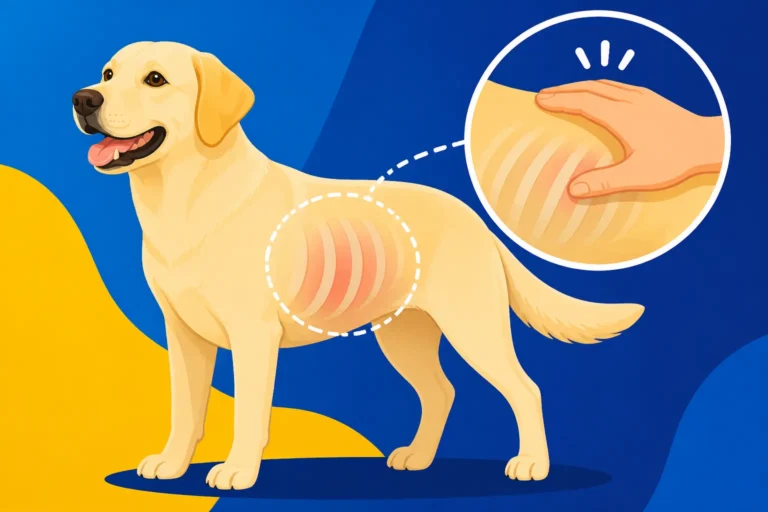
Beyond that, brushing is an excellent opportunity to perform a quick "once-over" inspection of your dog's skin and body. You might discover small lumps, bumps, hot spots, or even parasites like fleas or ticks that you wouldn't notice otherwise. Catching these issues early can save you a lot of worry and a trip to the vet down the line. It's also a chance to feel for any tenderness or pain in their joints or muscles, which can be an early indicator of conditions like Labrador Arthritis in Middle Age or other orthopedic issues. Regular brushing can even help stimulate circulation, which is beneficial for overall skin health and muscle tone. It's truly a proactive step in maintaining your Labrador's physical health, not just their appearance.
Strengthening Your Bond
For many Labradors, brushing can be a wonderfully calming and enjoyable experience, especially when introduced properly and associated with positive feelings. It's a dedicated one-on-one time where you are physically close to your dog, offering gentle strokes and undivided attention. This shared activity builds trust and strengthens the emotional bond between you. Imagine your Labrador leaning into the brush, sighing contentedly, and looking up at you with soft eyes – that's the kind of connection consistent, positive grooming can foster.
When you make brushing a routine, it becomes a predictable part of their day, which many dogs appreciate. It can be a quiet moment after a stimulating walk, or a soothing activity before bedtime. For a breed that thrives on interaction and attention, this dedicated time is incredibly valuable. It reinforces that you are a source of comfort and care, making your Labrador feel secure and loved. This isn't just about removing hair; it's about nurturing the relationship you have with your best friend.
Understanding the Labrador's Unique Coat
To truly appreciate why brushing is so important for a Labrador, you need to understand the marvel that is their coat. It's not just a single layer of fur; it's a specially designed, multi-purpose piece of natural engineering that has served them well for centuries, particularly in their original role as water retrievers. This unique structure also dictates how we best care for it, especially when it comes to shedding.
The Double-Layered Wonder
The Labrador Retriever boasts what's known as a "double coat," a fantastic adaptation that makes them perfectly suited for working in various weather conditions, especially cold water. This coat consists of two distinct layers, each with its own purpose.
First, there's the outer coat. These are the longer, coarser, and somewhat stiffer hairs that you see and feel on the surface. These guard hairs are incredibly dense and lie close to the body, forming a protective barrier that repels water and sheds dirt. This is why when a Labrador shakes off after a swim, the water seems to just fly right off them, leaving their skin remarkably dry. This outer layer also offers protection from environmental elements like thorns, brambles, and even harsh sunlight.
Beneath this resilient outer layer lies the second, softer, and much denser undercoat. This fluffy, wool-like layer acts as an insulating blanket, trapping air close to the body to keep the Labrador warm in chilly waters or cold weather. It's an incredible natural thermostat. The density of this undercoat is truly remarkable, especially in colder climates or during winter months, contributing significantly to the sheer volume of hair Labradors can produce when they "blow their coat." Understanding this double-layer system is key to choosing the right grooming tools and techniques, as both layers need proper attention, particularly the undercoat during shedding season. This unique coat is truly what makes them excellent water dogs, allowing them to swim comfortably for extended periods, as explored in Why a Labrador Coat Is Water Resistant.
The Reality of Shedding Cycles
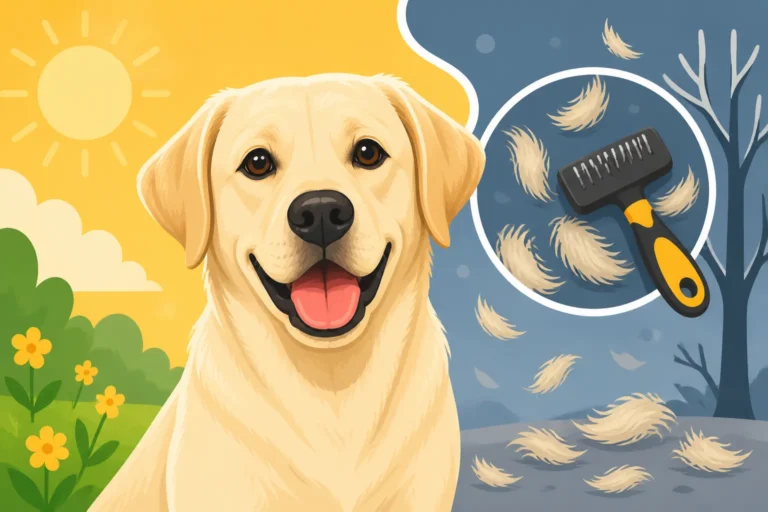
Ah, shedding. The bane of many Labrador owners' existence! The truth is, Labradors shed year-round. It's an ongoing process as old hairs die and new ones grow in to replace them. However, they are also known for their "seasonal sheds" or "coat blows," which are far more dramatic. These typically happen twice a year, in spring and fall, coinciding with changes in temperature and daylight hours.
In the spring, your Labrador will shed their thick, insulating winter undercoat to prepare for warmer weather. This is when you'll truly see the fur flying – sometimes in literal clumps! Conversely, in the fall, they'll shed their lighter summer coat to make way for a denser, warmer winter undercoat. These seasonal shedding periods can last for several weeks, and during these times, daily brushing isn't just recommended, it's practically mandatory if you want to maintain some semblance of a fur-free home. The sheer volume of hair can be astonishing, and it's during these times that specialized deshedding tools really prove their worth. Missing these intense shedding periods means more loose hair ending up all over your house, and it can also lead to matting in the undercoat, which can be uncomfortable for your dog. For a deeper dive into these periods, check out Labrador Coat Blowing in Spring and Fall.
Essential Brushing Tools for a Labrador Owner
Navigating the world of dog grooming tools can feel a bit overwhelming with so many options out there. However, for a Labrador's specific double coat and shedding patterns, there are a few essential tools that will make your life much easier and keep your dog's coat in top condition. Investing in the right brushes is half the battle won against the fur tsunami!
Your Core Brushing Arsenal
Every Labrador owner should have a basic set of brushes for regular maintenance. These aren't necessarily for the heavy-duty shedding sessions but are crucial for everyday grooming and keeping the coat healthy.
First up, a good slicker brush is invaluable. These brushes have fine, short wires packed closely together on a flat or curved surface. They are fantastic for removing loose hair from both the topcoat and the undercoat, as well as breaking up small mats or tangles that might form. When using a slicker brush, always be gentle, especially around sensitive areas, as the wire bristles can scratch the skin if too much pressure is applied.
Next, a rubber curry brush (sometimes called a grooming mitt or ZoomGroom-style brush) is a game-changer. These are wonderful for daily grooming, especially for distributing those natural oils we talked about. The soft rubber bristles stimulate the skin and are excellent for massaging your dog, making it a pleasant experience. They're also brilliant for loosening dead hair, particularly the finer undercoat, and are great to use during bath time to work shampoo through the coat and remove more loose fur. Many Labradors absolutely adore the feel of a curry brush. You can often find a variety of these tools on pet supply websites like Chewy or Amazon, making it easy to pick one that fits your hand comfortably.
Lastly, a simple bristle brush with natural or synthetic bristles can be used for finishing. After you've removed all the loose hair and detangled with the slicker and curry brushes, a bristle brush can smooth down the coat, leaving it looking polished and shiny. It's like the final touch after a good grooming session. While not strictly for shedding, these three brushes form a solid foundation for year-round coat care. If you're wondering Which Brush Works on a Labrador Coat specifically, these three are usually top recommendations.
Specialized Deshedding Wonders
When those intense seasonal "coat blows" hit, your core arsenal might need some backup from more specialized tools designed to tackle the sheer volume of shedding undercoat. These are the heavy hitters you'll bring out when the fur is truly flying.
The most widely known deshedding tool is often a branded one, but many generic versions are also available, often referred to as an undercoat rake with a bladed edge. These tools are designed with fine, serrated teeth that reach deep into the undercoat to pull out dead, loose hair without cutting the healthy guard hairs. They are incredibly effective during peak shedding season and can remove an astonishing amount of fur in a single session. However, they must be used carefully and correctly to avoid irritating your dog's skin. Overuse or aggressive brushing with these tools can cause brush burn or damage the coat. Always use light, even strokes, and pay attention to your dog's comfort.
Another excellent specialized tool is a simple undercoat rake with longer, blunt, rotating teeth. Unlike the bladed deshedding tools, these rakes are gentler and work by separating the undercoat and lifting out loose hair. They're particularly good for thicker coats and can be used more frequently than the bladed versions. They help prevent matting in the dense undercoat and are excellent for dogs who might be a bit sensitive to the more aggressive deshedding blades. These are perfect for managing the constant ebb and flow of hair, especially if you're trying to figure out how often a Labrador sheds year round and need to keep on top of it. You can find a range of these specialized deshedding tools from brands like Chewy's own line or other reputable manufacturers on platforms like Amazon. Having these specialized tools on hand will make Deshedding Tools for a Labrador a much more manageable task during those fur-filled seasons.
| Brush Type | Primary Purpose | Ideal For | Pros | Cons |
|---|---|---|---|---|
| Slicker Brush | Removing loose hair, detangling, breaking up small mats | All coats, daily or every-other-day use | Highly effective for general loose hair removal, good for mats | Can scratch skin if used too aggressively, prone to bending bristles |
| Rubber Curry Brush | Loosening dead hair, massaging skin, distributing oils | Daily grooming, bath time, short-coated breeds (like Labs) | Gentle, stimulating, great for puppies and sensitive dogs, easy to clean | Not as effective for deep deshedding or large mats |
| Undercoat Rake | Reaching and removing dense undercoat | Seasonal shedding, thick double coats, mat prevention | Penetrates deep, lifts out significant amounts of loose undercoat | Can pull if not used carefully, less effective for topcoat |
| Deshedding Tool | Aggressive removal of dead undercoat | Peak shedding season (spring/fall coat blow) | Extremely effective at reducing shedding, quick results | Can cause skin irritation or coat damage if overused or used incorrectly |
| Bristle Brush | Smoothing coat, adding shine, distributing oils | Finishing step after other brushes, general upkeep | Gentle, leaves coat shiny, good for sensitive skin | Does not remove much loose hair or detangle effectively |
The Art of Brushing: A Step-by-Step Guide
Brushing isn't just about dragging a tool across your dog's fur; it's a technique that, when done correctly, maximizes hair removal, minimizes discomfort, and keeps your Labrador's coat in prime condition. Approaching it with a plan will ensure efficiency and a positive experience for both of you.
Setting Up for Success
Before you even touch a brush to your Labrador, take a moment to set the stage. Choose a quiet, calm time when your dog isn't overly excited or distracted. This might be after a walk when they're a bit more mellow, or in a specific spot in your home where they feel relaxed. If your Labrador is a young puppy, starting early and making it a consistent routine is crucial for their lifelong acceptance of grooming. When to Start Training a Labrador Puppy definitely applies here!
Gather all your tools beforehand: your chosen brushes, a pile of high-value treats (think small, soft, irresistible bits of cheese or cooked meat), and a sturdy surface if your dog is comfortable being on one (like a grooming table or even a raised platform covered with a non-slip mat). Some people prefer to groom outdoors to contain the flying fur, especially during a heavy shed. If you're inside, have your vacuum ready – you'll need it!
Make sure your Labrador has recently been to the bathroom and isn't hungry or thirsty. A comfortable dog is a cooperative dog. Speak in a calm, reassuring voice throughout the process. The goal is to make this a pleasant routine, not a wrestling match.
The Brushing Technique
Once you're ready, start brushing in a systematic way. Begin with a quick once-over with your rubber curry brush. This helps to loosen dead hair and stimulate the skin, and it's generally very comfortable for your dog, serving as a warm-up massage. Use gentle, circular motions, covering their entire body.
Next, move to your slicker brush or undercoat rake. Work in sections, starting from the head and moving towards the tail. Brush in the direction of hair growth, never against it. Use short, controlled strokes. For the body, lift sections of hair and brush from the skin outwards. Pay close attention to areas where mats or tangles might form, such as behind the ears, under the legs, and around the tail. These areas often get overlooked but can quickly become problematic.
When using a deshedding tool, again, use it gently and in short, even strokes. Do not press hard. The tool is designed to catch loose undercoat with minimal pressure. If you encounter a tangle, don't yank! Switch back to a slicker brush or a wide-toothed comb to gently work it out. If the mat is severe, you might need professional help. After you've gone over the entire coat with your main deshedding tool, finish with the bristle brush to smooth everything down and add shine. Always praise your Labrador and give them treats throughout the process, making it a positive experience every step of the way.
Making Brushing a Positive Experience
Let's be honest, not every Labrador hops up and down with joy at the sight of a brush. Some tolerate it, some resist, and some really don't like it. But with patience, consistency, and the right approach, you can transform grooming into a comfortable, even enjoyable, bonding activity for your dog. It's all about positive associations!
Early Introduction and Desensitization
The best time to start making brushing a positive experience is when your Labrador is a puppy. Even if they don't have much fur to shed yet, get them used to the feeling of different brushes and being handled. Start with very short sessions, just a few strokes with a soft rubber curry brush, followed immediately by a tasty treat and verbal praise. Think of it as exposure therapy.
Gradually increase the duration and intensity of the brushing. Introduce different tools, always pairing them with positive reinforcement. Let your puppy sniff the brush, touch it to their body briefly, and then reward them. The key is to go at your dog's pace. If they show signs of discomfort or fear, stop, take a break, and try again later with an even shorter, gentler approach. Never force them.
It's also important to get them used to being handled all over their body – ears, paws, tail, belly – as these are all areas that will need to be brushed or checked during grooming. Many puppies are naturally mouthy, and if your Labrador Puppy Nipping at Small Children is an issue, they might try to mouth the brush. Redirect this with a toy or chew, rewarding them when they settle. The goal is for them to associate the brush and your hands with good things, not something to be feared or avoided.
Rewards and Reinforcement
This is where the magic happens! Positive reinforcement is your most powerful tool in making brushing a good experience. Every time your Labrador tolerates or enjoys a brush stroke, reward them. Use high-value treats – things they don't get often and absolutely love. This could be small pieces of cooked chicken, cheese, or even special training treats you might find from brands like Ollie.
Beyond food, use verbal praise ("Good dog!"), gentle pets in their favorite spots (as long as it doesn't interfere with the brushing), or a favorite toy as a reward. The timing of the reward is crucial; give it immediately after the desired behavior (standing still, allowing a brush stroke).
Consider having a special "grooming mat" or towel. Lay it down, have your Labrador lie on it, and only give them treats when they are on the mat and calm. This creates a special, positive space for grooming. If your dog is particularly wiggly or reluctant, you can try using a lick mat spread with peanut butter (xylitol-free, of course!) or wet food. This can distract them and keep them occupied while you brush, making the experience more pleasant for everyone. Remember, patience is key. Over time, your Labrador will learn that brushing means good things, and it will become a much more relaxed and enjoyable routine for both of you.
Common Brushing Challenges and Solutions
Even with the best intentions and the right tools, brushing a Labrador isn't always smooth sailing. They're big, strong dogs with a dense coat, and sometimes challenges arise. Don't worry, many of these issues are common and have practical solutions.
Dealing with Mats and Tangles
Despite their relatively short coat, Labradors can develop mats and tangles, especially if their undercoat isn't regularly brushed out during shedding season or if they frequently swim and aren't dried thoroughly. Mats often form in friction areas: behind the ears, under the armpits, around the tail, and where harnesses or collars rub.
If you encounter a small mat, don't panic or try to yank it out. This will only cause pain and make your dog resistant to future brushing. Instead, use a slicker brush or a wide-toothed comb to gently tease the mat apart, working from the outside edges inwards. You can also use a mat splitter or a dematting rake, which has specialized blades designed to cut through mats without pulling. Hold the hair at the base of the mat close to the skin while you work to minimize pulling on the skin.
For particularly stubborn or large mats, a detangling spray can be very helpful. Spray it on the mat, let it sit for a few minutes, and then try to work it out with your fingers and a comb. If a mat is too large, too tight, or too close to the skin to safely remove at home, it's best to consult a professional groomer or your vet. They have specialized tools and expertise to remove mats safely without injuring your dog. Never try to cut out mats with scissors, as it's incredibly easy to accidentally cut the skin, especially with a wiggling dog. Preventing mats with regular brushing is always easier than dealing with them once they've formed, so keep up with your How Often to Brush a Labrador schedule!
When Your Labrador Hates the Brush
It can be incredibly frustrating when your otherwise cooperative Labrador turns into a furry statue or a wriggling mess at the sight of a brush. This often stems from a negative past experience, lack of early positive exposure, or simply finding the sensation uncomfortable.
If your Labrador truly hates the brush, you need to go back to basics with desensitization and counter-conditioning. Start by simply having the brush present in the room, rewarding your dog for calm behavior. Don't even touch them with it yet. Gradually move to touching the brush to their body for just a second, followed immediately by a treat. Build up the duration and pressure very slowly. For instance, try one gentle stroke and then a treat, then two strokes and a treat, and so on.
Experiment with different types of brushes. Some dogs dislike the feel of a slicker brush but tolerate a soft rubber curry brush or a grooming mitt. Find the tool they find least offensive and start there. Lick mats, as mentioned before, can be a lifesaver. A Kong filled with frozen peanut butter or cream cheese can keep them distracted for a good 15-20 minutes, allowing you to get some brushing done while they are happily engaged.
If anxiety is high, consider talking to your vet about calming supplements or even short-term sedatives for grooming, especially if there are painful mats involved. Sometimes, a professional groomer can also help by using their expertise and specialized equipment (like grooming loops) to get the job done efficiently and safely, potentially changing your dog's perception over time. Remember, patience, consistency, and making it a positive experience are crucial. Don't give up!
Maintaining a Healthy Coat Year-Round
Brushing is a cornerstone of coat care, but it's part of a larger picture of health and grooming that keeps your Labrador looking and feeling their best. A healthy coat isn't just about what you brush away; it's also about what you put into their body and the care you provide in between grooming sessions.
Beyond the Brush: Diet and Bathing
What goes into your Labrador's body significantly impacts the quality of their coat. A high-quality diet rich in essential fatty acids (like Omega-3 and Omega-6) is vital for healthy skin and a shiny coat. Look for dog foods that list sources of these fats, such as fish oil or flaxseed. Some owners opt for supplements like fish oil, which can be a great addition to support skin and coat health, but always discuss any supplements with your vet first. If you're pondering Choosing Dog Food for a Labrador Retriever, remember the impact on their coat.
Bathing also plays a role. While Labradors don't need frequent baths, an occasional wash, especially during heavy shedding, can help remove loose hair and dirt, which makes subsequent brushing easier. Use a dog-specific shampoo and conditioner that is gentle on their skin and coat. Make sure to rinse thoroughly to avoid skin irritation. After a bath, towel dry vigorously and then brush through their coat to help remove any remaining loose hairs before they air dry completely. For more on this, check out Bathing a Labrador Retriever.
Remember, brushing isn't just a reaction to shedding; it's a proactive measure. Consistent grooming, combined with good nutrition and proper bathing, will keep your Labrador's double coat healthy, functional, and beautiful throughout the year, minimizing those furry tumbleweeds and maximizing your bonding time.
Disclaimer
This article is for general informational purposes only and does not constitute professional advice. Laws, prices and regulations vary by location and change over time. Consult a qualified professional for guidance on your specific situation.