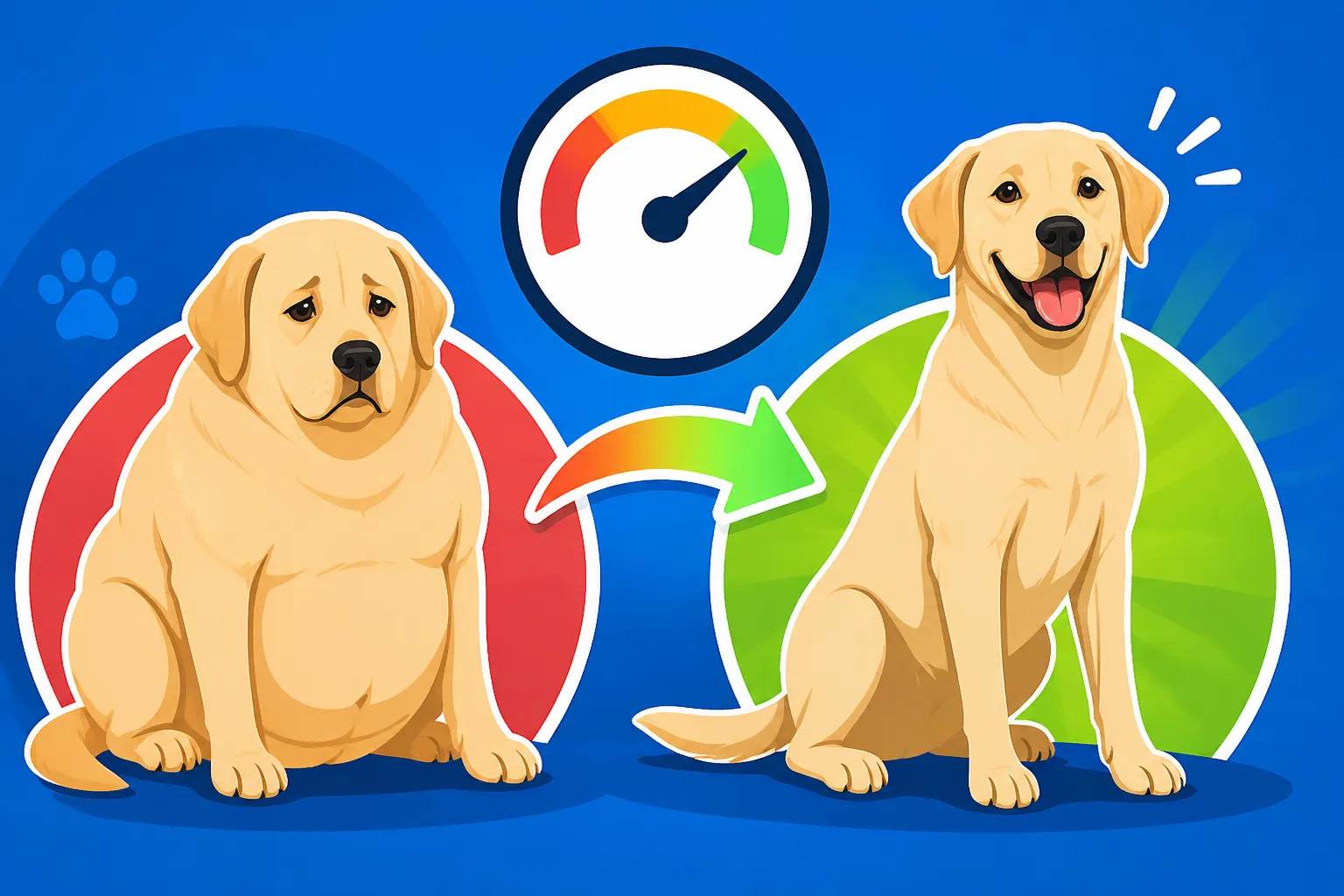
How Fast a Labrador Should Lose Weight
It's incredibly common for our beloved Labradors to slowly, almost imperceptibly, pack on a few extra pounds over time. One day you look at them, or your vet gently suggests it, and suddenly you're facing the reality of an overweight pup. The immediate thought is often, "How quickly can I get this weight off them?" However, rapid weight loss can be dangerous, leading to other health issues. This guide will walk you through how fast a Labrador should safely lose weight, setting realistic expectations, and building a sustainable plan for their long-term health and happiness.
Understanding Healthy Weight Loss for Labradors
When it comes to our Labradors, their enthusiasm for food is legendary, and their ability to gain weight can feel almost effortless. But just as the weight accumulates gradually, it should also come off gradually. Rushing the process can be counterproductive and even harmful. We want a healthy, thriving Labrador, not one pushed to extremes.
Why a Slow and Steady Approach is Best
Think of your Labrador's metabolism like a finely tuned engine. If you suddenly deprive it of fuel, it doesn't just burn off fat; it starts to cannibalize muscle. A slow and steady weight loss approach, aiming for about 1-3% of their total body weight per month, allows their body to adapt gradually. This range might seem modest, but it helps ensure they are losing fat, not valuable muscle mass, which is crucial for their joint health and overall strength, especially as they age. Imagine if you suddenly cut your own food intake to an extreme degree; you'd feel sluggish, irritable, and your body would struggle. It's no different for our canine companions. A gradual reduction also helps prevent the "yo-yo" effect, where the weight comes back on just as quickly once the diet eases.
This measured pace also minimizes stress on their internal organs. Rapid changes in diet and calorie intake can sometimes trigger digestive upset, liver problems, or other metabolic imbalances. For a breed already prone to issues like Labrador Hip and Elbow Dysplasia, maintaining muscle while losing fat is paramount to supporting their skeletal structure. This isn't a sprint; it's a marathon, and consistency over time is far more effective and safer than any quick fix.
The Risks of Rapid Weight Loss
Pushing your Labrador to lose weight too quickly can introduce a host of problems that negate the very health benefits you're trying to achieve. One of the primary concerns is muscle loss. When a dog, especially a large breed like a Labrador, loses weight too rapidly, they often shed muscle mass along with fat. Muscle is essential for supporting their joints, maintaining metabolic rate, and providing energy for activity. Losing muscle can actually make them weaker, less active, and more susceptible to injuries. It can also exacerbate existing conditions or make new ones more likely.
Beyond muscle loss, rapid weight reduction can lead to nutritional deficiencies if the diet isn't carefully balanced. Your Labrador needs a full spectrum of vitamins, minerals, and essential nutrients, even on a reduced-calorie plan. Starving them or feeding an inadequate diet can cause dull coats, low energy, a compromised immune system, and even serious organ damage. Furthermore, very restrictive diets can make your Labrador constantly hungry, leading to increased begging, destructive behaviors, or even anxiety around food, which nobody wants for their beloved companion. It’s a delicate balance to reduce calories while ensuring complete nutrition.
Identifying an Ideal Body Condition Score
Before you even think about numbers on a scale, it’s essential to understand what a healthy Labrador looks and feels like. This is where the Body Condition Score (BCS) comes in. It’s a subjective, but highly effective, way vets and owners assess a dog's fat reserves. Instead of a hard weight number, it focuses on physical characteristics. On a 9-point scale, an ideal Labrador usually falls around a 4 or 5.
Here's a quick guide to what you should be looking for when Checking a Labrador's Body Condition Score:
| Body Condition Score | Appearance | Feel |
|---|---|---|
| 1 (Emaciated) | Ribs, lumbar vertebrae, pelvic bones, and all bony prominences evident from a distance. No discernible body fat. Obvious loss of muscle mass. | Bones easily visible and palpable with no fat covering. |
| 2 (Very Thin) | Ribs, lumbar vertebrae, and pelvic bones easily visible. Minimal discernible body fat. Minimal loss of muscle mass. | Ribs easily palpable with minimal fat. |
| 3 (Thin) | Ribs easily palpable and may be visible with no palpable fat. Tops of lumbar vertebrae visible. Pelvic bones becoming prominent. Obvious waist and abdominal tuck. | Ribs felt easily; minimal fat covering. |
| 4 (Underweight) | Ribs easily palpable with a minimal fat covering. Waist easily noted when viewed from above. Abdominal tuck evident. | Ribs easily felt, slight fat covering. |
| 5 (Ideal) | Ribs palpable without excess fat covering. Waist observed behind ribs when viewed from above. Abdomen tucked up when viewed from side. | Ribs palpable with a thin layer of fat. |
| 6 (Overweight) | Ribs palpable with slight excess fat covering. Waist discernible but not prominent. Abdominal tuck still present. | Ribs palpable, but moderate fat covering. |
| 7 (Heavy) | Ribs palpable with difficulty; heavy fat covering. Obvious fat deposits over lumbar area and base of tail. Waist absent or barely discernible. Abdominal tuck may be absent. | Ribs difficult to feel due to thick fat layer. |
| 8 (Obese) | Ribs not palpable under heavy fat cover; heavy fat deposits over lumbar area, face, limbs, and base of tail. Abdomen distended. | Ribs only palpable with significant pressure, very thick fat layer. |
| 9 (Grossly Obese) | Massive fat deposits over thorax, spine, and base of tail. Waist and abdominal tuck absent. Obvious abdominal distention. | Ribs not palpable. |
For your Labrador, you want to be able to easily feel their ribs without pressing hard, like feeling the back of your hand. Their waist should be clearly visible when looking down at them from above, resembling an hourglass figure (even if a subtle one for a stocky Lab!). From the side, their belly should tuck up slightly, rather than hanging low. If you're unsure, your vet can help you assess their current BCS and determine a realistic target. This visual and tactile assessment is often more important than the number on the scale itself, as Labradors come in a range of sizes and builds.
Creating a Safe and Effective Weight Loss Plan
Once you understand the 'why' behind gradual weight loss and what an ideal body condition looks like, it's time to build a plan. This isn't about deprivation; it's about smart adjustments to diet and activity that prioritize your Labrador's health and happiness. It’s a lifestyle change for both of you, really!
Dietary Adjustments and Portion Control
The cornerstone of any successful weight loss plan for a Labrador is controlling their calorie intake. Given their legendary appetites, this can feel like an uphill battle, but it's absolutely crucial. Start by talking to your vet about the ideal target weight for your specific Labrador and the appropriate daily calorie intake to achieve a slow, steady loss. They might recommend a specialized "weight control" formula, which is designed to be lower in calories while still providing all essential nutrients. Brands offer many such options, and you can explore selections on platforms like Chewy to find one that suits your dog's needs and your budget.
Once you have your target calorie intake, strict portion control is key. Stop "eyeballing" portions and invest in a kitchen scale to accurately measure kibble. A half-cup scoop might seem precise, but variations in kibble density mean that weight is far more accurate. For example, if your vet recommends 300 calories per meal, you'll need to know exactly how much of your chosen food equals 300 calories. Don't forget to account for all calories, including treats, chews, and even training rewards. Many owners find that splitting the daily ration into two smaller meals helps keep their Labrador feeling more satisfied throughout the day. Some even use slow feeder bowls or puzzle feeders, readily available on Amazon, to make mealtime last longer, providing mental stimulation and slowing down that notorious Labrador gulp.
Increasing Activity Levels Safely
While diet is paramount, increasing your Labrador's activity level plays a vital role in burning calories, building muscle, and boosting their overall well-being. However, this also needs to be done gradually, especially if your dog has been quite sedentary or has underlying joint issues. A sudden jump into intense exercise can lead to injury, particularly in a heavier dog. Start with gentle, consistent activity and slowly build up.
If your Labrador is currently only getting a short walk around the block, begin by extending that walk by an extra 5-10 minutes each day or adding a second shorter walk. Over several weeks, you can work towards more vigorous activities like brisk walks, swimming, or playing fetch. Swimming is particularly excellent for Labradors because it's a low-impact exercise that burns calories without putting excessive strain on their joints. Consider a few short sessions a week in a local dog-friendly pond or even a private pool. Aim for Daily Walk Length for a Labrador that gradually increases, eventually reaching at least an hour of moderate activity daily, broken into multiple sessions. Always monitor your Labrador for signs of fatigue or discomfort, especially if they are not used to increased exercise or if it's a warm day.
Incorporating Smart Treats and Chews
It's easy to forget that treats contribute significantly to your Labrador's daily calorie intake. Those delicious, high-calorie chews or training treats can quickly undo all your hard work with portion control at meal times. The good news is you don't have to eliminate treats entirely; you just need to be smarter about them. Switch to low-calorie, high-value options. Many pet stores carry specific "diet" treats or you can make your own. Small pieces of raw carrot, green beans, or even air-popped plain popcorn can be fantastic, low-calorie alternatives that most Labradors adore.
Another strategy is to use a portion of their daily kibble ration as treats for training or rewards. This way, they're still getting the reward, but it's already accounted for in their calorie budget. If you use a fresh food service like Ollie, you might be able to find low-calorie fresh options that are perfect for smaller treats. For longer-lasting chews, look for options that are low in fat and calories, such as certain dental chews, but always check the calorie count. Remember, even a small treat given multiple times a day adds up quickly for a food-obsessed Labrador. Be vigilant about what goes into their mouth!
Monitoring Progress and Adjusting as Needed
Weight loss is rarely a straight line down. There will be good weeks and weeks where progress seems stalled. The key is consistent monitoring and a willingness to adjust your plan based on what your Labrador's body is telling you. Patience and persistence are your greatest allies here.
Regular Weigh-Ins and Measurements
To truly understand how fast a Labrador should lose weight, you need to track their progress regularly. Weekly weigh-ins are a good frequency – enough to see trends but not so often that daily fluctuations cause frustration. Use the same scale each time, ideally at the same time of day (e.g., first thing in the morning before breakfast). Record the weight in a journal or a simple spreadsheet. Don't be discouraged by minor plateaus or small gains; look for the overall downward trend over weeks and months.
Beyond the scale, take body measurements. A simple tailor's tape measure can be used to measure around their rib cage (just behind their front legs) and their waist (the narrowest point behind the ribs). These measurements can often show progress even when the scale seems stuck, especially if your Labrador is building muscle as they lose fat. Feeling their ribs and checking their abdominal tuck against the Body Condition Score chart regularly will also give you a more holistic view of their changes. Remember, a healthy weight loss goal for a Labrador is about 1-3% of their current body weight per month, so a 70-pound Labrador should be aiming to lose between 0.7 to 2.1 pounds per month.
Recognizing Plateaus and Making Changes
It’s almost guaranteed that at some point in your Labrador's weight loss journey, you'll hit a plateau. This is normal and doesn't mean your plan is failing. As dogs lose weight, their metabolic rate can sometimes slow down, or their body simply adapts to the current calorie intake. This is where many owners get frustrated and give up, but it's actually an opportunity to fine-tune your approach.
When a plateau hits (meaning no weight loss for 2-3 consecutive weeks), it's time to re-evaluate. First, honestly assess if you've become a little lax with portion control or treats. Even small slips can make a difference. If you've been perfectly consistent, then it might be time for a slight adjustment: a small reduction in daily calories (e.g., 5-10% less) or a modest increase in exercise intensity or duration. For instance, if you've been doing brisk walks, perhaps add a short burst of faster fetching or an extra swimming session. Consult your vet before making drastic changes, as they can help guide you to the safest and most effective next steps. This is a journey of small, consistent steps, not giant leaps.
When to Consult Your Vet Again
Your veterinarian should be your primary partner throughout your Labrador's weight loss journey. They can help you calculate the precise calorie needs, recommend appropriate food, and rule out any underlying medical conditions that might be contributing to weight gain or making weight loss difficult, such as Why Labradors Gain Weight So Easily due to genetic factors or thyroid issues. Initial consultations are vital, but follow-up visits are just as important.
Schedule regular check-ins with your vet, perhaps every 1-3 months, especially if your Labrador has a significant amount of weight to lose. They can accurately assess their Body Condition Score, track muscle mass, and perform blood work if needed to ensure their internal organs are healthy. If you hit a persistent plateau, if your Labrador seems lethargic, overly hungry, or develops any new symptoms, it's crucial to contact your vet immediately. They can offer insights, adjust medications if necessary, or suggest a different approach. Remember, their expertise is invaluable in safeguarding your Labrador's health throughout this process.
Common Pitfalls and How to Avoid Them
Even with the best intentions, the road to a healthy weight for your Labrador can be paved with common challenges. Knowing what these pitfalls are in advance can help you navigate them more successfully and keep both you and your furry friend on track.
Dealing with Begging and Food-Driven Behavior
Let's face it: Labradors are masters of the soulful stare and the subtle paw-tap when it comes to food. Their food-driven nature, sometimes influenced by The POMC Gene and Labrador Appetite, makes them particularly adept at begging. This can be one of the hardest challenges for owners, especially when you feel like your dog is constantly hungry. The biggest pitfall here is giving in to those pleading eyes. Every little piece of human food, every extra treat, adds up.
To combat begging, consistency is key. Establish clear boundaries: no human food from the table, no extra treats outside of their measured allowance. If they beg while you're eating, have them go to their bed or a designated spot. Provide appropriate, low-calorie alternatives instead – a raw carrot or a few green beans can satisfy their chewing urge without adding many calories. Use puzzle toys or slow feeder bowls for their regular meals to extend mealtime and provide mental stimulation, making them feel more satisfied. Distract them with play or a walk if they seem hungry between meals. Remember, it's tough love, but it's for their own good.
Avoiding Over-Exercising
While increasing activity is crucial, there's a fine line between beneficial exercise and over-exercising, especially for a Labrador starting their weight loss journey. A common mistake is to try and compensate for a high-calorie intake with excessive, strenuous exercise. This can be particularly dangerous for Labradors, a breed known for joint issues like Labrador Hip Dysplasia Signs and Onset and elbow dysplasia. Pushing a heavy dog to run long distances or jump excessively can put undue strain on their joints, potentially leading to injury or exacerbating existing conditions.
Instead, focus on low-impact, consistent activities. Start with moderate walks, gradually increasing length and pace. Swimming is an excellent full-body workout that's gentle on joints. If you introduce activities like fetch, keep sessions short and on soft surfaces to minimize impact. Monitor your Labrador for signs of soreness, limping, or excessive fatigue. If they seem unusually tired, stiff, or reluctant to move the day after exercise, you might be doing too much. Always warm them up before vigorous activity and cool them down afterward. The goal is steady activity that supports fat loss and muscle building, not extreme workouts that risk injury.
The Importance of Consistency
Perhaps the most underestimated factor in any successful weight loss plan is consistency. It's not about being perfect one day and then letting things slide the next. It's about showing up every single day, adhering to the diet plan, and sticking to the exercise schedule, even when you're tired or your Labrador is giving you "the look." Inconsistency leads to slow, frustrating progress, and it makes it harder for your Labrador's body to adapt.
Think about holidays, weekends, or visits from family members who might be tempted to slip your Labrador an extra treat. These are the moments where consistency is tested. Make sure everyone in the household is on the same page with the weight loss plan. Explain to guests why your Labrador is on a special diet. Prep your Labrador's food in advance for the week, measure out daily kibble portions into separate containers, and stick to your walking routine as much as possible. This consistent effort, day in and day out, will compound over time and lead to sustainable, healthy weight loss for your beloved Labrador, ensuring they live a longer, happier, and more active life.
Disclaimer
This article is for general informational purposes only and does not constitute professional advice. Laws, prices and regulations vary by location and change over time. Consult a qualified professional for guidance on your specific situation.