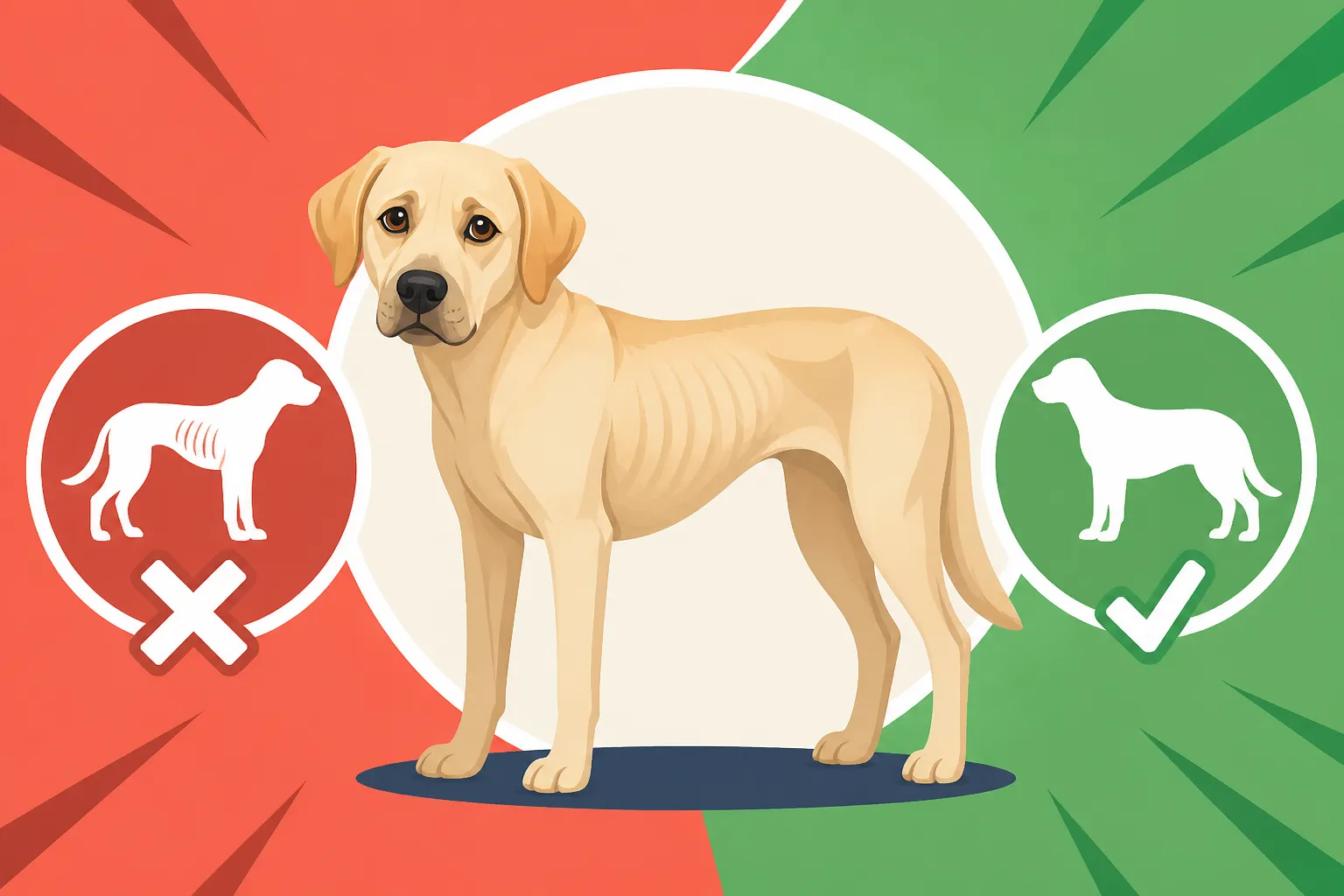
Whether a Labrador Is Too Thin
It’s a common sight: a Labrador Retriever, full of life and an endless appetite, always ready for the next meal or treat. We often associate Labradors with a healthy, robust build, sometimes even a little on the chunky side, thanks to their famous love for food. So, when you look at your beloved companion and start to notice their ribs becoming more prominent, or their hips jutting out a bit too much, it can be incredibly unsettling. That feeling of worry, the nagging question of "is my Labrador too thin?" is a valid one, and it’s a sign that you’re paying close attention to your dog's well-being. This guide is here to help you understand what a healthy weight looks like for a Labrador, explore the potential reasons behind weight loss, and most importantly, equip you with actionable steps to ensure your furry friend thrives.
Understanding a Healthy Labrador Body Condition
Figuring out if your Labrador is at an ideal weight isn't just about stepping on a scale. Different Labradors, whether they're athletic field lines or stockier show lines, can have varying healthy weights. What really matters is their body condition – how much muscle and fat they carry on their frame. This is a much more accurate indicator of their health than a number on a scale. It’s about feeling and seeing their physical shape, not just their mass.
The Rib Test: Feeling for the Sweet Spot
One of the most reliable ways to check your Labrador's body condition is by feeling their ribs. Don't be afraid to get hands-on! Start by gently running your open palms along your Labrador's sides, just behind their front legs. You should be able to feel their ribs quite easily, but without them looking or feeling sharp or highly prominent. Think of it like feeling the knuckles on the back of your hand when your hand is flat – you can discern them, but they aren't sticking out. That's the sweet spot.
If you can barely feel the ribs without pressing firmly, or if they're completely hidden under a layer of flesh, your Labrador might be carrying too much weight. Conversely, if their ribs are visibly prominent, or if they feel sharp and distinct with very little pressure, almost like feeling your knuckles when you make a fist, then your Labrador is likely too thin. It's a subtle difference, but one that becomes clearer with practice. This tactile check is something you can do regularly, becoming familiar with what feels normal for your individual dog.
Top-Down View: The Waistline and Tummy Tuck
Beyond the ribs, looking at your Labrador from above and the side can tell you a lot. When you stand over your Labrador and look down, they should have a discernible waist. This means their body should narrow slightly behind the rib cage, before flaring out again at the hips. It creates a gentle "hourglass" figure. If your Labrador looks more like a straight barrel from front to back, without any narrowing, they might be overweight. If the waist is extremely pinched or dramatically narrow, it could indicate they are underweight.
From the side, a healthy Labrador should have an abdominal tuck. This means their belly should gently slope upwards from the bottom of their rib cage towards their hind legs, not hanging low or forming a straight line parallel to the ground. An obvious, almost concave tuck is a strong indicator of being too thin, while a flat or sagging belly suggests excess weight. Regularly taking a moment to observe these contours can give you a quick visual check on their condition.
Visual Cues: Hips, Spine, and Shoulders
While Labradors are generally well-muscled, the prominence of their hip bones, spine, and shoulder blades can also signal an unhealthy weight. In a healthy Labrador, you might be able to feel their hip bones, but they shouldn't be sharply visible or jutting out. Similarly, the points of their shoulder blades and the individual vertebrae of their spine should not be easily seen or felt without any overlying muscle or fat.
If you can easily see the individual knobs of their spine, the sharp edges of their hip bones, or their shoulder blades are dramatically defined, these are strong visual indicators that your Labrador is too thin. Even with their relatively short coats, a significant lack of muscle and fat will become apparent in these areas. It’s about finding a balance: defined enough to see their athletic shape, but not so defined that they appear bony or emaciated. Learning to assess these areas together with the rib and waist checks provides a comprehensive picture of your Labrador's body condition. Many vets use a Labrador Body Condition Scoring chart which can be a helpful visual aid for owners to compare their dog against.
Why Your Labrador Might Be Underweight
Once you’ve determined that your Labrador is indeed on the thin side, the next step is to figure out why. There are many reasons a dog might lose weight, ranging from simple dietary adjustments to more serious health concerns. It’s important to approach this systematically and involve your veterinarian to get to the root cause.
Not Enough Food for Their Energy Level
Sometimes, the simplest explanation is the right one: your Labrador might just not be getting enough calories to support their activity level and metabolism. Labradors are known for their high energy, especially during their younger and adolescent years. A highly active field-line Labrador, for example, will burn significantly more calories than a more sedate show-line Labrador that spends most of its day napping. If you've recently increased their exercise, or if your growing puppy is going through a growth spurt, their caloric needs will naturally increase.
It’s also surprisingly easy to underfeed without realizing it. Are you consistently measuring their food? A "cup" of kibble can vary wildly depending on how densely packed it is, and simply scooping might not be accurate enough for a dog with specific caloric needs. Using a kitchen scale to measure food by weight, rather than volume, can make a huge difference in ensuring they get precise portions. Products available on Amazon or Chewy like digital kitchen scales for pets can be invaluable tools for accurate feeding. Even if you're feeding the recommended amount, the specific food you've chosen might not be calorically dense enough for your dog’s individual needs. What works for one Labrador might not be sufficient for another, even within the same breed.
Parasites and Digestive Issues
Another common culprit for weight loss, especially in younger dogs, is internal parasites like worms. Roundworms, hookworms, and whipworms can steal vital nutrients from your Labrador, causing them to lose weight despite eating normally. Regular deworming protocols are crucial, and your vet can perform a fecal test to identify any unwelcome guests. Even with preventative measures, sometimes a persistent infestation can occur.
Beyond parasites, a Labrador might be eating enough, but not properly absorbing nutrients due to underlying digestive issues. Conditions like Inflammatory Bowel Disease (IBD) can cause chronic inflammation in the digestive tract, impairing nutrient absorption. Exocrine Pancreatic Insufficiency (EPI) is another condition where the pancreas doesn't produce enough enzymes to digest food properly, leading to significant weight loss and malabsorption. Food sensitivities or allergies can also manifest as chronic digestive upset, which, over time, can impact nutrient uptake and lead to a decline in body condition. If your Labrador is experiencing chronic diarrhea, vomiting, or changes in stool quality in addition to weight loss, these are strong signs that a digestive issue is at play.
Underlying Health Conditions
Unfortunately, unexplained weight loss can also be a red flag for more serious underlying health problems. Many chronic diseases can lead to a decrease in appetite, an increase in metabolic rate, or a reduced ability to absorb nutrients. For instance, advanced dental disease can make eating painful, causing a dog to avoid food. Organ diseases such as kidney disease or liver disease can impact metabolism and lead to a decline in body condition. Though less common in Labradors, conditions like hyperthyroidism can cause rapid weight loss due to an overactive metabolism.
Even more concerning, weight loss is often one of the first subtle signs of cancer, particularly in older Labradors. Cancers Labrador Retrievers Get Most include lymphoma, hemangiosarcoma, and osteosarcoma, and many of these can present with unexplained weight loss. Chronic pain, perhaps from arthritis or an old injury, might also make movement and reaching the food bowl uncomfortable, indirectly leading to reduced food intake. This is why a thorough veterinary examination is absolutely essential when you notice your Labrador is too thin; what seems like a simple issue could be a symptom of something much more significant that requires immediate attention.
Actionable Steps When Your Labrador is Too Thin
Realizing your Labrador is underweight can be worrying, but the good news is there are clear, actionable steps you can take. It’s crucial to approach this methodically, with your dog’s health and safety as the top priority.
Consult Your Veterinarian Immediately
This cannot be stressed enough: if you suspect your Labrador is too thin, the very first step is to call your veterinarian. Do not try to diagnose or treat the issue yourself, as simply increasing food might mask a serious underlying health problem or even exacerbate certain conditions. Your vet is equipped to conduct a thorough physical examination, looking for signs of dental problems, pain, lumps, or abdominal tenderness. They will also likely recommend diagnostic tests.
These tests can include a full blood panel to check organ function (kidney, liver, thyroid), look for signs of inflammation or infection, and assess for conditions like diabetes. A fecal test is essential to check for parasites, as these are often easily treatable causes of weight loss. Depending on their initial findings, your vet might suggest further diagnostics like urinalysis, radiographs (X-rays) to check for masses or organ enlargement, or even an ultrasound. Getting a professional diagnosis is the only way to rule out serious medical conditions and ensure your Labrador receives the appropriate, targeted treatment. Remember, early detection often leads to a better prognosis.
Re-evaluating Diet and Feeding Practices
Once any underlying medical conditions have been addressed or ruled out by your vet, you can turn your attention to your Labrador's diet. Work closely with your veterinarian to determine the appropriate caloric intake for your dog based on their age, activity level, and ideal weight. This isn't a one-size-fits-all approach. For example, a young, growing Labrador might need a large breed puppy food that supports controlled growth, while an active adult might need a higher-calorie performance formula. You can find many reputable brands of dog food on sites like Chewy or Amazon.
Consider the type of food as well. If your Labrador has digestive sensitivities, your vet might recommend a highly digestible diet or one with novel protein sources. Sometimes, simply switching to a higher-quality food with better ingredients can make a difference in nutrient absorption. Always transition new foods slowly over several days to avoid upsetting their stomach. Ensure your Labrador has a consistent feeding schedule in a quiet, stress-free environment, which can encourage better appetite. Using a kitchen scale (easily found on Amazon) to accurately measure their food by weight, rather than volume, ensures they're getting the precise calories intended. For some Labradors, especially those recovering from illness, your vet might even recommend prescription diets or a fresh food option like Ollie, which can sometimes be more palatable and easily digested. For a deeper dive into puppy feeding, consider reading Labrador Puppy Feeding Amounts and Schedule.
Managing Stress and Environmental Factors
Sometimes, a Labrador's weight loss isn't purely medical or dietary, but influenced by stress or environmental factors. Just like humans, dogs can lose their appetite or burn more calories when stressed or anxious. Major life changes such as a new pet, a move to a new home, changes in routine, or even prolonged periods of being left alone can cause anxiety that impacts their eating habits.
Creating a stable, predictable routine can go a long way in managing stress. Ensure your Labrador has a quiet, comfortable space to eat and rest, away from household commotion. If your dog exhibits signs of separation anxiety or generalized anxiety, discuss this with your vet or a certified professional dog trainer. Sometimes, reducing stress means ensuring they get adequate mental and physical stimulation without over-exercising them, especially if they are already underweight. It’s a delicate balance: enough activity to keep them happy and engaged, but not so much that they burn more calories than they can consume and absorb. Addressing these external factors can be a crucial part of a holistic approach to getting your Labrador back to a healthy weight.
Long-Term Management and Prevention
Once your Labrador is on the path to a healthy weight, the focus shifts to maintaining that ideal condition and preventing future issues. It's an ongoing commitment that involves regular checks and proactive care.
Regular Body Condition Checks at Home
Making body condition scoring a regular part of your routine is perhaps the most powerful tool you have for long-term management. Just like you might do a quick visual check when you brush their coat, take a minute to feel your Labrador's ribs and observe their waistline. You'll quickly learn what feels and looks normal for your dog. This consistency allows you to spot subtle changes early, before they become significant weight loss or gain.
A good habit is to perform these checks weekly, perhaps during a grooming session or while giving them a loving pat. Over time, you’ll become an expert in your dog's ideal physique. This proactive approach means you won't be caught off guard if their weight starts to trend in the wrong direction, giving you ample time to consult your vet and make minor adjustments to their diet or routine. Remember, the goal is to feel the ribs easily without them being visually prominent or feeling sharp. For more detailed guidance, refer to a Labrador Body Condition Scoring guide.
Proactive Veterinary Care
Routine veterinary check-ups are paramount, even for seemingly healthy Labradors. These annual or bi-annual visits are not just about vaccinations; they are an opportunity for your vet to perform a thorough physical examination, monitor your dog's weight, and catch any potential health issues early. Regular fecal tests and deworming, as part of your Labrador Vaccination and Parasite Schedule, are key to preventing parasitic weight loss.
As Labradors age, these check-ups become even more important. Older dogs are more prone to developing conditions that can cause weight loss, such as kidney disease, dental problems, or cancer. Regular blood work and other diagnostics, often recommended for senior dogs, can detect these issues before they significantly impact your Labrador's body condition. Being proactive with vet care means you have a partner in monitoring your dog's health and can tackle any emerging concerns promptly, minimizing their impact on your Labrador’s well-being. This can save you from worrying about costly Senior Labrador Medication Costs later on.
Smart Supplementation and Treats (with caution)
When your Labrador is underweight, it might be tempting to pile on extra food or high-calorie treats. However, any changes to their diet or the introduction of supplements should always be discussed with your veterinarian first. Rapid weight gain can put undue stress on their joints and other bodily systems, which is especially important for large breeds like Labradors who are prone to orthopedic issues.
If your vet identifies a specific nutritional deficiency or a need for increased calories, they might recommend certain supplements or higher-calorie dog foods. For example, some Labradors might benefit from a fish oil supplement for overall health, or a highly digestible, calorie-dense food. Some pet food brands, like Ollie, offer meals that can be part of a vet-approved weight gain strategy due to their palatability and controlled nutrition. Treats should be healthy and contribute to their overall calorie budget without displacing their main meals. Using kibble from their daily ration as training treats can be a smart way to ensure they get their full nutritional intake. Always remember, the goal is slow, steady, and healthy weight gain, not a quick fix.
| Body Condition Indicator | Too Thin | Ideal Weight | Overweight |
|---|---|---|---|
| Ribs (Feel) | Easily visible; feel sharp/distinct with no fat covering, like knuckles | Easily felt with light pressure; minimal fat covering, like back of hand | Difficult to feel under thick fat layer |
| Waistline (Top View) | Severely tucked, almost hourglass | Clearly discernible; slight narrowing behind ribs | Absent; body looks like a straight or bulging oval |
| Abdominal Tuck (Side View) | Obvious and exaggerated; concave | Clearly present; belly tucks up from chest | Absent or sagging; belly hangs low |
| Hips/Spine (Visual) | Clearly visible or easily palpable with no muscle/fat | Palpable with light pressure; generally not visible | Covered in fat; difficult to feel |
| Overall Appearance | Bony, gaunt; lack of muscle mass | Athletic, well-proportioned; good muscle definition | Rounded, heavy; loss of body shape definition |
Disclaimer
This article is for general informational purposes only and does not constitute professional advice. Laws, prices and regulations vary by location and change over time. Consult a qualified professional for guidance on your specific situation.