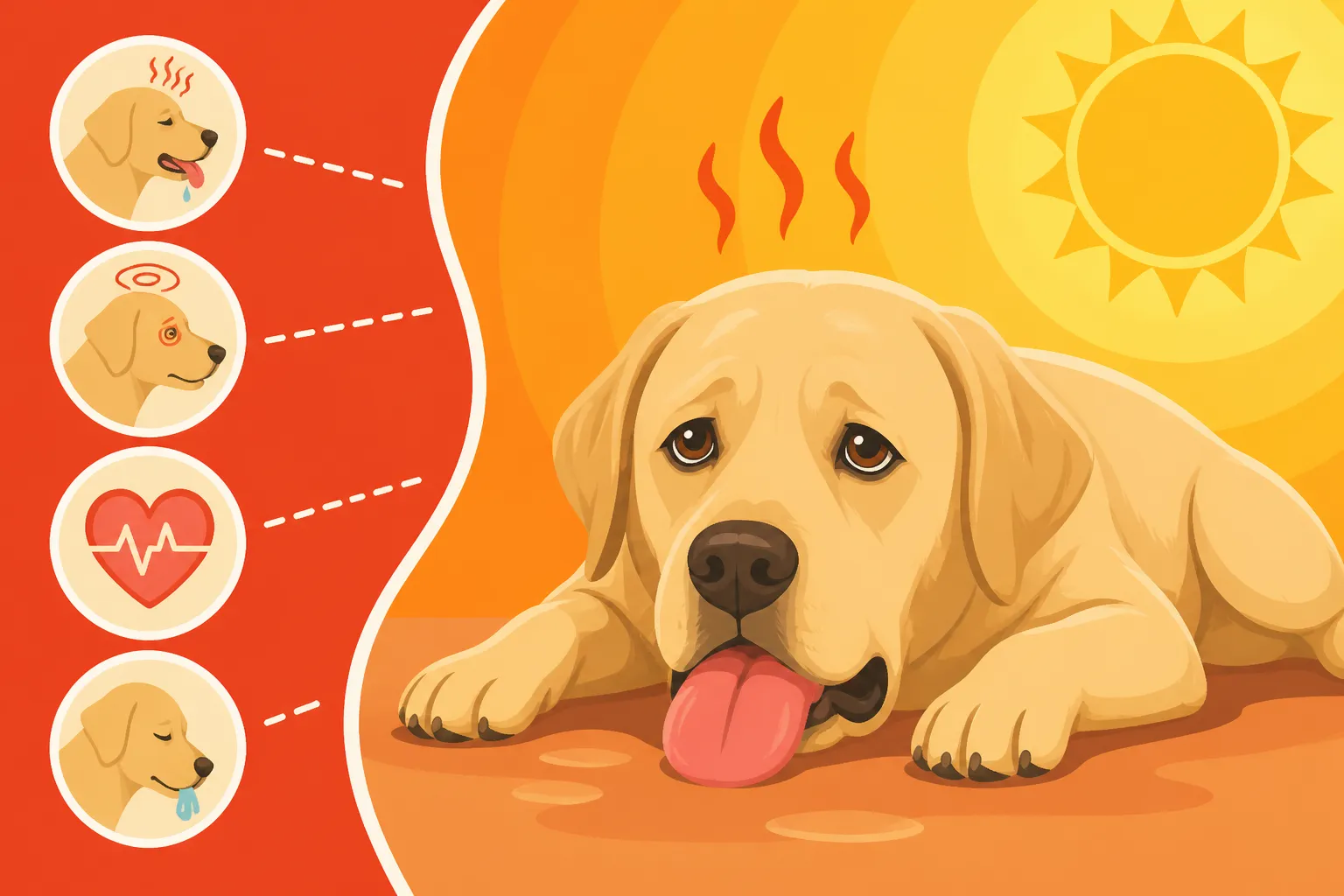
Signs of Heatstroke in a Labrador
It's heartbreaking to see our beloved Labradors, full of life and boundless energy, suddenly struggle when the temperatures rise. Many of us have felt that knot of anxiety, watching our furry companions panting heavily after what seemed like a harmless romp in the sun, wondering if they're just hot or if something more serious is brewing. This guide is here to help you understand why Labradors are particularly susceptible to heatstroke and, more importantly, to equip you with the knowledge to recognize the early warning signs so you can act quickly and potentially save your dog's life.
Why Labradors Are Especially Vulnerable to Overheating
Our Labs are magnificent creatures, built for activity and resilience. However, some of their most defining characteristics, the very things we love about them, can also make them surprisingly vulnerable to overheating and heatstroke. It's not just about how hot it feels to us; it's about how their bodies are designed and how their instincts drive them.
Their Insulating Double Coat
When you think of a Labrador, you likely picture that thick, water-resistant coat. It's truly a marvel of nature, perfect for retrieving ducks from icy waters or offering protection in chilly weather. This dense outer coat and soft, insulating undercoat work together to trap air, providing excellent insulation. But what's fantastic for cold weather becomes a significant liability in the heat.
Imagine wearing a heavy wool sweater on a hot summer day. That's essentially what our Labs are doing all the time. Their double coat, while short compared to some other breeds, is incredibly effective at holding heat in. Unlike humans who sweat all over their bodies, dogs primarily cool themselves through panting and through the pads of their feet. Their coat impedes the efficient release of heat from their skin, making it much harder for them to regulate their body temperature when the mercury climbs. You might be tempted to shave your Labrador in summer, but this is actually counterproductive as their coat provides a layer of protection from the sun's harsh rays and helps regulate temperature. For more on their coat, check out Why a Labrador Coat Has Two Layers. For general shedding information, you might be interested in How Much a Labrador Sheds Year Round.
Their Boundless Drive and Reluctance to Quit
This is perhaps the most dangerous factor for Labradors in hot weather. Labs are renowned for their unwavering enthusiasm, their eagerness to please, and their incredible work ethic. Whether it's chasing a tennis ball, retrieving a dummy, or simply enjoying a walk, they will often push themselves past the point of exhaustion, ignoring their body's signals to slow down. It’s part of their charm, yes, but it’s also a huge risk.
They live for the game, for the adventure, and for being with you. That intense retrieving drive, their love of running and swimming, means they often won't stop until you tell them to. A Labrador will play fetch until they drop, not because they’re foolish, but because their instinct and desire to work are so strong. They don't have that self-preservation switch that tells them, "Okay, I'm too hot, I need to stop now." This makes it entirely our responsibility as owners to monitor their activity levels and environment, especially as their Labrador Energy Level by Age can still be quite high even into adulthood. Even a seemingly short walk can become dangerous if they're exerting themselves too much in rising temperatures. Understanding When a Labrador Can Start Running With You is crucial for safe exercise.
Deep Chests and Bloat Risk
While not a direct cause of heatstroke, the deep-chested anatomy of a Labrador can be a compounding factor in hot weather emergencies. Deep-cheasted breeds are predisposed to Gastric Dilatation-Volvulus (GDV), commonly known as bloat, a life-threatening condition where the stomach twists. Intense exercise, especially after eating or drinking large amounts of water (which they might do rapidly when hot), can increase the risk of bloat.
The stress of overheating can potentially exacerbate the conditions that lead to bloat, making an already dangerous situation even more critical. If your dog is struggling with heat and then also shows signs of abdominal distress, it's a double emergency. Recognizing Bloat Symptoms in a Labrador Retriever is vital, as this combination can unfortunately be more common than we'd like to admit.
Recognising the Early Warning Signs of Heatstroke
Spotting heatstroke early is absolutely critical. The sooner you intervene, the better your Labrador’s chances of a full recovery. Don't wait for dramatic collapse; subtle changes can be the first clues that your dog is in trouble. Trust your gut if something just doesn't seem right. Our Labs are often stoic, so Reading Pain in a Stoic Labrador can be challenging, but there are specific visual cues to watch for.
Excessive Panting and Drooling
Panting is a dog's primary way to cool down, so some panting after activity is normal. However, "excessive" is the key word here. If your Labrador is panting much harder, faster, or louder than usual for the level of activity, that's a red flag. It might sound like they're struggling to catch their breath, or it could be very rapid, shallow panting.
Along with this, look for changes in their drool. Normal drool is usually clear and relatively thin. With heatstroke, the saliva often becomes thick, ropy, and excessive. It might be bubbling around their mouth or dripping in heavy strands. This is their body working overtime to try and cool itself, but if it's not effective, it means they're struggling. Imagine your Lab coming in from the yard after just a few minutes, panting like they've run a marathon, and leaving a puddle of thick slobber. That's a sign to pay attention to.
Reddened Gums and Tongue
This is a really important visual cue that many owners might miss. Gently lift your Labrador’s lip and look at their gums. In a healthy, well-hydrated dog, the gums should be a healthy bubblegum pink. If they are bright red, almost a brick red color, it indicates that their blood vessels are dilating in an attempt to dissipate heat. This is a clear sign that their body temperature is elevated and they are struggling.
In more severe cases, the gums might even start to look bluish or purplish, which indicates a lack of oxygen and is an extremely urgent symptom. Also, observe their tongue. A bright red tongue, sometimes swollen, is another indicator of overheating. It's like your Labrador is literally flushing red as their body tries desperately to cool itself down.
General Weakness, Lethargy, or Unsteadiness
A tired Labrador after a good run is one thing, but a Labrador showing signs of weakness or lethargy that seem out of proportion to their activity level, or even when they haven't done much at all, is worrying. This might manifest as a wobbly gait, stumbling, or an unwillingness to stand or walk. They might appear unusually sluggish, slow to respond, or simply "off."
You might notice them trying to lie down in unusual places, perhaps seeking cold surfaces like tile or concrete, and being reluctant to get back up. If your normally boisterous Lab seems unusually subdued, quiet, or is struggling to maintain their balance, especially if combined with other signs like heavy panting, it’s a strong indicator of heat stress. This kind of sudden weakness can be alarming and should be taken seriously. This is different from age-related slowdowns you might see in Signs a Labrador Is Aging Faster Than Expected or general issues covered in Caring for a Senior Labrador, as it's acute and directly related to environmental heat.
Advanced Symptoms Demanding Immediate Veterinary Intervention
Once heatstroke progresses beyond the early signs, the symptoms become much more severe and life-threatening. These are signs that your Labrador's internal organs are being compromised, and every second counts. If you see any of these, consider it a dire emergency.
Vomiting and Diarrhea
As heatstroke advances, it can begin to affect your Labrador's gastrointestinal system. They might start vomiting, and the vomit could contain blood. Diarrhea, which may also be bloody or tarry, is another alarming symptom. These are signs of significant internal distress and potential damage to the lining of the stomach and intestines.
The body is struggling to cope, and these symptoms indicate that the internal temperature is causing systemic shutdown. It's not just a simple stomach upset; it's a sign that their body is in crisis. The dehydration from vomiting and diarrhea only exacerbates the heatstroke, creating a vicious cycle that rapidly worsens their condition.
Disorientation, Mental Changes, and Seizures
As their core body temperature continues to climb, it begins to affect their brain function. Your Labrador might appear disoriented, confused, or have a glazed, vacant look in their eyes. They might stumble, walk in circles, or appear uncoordinated. They may not recognize you or respond to commands.
In the most severe cases, heatstroke can lead to seizures. These seizures are extremely dangerous and indicate severe neurological damage due to the intense heat. This kind of neurological distress is an undeniable sign of a critical emergency. It's important to distinguish this from other neurological events like What an EIC Episode Looks Like in a Labrador, which has different triggers and mechanisms.
Collapse and Loss of Consciousness
The most critical and life-threatening symptom of advanced heatstroke is complete collapse and loss of consciousness. At this point, your Labrador's body has failed to cope with the heat, and their vital organs are shutting down. Their breathing might become very shallow, or they might stop breathing altogether. Their gums could be bluish-purple, and they will be unresponsive.
This is not just "passing out" from being tired. This is a medical catastrophe that requires immediate, aggressive veterinary care to have any chance of survival. If your Labrador collapses, assume the worst and initiate emergency protocols without a moment's delay.
Here’s a quick summary of the difference between early and advanced signs:
| Symptom Category | Early Warning Signs | Advanced, Critical Signs |
|---|---|---|
| Panting/Breathing | Excessive, rapid, noisy panting | Labored, shallow breathing; gasping or struggling |
| Oral Appearance | Bright red gums and tongue; thick, ropy drool | Pale, grayish, or bluish gums; severe swelling of tongue |
| Energy/Movement | Lethargy, weakness, unsteadiness, seeking cool spots | Stumbling, disorientation, loss of coordination, full collapse |
| Gastrointestinal | None or mild nausea | Vomiting (possibly bloody), diarrhea (possibly bloody/tarry) |
| Mental State | Slightly subdued, reluctant to move | Confusion, glazed eyes, seizures, loss of consciousness |
| Body Temperature | Very warm to the touch (ear flaps, armpits) | Extremely high (rectal temp above 104°F/40°C) |
What to Do If You Suspect Heatstroke
If you notice any of the warning signs, especially the advanced symptoms, you need to act quickly. Your immediate actions can dramatically influence the outcome for your Labrador.
Initiate Immediate Cooling Measures
The very first thing you need to do is get your Labrador out of the heat and into a cooler environment.
- Move to Shade or Indoors: Get them into an air-conditioned car or home, or at least a shady spot.
- Apply Cool Water: Wet them down with cool (not ice-cold) water. Focus on areas with good blood flow, like the belly, groin, and paw pads. You can use a hose on a gentle setting, wet towels, or even just pour water over them. Do not use ice water, as this can cause the blood vessels near the skin to constrict, trapping heat inside their body, and can lead to dangerous shivering. Many owners keep cooling vests or mats on hand, which can be easily purchased from retailers like Chewy or Amazon, for these kinds of situations.
- Fan Them: Use a fan (a handheld one, a car fan, or a household fan) to create airflow over their wet body. The evaporation of the water will help draw heat away.
- Offer Small Sips of Water: If they are conscious and able to drink, offer small amounts of cool, fresh water. Don't let them gulp large quantities, as this can lead to vomiting or even increase the risk of bloat. If they are unresponsive or vomiting, do not try to force water.
- Continue Cooling During Transport: Keep cooling measures going on the way to the vet. Wet towels, a fan, and cool air in the car will help continue to lower their temperature.
Seek Veterinary Care Without Delay
Even if your Labrador seems to perk up after initial cooling, it is absolutely essential to get them to a veterinarian immediately. Heatstroke can cause internal damage to organs like the kidneys, liver, brain, and heart that isn't immediately visible. These complications can appear hours or even days later.
A vet can check their core body temperature, assess for organ damage, administer intravenous fluids to combat dehydration and shock, and provide other life-saving treatments. Be prepared for potential Labrador Emergency Vet Bills, as treating heatstroke can be extensive and may involve overnight stays and intensive care. Explain exactly what happened, what symptoms you observed, and what cooling measures you took. Your quick reporting can help the vet diagnose and treat them more effectively.
Prevention is Always Best
Of course, the very best approach is to prevent heatstroke from happening in the first place. This means being acutely aware of the conditions and your Labrador's tolerance.
- Avoid Peak Heat: Restrict exercise and outdoor time to early mornings and late evenings during summer months. Even overcast days can be dangerous due to humidity.
- Provide Ample Shade and Water: Always ensure your Labrador has access to cool, fresh water and a shady spot when outdoors.
- Never Leave in a Hot Car: This is a non-negotiable rule. Even with windows cracked, a car's interior temperature can rise to dangerous levels very quickly.
- Monitor Activity: Keep exercise sessions short and low-intensity on warm days. Pay attention to how your dog is behaving. Don't rely on them to tell you when they've had enough. For appropriate exercise levels, refer to Daily Walk Length for a Labrador.
- Check Surfaces: Remember that asphalt and concrete can get incredibly hot, burning your Labrador's paw pads and radiating heat back up to their body. If you can't comfortably hold your hand on the pavement for five seconds, it's too hot for your dog's paws. More on this in Hot Pavement and a Labrador's Paws.
- Consider Cooling Gear: Cooling vests, bandanas, and mats can help keep your dog comfortable in warm weather. You can find many options from pet supply stores like Chewy or Amazon.
Being proactive and knowing the signs of heatstroke are key parts of responsible Labrador ownership. By taking precautions and knowing how to react in an emergency, you can help ensure your faithful companion stays safe and healthy even when the temperatures soar. For more general advice on dealing with summer, see Keeping a Labrador Cool in Summer.
Disclaimer
This article is for general informational purposes only and does not constitute professional advice. Laws, prices and regulations vary by location and change over time. Consult a qualified professional for guidance on your specific situation.