Labrador Energy Level by Age
Oh, the Labrador energy! If you've ever found yourself asking, "Will my Labrador ever calm down?" or wondering why your supposedly 'adult' dog still acts like a rambunctious teenager, you're definitely not alone. It's a question every Labrador owner has pondered at some point. This guide is here to walk you through the typical energy levels of a Labrador Retriever across their entire lifespan, from those adorable, but chaotic, puppy days to their mellow senior years, helping you understand what to expect and how to manage it.
The Puppy Whirlwind: Endless Energy and Zoomies
When you bring home a Labrador puppy, you're essentially signing up for a tiny, furry tornado of boundless energy. These early months are a delightful, albeit exhausting, whirlwind as they explore their new world with an enthusiasm that knows no bounds. Their energy levels might seem erratic, oscillating between intense play and sudden, deep naps.
Newborn to 8 Weeks: Mostly Sleep, Then Discovery
In the very first weeks of their lives, Labrador puppies are mostly focused on eating, sleeping, and growing. They are vulnerable, dependent on their mother and littermates, and their world is quite small. However, as they approach 6-8 weeks, a shift begins. They start to become more mobile, their eyes and ears are fully open, and they begin to interact more with their siblings and surroundings. You'll see short bursts of clumsy play, investigative sniffing, and the first hints of that signature Labrador curiosity. These bursts are brief, though, quickly followed by deep, puppy-pile slumbers. This early period is crucial for their physical development, building muscle and coordination, even if it's just in small doses.
8 Weeks to 6 Months: The Peak of Puppyhood Chaos
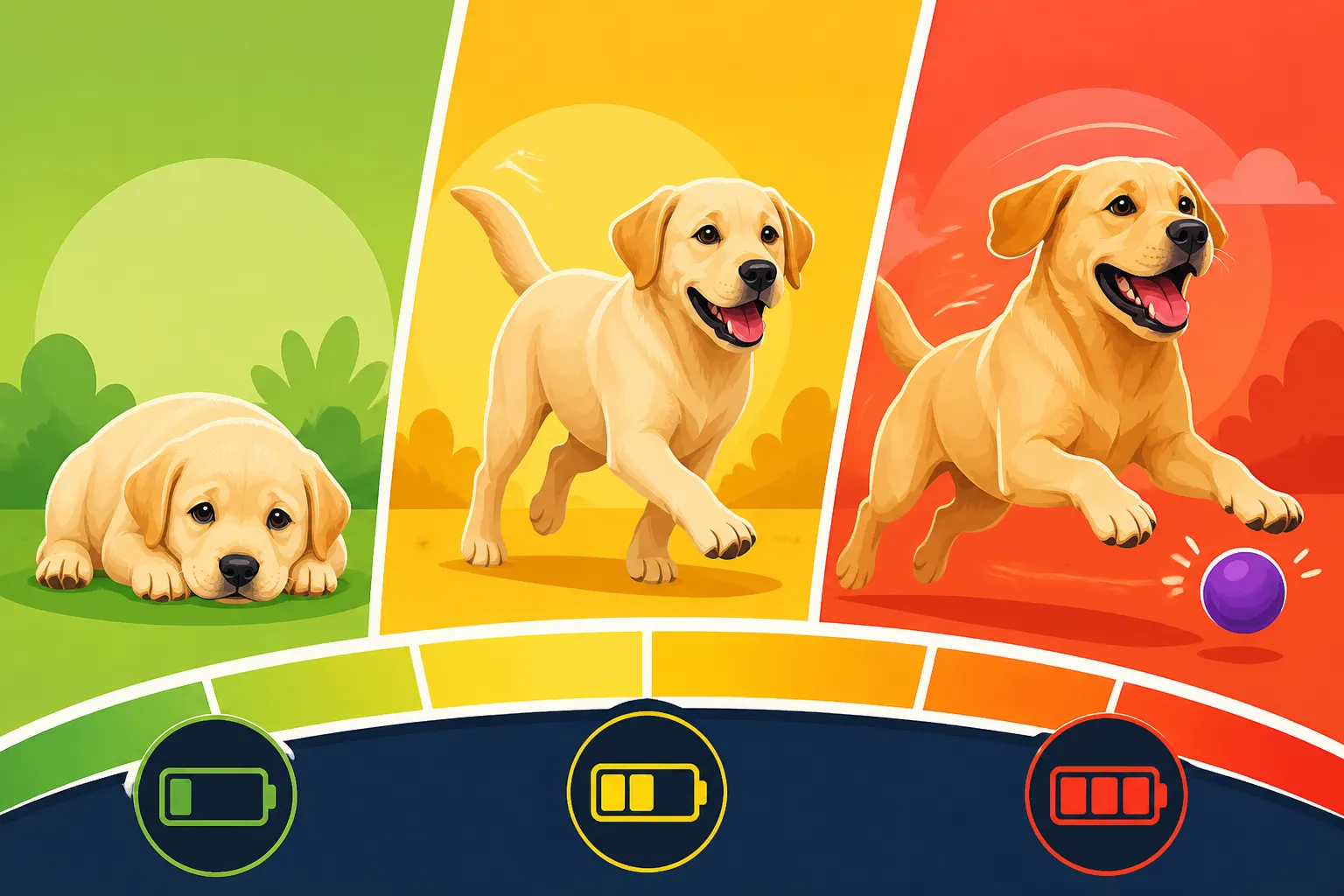
This is where the real fun – and the real work – begins! From eight weeks onward, your Labrador puppy's energy is going to seem almost limitless. They are learning about the world, their bodies are growing rapidly, and every new scent, sound, and object is an invitation to play. You'll witness the infamous "zoomies" – sudden explosions of energy where they race around like their tail is on fire. This period is characterized by constant activity: chewing everything in sight, Labrador Puppy Mouthing and How to Redirect It your hands, chasing toys, and demanding attention. Their minds are sponges, making it an excellent time for early training and Potty Training Schedule for a Labrador Puppy, but their physical endurance for sustained activity is still limited. They need frequent, short bursts of activity, followed by equally important periods of rest to prevent over-tiredness and overstimulation. Without proper outlets, this energy can quickly turn into destructive behaviors as they try to entertain themselves.
Managing Puppy Energy: Structured Play and Naps
The key to surviving and thriving with a high-energy Labrador puppy is structured management. It's not about trying to wear them out completely – that's often a losing battle and can even be detrimental to their growing joints. Instead, focus on channeling their energy productively. Incorporate multiple Short Training Sessions That Suit a Labrador throughout the day, each lasting only 5-10 minutes. These mental challenges are incredibly tiring for a puppy. Engage them with puzzle toys and interactive games that make them think. Scheduled naps are also non-negotiable; puppies need a surprising amount of sleep, and overtired puppies can be even more unruly. Think of their day as a cycle of play, training, potty, and nap. Providing appropriate chew toys is also vital to redirect their natural urge to mouth and chew away from your furniture or hands. Remember, a tired mind often leads to a tired body.
Navigating Adolescence: The Teenager Phase
Just when you think you've got this whole puppy thing down, your Labrador hits adolescence. This phase, often lovingly referred to as the "terrible teens," brings a whole new set of energy dynamics and challenges. They're not quite a puppy, but they're certainly not a fully mature adult either, existing in a limbo of surging hormones and rapidly changing bodies.
6 Months to 18 Months: The "Terrible Teens" Energy Spurt
Around six months, your Labrador will likely experience a second surge in energy, combined with a newfound physical strength that can be startling. They're bigger, faster, and more coordinated, meaning their playful lunges now have more power behind them. This is the period where they start testing boundaries, pushing limits, and sometimes seeming to "forget" all the training you've diligently worked on. The Labrador Compliance Drop at Six Months is real, and it can be incredibly frustrating. Their energy isn't just about endless zoomies anymore; it's about endurance, exploring, and asserting their growing independence. They might become more inclined to chew inappropriate items, Labrador Chewing Through Adolescence, or develop a selective hearing when you call them back. It's a tricky time where they have the physical capacity for long walks and runs, but perhaps not yet the mental maturity to handle them perfectly.
Mental and Physical Maturity: A Balancing Act
During adolescence, your Labrador is a walking contradiction. Physically, they're approaching their adult size and strength, becoming capable of serious athletic feats. Mentally, however, they're still very much a teenager. Their brains are still developing, making them prone to impulsive decisions, easily distracted, and sometimes a bit defiant. This disconnect means that while they might look like an adult, they still need significant guidance, consistent training, and patience. The boundless energy they possess needs careful direction. Simply letting them run wild isn't enough; they need engaging activities that challenge both their bodies and their minds. This is the time to solidify good habits and reinforce boundaries, rather than letting them slide. Think of it as investing in their future calm, adult self.
Channeling Adolescent Drive: Advanced Training and Sports
To navigate the high-energy waters of Labrador adolescence, you need to provide appropriate outlets for their significant drive. This is an excellent time to explore advanced training classes, not just for obedience but for specific dog sports. Agility, dock diving, or even an introductory gundog class can be fantastic for channeling their natural retrieving instincts and boundless enthusiasm. Longer, brisk walks are now appropriate, perhaps even some short jogs once their growth plates have closed (always consult your vet about this). Brain games and puzzle feeders are still crucial, helping to tire them out mentally. Consider using a long line in a safe, open area to practice recall, allowing them to stretch their legs while still under your control. Remember that a bored adolescent Labrador is almost certainly a mischievous one.
Adulthood: Finding a Rhythm (Usually)
Ah, adulthood! For many Labrador owners, this is the phase they've been patiently waiting for. While a Labrador will always retain a playful spirit, their energy levels typically become more predictable and manageable once they cross into adulthood. This doesn't mean they become couch potatoes, but rather that their energy is more focused and sustained, rather than the frenetic bursts of puppyhood or the challenging intensity of adolescence.
18 Months to 3 Years: Settling into Adult Routines
Around 18 months to two years, you'll likely start noticing a significant shift in your Labrador's demeanor. They begin to "settle" – not necessarily calm down completely, but their energy starts to integrate more smoothly into daily life. The frantic, impulsive behaviors lessen, and they become more attentive and responsive. They're still active and eager for adventure, but they might be more content to relax by your feet after a good walk or play session, rather than constantly seeking stimulation. This period is about refining their training, solidifying their routines, and truly bonding as a mature canine companion. Many owners find that When a Labrador Actually Calms Down often falls within this age range, though every dog is an individual. You'll start to appreciate the steady, reliable nature that makes Labradors such beloved family members.
3 to 7 Years: Prime of Life Energy
This is often considered the prime of a Labrador's life, characterized by excellent physical condition and a well-developed, consistent energy level. They are strong, fit, and have the endurance for sustained, vigorous activities. This is when their working drive and athleticism truly shine. Daily exercise is still absolutely vital during these years – think long hikes, intense games of fetch, swimming, or engaging in dog sports. A healthy adult Labrador thrives on regular, challenging activity. Without it, even a mature Labrador can become bored, restless, and prone to destructive behaviors or excessive barking. They are enthusiastic participants in whatever you throw their way, whether it's a marathon fetch session or a long trail run. Just remember to watch their weight, as Labradors are notoriously food-motivated, and Why Labradors Gain Weight So Easily. Keeping them lean and fit is key to their long-term health.
Maintaining Health and Fitness in Adulthood
For adult Labradors in their prime, maintaining peak health and fitness is paramount. Regular, appropriate exercise, as described in Exercise a Labrador Needs Each Day, is essential not only for burning off energy but also for keeping their muscles strong and joints healthy. Proper nutrition is equally important; a high-quality diet, fed in carefully measured portions, will fuel their active lifestyle without leading to unwanted weight gain. Many owners choose brands like Chewy for their wide selection of quality dog foods and treats, often with options for active large breeds. Regular veterinary check-ups are critical to monitor their overall health, including joint health, and to catch any potential issues early. Remember, a fit Labrador is a happy Labrador, and keeping them active helps them maintain both physical and mental well-being, ready for whatever adventure comes next.
The Golden Years: Slowing Down Gracefully
As our beloved Labradors move into their later years, their energy levels will naturally begin to wane. This transition can be subtle at first, often manifesting as a gradual reduction in stamina or a greater appreciation for naps. It's a bittersweet period, as you see the signs of aging, but also get to enjoy a more serene, deeply bonded companion.
7 to 10 Years: The First Signs of Slowing
Around the age of seven, many Labradors begin to show the first gentle signs of slowing down. They might not chase the ball with quite the same explosive speed, or they might prefer a shorter walk instead of a long hike. Naps become more frequent and longer, and they might take a little more time to get up after resting. This isn't a sudden decline, but rather a gradual shift. It's crucial during this phase to listen to your dog's body and adjust their exercise routine accordingly. Pushing them too hard can exacerbate underlying conditions like Labrador Arthritis in Middle Age, which commonly begins to manifest around this age. They still enjoy activity and mental stimulation, but the intensity and duration should be scaled back. Short, frequent walks and gentle play sessions are often more appropriate than long, strenuous outings.
10+ Years: Senior Lab Energy and Care
Once a Labrador reaches 10 years and beyond, their senior status is usually undeniable. Energy levels will significantly decrease, and their focus shifts from high-impact activities to comfort and gentle companionship. Walks will be slower and shorter, more about sniffing and enjoying the fresh air than burning calories. They'll spend a lot more time sleeping or resting, and their joints might become creakier. This is the stage where their patience and wisdom truly shine. While their physical energy dwindles, their need for mental engagement and affectionate interaction remains strong. Caring for a Senior Labrador involves a holistic approach, focusing on their physical comfort, mental well-being, and nutritional needs. Senior-specific diets, often available through retailers like Chewy, can provide the right balance of nutrients for their changing metabolism and joint support.
Adapting Exercise and Lifestyle for Seniors
Adapting your senior Labrador's lifestyle to their changing energy and physical capabilities is a critical part of ensuring their comfort and happiness. Instead of long, vigorous walks, opt for several shorter, gentle strolls throughout the day. Swimming, if their joints allow and they still enjoy it, can be a fantastic low-impact exercise. Mental stimulation becomes even more important as physical activity decreases; continue with puzzle toys, scent games, and short training sessions that keep their minds sharp without stressing their bodies. You might consider adding aids like ramps or steps to help them access furniture or vehicles, easing the strain on aging joints. Ramps and Mobility Aids for an Old Labrador can significantly improve their quality of life. Regular veterinary check-ups become even more crucial, allowing you to monitor for age-related conditions and manage any pain or discomfort effectively. The goal is to keep them comfortable, engaged, and cherished in their golden years.
Here's a quick overview of what you can generally expect from your Labrador's energy levels throughout their life:
| Age Range | Typical Energy Level | Key Characteristics | Management Focus |
|---|---|---|---|
| Newborn – 8 Weeks | Low to moderate bursts | Eating, sleeping, growing, short play sessions. | Gentle handling, warm environment, brief exploration. |
| 8 Weeks – 6 Months | Very High (Frenetic) | Boundless curiosity, zoomies, frequent play, mouthing, rapid growth. | Structured play, short training sessions, mandatory naps, appropriate chew toys (Chewy offers many durable options!). |
| 6 Months – 18 Months | High (Powerful & Testing) | Increased strength, endurance, testing boundaries, adolescent "forgetfulness," continued chewing. | Consistent training, advanced obedience, dog sports, long line work, mental challenges. |
| 18 Months – 3 Years | Moderate to High (Settling) | More predictable, sustained energy, becoming more reliable, still enjoys vigorous activity but settles better afterward. | Regular exercise, continued training, maintaining routines, preventing weight gain. |
| 3 – 7 Years | High (Prime Endurance) | Peak physical condition, strong working drive, requires significant daily activity to prevent boredom and destructive habits. | Vigorous exercise (hiking, swimming, fetch), mental enrichment, balanced diet, consistent vet checks. |
| 7 – 10 Years | Moderate (Gradually Decreasing) | First signs of slowing, less stamina, more naps, potential joint stiffness. | Shorter, more frequent walks, low-impact exercise, joint supplements (available on Chewy), pain management awareness. |
| 10+ Years | Low (Focused on Comfort) | Significant decrease in activity, prefers gentle strolls, increased rest, focus on comfort and companionship. | Very gentle, short walks, mental games, orthopedic beds, ramps, close vet monitoring, senior-specific diet. |
Remember, this is a general guideline. Each Labrador is an individual, and their energy levels can be influenced by genetics (field lines often have higher energy than show lines), diet, and overall health. The most important thing is to observe your own dog, understand their unique needs, and adapt your routine to ensure they lead a happy, healthy, and fulfilled life at every stage.
Disclaimer
This article is for general informational purposes only and does not constitute professional advice. Laws, prices and regulations vary by location and change over time. Consult a qualified professional for guidance on your specific situation.