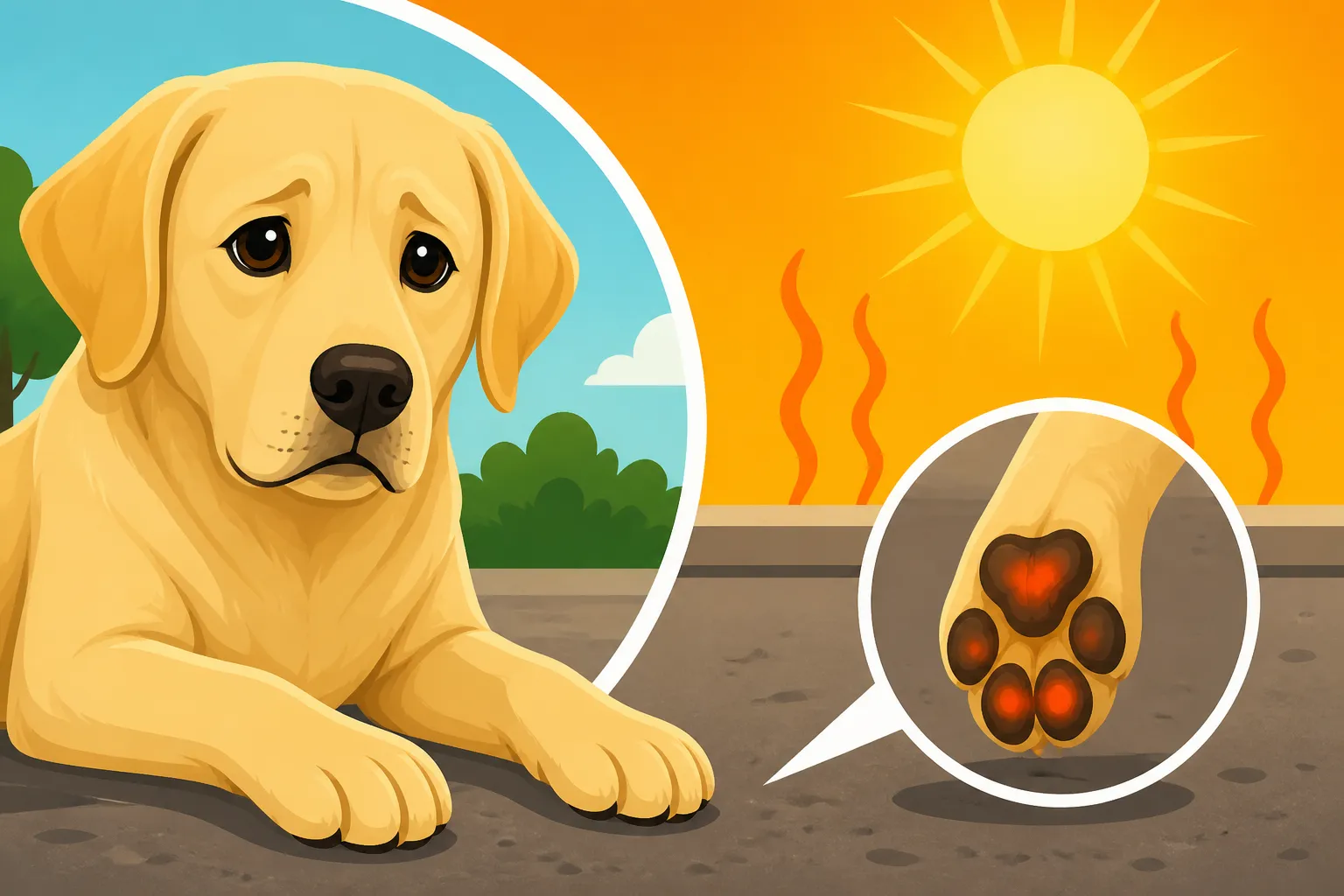
Hot Pavement and a Labrador’s Paws
Oh, the summer heat! It’s something many of us Labrador parents dread, not just for ourselves, but especially for our beloved furry companions. That feeling of stepping out, the sun blazing down, and realizing that what feels warm to our shoes might be scorching hot for our Lab’s unprotected paws is a common and legitimate worry. This guide is all about helping you understand the real dangers of hot pavement to your Labrador's sensitive paw pads and, more importantly, equipping you with practical, realistic strategies to keep their feet safe and sound, even on the hottest days.
Why Hot Pavement is Such a Danger to Your Labrador's Paws
It's easy to assume that because dogs walk barefoot, their paws are naturally immune to temperature extremes. After all, they’re designed for outdoor adventures, right? While a Labrador's paw pads are certainly tougher than human skin, they are far from indestructible, especially when it comes to the intense heat radiating from surfaces like asphalt and concrete. The risks are very real, and the damage can be serious, painful, and costly.
The Anatomy of a Labrador's Paw Pad
Let's take a closer look at those wonderful paws. A Labrador’s paw pads are incredible structures, composed of thick, fatty tissue, elastic fibers, and a tough outer layer of keratinized skin. This design provides cushioning, traction, and protection against rough terrain. They also play a role in regulating body temperature through sweating, though dogs primarily pant to cool down. However, despite their robust appearance, these pads are not built to withstand the extreme temperatures that modern urban and suburban surfaces can reach. They don't have the same pain receptors as our hands, which can sometimes make it harder for a Lab to signal discomfort until significant damage has already occurred. Think of it like this: your hiking boots protect your feet, but you wouldn't walk across hot coals in them. Your Labrador's paws are like their natural hiking boots, but they have limits.
How Heat Transfers and Causes Burns
The science behind hot pavement burns is straightforward but often underestimated. Pavement, especially dark asphalt, absorbs and retains a tremendous amount of heat from the sun. On a sunny 77°F (25°C) day, asphalt can reach 125°F (51°C). At 87°F (30°C) ambient air temperature, the pavement can easily hit 143°F (62°C) or more. To put that in perspective, an egg can fry in five minutes at 131°F (55°C), and human skin can sustain burns in just 60 seconds at 120°F (49°C). Your Labrador's paw pads are vulnerable to the same principles of heat transfer. When they walk on superheated surfaces, the heat rapidly transfers to their paw pads, causing burns, blisters, and tissue damage. It’s not just about the ambient air temperature; it's about the surface temperature, which can be dramatically higher.
The Misconception That Dog Paws Are Invincible
One of the most dangerous myths floating around is that a dog's paws are somehow "tough enough" for anything. This simply isn't true. While they do have a thicker, more calloused skin than ours, they are still living tissue susceptible to injury. Many well-meaning owners have inadvertently caused harm by taking their Labradors for walks during peak sun hours, assuming their dogs would be fine. The stoic nature of many Labradors can also be a disadvantage here. They might try to push through discomfort, especially if they're excited for a walk or eager to please, masking the early signs of pain until the burns are already severe. It’s our responsibility as their guardians to be proactive and understand their limitations. We need to shed the idea that their paws are like shoes that can handle anything and instead treat them with the care and protection they need.
How to Test Pavement Temperature Safely
Knowing that pavement can be much hotter than the air is the first step. The next is having reliable ways to test the temperature before your Labrador ever sets a paw on it. Guessing isn't good enough, as the consequences can be truly heartbreaking. It’s better to be safe than sorry, especially when their comfort and health are on the line.
The "Five-Second Rule" and Its Importance
The simplest, most effective, and widely recommended method for checking pavement temperature is the "five-second rule." Here's how it works: place the back of your hand flat on the pavement, asphalt, or concrete. If you cannot comfortably hold it there for a full five seconds, then it's too hot for your Labrador's paws. Seriously, it's that easy. If it's uncomfortable for your bare hand, imagine how it feels on their more delicate paw pads, which are in constant contact with the surface. This rule works because your hand's sensitivity is a good proxy for your dog's, giving you an immediate, practical assessment of the danger. Always do this test in the specific spot you plan to walk, as shaded areas can be significantly cooler than sunny ones, even just a few feet away.
Other Indicators of Dangerous Temperatures
While the five-second rule is paramount, there are other clues that can hint at dangerous paw-burning conditions:
- Time of Day: Midday, especially between 10 AM and 4 PM, is generally the hottest. Even if the morning started cool, the sun can quickly heat surfaces.
- Sun Exposure: Pavement in direct sunlight will always be hotter than shaded areas. Look for trees, buildings, or awnings that cast long shadows.
- Color of Surface: Darker surfaces, like black asphalt, absorb and retain heat much more effectively than lighter concrete or natural dirt paths.
- Heat Shimmer: If you can see heat waves rising from the pavement, it's a clear sign that the surface is dangerously hot.
- Air Temperature: While not a direct measure, if the air temperature is over 75°F (24°C), you should be exercising extreme caution and probably relying on the five-second rule every single time. Heat Tolerance in a Black Labrador can be even more critical due to their dark coats absorbing more solar radiation, making them overall more susceptible to overheating, which compounds the risk of paw burns if they're struggling with body temperature regulation.
Here’s a quick reference table for pavement temperature risks:
| Air Temperature (F/C) | Pavement Temperature (Approx. F/C) | Risk Level for Paws | Action Required |
|---|---|---|---|
| 75°F (24°C) | 120°F (49°C) | Moderate | Test with hand, walk on grass/early/late |
| 85°F (29°C) | 140°F (60°C) | High | Avoid pavement entirely, indoor activities only |
| 90°F+ (32°C+) | 150°F+ (65°C+) | Extreme | Absolutely no outdoor walks on hard surfaces |
Note: These are approximations. Always use the 5-second hand test.
The Role of Air Temperature vs. Surface Temperature
It’s crucial to distinguish between the air temperature reported by your weather app and the actual surface temperature of the ground. On a sunny day, asphalt can be 40-60 degrees Fahrenheit hotter than the ambient air. So, if your phone says it’s a pleasant 80°F, the sidewalk could easily be well over 120°F. This is why simply checking the forecast isn't enough. You need to physically check the surface. Concrete can also get very hot, though often not as intensely as black asphalt. Even artificial turf in yards or dog parks can become shockingly hot, sometimes even hotter than pavement, making the need for careful checking universal across all hard outdoor surfaces.
Recognizing the Signs of Burned Paws on Your Labrador
Despite our best efforts, accidents can happen. Maybe you misjudged the heat, or your Labrador bolted onto a sunny patch for a moment. Knowing the signs of burned paw pads is critical for prompt treatment and to prevent further injury or infection. Labradors are famously stoic, and they might not always vocalize their pain, so you need to be observant.
Visual Cues of Paw Pad Damage
After a walk, especially if you have any doubt about the pavement temperature, make it a habit to check your Labrador's paws. Here’s what to look for:
- Redness or Discoloration: The pads might appear redder than usual, or even a deep pink if they’re normally lighter.
- Blisters: Just like human burns, blisters can form on the paw pads. These can be small or quite large and may weep fluid.
- Swelling: The paw pads themselves, or the entire paw, might appear swollen.
- Cracked or Peeling Pads: In more severe cases, the outer layer of the paw pad may crack, peel away, or even have pieces missing. This exposes the more sensitive layers underneath, making them prone to infection.
- Licking or Chewing: Your Labrador might incessantly lick, chew, or bite at their paws, trying to soothe the pain or irritation.
- Limping or Reluctance to Walk: This is a more obvious sign. If your Lab is limping, holding a paw up, or showing reluctance to put weight on a particular paw or to walk at all, it’s a huge red flag. Reading Pain in a Stoic Labrador can be challenging, but changes in gait or activity level are often clear indicators.
Behavioral Changes to Watch For
Beyond the physical signs, your Labrador's behavior can tell you a lot about their discomfort:
- Excessive Licking or Chewing: As mentioned, this is a common self-soothing behavior. Pay attention if it seems focused on their feet.
- Reluctance to Bear Weight: They might shift their weight constantly, stand with one paw slightly lifted, or refuse to walk on certain surfaces.
- Seeking Cool Surfaces: Your Lab might actively seek out grass, dirt, or cool flooring indoors, avoiding hard, warm surfaces.
- Whining or Vocalizing: While Labradors can be stoic, significant pain might elicit whimpers or yelps, especially if you touch their paws.
- Changes in Demeanor: A normally energetic Lab might become lethargic, withdrawn, or even a bit snappy if they’re in pain. Any deviation from their normal happy-go-lucky self warrants a close inspection of their paws.
Immediate First Aid for Burned Paws
If you suspect your Labrador has burned paw pads, immediate action is crucial:
- Get Off the Hot Surface: Immediately move your dog to a cool, shaded, soft surface like grass or indoors.
- Cool the Paws: Gently rinse their paws with cool (not ice-cold) water for about 10-15 minutes. A cool compress can also work. This helps to stop the burning process and soothe the pain.
- Clean Gently: After cooling, gently clean the paws with a mild antiseptic solution, if available, or just plain water.
- Do NOT Apply Ointments or Creams (Initially): Unless specifically instructed by a vet, avoid applying human burn creams, butter, or other home remedies. These can trap heat, worsen the burn, or even be toxic if ingested.
- Bandage Loosely (If Necessary): If there are open wounds or blisters, you can loosely wrap the paws with non-stick gauze and a light bandage to keep them clean and prevent further trauma. Do not wrap too tightly, as this can cut off circulation.
- Seek Veterinary Attention: Even if the burns seem mild, it’s always best to contact your veterinarian. Paw pad burns are prone to infection and can be more severe than they appear. Your vet can assess the damage, provide appropriate pain relief, prescribe antibiotics if needed, and give you specific instructions for ongoing care. They can also ensure there are no deeper underlying issues.
Practical Strategies to Protect Your Labrador's Paws
Prevention is always better than cure, especially when it comes to something as painful as paw pad burns. There are many easy, practical steps you can take to ensure your Labrador's paws stay healthy and happy, no matter the weather. It just takes a little planning and awareness.
Adjusting Your Walking Schedule
This is probably the simplest and most effective strategy. Think of it like adjusting your own schedule for extreme weather.
- Early Morning Walks: Before the sun has had a chance to bake the pavement, take your Labrador out for their main walk of the day. The air is cooler, and surfaces will be much less hazardous.
- Late Evening Walks: Similarly, once the sun has set and the pavement has had ample time to cool down, an evening stroll can be perfectly safe and enjoyable. Always check with your hand, though, as pavement can retain heat for hours.
- Short Potty Breaks: During the hottest parts of the day, limit outdoor excursions to short, purposeful potty breaks. Stick to grassy areas in your yard or shaded dirt patches. Avoid long stretches of concrete or asphalt.
It sounds simple, but truly adhering to these timing adjustments can make all the difference. Your Labrador will still get their exercise, just at safer times.
Exploring Cooler Walking Surfaces
If traditional pavement is off-limits, get creative with alternative walking routes.
- Grassy Areas and Parks: Grass is always cooler than asphalt or concrete. Opt for walks through local parks, sports fields, or even just the grassy verges along your street. Be mindful of any pesticides or fertilizers recently applied, though.
- Shaded Trails and Woods: If you have access to nature trails or wooded areas, these are often naturally cooler. The tree canopy provides shade, and the ground cover is usually soil or natural debris, which doesn't retain heat like pavement. Just be aware of ticks and other outdoor hazards.
- Indoor Activities: On scorching days, sometimes the best walk is no outdoor walk at all. Engage your Labrador with indoor games, puzzle toys available at retailers like Chewy or Amazon, or even a quick trip to a pet-friendly store with air conditioning. Mental stimulation can be just as tiring as physical exercise for a smart breed like a Labrador.
- Water Play: Labradors love water! A swim in a safe lake or a romp in a kiddie pool can provide excellent exercise and keep them cool. Just remember to rinse their ears thoroughly afterward to prevent ear infections. Drying a Labrador's Ears After the Lake is a crucial step in their care routine.
Protective Paw Gear and Products
Sometimes, despite your best efforts, you might need to walk your Labrador on pavement during warmer times. This is where protective paw gear comes in handy.
- Dog Boots/Booties: These are like little shoes for your dog. They create a barrier between the hot surface and your Lab's paw pads. Look for durable, well-fitting boots with good ventilation. It might take some getting used to – many dogs do the "bootie dance" at first – but with patience and positive reinforcement (and maybe some tasty Ollie treats!), most Labradors can learn to wear them. Brands like Ruffwear or Pawz (disposable rubber booties) are popular choices and can often be found on Amazon.
- Paw Waxes/Balms: While not a substitute for boots on truly scorching pavement, paw waxes and balms can offer a protective layer that moisturizes and strengthens the paw pads over time, making them more resilient to minor abrasions and dryness. They can also provide a small amount of insulation against moderately warm surfaces. Apply them regularly, especially before and after walks, available from various brands on Chewy.
- Cooling Mats or Vests: While not directly for paws, these products can help keep your Labrador's overall body temperature down, which is beneficial when dealing with any heat-related stress, including hot paws. A cool mat waiting for them after a brief outdoor excursion can be a lifesaver.
Building Paw Pad Toughness Safely
You can't make your Labrador's paws invincible, but you can promote healthy, resilient paw pads through consistent, safe practices.
- Regular, Moderate Exposure: Over time, consistent walking on varied, safe surfaces (like grass, dirt, and cool pavement) helps to naturally thicken and toughen paw pads. Think of it like human feet developing calluses; gradual exposure is key.
- Avoid Over-Softening: While paw balms are good for conditioning, avoid constantly keeping your dog indoors on plush carpets and then suddenly expecting their paws to handle rough or slightly warm terrain. A balanced approach with varied surfaces is best.
- Maintain Overall Paw Health: Regularly check your Labrador's paws for cracks, cuts, or foreign objects. Keep their nails trimmed to prevent splayed toes which can put undue pressure on paw pads. Trimming Black Nails on a Labrador can be tricky, but regular care is essential for overall paw health. Healthy paws are more resilient paws. If you notice any unusual licking or sensitivity, it might be a sign of underlying issues like allergies or discomfort, so consult your vet.
By combining these strategies – smart scheduling, alternative routes, protective gear when needed, and consistent paw care – you can drastically reduce the risk of your Labrador suffering from hot pavement burns, ensuring they can continue to enjoy their walks safely.
Disclaimer
This article is for general informational purposes only and does not constitute professional advice. Laws, prices and regulations vary by location and change over time. Consult a qualified professional for guidance on your specific situation.