Winter Coat Care for a Labrador in Snow
There's nothing quite like watching your Labrador bound through fresh snow, nose-diving and rolling with pure joy. It's a quintessential Lab experience! But as much as they love their winter wonderland adventures, the colder months bring a unique set of challenges for their magnificent double coat. From icy clumps and road salt to dry skin, navigating winter care can feel like a full-time job. This guide is dedicated to helping you understand, maintain, and protect your Labrador's coat and paws, ensuring they stay healthy and happy all season long.
Understanding Your Labrador's Winter Coat
Your Labrador's coat isn't just for looking handsome; it's a marvel of natural engineering, perfectly designed for the work they were historically bred to do in icy waters. Appreciating its structure is the first step in effective winter care.
The Double-Layered Marvel
A Labrador's coat is a true double coat, meaning it has two distinct layers working in harmony. The outer layer, known as the guard hairs or topcoat, is coarser, straight, and remarkably water-resistant. These longer hairs act like a natural raincoat, shedding water and protecting the dog from precipitation and icy blasts. This is why you'll often see water bead up and roll right off your Lab's back, rather than soaking through.
Beneath this protective outer shell lies the dense, soft undercoat. This fluffy layer is incredibly insulating, trapping warm air close to your Labrador's body and keeping them toasty even in freezing temperatures. Think of it like wearing a high-tech thermal shirt under a waterproof jacket – both layers are essential. This dual protection is what allows Labradors to thrive in cold environments and perform tasks like retrieving waterfowl from frigid lakes. It's also why you should remember to Never Shave a Labrador, as shaving disrupts this natural insulation system.
Seasonal Coat Changes and Winter Shedding
While many dogs experience their heaviest shedding, or "coat blow," in spring and fall, your Labrador's coat is always in a state of flux, responding to daylight hours and temperature changes. In winter, their undercoat will thicken significantly to provide maximum insulation. This natural adaptation is crucial for keeping them warm.
However, modern living can sometimes alter these natural rhythms. If your Labrador spends a lot of time indoors in a heated home, their body might not get the full signal to grow an extremely dense undercoat, or they might shed more consistently throughout the winter rather than in a distinct blow. You might still find a surprising amount of hair around the house, even in the coldest months. Understanding that a healthy coat sheds is key – it means new, strong hairs are coming in to replace older ones.
A healthy coat is a functional coat. While you might associate shedding with warmer weather, paying attention to shedding during winter can give you clues about your dog's overall health and the effectiveness of your grooming routine. Ensuring proper nutrition and regular grooming helps maintain this crucial insulation, whether they're experiencing a minor shed or getting ready for a new growth cycle.
Preparing Your Labrador's Coat for Winter Adventures
Before your Labrador plunges headfirst into a snowdrift, a little preparation can go a long way in preventing discomfort and potential health issues. Winter care isn't just about reacting to problems; it's about proactive steps to keep them pristine.
The Importance of Regular Brushing
Regular brushing is paramount, especially when your Labrador's undercoat is at its thickest. Snow can easily get matted into this dense fur, forming painful ice balls that pull at the skin. Even without snow, a neglected undercoat can quickly become matted, especially in areas like the armpits, behind the ears, and around the tail and hindquarters. Mats not only cause discomfort but can also trap moisture, leading to skin irritation and infections.
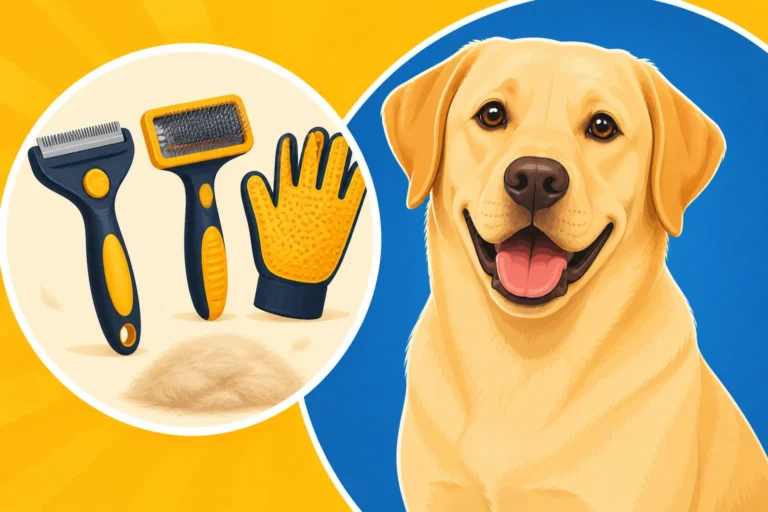
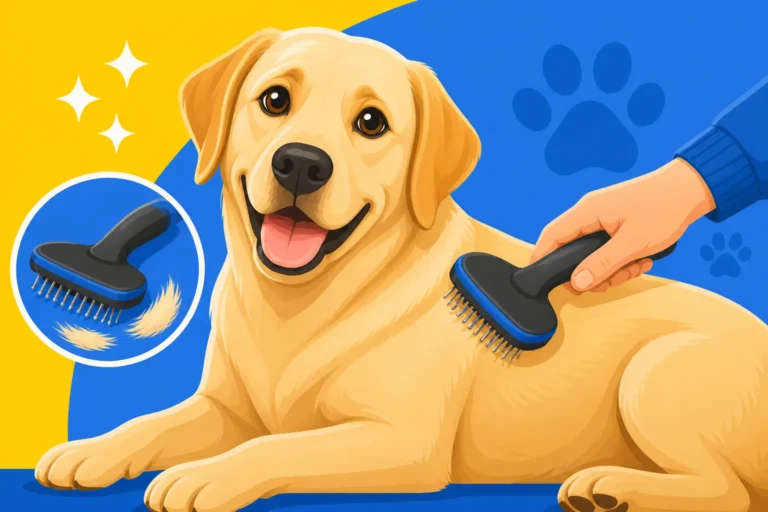
Aim for brushing sessions several times a week, or even daily if your Labrador is a true snow enthusiast. Use an undercoat rake to gently pull out loose, dead undercoat without damaging the topcoat. A slicker brush can then smooth the top layer and remove any remaining loose hairs. Finally, a rubber curry brush can help stimulate blood flow to the skin and distribute natural oils, which are vital for a healthy, shiny coat. You can find excellent tools on sites like Chewy or Amazon. Consistent brushing helps prevent matting, reduces shedding indoors, and allows your dog's natural skin oils to nourish the coat. For more details on effective tools, check out Which Brush Works on a Labrador Coat.
Bathing Considerations in Cold Weather
While it might be tempting to give your snow-loving Lab a warm bath after every muddy romp, frequent bathing in winter can actually do more harm than good. Each bath strips away some of the natural oils that contribute to your Labrador's coat water repellency and skin health. Without these oils, their skin can become dry, flaky, and itchy, and their coat's insulating properties can be compromised.
If a bath is absolutely necessary – perhaps after a particularly dirty adventure or if they've rolled in something smelly – choose a mild, moisturizing dog shampoo and use lukewarm water. The most critical step, however, is thorough drying. A damp Labrador in cold weather is a recipe for hypothermia or skin issues. Use absorbent towels to remove as much moisture as possible, then consider a dog-specific blow dryer on a cool or low-heat setting. Take your time, making sure every layer of that thick coat is completely dry, especially the dense undercoat. It can take longer than you think! For tips on proper drying, see Drying a Labrador After a Swim.
Protecting Paws and Skin
Your Labrador's paws are their primary interface with the winter environment, and they take a beating from ice, snow, salt, and abrasive surfaces. This exposure can lead to cracked paw pads, irritation, and even chemical burns from de-icing agents.
Before heading out for a snowy walk or play session, consider applying a paw balm or wax. Products like Musher's Secret or paw waxes available on Amazon create a protective barrier, moisturizing the pads and shielding them from harsh elements. For Labradors with sensitive paws, or if you're navigating particularly icy or heavily salted areas, dog booties can be a great option. While some Labs take time to get used to them, they offer complete protection. After every outing, make it a habit to inspect their paws carefully. Look for ice balls wedged between toes, cracks in the pads, or any redness or irritation. Learning about Ice and Salt on a Labrador's Paws can help you understand the specific dangers.
Post-Snow Play Rituals for a Healthy Coat
The fun doesn't end when you step back inside; in fact, some of the most crucial winter coat care happens immediately after your Labrador's snowy excursions. Neglecting these post-play rituals can lead to discomfort, skin problems, and even ingestion of harmful substances.
Immediate Post-Outdoor Care
As soon as your Labrador comes in from the snow, the first order of business is to thoroughly towel-dry them. This isn't just about keeping your floors clean; it's about preventing chilling and removing excess moisture from their coat. Pay special attention to their belly, legs, and tail, where snow and ice tend to accumulate the most.
Next, gently check for and remove any snow or ice balls that might have formed in their fur, especially between their toes and in their "feathers" if your Lab has longer hair around their legs. These can be quite painful as they melt or when they're pulled. A quick brush with an undercoat rake can help dislodge them. While you're at it, do a quick visual check for any cuts, scrapes, or embedded debris in their paws or coat. Sometimes sharp ice or twigs can cause minor injuries that are easy to miss under all that fur.
Dealing with Salt and Chemical Exposure
This is perhaps one of the most critical aspects of post-snow care. Many de-icing salts and chemicals used on sidewalks and roads are highly irritating to your dog's paws and can be toxic if ingested. Your Labrador will naturally lick their paws to clean them, and in doing so, they can consume these harmful substances.
Therefore, after every walk or playtime where there might have been salt or chemicals, you must rinse your Labrador's paws thoroughly. Keep a small basin of lukewarm water and a dedicated towel near your entry door. Dip each paw in the water, swish gently to dissolve any salt or chemicals, and then towel dry completely. If your dog wore booties, still check their paws, as some grit can still get inside. This simple step can prevent painful chemical burns on their paw pads and protect their internal health.
Moisturizing and Preventing Dry Skin
Even with the best care, winter air can be incredibly dry, both indoors and out, leading to dry, flaky, or itchy skin for your Labrador. If you notice your dog scratching more than usual, or if their skin appears dull and flaky, it might be time to introduce some moisturizing aids.
There are dog-specific hydrating sprays and leave-in conditioners available that can replenish moisture in their coat and skin without requiring a full bath. Look for products that contain natural oils like colloidal oatmeal or aloe vera. Beyond topical treatments, remember that good skin and coat health starts from within. A high-quality diet rich in omega fatty acids is crucial. Many Labrador owners swear by adding a daily fish oil supplement to their dog's food, which supports a healthy coat and joints. Fish Oil for a Labrador's Coat and Joints dives deeper into this topic. If dry skin persists or is accompanied by redness, inflammation, or hair loss, it's always best to consult your veterinarian to rule out underlying issues like allergies.
Essential Winter Grooming Tools and Products
Having the right arsenal of tools on hand makes winter coat care much easier and more effective. You don't need a huge collection, but a few key items will be invaluable.
Brushes and Deshedding Tools
For a Labrador's double coat, not all brushes are created equal. You'll want tools that can penetrate the dense undercoat without irritating the skin or pulling out too much healthy topcoat.
- Undercoat Rake: This is your primary weapon against mats and excessive shedding. It has widely spaced teeth that are designed to reach through the topcoat and gently pull out loose undercoat. Using this regularly will dramatically reduce the amount of hair floating around your house and help prevent uncomfortable matting.
- Slicker Brush: A slicker brush, with its fine, wire bristles, is great for smoothing the topcoat and removing any surface debris or loose hairs. It also helps to stimulate the skin and distribute natural oils, giving your Lab's coat a healthy sheen.
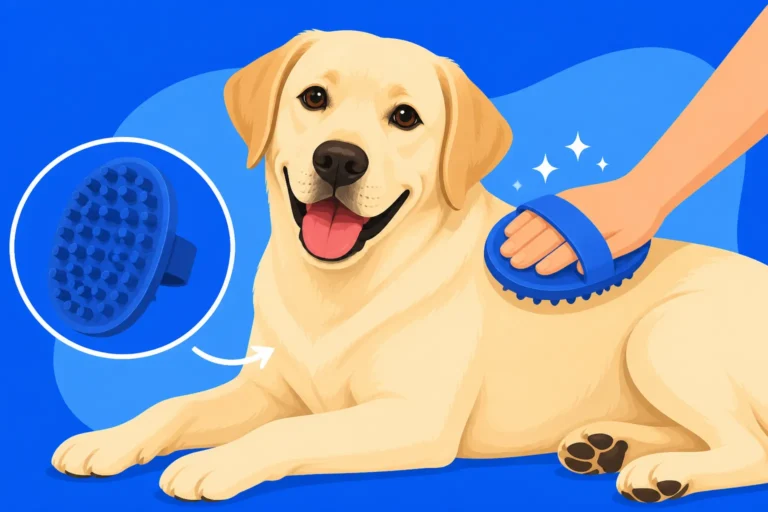
- Rubber Curry Brush (or grooming mitt): These are fantastic for massaging the skin, removing loose fur, and can even be used during baths to help work in shampoo and rinse thoroughly. The soft rubber is gentle on the skin and helps collect shedding hair.
You can find all these essential tools readily available from pet supply retailers like Chewy or Amazon. Consistent use of these tools, perhaps every other day, especially during periods of higher shedding, will keep your Labrador looking and feeling their best. For more specific advice on handling shedding, consider reading Labrador Shedding and How to Manage It.
Paw Protection and Skin Conditioners
Beyond brushes, a few targeted products can make a big difference in protecting your Labrador's paws and maintaining skin health during the harsh winter months.
- Paw Balm or Wax: These products are a game-changer for protecting sensitive paw pads. Applied before walks, they create a breathable barrier against snow, ice, road salt, and harsh chemicals. They also help to moisturize and prevent cracking. Look for formulas with natural ingredients like beeswax or lanolin.
- Dog-Specific Moisturizing Sprays or Leave-In Conditioners: If your Labrador experiences dry, flaky skin, these products can offer much-needed relief. They can be sprayed onto the coat and massaged into the skin between baths, helping to rehydrate without stripping natural oils. Choose unscented or lightly scented options to avoid irritation.
These protective and moisturizing products are an investment in your Labrador's comfort and health. By making them a part of your daily or weekly routine, you can prevent common winter ailments that affect their skin and paws. Remember to always use products specifically formulated for dogs, as human products can contain ingredients harmful to our canine companions. For comprehensive care, also consult Labrador Ear, Paw and Nail Care.
Towels and Drying Aids
No matter how water-repellent your Labrador's coat is, they will still come in wet from snow play. Having the right drying equipment is non-negotiable for winter.
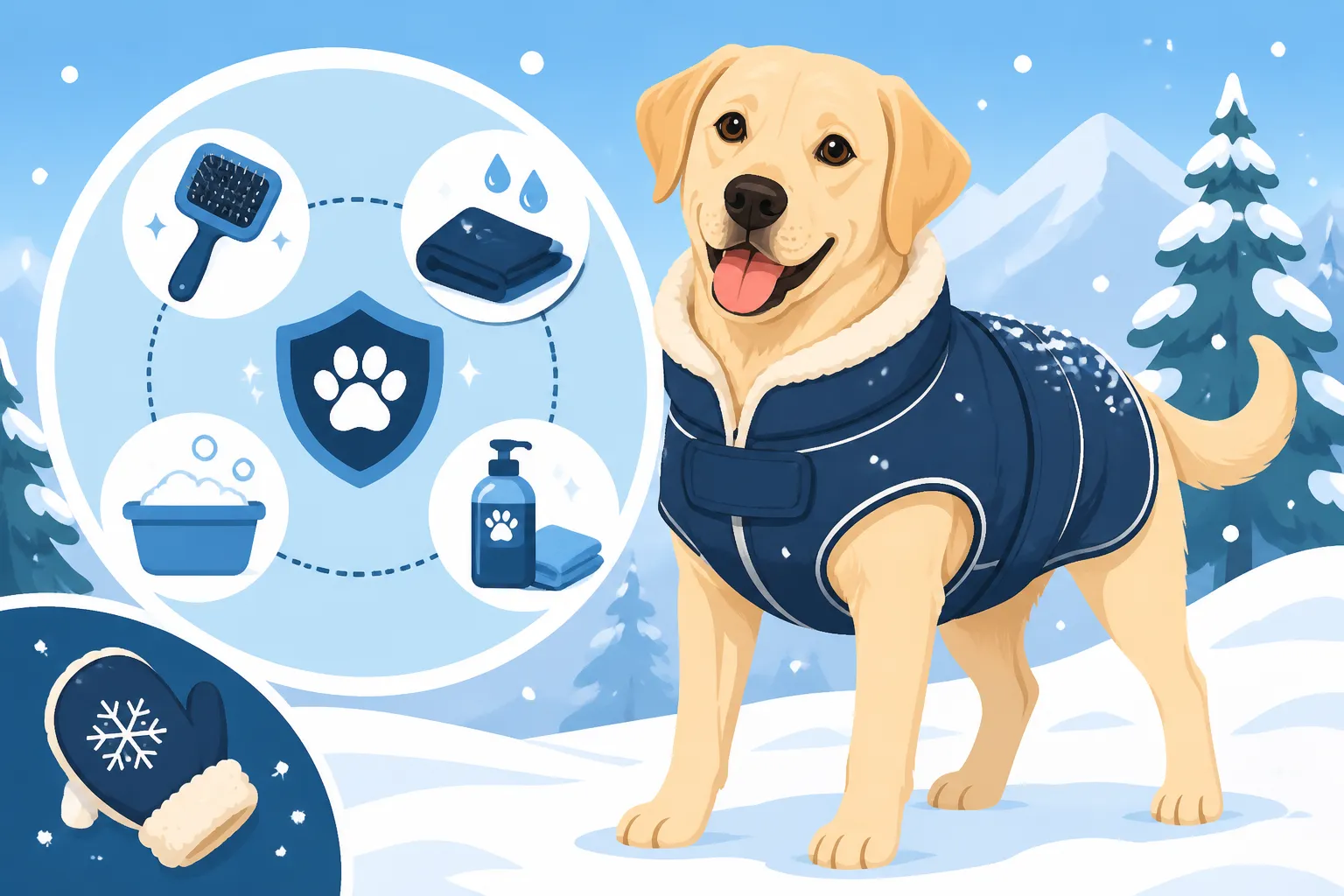
- Highly Absorbent Towels: Microfiber towels designed for pets are far more effective at soaking up water than standard cotton towels. Keep a stack by the door for immediate post-outdoor drying. You'll be amazed at how much moisture they can wick away.
- Chamois or Drying Coats: A synthetic chamois can quickly pull moisture from the coat, and a dedicated dog drying coat can continue to absorb dampness while your Labrador settles inside, preventing them from chilling.
- Dog-Specific Force Dryer/Blower: For those who live in extremely cold climates or whose Labradors spend a lot of time outside in the snow, a low-heat, high-velocity dog dryer can be a fantastic investment. These dryers push water off the coat rather than just blowing hot air, dramatically cutting down drying time and ensuring the dense undercoat is completely dry. Be sure to use the lowest heat setting to avoid overheating your dog's skin.
Equipping yourself with these items ensures that you can effectively dry your Labrador, reducing the risk of skin infections, unpleasant "wet dog" smells, and chilling after their snowy adventures. Knowing What Makes a Labrador Coat Repel Water will help you understand why proper drying is so important for maintaining this natural defense.
| Care Aspect | Winter Importance | Recommended Tools/Products | Frequency |
|---|---|---|---|
| Brushing | Prevents mats, removes loose undercoat, distributes oils | Undercoat rake, slicker brush, rubber curry brush | Daily to several times a week |
| Bathing | Cleans when necessary, avoids stripping oils | Moisturizing dog shampoo, absorbent towels, dog blow dryer | Infrequently, only when needed |
| Paw Protection | Shields from ice, salt, chemicals, moisturizes | Paw balm/wax, dog booties, lukewarm water for rinsing | Before/after every outdoor excursion |
| Skin Hydration | Combats dry, flaky skin | Hydrating sprays, leave-in conditioners, fish oil supplements | As needed, daily for supplements |
| Post-Outdoor Drying | Prevents chilling, removes snow/ice clumps | High-absorbency towels, chamois, dedicated dog drying coat | Immediately after every snowy outing |
Disclaimer
This article is for general informational purposes only and does not constitute professional advice. Laws, prices and regulations vary by location and change over time. Consult a qualified professional for guidance on your specific situation.