Whether Labradors Handle Cold Well
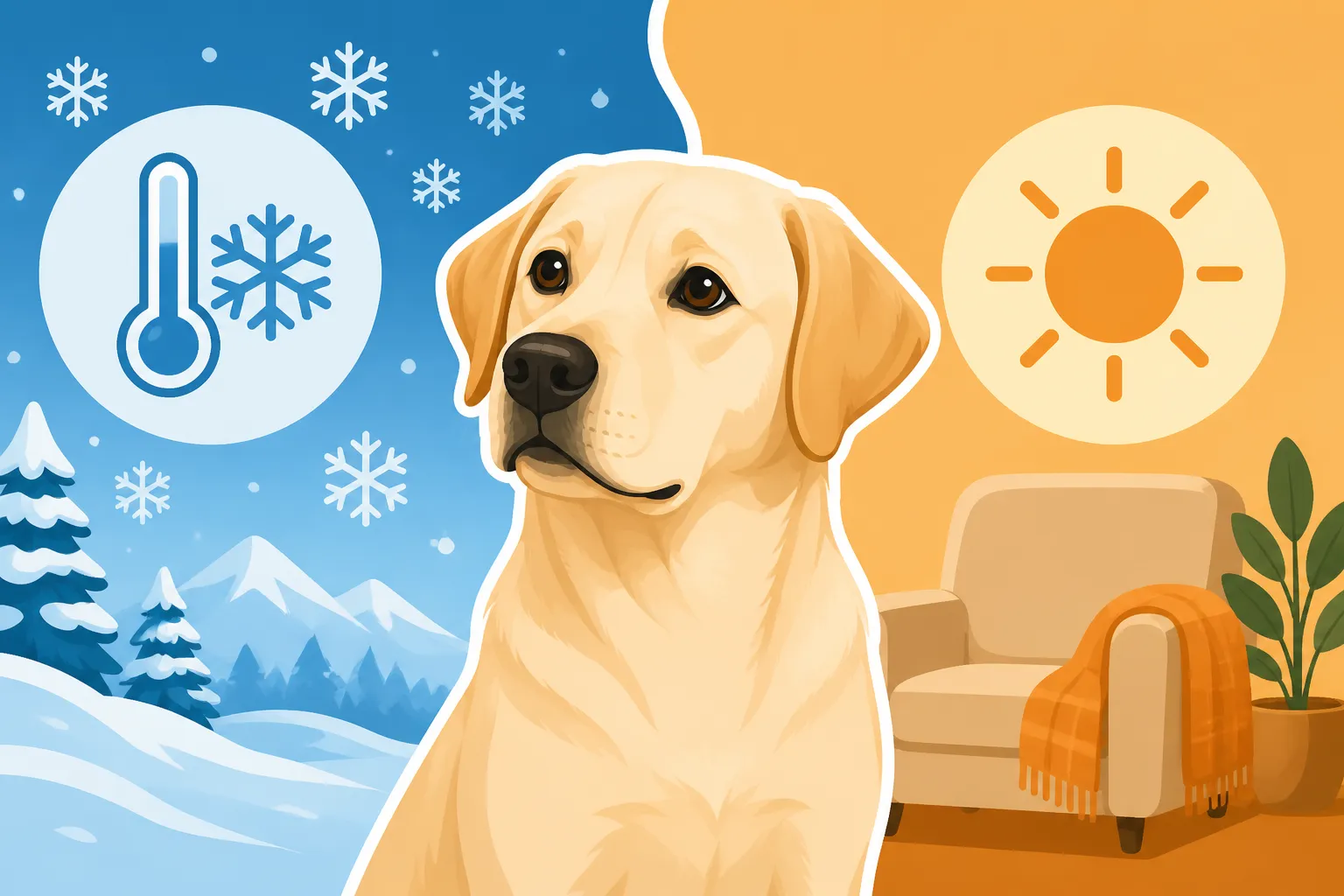
It's a common thought for us Labrador owners, isn't it? We see our Labs bounding through snow, diving into icy ponds, or happily shivering on a chilly morning, and we just assume they're built for it. While it's true that Labradors are hardy dogs with some impressive natural defenses against the cold, it's a huge misconception that they're immune to winter's dangers. This guide will help you understand your Labrador's true cold tolerance, recognize the signs they might be struggling, and equip you with the knowledge to keep them safe and comfortable, even when the temperatures plummet.
The Labrador's Natural Cold Weather Advantage
Labrador Retrievers earned their reputation as tough, cold-weather companions for a good reason. Their origins as working dogs in the harsh, icy waters of Newfoundland gifted them with several unique physical characteristics that help them withstand chilly environments. However, these adaptations have their limits, and understanding them is the first step to responsible winter care.
The Power of the Double Coat
One of the most defining features of a Labrador's cold tolerance is their magnificent double coat. This isn't just one layer of fur; it's a carefully engineered system designed by nature to provide insulation and water resistance. The outer layer consists of coarse, straight guard hairs that repel water and snow, much like a natural raincoat. Beneath this protective shield lies a dense, soft undercoat. This undercoat is packed with fine, fluffy hairs that trap air, creating an insulating layer against the skin.
Think about standing out in a cold, windy rain shower. If you have a thin jacket, you'll feel every bit of it. But if you have a thick, insulated, waterproof coat, you're much more comfortable. That's essentially what your Labrador's coat does for them. It prevents cold air from reaching their skin and helps them retain their body heat, even when they're wet. This is particularly noticeable after a dip in cold water; the water tends to bead off the outer coat, and the undercoat often stays surprisingly dry, allowing them to dry faster and avoid becoming chilled to the bone.
Built-in Insulation and Webbed Paws
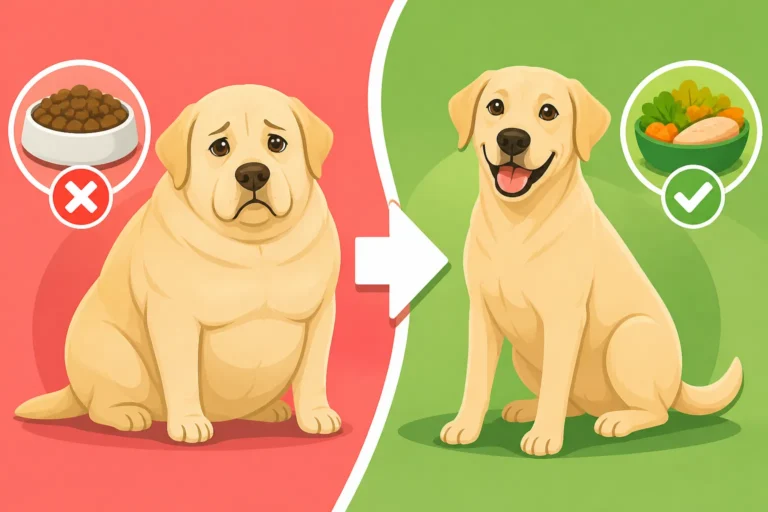
Beyond their coat, Labradors typically carry a healthy layer of body fat, especially if they're well-fed and robust. This subcutaneous fat acts as another natural insulator, providing an extra buffer against the cold. It's not just about warmth; this fat also provides an energy reserve, which can be crucial in colder temperatures where bodies burn more calories to stay warm. This is why keeping your Labrador at a healthy weight is important for their overall well-being, including their ability to handle varying temperatures. Labrador Obesity and the Years It Costs dives deeper into the importance of weight management.
Furthermore, their iconic webbed feet are not just for swimming. The thick pads on a Labrador's paws, combined with the webbing between their toes, offer a degree of protection against cold surfaces. These pads are tougher and less sensitive than human skin, allowing them to walk on snow and ice for longer periods than some other breeds. The webbing can also help prevent ice and snow from balling up between their toes as easily as it might in a dog with less dense inter-digital fur, although it certainly doesn't prevent it entirely.
The Role of Blood Circulation
Labradors, like many cold-adapted animals, have efficient circulatory systems that help regulate their body temperature. When exposed to cold, their bodies can constrict blood vessels near the surface of the skin and in their extremities (like their paws and ears) to reduce heat loss. This keeps warmer blood flowing to their core organs. This physiological response is effective up to a point, but it's not foolproof.
This is a critical survival mechanism, but it also means that their extremities are the first places to show signs of cold stress. If you feel your Labrador's ears or paws and they are unusually cold to the touch, it's a good indicator that their body is working hard to conserve heat and might be struggling to keep those areas warm. It's a fine line between a normal physiological response and the beginnings of hypothermia or frostbite.
When "Cold Well" Isn't Enough: Recognizing the Limits
While Labradors are undeniably hardy, attributing them with infinite cold tolerance is a dangerous myth. They are susceptible to cold-related injuries and illnesses just like any other dog, especially when environmental factors or individual health conditions are at play. Ignoring their limits can lead to serious health consequences.
How Cold Is Too Cold?
There's no single magic number for "too cold" because it depends on various factors: the specific Labrador's age, health, coat condition, activity level, and whether it's wet or windy. A young, healthy, active Labrador might handle a crisp 20°F (-6°C) walk just fine, especially if they're moving and staying dry. However, that same temperature could be dangerous if it's windy, rainy, or if the dog is sedentary. Generally, temperatures below 32°F (0°C) require vigilance, and anything below 20°F (-6°C) can be hazardous for most Labradors, particularly with prolonged exposure.
Wind chill is a huge factor many owners forget. What feels like 25°F on a calm day can feel like 0°F with a strong wind, and that dramatically increases the risk of frostbite and hypothermia. Similarly, if your Labrador gets wet in cold weather, their natural coat advantage is severely compromised. A wet coat loses much of its insulating properties, making them chill much faster. Always factor in the "feels like" temperature and whether your Lab is getting drenched when assessing risk.
Signs Your Labrador Is Struggling
Labradors are often stoic, which can make it hard to tell when they're uncomfortable or in pain. They might not whine or visibly shiver until they're already quite cold. It's vital to watch for subtle cues. Shivering, of course, is a clear sign, but it can sometimes be difficult to spot under a thick coat. Look for a hunched posture, tail tucked, or reluctance to move. If they are lifting paws off the ground, limping, or licking their paws excessively, it's a strong indication that the ground is too cold for their unprotected pads.
Other signs include whining, barking more than usual, anxiety, or trying to seek shelter. Their ears and paws might feel unusually cold to the touch, indicating restricted blood flow. If they seem disoriented, lethargic, or their breathing is shallow, it could be a sign of hypothermia, which is a medical emergency. Never assume your Labrador is "just being dramatic"; always investigate these signs and take action. Reading Pain in a Stoic Labrador offers more insights into deciphering your dog's subtle discomforts.
Vulnerable Labradors: Puppies, Seniors, and the Sick
Not all Labradors are created equal when it comes to cold tolerance. Puppies, with their less developed circulatory systems and thinner coats, are much more susceptible to cold than adult dogs. Their small body mass means they lose heat quickly. A young Labrador puppy should not be left outside for long periods in cold weather, even if it seems mild. They need frequent potty breaks, but these should be brief and supervised.
Senior Labradors, like humans, often have compromised immune systems, thinner coats, and underlying health conditions such as Labrador Arthritis in Middle Age or heart disease. Arthritis can be excruciating in cold, damp weather, making them less willing to move and thus more prone to chilling. Medications can also affect their ability to regulate body temperature. Similarly, Labradors recovering from illness or surgery, or those with endocrine disorders, may have a reduced capacity to withstand cold. Always consult your vet about specific cold weather precautions for a vulnerable Labrador.
Practical Strategies for Winter Labrador Care
Keeping your Labrador safe and happy through the colder months doesn't require a complete lifestyle overhaul, but it does mean being more mindful and making a few adjustments. Proactive measures can prevent discomfort and stave off serious health issues.
Modifying Outdoor Activities and Exercise
While Labradors definitely need their exercise, cold weather calls for some modifications. Instead of one long, leisurely walk, consider several shorter, more vigorous play sessions or walks to keep them warm and prevent prolonged exposure. A game of fetch in a snowy park can be great fun, but ensure they don't get too chilled while standing still between throws. If your Labrador loves to swim, remember that Cold Water Safety for a Labrador is paramount. Icy water can drop their body temperature dangerously fast, and prolonged swimming in very cold conditions should be avoided.
When temperatures are genuinely biting, prioritize indoor enrichment. Puzzle toys, training sessions, or even hide-and-seek can burn mental and physical energy without the risks of extreme cold. If outdoor time is limited, a focused twenty-minute training session indoors can be just as tiring as a long walk, especially for a smart breed like a Labrador. Keep an eye on your dog's energy levels; if they're flagging earlier than usual, it's a sign they might be getting too cold and need to head inside.
Paw Protection and Skin Care
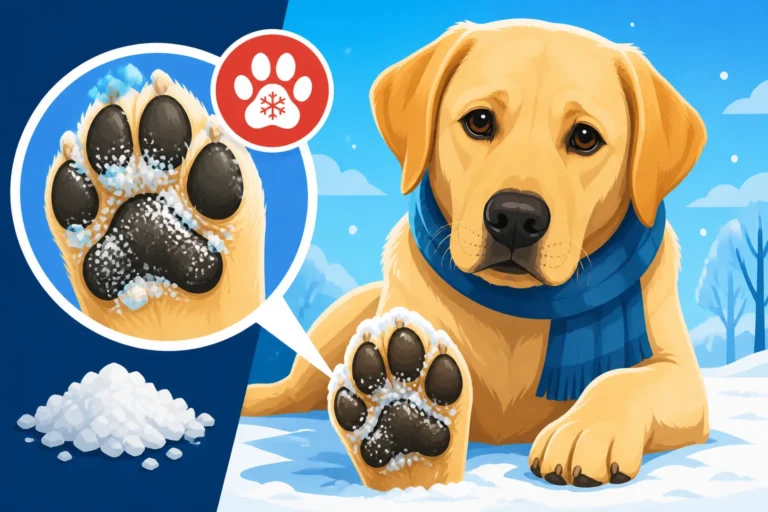
Your Labrador's paws are their boots, but they aren't invincible. Ice, snow, and especially road salt can be incredibly harsh on their paw pads, leading to dryness, cracking, and even chemical burns. After every outdoor excursion, make it a habit to wipe down your Labrador's paws thoroughly. This removes snow, ice, and any potentially irritating chemicals. Ice and Salt on a Labrador's Paws goes into more detail about these specific dangers.
Consider investing in paw balm or wax to create a protective barrier. Apply it before going out to help prevent cracking and irritation. You can find excellent options on sites like Chewy or Amazon. For extreme conditions or if your Labrador is particularly sensitive, dog boots can be a lifesaver. While it might take some patience to get your Lab used to wearing them, they offer superior protection against harsh elements. Make sure to size them correctly for comfort and effectiveness.
Diet, Hydration, and Shelter
Your Labrador's dietary needs might shift slightly in winter, especially if they are more active in the cold or burning more calories to stay warm. Consult your vet, but generally, a slight increase in calorie intake might be appropriate for highly active dogs. For less active dogs, maintaining their usual portions or even a slight reduction might be necessary to avoid winter weight gain, which is a common issue for Labradors. Ensuring your Labrador is receiving a balanced, nutrient-rich diet, perhaps even a fresh food option like Ollie, can contribute to overall health and a strong immune system, which is vital for facing colder temperatures.
Hydration is just as important in winter as in summer. Dogs can still get dehydrated, especially if they're eating snow, which isn't a substitute for clean water. Ensure they always have access to fresh water indoors, and if you're out and about, bring a portable water bowl. When it comes to shelter, if your Labrador spends any time outdoors, they must have a warm, dry, and draft-free shelter. This means more than just a doghouse; it needs insulation, elevated bedding, and a flap over the entrance to keep out wind and snow. Never leave a Labrador outside for extended periods in freezing temperatures, even with a shelter.
Mitigating Hidden Dangers of Winter for Labradors
Beyond just the cold, winter brings several specific hazards that Labrador owners need to be acutely aware of. These aren't always obvious but can pose significant threats to your dog's health and safety.
Hypothermia and Frostbite
These are the two most critical cold-related dangers. Hypothermia occurs when a dog's body loses heat faster than it can produce it, causing its core body temperature to drop to dangerous levels. Signs include uncontrollable shivering, lethargy, weakness, shallow breathing, and a stiff gait. If you suspect hypothermia, immediately get your Labrador into a warm, dry place, wrap them in blankets, and contact your vet. You can also apply warm (not hot) towels to their chest and abdomen.
Frostbite, on the other hand, is tissue damage caused by freezing. It most commonly affects extremities like ears, tail, and paws. The signs might not be immediately apparent; affected areas can look pale, waxy, or grayish and feel cold and hard. As the tissue thaws, it can become red, swollen, and painful, sometimes blistering. Seek veterinary attention immediately if you suspect frostbite. Preventing these conditions involves limiting exposure to extreme cold, ensuring adequate shelter, and protecting vulnerable body parts.
Ice, Antifreeze, and Other Toxins
Winter walks often mean encountering ice. Slipping on ice can lead to serious injuries like sprains, fractures, or even Cruciate Ligament Tears in Labradors, which are notoriously painful and expensive to treat. Be extremely cautious walking your Labrador on icy surfaces. Stay on well-gritted paths or opt for grassy areas where traction is better.
Another insidious winter danger is antifreeze. Its sweet taste unfortunately makes it attractive to dogs, but even a small amount can be deadly. Antifreeze poisoning causes kidney failure and often has no visible signs until it's too late. Be vigilant for any spills in driveways, garages, or parking lots. If you see any, keep your Labrador away from it and clean it up yourself if safe to do so. Other winter toxins include de-icing salts, which can irritate paws and be toxic if ingested, and rodenticides that people often use more aggressively indoors during colder months. Always assume any unknown substance your dog is investigating could be harmful.
Grooming for Winter Health
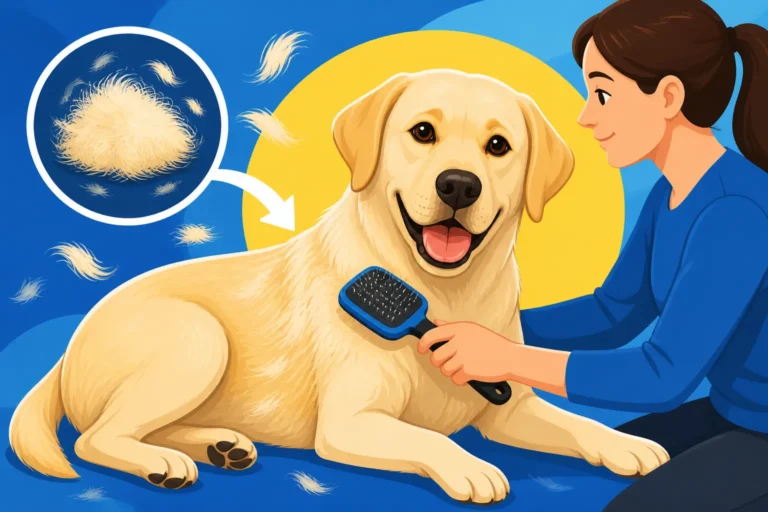
You might think a Labrador's short coat needs less attention in winter, but proper grooming is still key. While you should never shave a Labrador (their double coat is essential for temperature regulation), regular brushing helps to remove loose undercoat hairs, preventing matting and allowing the insulating layer to work more effectively. This also stimulates blood flow to the skin, promoting a healthy coat. Winter Coat Care for a Labrador in Snow offers further tips on this.
Pay particular attention to their paws. Long hair between paw pads can collect ice balls and road salt, causing discomfort and potential injury. Trimming this hair flush with the pads can help. If your Labrador is prone to dry, itchy skin in winter (which can happen with the drier indoor air), consider adding a fish oil supplement to their diet (after consulting your vet) or using a moisturizing shampoo during baths, which should still be infrequent to avoid stripping natural oils. You can find excellent grooming tools and paw care products on Amazon or Chewy to help with these tasks.
| Temperature Range | Labrador Behavior/Signs to Watch For | Recommended Action |
|---|---|---|
| Above 45°F (7°C) | Generally comfortable | Normal outdoor activity levels, supervise for enjoyment. |
| 32-45°F (0-7°C) | Might shiver if wet/still | Shorter, more active walks. Monitor for discomfort, especially in older or thin dogs. Consider paw protection. |
| 20-32°F (-6 to 0°C) | Shivering, reluctant to walk/play | Brief, supervised outings for potty breaks. Keep moving. Paw protection is crucial. Avoid prolonged exposure. |
| Below 20°F (-6°C) | Huddled posture, lifting paws, lethargy | Limit time outdoors to essential potty breaks. Apply paw balm/boots. Watch for hypothermia/frostbite signs. No strenuous activity. |
| Below 0°F (-18°C) | Extreme risk, immediate concern | Avoid outdoor time unless absolutely necessary and for very brief periods. Risk of frostbite/hypothermia is very high. |
Disclaimer
This article is for general informational purposes only and does not constitute professional advice. Laws, prices and regulations vary by location and change over time. Consult a qualified professional for guidance on your specific situation.