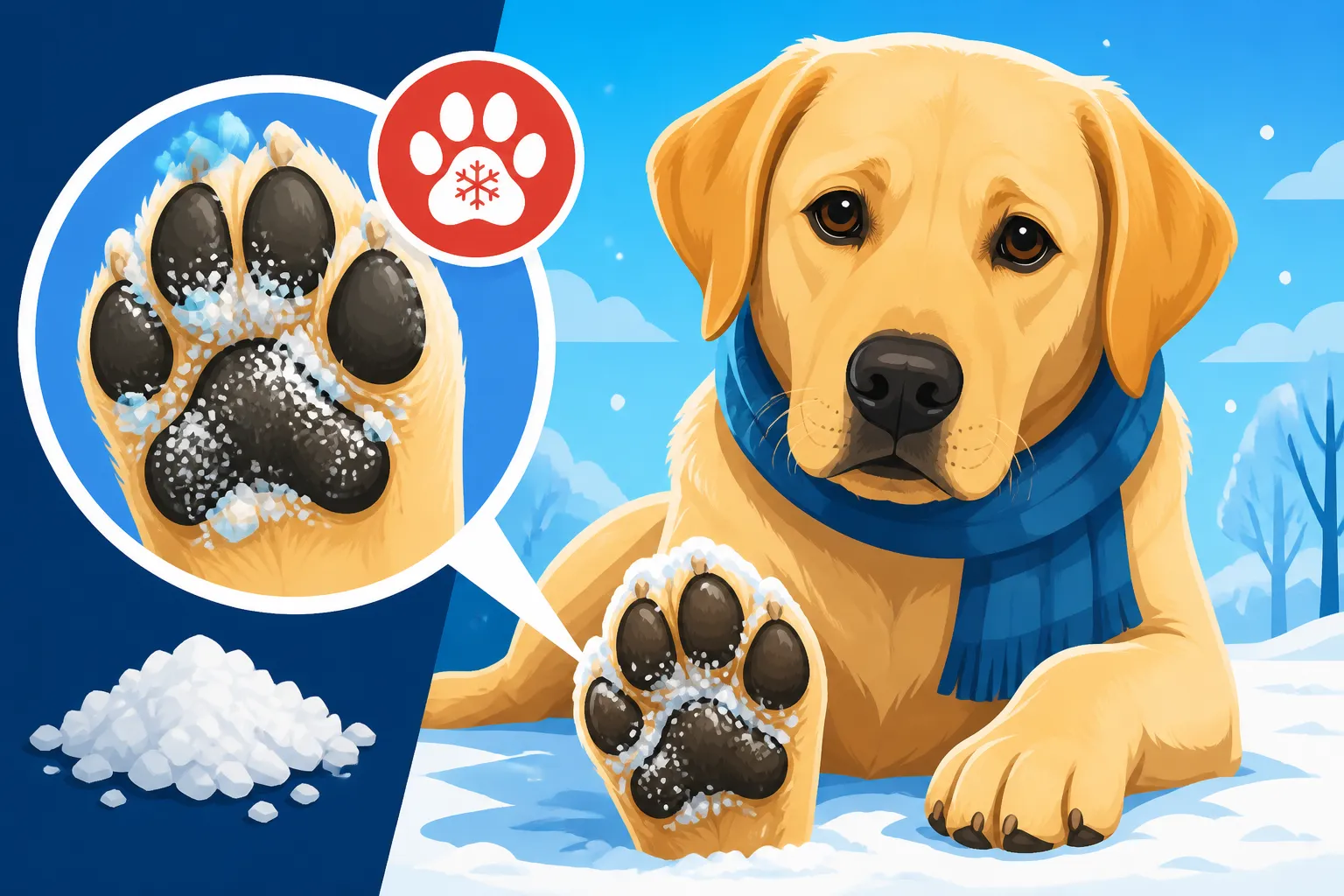
Ice and Salt on a Labrador’s Paws
The winter wonderland might look beautiful, but for us Labrador owners, those icy sidewalks and salt-strewn paths can be a real headache, not to mention a serious hazard for our beloved pups. It’s heartbreaking to see your happy-go-lucky Lab suddenly limp or start obsessively licking their paws after a walk, all because of the harsh elements. This guide is here to walk you through understanding these winter paw dangers and, most importantly, how to protect your Labrador's precious paws so those snowy adventures can remain joyful and pain-free.
The Harsh Reality of Winter Paws for Labradors
There's nothing quite like watching your Labrador bound through fresh snow, nose to the ground, tail wagging like a metronome gone wild. But beneath that picturesque scene lies a potential minefield of paw problems. Our Labs are resilient, but their paws, for all their toughness, aren't immune to the biting cold, sharp ice, and corrosive chemicals of winter.
Why Winter Conditions are Tough on Labrador Paws
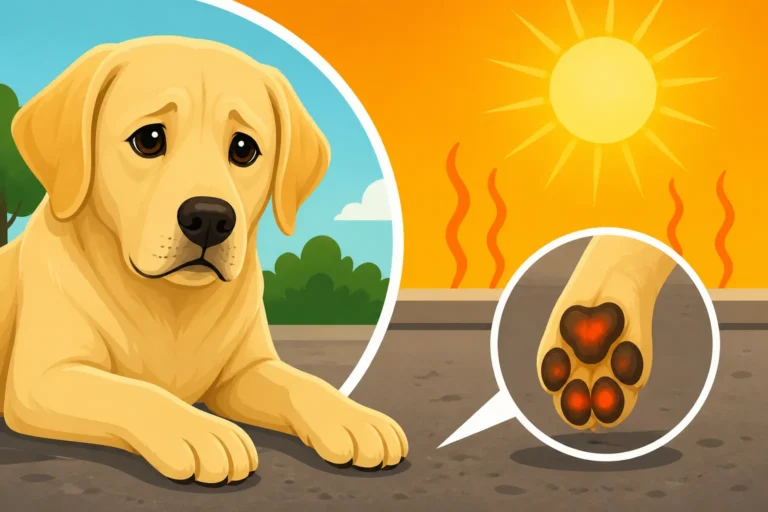
While a Labrador's paw pads are remarkably durable, designed to withstand various terrains, they have their limits, especially against prolonged exposure to extreme cold and rough surfaces. Think about walking barefoot on freezing pavement yourself – it’s not pleasant! For our Labs, the primary culprits are the ice and the packed snow. Ice isn't just cold; it can be incredibly sharp, especially when it's broken into jagged pieces or has rough edges. A misstep on such a surface can easily lead to small cuts, scrapes, or even deeper wounds on their pads. These tiny injuries, often barely visible, can become incredibly painful and can even be an entry point for infection.
Then there's the snow itself. While a fluffy blanket seems harmless, it tends to pack tightly between their toes and paw pads. As your Labrador walks and their body heat warms the snow, it melts slightly, then refreezes into hard, painful ice balls. These can act like tiny, sharp stones constantly pressing into their sensitive interdigital spaces, making every step agony. It's a common and frustrating issue for Labs, who love to plunge headfirst into snowdrifts. Their dense double coat, while excellent for insulation, also tends to collect snow and ice, further contributing to the problem around their paws and lower legs. You might notice them lifting their paws, shaking them, or slowing down significantly during a walk, which are clear signs of discomfort. For comprehensive advice on general cold weather care, you might find our guide on Hot and Cold Weather Care for Labradors helpful.
Understanding De-Icing Salts and Chemicals
Beyond the natural elements, we have to contend with human interventions: de-icing salts and chemicals. These are commonly spread on sidewalks, roads, and driveways to prevent slipping, and while they serve a necessary purpose for us, they are incredibly harsh on dog paws. Most de-icing products contain various salts like sodium chloride (table salt), calcium chloride, or magnesium chloride. These chemicals are highly corrosive and dehydrating.
When your Labrador walks on these treated surfaces, the salts immediately start to dry out their paw pads. This leads to chapping, cracking, and irritation. If your Lab already has small cracks or dry patches (which are common in winter), these chemicals can cause a severe burning sensation, akin to pouring salt into a wound. Imagine how that must feel! The problem doesn't stop there. Labs, being Labs, are prone to licking their paws, especially if they are irritated. When they lick off the de-icing chemicals, they can ingest them. This can lead to digestive upset, vomiting, diarrhea, and in more severe cases with prolonged exposure or larger quantities, it could be toxic. It's a serious concern that often goes unnoticed until the symptoms appear. Knowing the importance of Labrador Ear, Paw and Nail Care generally can help prevent some of these initial irritations from escalating.
Essential Protection Strategies for Winter Walks
Protecting your Labrador's paws in winter isn't about eliminating walks – our Labs thrive on daily exercise, regardless of the weather! It's about being prepared and proactive. A little effort before and after each outing can make a world of difference in keeping their paws healthy and happy.
The Best Defense: Paw Balm and Wax
One of the simplest yet most effective ways to protect your Labrador's paw pads from the elements is by using a good quality paw balm or wax. These products create a protective, breathable barrier that shields their sensitive pads from direct contact with ice, snow, and de-icing chemicals. Think of it as a moisturizing, invisible bootie.
Paw waxes, often made with beeswax, lanolin, or other natural oils, are designed to repel moisture and form a physical barrier. They also help to keep the pads supple and prevent them from drying out and cracking, which is a common issue when exposed to cold, dry air and chemical irritants. Before every winter walk, take a moment to thoroughly massage a generous amount of wax or balm into your Labrador's paw pads and, crucially, between their toes. Don't forget those often-overlooked spaces where snow and salt can accumulate and cause irritation. Consistency is truly key here; a quick application can prevent hours of discomfort later. You can find excellent paw balms and waxes at your local pet store, or through online retailers like Amazon and Chewy. Look for formulations that are pet-safe, as your Lab is likely to lick some of it off.
The Bootie Debate: Are They Worth It for Labradors?
Ah, the great bootie debate! For some Labrador owners, dog booties are a godsend, offering the ultimate protection. For others, they're a hilarious (or frustrating) battle of wills, as their Lab attempts to shed them within seconds. Booties provide a physical barrier that completely isolates your dog's paws from snow, ice, and chemicals. This is especially beneficial in areas with heavy snowfall or aggressive salt use. They can also prevent those annoying ice balls from forming between your Lab's toes, which can make long walks much more comfortable.
However, getting a Labrador to wear booties can be a challenge. Many dogs find them strange and uncomfortable at first, leading to comical high-stepping, attempts to chew them off, or a complete refusal to move. If you choose to go the bootie route, invest in a pair that is durable, has good traction (so your Lab doesn't slip on ice), and fits securely but not too tightly around their pasterns. Cheap, ill-fitting booties are often a waste of money and a source of frustration. Introduce them gradually, with lots of positive reinforcement and treats. Start with short periods indoors, then progress to quick trips outside. Brands on Chewy offer a wide selection, so you can compare styles and features. While they might require some patience, the protection they offer can be invaluable, particularly for longer excursions or for Caring for a Senior Labrador whose paws might be more sensitive.
Post-Walk Paw Care and Cleaning
No matter what protection you use, immediate post-walk paw care is absolutely non-negotiable in winter. Even with paw wax or booties, some amount of snow, ice, and salt will inevitably get onto your Labrador's paws and lower legs. The moment you step back inside, make it a routine to clean their paws thoroughly.
The best method is a warm water rinse. Keep a towel and a shallow basin or a dedicated foot bath near your entry door. Gently rinse each paw, paying special attention to the spaces between their toes, where hidden ice balls or irritating salt crystals love to hide. Make sure to remove all traces of salt, grit, and ice. After rinsing, pat their paws completely dry with a soft towel. Drying is crucial because lingering moisture can lead to chapping, cracking, and even skin infections. If you notice any redness or irritation, a soothing, pet-safe balm can be applied post-cleaning. This diligent routine prevents your Lab from licking off harmful chemicals and soothes any immediate irritation. You might even consider having a small A First Aid Kit for a Labrador Retriever handy for any minor nicks or scrapes you might find during this process.
Recognizing and Treating Paw Injuries
Even with the best preventative measures, winter can be unpredictable, and sometimes, despite our best efforts, our Labradors might still encounter paw issues. It's incredibly important to be vigilant and know what signs to look for, especially with Labs who are notorious for their stoic nature when it comes to pain.
Signs of Paw Irritation and Injury from Ice and Salt
Labradors, bless their hearts, are often incredibly good at hiding discomfort. They'll try to push through pain to keep up with the fun, which can make it tricky to spot an issue until it's become quite pronounced. However, there are several key indicators that your Labrador's paws might be suffering from the effects of ice and salt:
- Limping or Favoring a Paw: This is one of the most obvious signs. If your Lab is suddenly hesitant to put weight on a paw, or is holding it up frequently, it's a clear signal something is wrong.
- Excessive Licking or Chewing: If you notice your Labrador constantly licking, chewing, or even gnawing at their paws, especially after coming in from outside, it often means they are experiencing irritation, pain, or an uncomfortable sensation like burning or itching from salt residue.
- Visible Redness, Swelling, or Cracks: Upon inspection, you might see that their paw pads look redder than usual, swollen, or even have visible cracks. These cracks can be shallow or deep and are often quite painful.
- Cuts or Abrasions: Sharp ice or rough terrain can cause nicks, cuts, or abrasions on the pads or between the toes. These are not always immediately obvious and may be hidden by fur or dirt.
- Reluctance to Walk or Play: A sudden decrease in enthusiasm for walks or playtime, particularly outdoors, can be a subtle sign of paw pain.
- Changes in Paw Texture: Dry, brittle, or rough paw pads can indicate dehydration and damage from de-icing chemicals.
It’s crucial to remember that a Labrador's pain threshold can be high, so by the time you see clear signs, they might have been uncomfortable for a while. Our article Reading Pain in a Stoic Labrador offers more insights into understanding subtle distress signals.
First Aid for Minor Paw Problems
If you suspect or confirm a minor paw injury, immediate first aid can prevent it from worsening and bring your Labrador relief.
- Clean Thoroughly: The first step is always to thoroughly clean the affected paw. Use warm water and a mild, pet-safe antiseptic solution (like diluted chlorhexidine or iodine, available at most pharmacies or pet stores). If there's a visible cut, gently flush it to remove any dirt or debris.
- Inspect Closely: After cleaning, examine the paw carefully under good light. Check for any embedded objects like tiny shards of ice, thorns, or grit. Look for swelling, deep cuts, or signs of infection (pus, strong odor, excessive warmth).
- Apply Soothing Treatment: For dry, cracked pads or minor irritations, apply a thick layer of a pet-safe paw balm or a healing ointment. Some ointments contain ingredients like calendula or aloe vera, which can be very soothing. For small cuts, a thin layer of a veterinarian-approved antibiotic ointment can be beneficial to prevent infection.
- Protect the Paw: If there's an open wound, or if your Lab won't stop licking, you might need to cover the paw with a light, breathable bandage. Ensure the bandage isn't too tight, which could cut off circulation. Change it daily and allow the paw to air out when your Lab is supervised. A clean sock secured with medical tape can work in a pinch.
- Monitor: Keep a close eye on the paw. If the limping continues, the swelling worsens, or you see signs of infection, it's time for a vet visit. Don't hesitate to seek professional help for anything more than a superficial scrape or mild dryness.
Long-Term Paw Health and Prevention
Beyond immediate winter care, maintaining good paw health year-round is vital. Strong, healthy paws are less susceptible to injury and can recover more quickly.
- Regular Paw Inspections: Make it a habit to check your Labrador's paws regularly, not just in winter. This helps you become familiar with what their healthy paws look like and feel like, making it easier to spot issues early. Look for cuts, scrapes, redness, and any foreign objects.
- Nail and Hair Trimming: Keeping your Labrador's nails trimmed to an appropriate length is essential for paw health and comfort. Overly long nails can splay their toes, change their gait, and put unnecessary strain on their joints. Equally important is trimming the hair between their paw pads. Excess hair can collect debris, trap moisture, and make it easier for ice balls to form in winter. Our article Trimming a Labrador's Paw Hair offers detailed guidance on this specific task.
- Proper Nutrition and Hydration: A balanced diet rich in essential fatty acids (like Omega-3s) can contribute to healthy skin and paw pads. Ensure your Labrador is well-hydrated, as internal hydration reflects in skin and paw health. Some high-quality food options, like those from Ollie, focus on balanced nutrition that supports overall well-being, including skin and coat health.
- Appropriate Exercise Surfaces: While Labradors love to explore, try to vary their walking surfaces. Constant pounding on hard pavement can be tough on their pads. Incorporate walks on softer ground like grass or dirt trails when conditions allow. Remember, even during winter, your Lab still needs their Exercise a Labrador Needs Each Day, so finding safe ways to provide it is paramount.
By being proactive, observant, and consistent with paw care, you can help your Labrador navigate the challenges of winter with happy, healthy paws, ready for every snowy adventure that comes their way.
| Protection Method | Pros | Cons | Best For |
|---|---|---|---|
| Paw Balm/Wax | Easy to apply, natural feel, good barrier | Needs frequent reapplication, less protection than booties | Light snow, mild salt, short walks |
| Dog Booties | Maximum protection from ice, snow, and chemicals | Can be rejected by dogs, fitting issues, costly | Heavy snow, harsh chemicals, long walks |
| Immediate Rinsing | Removes irritants, prevents ingestion | Requires consistent effort, no protection during walk | Essential for all winter walks, complements other methods |
| Regular Grooming | Prevents debris/ice buildup, promotes health | Requires consistent maintenance | Year-round paw health, winter readiness |
Disclaimer
This article is for general informational purposes only and does not constitute professional advice. Laws, prices and regulations vary by location and change over time. Consult a qualified professional for guidance on your specific situation.