Which European Breeds Fed Into the Labrador
It's easy to look at our beloved Labrador Retrievers today and assume their lineage is a simple, straight line, perhaps from a specific region or a single distinct breed. But the truth, like many historical accounts, is a little more winding, a beautiful tapestry woven from the journeys of fishermen, the demands of the sea, and the keen eye of dedicated breeders. If you've ever wondered about the foundational European breeds that gave us the Labrador we adore, you're not alone. It's a question that delves deep into maritime history and early canine development, far beyond the shores of what we now call Labrador. This guide will take you on a journey to uncover those fascinating roots, tracing the heritage back to its European origins.
The Indispensable St. John's Water Dog
To truly understand the Labrador's origins, we must first recognize the pivotal role of the St. John's Water Dog. This isn't just one breed among many; it is, without a doubt, the direct and primary ancestor of the modern Labrador Retriever. These hardy, intelligent dogs weren't initially a formally recognized breed but rather a type of working dog developed through necessity on the rugged coast of Newfoundland. They were the ultimate canine partners for the local fishermen, enduring harsh conditions and performing tasks that were crucial for survival and livelihood.
Imagine the scene: icy waters, treacherous coastlines, and fishermen relying on their dogs not just for companionship, but for their very lives. These dogs were integral to retrieving fishing lines, nets, and even fish that had escaped the hooks in the freezing North Atlantic. They were selected for their incredible swimming ability, their dense, water-repellent coats, and their strong yet gentle "soft mouth" which allowed them to retrieve delicate items without damage. This demanding environment forged a dog of unparalleled resilience and aptitude for water work, traits that would become the hallmark of the Labrador.
From Newfoundland Harbors to English Shores
The story of how these remarkable dogs made their way to Europe is intrinsically linked to the bustling transatlantic fishing trade between Newfoundland and the bustling ports of England, particularly Poole in Dorset. British ships would sail to Newfoundland for cod, and upon their return, these unique working dogs often accompanied them. They weren't brought over as fancy pets or show dogs, but as invaluable working animals, highly prized for their capabilities. It was during these voyages, and upon their arrival in England, that their reputation truly began to spread among those who appreciated a superior retriever.
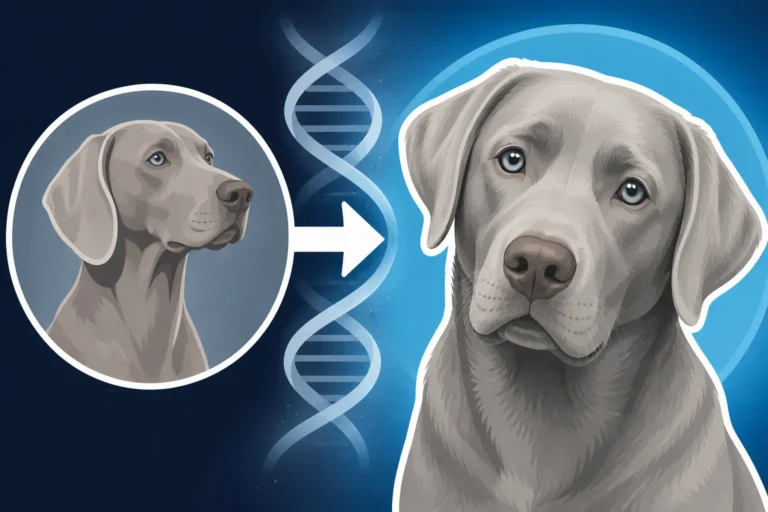
The St. John's Water Dog wasn't a static entity; it was itself a product of generations of various European working dogs brought to Newfoundland by Basque, Portuguese, Irish, and English fishermen starting in the 16th century. These foundational European dogs—various types of water dogs, herding dogs, and mastiff-type dogs suited to the rigors of seafaring life—interbred and adapted to the specific needs of the Newfoundland fishing communities. So, while the St. John's Water Dog is the immediate ancestor, it embodies a genetic melting pot of earlier European contributions. These dogs carried the genetic legacy of those earlier European breeds that had proven their worth on the high seas and in coastal communities. The St. John's Water Dog Behind the Labrador dives deeper into the specifics of this incredible foundation breed.
Traits that Made the St. John's Water Dog Ideal
What truly set the St. John's Water Dog apart, and what breeders in England immediately recognized, were its intrinsic working qualities. They possessed an almost uncanny ability to retrieve from water, a short, thick, double coat that was virtually waterproof, and webbed feet that made them powerful swimmers. Their temperament was another key factor: eager to please, intelligent, and incredibly resilient. They were also known for their loyalty and good nature, making them not just superb working partners but also cherished companions.
These dogs were naturally inclined to carry things, whether it was a fish net or a fallen bird. They had a gentle grip, crucial for not damaging the catch or game, a trait famously known as the "soft mouth." This was not something that had to be heavily trained; it was an inherent part of their makeup, honed over generations of retrieving delicate items for fishermen. Without these specific, well-established traits, the Labrador as we know it today would not exist.
Early British Breeding and European Influences
Once the St. John's Water Dogs arrived on British shores, their journey from working canine to formalized breed began. It wasn't an overnight transformation but a deliberate process led by a few influential individuals who recognized their immense potential, particularly for game retrieval in the emerging sporting estates of England.
The Role of the British Aristocracy
The true refinement and establishment of the Labrador Retriever as a distinct breed owes a great deal to the British aristocracy. Noblemen like the 2nd Earl of Malmesbury and later, his nephew, the 3rd Earl of Malmesbury, alongside the 5th Duke of Buccleuch and Lord Home, were among the earliest and most dedicated enthusiasts. They imported St. John's Water Dogs directly from Newfoundland and began carefully breeding them, selecting for the traits most desirable for retrieving game in the field—loyalty, trainability, excellent scenting ability, and a superb retrieving instinct.
These breeders were not looking for specific European fancy breeds to cross directly with their St. John's dogs. Instead, their focus was on enhancing and standardizing the existing qualities within the St. John's Water Dog lines. They sought to produce dogs that were consistent in their appearance, temperament, and working ability. Records show a dedicated effort to maintain the purity of these imported lines while selectively breeding the best examples to create what they eventually named the "Labrador Retriever." Their dedication was paramount in shaping the breed. You can learn more about these key figures in articles like The Earl of Malmesbury and Early Labradors and The Duke of Buccleuch's Labrador Kennel.
Suspected European Contributions and Refinement
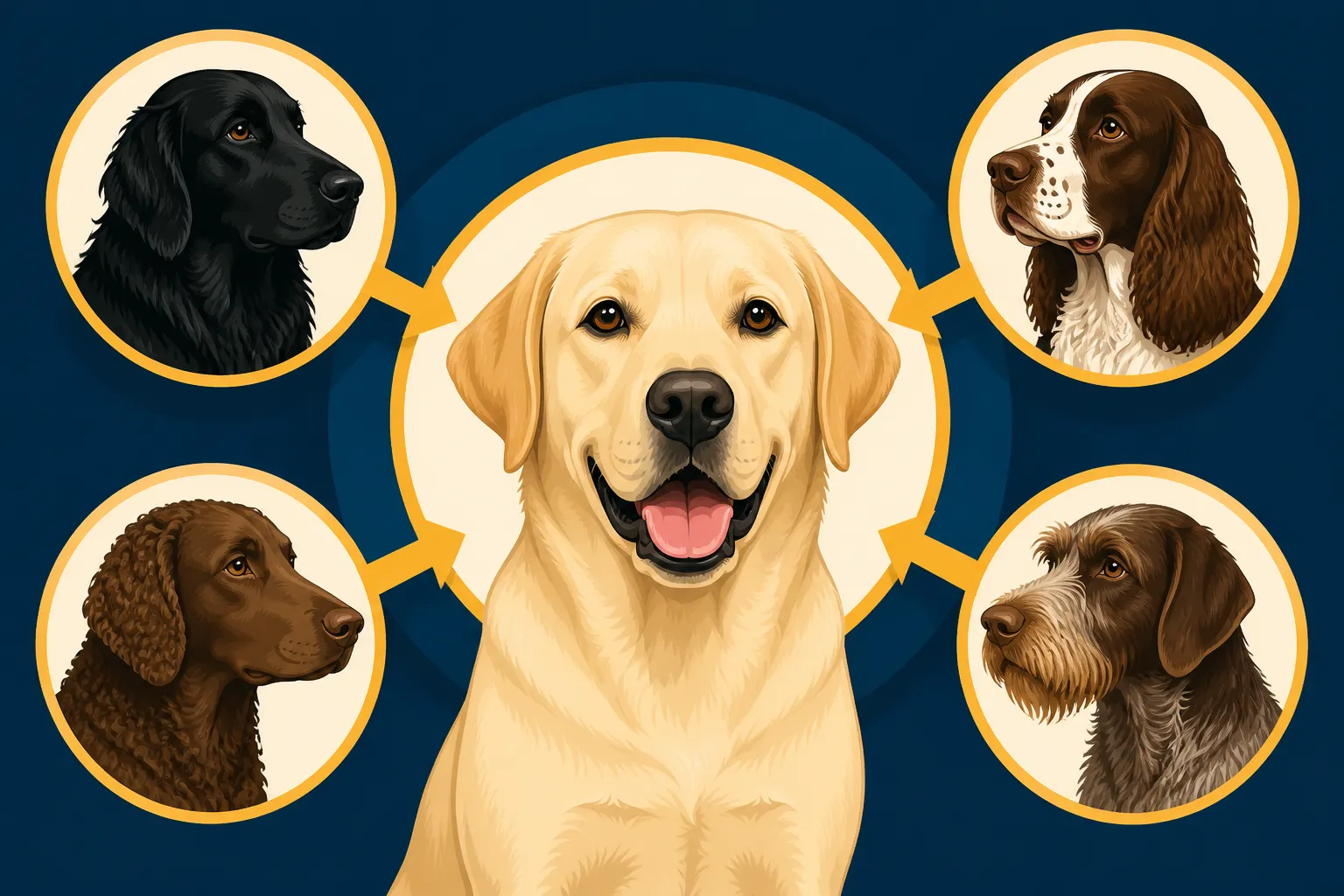
While the St. John's Water Dog is unequivocally the primary ancestor, it's fair to say that the "European breeds" that fed into the Labrador did so largely by creating the St. John's Water Dog itself. As mentioned, the St. John's dog was a composite of various working dogs brought by European fishermen. These could have included various types of water spaniels from Portugal, Ireland, and England, as well as general-purpose working dogs from across the continent. These were not specific, formalized breeds as we think of them today, but rather types of dogs.
Once in Britain, the direct, documented cross-breeding with other specific European breeds to create the Labrador is not widely supported by historical records. The emphasis was on isolating and refining the St. John's Water Dog traits. However, it's plausible that some limited, undocumented outcrossing might have occurred with local British retrieving types or even pointer types in the very early days to solidify certain characteristics, though this is largely speculative and would have been minor compared to the St. John's foundation. These influences would have been from existing British sporting dogs, themselves often of European origin over centuries. The goal was consistency, not radical change through broad outcrossing.
Here’s a table to illustrate the lineage:
| Phase of Development | Primary Canine Influence | Key Traits Contributed | Geographical Origin |
|---|---|---|---|
| Foundation (16th-18th Century) | Various European Working Dogs (Water dogs, herding dogs, mastiffs) | Hardiness, swimming ability, basic retrieving, loyalty | Portugal, Ireland, England, Basque Country (Europe) |
| Development (19th Century) | St. John's Water Dog (descendant of above) | Dense water-repellent coat, webbed feet, "soft mouth," eagerness, intelligence, stamina | Newfoundland (Canada), developed from European stock |
| Refinement (19th Century) | Selective Breeding of St. John's Water Dogs by British Nobility | Standardization of breed type, enhanced retrieving drive, gentle temperament | England (Europe) |
Even today, when we look for high-quality food or durable training gear for our Labradors, perhaps from a trusted retailer like Chewy, we're supporting a lineage of dogs bred for their incredible work ethic and physical capabilities.
The Evolution of the Retriever Type
The journey from a rugged fishing dog to the cherished family pet and versatile working dog we know today involved a deliberate evolution, focusing on enhancing its natural retrieving abilities and solidifying its iconic temperament.
Refining the "Soft Mouth" and Water Aptitude
One of the most defining characteristics of the Labrador Retriever is its "soft mouth." This means the dog can carry game, even something as delicate as a raw egg, without causing damage. This trait was paramount for the Newfoundland fishermen, who needed their dogs to bring back fish or nets intact, and later for British gundog enthusiasts, who relied on their dogs to retrieve shot game without bruising or tearing. Breeders focused intently on selecting dogs that exhibited this natural gentleness in their bite, ensuring it became a consistent feature of the breed. It was not merely about being able to retrieve, but how they retrieved. What a Soft Mouth Meant on a Fishing Boat delves into the historical significance of this unique trait.
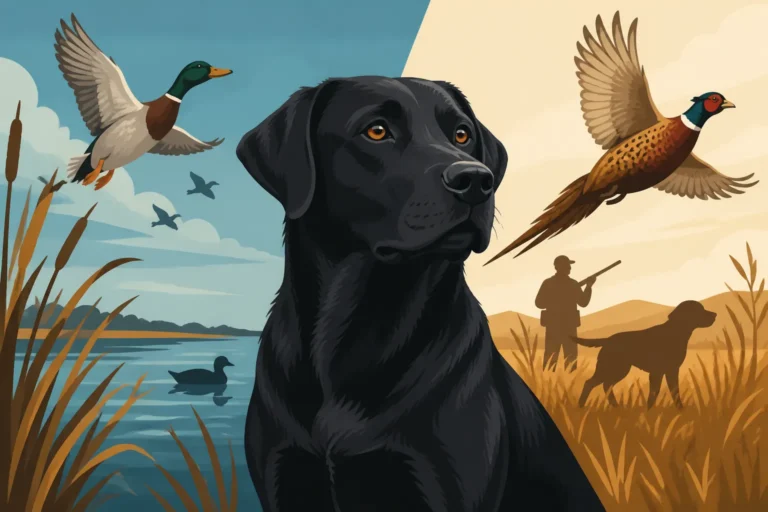
Coupled with the soft mouth was an undeniable affinity for water. The St. John's Water Dog's dense, oily double coat, its powerful otter-like tail, and its webbed feet were all perfectly designed for cold water retrieval. British breeders maintained and even enhanced these aquatic capabilities, recognizing their value not just for fishing, but for retrieving waterfowl from lakes and rivers. This dedication to water aptitude means that even today, most Labradors possess an almost instinctual love for swimming and retrieving from water. When you see your Labrador dive enthusiastically into a pond, you're witnessing generations of selective breeding for this specific purpose.
The Formalization of the Breed
By the late 19th and early 20th centuries, the efforts of these dedicated British breeders began to bear fruit. The dogs had a consistent type, temperament, and working ability. This led to their formal recognition as a distinct breed. The Kennel Club in England first recognized the Labrador Retriever in 1903, a significant milestone that cemented its status. This formal recognition marked the transition from a "type" of working dog to a defined "breed" with a specific standard.
The establishment of a breed standard meant that breeders now had a blueprint to follow, ensuring that future generations would continue to exhibit the desired characteristics. This formalization was crucial for the breed's continued development and eventual global popularity. From those initial imports, and through careful, intentional breeding, the Labrador Retriever emerged as a true testament to selective breeding based on function and temperament. You can explore this period further in When the Labrador Breed Was Formalized.
The Legacy: A European Heritage
The journey of the Labrador Retriever from the shores of Newfoundland, shaped by the hardy European working dogs that preceded it, to its formal recognition in England, is a testament to its enduring qualities. This rich European heritage is evident in every aspect of the modern Labrador, from its unwavering desire to retrieve to its friendly, biddable nature.
Distinguishing the Labrador's Unique Lineage
It’s important to reiterate that while many breeds contributed to the genetic soup of the dogs originally brought to Newfoundland, the direct, documented lineage of the Labrador Retriever points overwhelmingly to the St. John's Water Dog. Any subsequent European 'feeding in' was either speculative outcrossing with other British retrieving types or, more accurately, the refinement of the existing St. John's stock within England itself. This unique path makes the Labrador distinct from other retriever breeds, each with their own equally fascinating, though different, histories.
When you look at your Labrador, you're seeing a dog whose ancestors survived brutal conditions, worked tirelessly alongside humans, and were refined by passionate individuals. This isn't a mix of many modern European breeds, but rather a carefully cultivated line stemming from one incredibly resilient and adaptable canine type.
Modern Implications of Ancestry
This ancestry has profound implications for the Labrador we share our lives with today. Their intelligence, eagerness to please, and high energy levels are direct echoes of their working past. Their dense, water-resistant coat and love for swimming are legacies of their Newfoundland days. Their gentle mouth and retrieving drive mean they often enjoy carrying things around the house, sometimes to our amusement and sometimes to our gentle frustration when it's our favorite slipper! Labrador Temperament and What to Expect explores these traits in more detail.
Understanding this history helps us appreciate why Labradors are so prone to certain behaviors and why they thrive when given a job to do, even if that job is just playing fetch with a durable toy found on Chewy's website. Their heritage is a blueprint for their needs and their boundless capacity for companionship. They are, in every sense, a truly European success story, born of practicality and refined by dedication, leading to one of the most beloved dog breeds in the world.
Disclaimer
This article is for general informational purposes only and does not constitute professional advice. Laws, prices and regulations vary by location and change over time. Consult a qualified professional for guidance on your specific situation.