The Duke of Buccleuch’s Labrador Kennel
It’s easy to look at our beloved Labradors today and see the epitome of a family dog, but their journey from working companions on Newfoundland fishing boats to the cherished pets in our homes is a fascinating tale deeply rooted in the efforts of dedicated individuals. Understanding the foundational role played by kennels like the Duke of Buccleuch's helps us appreciate the remarkable history and inherent traits of the Labrador Retriever we know and adore. This guide delves into the origins and enduring legacy of the Duke of Buccleuch's Labrador kennel, showcasing how their commitment was pivotal in shaping this incredible breed.
The St. John's Water Dog: A Forerunner to the Labrador
Before the Labrador Retriever became a distinct breed, its ancestors were known as St. John's Water Dogs, hardy and intelligent companions to fishermen in Newfoundland. These dogs were not only exceptional swimmers but also possessed an innate drive to retrieve, often plunging into icy waters to haul in fishing lines, nets, or even fish that had escaped the catch. Their short, dense, waterproof coats and webbed feet made them perfectly adapted to the harsh maritime environment, a heritage still evident in our Labs today.
Life on the Fishing Boats of Newfoundland
Imagine the scene: rugged fishermen battling the elements off the coast of Newfoundland, relying heavily on their canine partners. These dogs weren't just pets; they were essential crew members. They would work tirelessly, often retrieving ropes and fish from the freezing Atlantic, their thick, oily coats providing insulation against the cold. Their calm demeanor and incredible work ethic, combined with their strong bond to their human handlers, made them indispensable. It was this remarkable combination of traits that caught the eye of visitors from Britain, particularly those with a keen interest in gundogs and waterfowling.
The St. John's Water Dog was robust, medium-sized, and known for its biddable nature. They possessed a "soft mouth," meaning they could carry game or equipment gently without damaging it – a trait highly prized by those who would later refine the breed. Their unwavering loyalty and eagerness to please were just as important as their physical prowess, making them ideal candidates for introduction into the sporting estates of England and Scotland. The St. John's Water Dog Behind the Labrador explains more about these fascinating dogs.
How Early Labs Crossed the Atlantic
In the early 19th century, British noblemen and sportsmen, often visiting Newfoundland for trade or sport, began to recognize the exceptional qualities of these St. John's Water Dogs. They saw in them the potential for superior retrieving dogs, far better suited to retrieving waterfowl than many of the breeds then popular in Britain. It wasn't long before some of these dogs made the arduous journey across the Atlantic, typically arriving in ports like Poole in Dorset, England. How Labradors Reached Poole in Dorset sheds more light on this initial migration.
These imported dogs were highly valued. They were often referred to by various names, such as "Lesser Newfoundland" dogs or simply "Labrador dogs" – a geographical misnomer, as they originated from Newfoundland, not the Labrador peninsula. However, the name "Labrador" stuck, a testament to the region's association with these sturdy, water-loving canines. Their introduction to British estates marked a critical turning point, laying the groundwork for the formal development of the breed we recognize today.
The Malmesbury-Buccleuch Connection: A Lifeline for the Breed
The survival and refinement of the Labrador Retriever as a distinct breed owes an immense debt to the foresight and dedication of a few influential families in 19th-century Britain. Among them, the Earls of Malmesbury and the Dukes of Buccleuch stand out as the most pivotal, recognizing the unique qualities of the St. John's Water Dog and working to preserve and develop them.
The Fifth Duke of Buccleuch's Early Imports
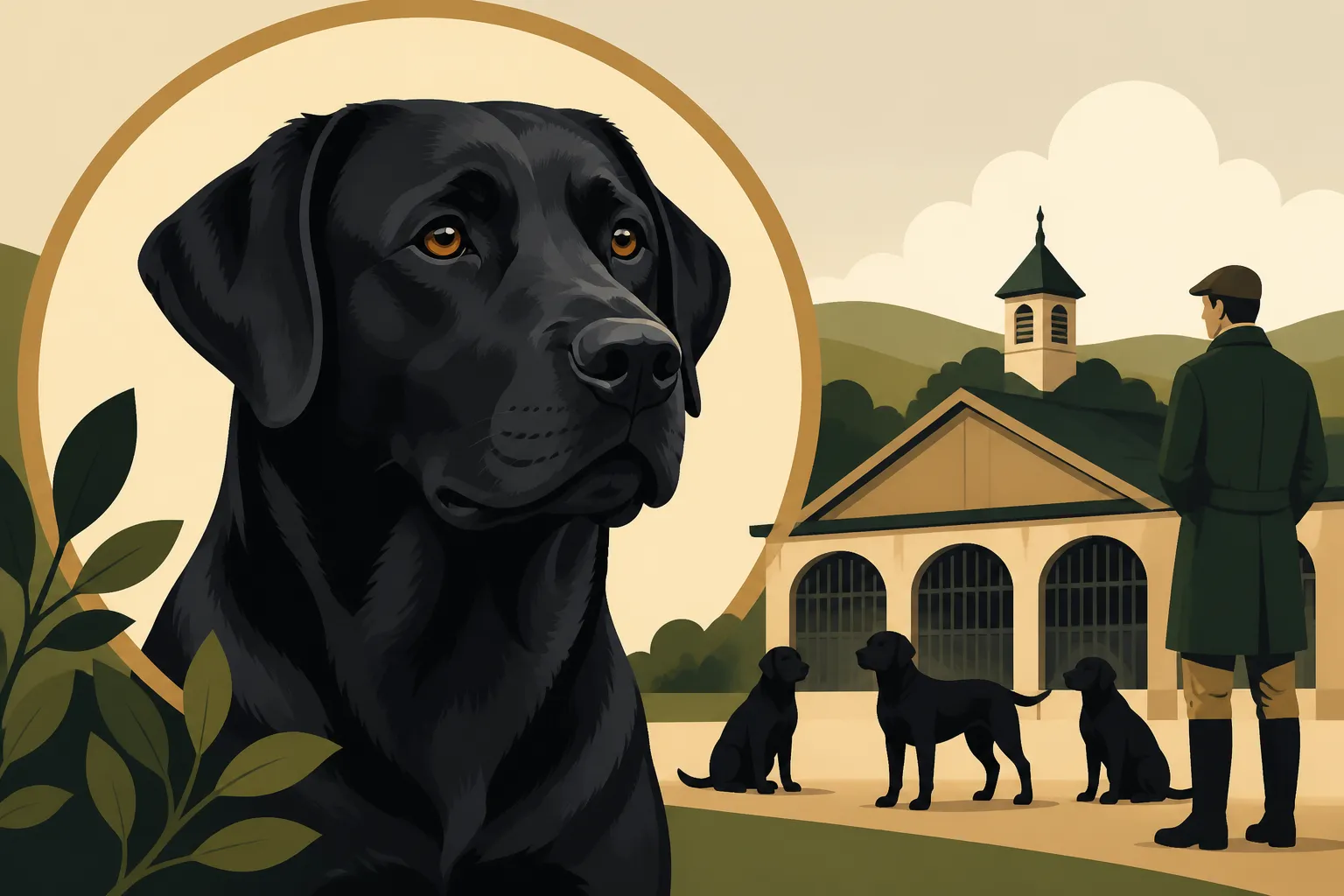
Walter Francis Montagu Douglas Scott, the 5th Duke of Buccleuch, was a passionate sportsman and dog enthusiast who, along with his friend the 10th Earl of Home, imported some of the earliest St. John's Water Dogs directly from Newfoundland. These dogs arrived at the Buccleuch estates in Scotland around the 1830s, bringing with them the invaluable genetic foundation that would define the breed. The Duke was particularly impressed by their hardiness, their superior retrieving abilities, and their calm, intelligent disposition, which made them ideal for the demanding work of retrieving game on his vast estates.
These early imports were bred at the Buccleuch kennels, carefully selected for their working ability and temperament. The Duke and his kennel masters understood the importance of maintaining the integrity of these traits, ensuring that each generation continued to embody the practical characteristics that made the dogs so effective. This period was crucial because, as dog breeds became more formalized, the St. John's Water Dog population back in Newfoundland began to dwindle due to taxes and import restrictions. Without the efforts of these British nobles, the breed might well have vanished.
A Crucial Alliance: Buccleuch and Malmesbury
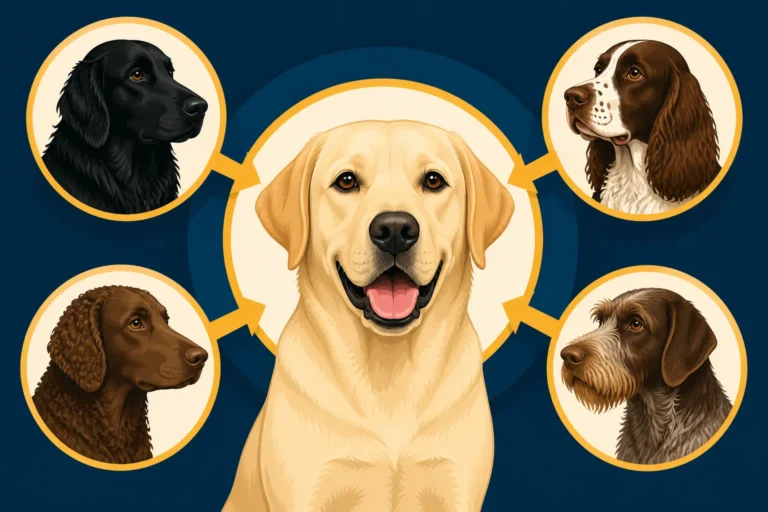
While the Dukes of Buccleuch were fostering their lines in Scotland, the Earls of Malmesbury were doing similar work in England. The 2nd Earl of Malmesbury was also an ardent admirer of the St. John's Water Dog, having imported his own dogs directly. It was through a fortuitous connection between the 3rd Earl of Malmesbury and the 6th Duke of Buccleuch that the distinct lines of these two pioneering kennels were brought together, forming the bedrock of the modern Labrador Retriever. The Earl of Malmesbury and Early Labradors provides more historical context on this critical alliance.
The 6th Duke of Buccleuch, William Henry Walter Montagu Douglas Scott, and the 3rd Earl of Malmesbury, James Howard Harris, recognized the dangers of a shrinking gene pool and the potential for losing the breed's essential qualities. They wisely decided to exchange dogs between their kennels. This exchange introduced new bloodlines, reinforcing the desired characteristics and ensuring genetic diversity. It was a pivotal moment, safeguarding the future of the Labrador and preventing inbreeding that could have weakened the emerging breed. This collaboration cemented the breed's future, ensuring that the best traits of both lines were propagated.
Defining Traits of the Early Buccleuch Labradors
The dogs bred at the Duke of Buccleuch's kennels were not merely preserved; they were meticulously developed to excel as gundogs. Their characteristics were a direct reflection of their St. John's Water Dog ancestry, honed for demanding retrieving work in diverse terrains and weather conditions.
The Ideal Gundog Physique and Temperament
The Buccleuch Labradors were celebrated for their robust, athletic build. They were not overly large but possessed incredible strength and stamina, necessary for long days in the field. Their short, dense, and water-resistant double coats were a hallmark, providing protection against cold water and harsh brush. This coat, combined with their distinct "otter tail" – thick at the base and tapering to a point, acting as a rudder in the water – made them peerless water retrievers. These physical attributes, coupled with their webbed feet, made them perfectly suited for retrieving game from lakes, rivers, and icy streams. The Labrador Otter Tail Explained details this unique feature.
Beyond their physical prowess, their temperament was equally vital. These dogs were intelligent, biddable, and possessed an extraordinary eagerness to please. They were known for their calm demeanor, even amidst the excitement of a hunt, and their "soft mouth" ensured that retrieved game was brought back unharmed. This combination of physical capability and gentle temperament formed the core of what we still admire in Labradors today. Owners often find these traits continue in modern Labs, who are renowned for their eagerness to learn and their joyful, outgoing personalities.
Unwavering Work Ethic and Trainability
One of the most defining characteristics of the Buccleuch Labradors was their incredible work ethic. They were tireless in the field, displaying an unwavering determination to retrieve. This strong working drive was coupled with exceptional trainability, making them highly responsive to commands and quick to learn new tasks. They possessed an inherent intelligence that allowed them to understand complex instructions and adapt to various hunting scenarios. Labrador Temperament and Personality goes into more detail about these foundational traits.
The Duke and his kennel masters understood that a great gundog needed more than just instinct; it needed meticulous training and a dog that was eager to partner with its handler. The Buccleuch Labradors were bred for this partnership, for their ability to focus and obey even when surrounded by distractions. This legacy of trainability is why Labradors continue to excel in so many working roles, from guide dogs to detection dogs, and why they remain one of the most popular breeds for competitive obedience and field trials. Providing mental stimulation for a modern Labrador, much like these working dogs received, is essential for their well-being, and you can find a vast array of puzzle toys and training aids at retailers like Chewy to help with this.
Key Dogs and Their Lasting Legacy
The development of any breed is often traced through influential individual dogs, and the Labrador is no exception. The Buccleuch kennel was home to several such dogs whose impact reverberated through generations, establishing the breed's standard and disseminating its prized characteristics.
Buccleuch Avon and Ned: Foundation Sires
Among the most important dogs to emerge from the Buccleuch kennel were Buccleuch Avon and Buccleuch Ned. These two dogs, born in 1885, are widely considered to be pivotal foundation sires for the modern Labrador Retriever. They were among the dogs exchanged with the Malmesbury kennel, and their progeny went on to shape the breed's future significantly. Their pedigrees represented the culmination of years of careful breeding and selection, embodying all the desired traits: an excellent retrieving instinct, superb physique, and a stable, intelligent temperament.
Buccleuch Avon, in particular, sired many influential offspring, carrying forward the strong working lineage that the Duke championed. His descendants were highly sought after by other breeders who recognized the quality of the Buccleuch line. These dogs weren't just exceptional individuals; they were genetic powerhouses that helped solidify the Labrador type, ensuring that key traits like the distinctive head, powerful body, and keen intelligence were passed down. When the Labrador Breed Was Formalized explores how these individuals contributed to the breed's official recognition.
Disseminating the Buccleuch Lineage
The influence of the Buccleuch kennel extended far beyond their own estates. By exchanging dogs with other prominent breeders, such as the Earl of Malmesbury, and selling offspring to others, they helped to spread their superior bloodlines throughout Britain. Breeders eager to improve their own stock sought out dogs with Buccleuch ancestry, recognizing their proven working ability and conformation. This strategic dissemination ensured that the genetic blueprint established by the Dukes of Buccleuch became a cornerstone of the breed's development.
This period also saw the rise of breed clubs and formal registration processes, further solidifying the characteristics deemed essential for the Labrador. The traits nurtured at Buccleuch became the benchmark against which other Labradors were measured, cementing their legacy in the emerging breed standard. This wide distribution of their line helped create a consistent type of Labrador, ensuring that the breed's core identity was preserved and strengthened as it gained popularity.
The Buccleuch Kennel's Enduring Influence on the Modern Labrador
The legacy of the Duke of Buccleuch's Labrador kennel is not merely a historical footnote; it is woven into the very fabric of every Labrador Retriever alive today. Their pioneering work in preserving and refining the breed continues to shape the characteristics, temperament, and health of our beloved companions.
Setting the Breed Standard and Type
The selective breeding practices at Buccleuch, focused on working ability, health, and temperament, were instrumental in establishing the early breed standard for Labradors. The characteristics they prioritized – the dense, water-resistant coat, the "otter tail," the sturdy build, the biddable nature, and the soft mouth – became the defining features that breeders aimed to replicate. When the Kennel Club in England officially recognized the Labrador Retriever as a distinct breed in 1903, the physical and temperamental blueprint largely reflected the dogs developed by the Buccleuch and Malmesbury kennels.
Even today, descriptions of the ideal Labrador often hark back to these foundational traits. Whether you have a show-line Labrador or a field-line, the underlying structure and fundamental temperament have roots in these early kennels. The ideal Labrador Head, Muzzle and Expression we see today, with its kind and intelligent look, can be traced back to the consistent breeding for specific qualities. This commitment to a clear vision of what a Labrador should be ensured the breed's long-term success and consistency.
A Legacy of Health and Working Ability
The focus on functional working ability at the Buccleuch kennel inherently meant a focus on health and soundness. Dogs that couldn't work efficiently or succumbed easily to illness would not have been selected for breeding. This emphasis on robust health, alongside retrieving drive, laid a strong foundation for the breed's overall well-being. Modern breeders continue this tradition, using health clearances and genetic testing to maintain the breed's vitality, ensuring that current Labradors retain the inherent resilience of their ancestors.
The Buccleuch legacy serves as a constant reminder that the Labrador is, at its heart, a working dog. While many Labs today are cherished family pets, their love for retrieving, swimming, and engaging in mentally stimulating activities are direct echoes of their heritage. What Labradors Were Bred to Do reminds us of their original purpose. Even if your Labrador isn't out retrieving ducks, a good session of fetch in the park, or a swim in a safe lake, connects them directly to the activities that made their ancestors famous. Equipment for these activities, from high-quality retrieving dummies to buoyant toys, are easily found on sites like Chewy.
| Key Kennel | Founding Dates (Approx.) | Key Figures | Contributions to Labrador Breed |
|---|---|---|---|
| Buccleuch Kennel | Early 1830s | 5th & 6th Dukes of Buccleuch | Imported St. John's Water Dogs directly, established strong working lines, exchanged dogs with Malmesbury, laid foundation for breed standard. |
| Malmesbury Kennel | Early 1830s | 2nd & 3rd Earls of Malmesbury | Imported St. John's Water Dogs, bred for gundog work, exchanged dogs with Buccleuch, ensured genetic diversity. |
Inspiring Future Generations of Breeders
The meticulously kept records and the successful lines developed by the Duke of Buccleuch's kennel have become a historical blueprint for responsible breeding. They exemplify the importance of careful selection, understanding genetics, and prioritizing both form and function. This historical example continues to inspire breeders today to maintain the Labrador's true character, ensuring that the breed remains healthy, capable, and true to its heritage. The principles of pairing dogs to enhance desired traits and maintain soundness are still fundamental to ethical breeding.
For anyone considering bringing a Labrador into their home, understanding this rich history offers valuable insight into the breed's enduring characteristics. It helps us appreciate why Labradors are so good-natured, so eager to please, and possess such an intrinsic love for retrieving. The Dukes of Buccleuch, through their passion and dedication, ensured that these incredible dogs would not only survive but thrive, becoming one of the most beloved and versatile breeds in the world. Their vision helped solidify the Black, Yellow and Chocolate in the Standard as well as the robust health and temperament we cherish.
Disclaimer
This article is for general informational purposes only and does not constitute professional advice. Laws, prices and regulations vary by location and change over time. Consult a qualified professional for guidance on your specific situation.