Labrador Temperament and What to Expect
If you’ve ever found yourself scrolling through endless pictures of adorable Labrador puppies, dreaming of that perfectly calm, endlessly affectionate family companion, you’re not alone. So many people bring a Labrador into their home with a picture-perfect ideal in mind, only to be surprised by the sheer amount of energy, intelligence, and sometimes, mischievousness that comes with the package. This comprehensive guide is here to give you a realistic, empathetic look at the true Labrador temperament, helping you understand what makes these wonderful dogs tick and what you can genuinely expect from life with one.
The Origins of Labrador Temperament
To truly understand a Labrador's personality, we have to go back to their roots. These aren't just pretty faces; they were bred for a demanding job, and those foundational instincts are still deeply embedded in their DNA. It’s not just about what they do, but why they do it, and that "why" often traces back to their working heritage.
From St. John's Water Dog to Modern Retriever
The ancestors of the Labrador Retriever, the St. John's Water Dogs from Newfoundland, were hardy, resilient companions to fishermen. Imagine the harsh Atlantic coastline, icy waters, and rugged terrain. These dogs weren't pampered pets; they were integral members of the crew, retrieving fish that had fallen out of nets, lines, or even retrieving caps and gloves from the frigid sea. This demanding environment selected for dogs that were tough, intelligent, eager to please, and utterly devoted to their human partners. They needed to be biddable enough to follow commands amidst chaos, brave enough to plunge into cold water, and sturdy enough to handle long days of work.
This history explains so much about the modern Labrador. Their intense desire to please, often misinterpreted as just "being a good dog," is actually a deep-seated drive to work with you, just as their ancestors worked with fishermen. Their love for water isn't just a quirk; it's an intrinsic part of their being, harkening back to countless generations of retrieving from the sea. Understanding this background helps us appreciate that many of their seemingly challenging behaviors are simply their genetics expressing themselves in a domestic setting.
Bred for Partnership, Not Solitude
Another crucial aspect of their heritage is that these dogs were always part of a team. They didn't work alone; they worked alongside people, making critical decisions in unpredictable environments. This means Labradors thrive on companionship and interaction. They are not dogs that are content to be left alone for extended periods without engagement. They need to feel like they are contributing, like they have a job, even if that job is simply being your devoted shadow or retrieving a ball you've thrown.
This explains why many Labradors develop separation anxiety or destructive behaviors if left isolated for too long. They aren't trying to be naughty; they're simply expressing their innate need for connection and purpose. A Labrador that chews up your couch or barks incessantly when you're gone isn't a "bad" dog; they're often a bored, lonely, or anxious dog desperately seeking an outlet for their energy and their deeply ingrained desire for partnership. Providing sufficient mental and physical stimulation, along with thoughtful alone-time training, is essential for their well-being.
The Soft Mouth and Water Affinity
The "soft mouth" is a hallmark trait of the Labrador Retriever, and it's directly tied to their original purpose. Fishermen needed a dog that could retrieve a fish or a duck without damaging it. This meant carrying objects gently, without biting down hard. This characteristic translates to their tendency to carry things around the house, sometimes seemingly random objects like your shoes, the mail, or a child's toy. They aren't necessarily trying to destroy them; they're simply fulfilling that deep-seated urge to retrieve and carry, a relic of their past profession.
Their intense affinity for water is equally profound. A Labrador will often seek out any body of water, from a muddy puddle to a grand lake, with unbridled enthusiasm. Their dense, water-resistant double coat and webbed feet are perfectly adapted for swimming in cold conditions. This love for water is not just for sport; it was a job requirement. When you see your Labrador happily plunging into a pond, you're witnessing generations of specialized breeding at play. This trait means owners must be mindful of water safety and proper ear care, as their floppy ears can be prone to infections if not dried thoroughly after swimming, a topic explored further in posts like "Labrador Ear Infections and Swimming".
Core Labrador Personality Traits
So, what does all that history boil down to in terms of everyday life? Labradors are famous for a reason, and it’s usually because of these wonderfully engaging traits.
Affectionate and People-Oriented
One of the most defining characteristics of a Labrador is their boundless affection and intense focus on people. They thrive on being part of the family and often develop strong bonds with every member. They're typically not "one-person" dogs; they tend to spread their love generously. This means they often follow you from room to room, leaning against your legs, or trying to squeeze onto your lap even when they're fully grown (a comical sight for many Labrador owners!).
This desire for closeness can sometimes be overwhelming, especially for visitors who aren't used to such an enthusiastic greeting. They'll often greet guests with a full-body wag, a happy bark, and sometimes even a "mouthy" greeting where they gently take a hand or arm in their mouth (a continuation of that soft mouth trait). It’s rarely aggressive, but it certainly requires management and training to ensure polite interactions, especially with children or elderly visitors. Their strong desire to be involved makes them incredibly loyal, but also means they need significant human interaction to truly flourish.
High Energy and Playfulness
Despite their reputation as gentle giants, Labradors, especially in their younger years, possess an astonishing amount of energy. They are playful, enthusiastic, and often clumsy, embracing life with unreserved joy. This high energy isn't just a physical need; it's a mental one. They love to run, fetch, swim, and explore, but they also love engaging in games with their people. Whether it's a vigorous game of fetch in the park, a long hike, or a mentally stimulating puzzle feeder, a Labrador thrives on activity.
This inherent playfulness lasts well into adulthood, and sometimes even into their senior years. While their intensity might mellow a bit with age, the spark for play rarely fully extinguishes. This is a wonderful trait for active families, but it can be a significant challenge for those who underestimate their exercise needs. A bored Labrador with pent-up energy will find its own fun, which often manifests as destructive chewing, digging, or incessant barking. Understanding their energy levels is crucial for their well-being and your sanity, as discussed in detail in "Exercise a Labrador Needs Each Day".
Intelligence and Trainability
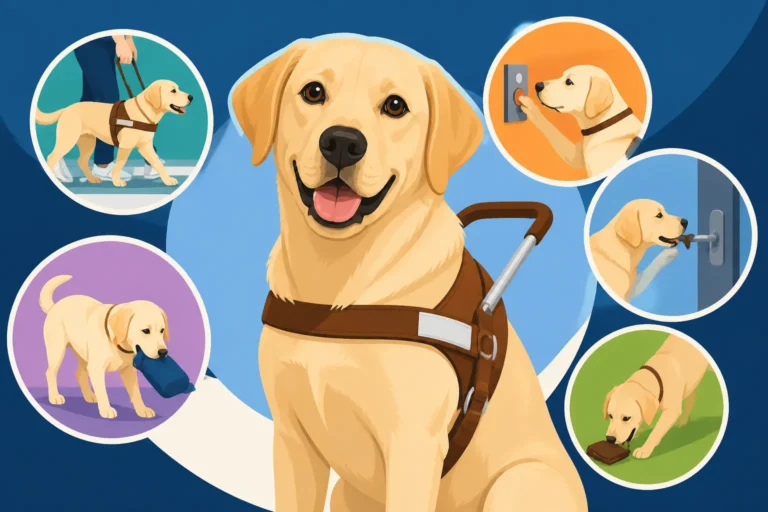
Labradors consistently rank high on lists of intelligent dog breeds, and for good reason. They are quick learners, eager to please, and highly motivated by food and praise. This combination makes them incredibly trainable, which is why they excel in so many working roles, from guide dogs and service animals to search and rescue and detection work. Their intelligence means they pick up new commands and routines quickly, but it also means they need mental stimulation to prevent boredom.
However, "trainable" doesn't mean "already trained." While they have the capacity for learning, it requires consistent effort, patience, and positive reinforcement from their owners. They respond best to methods that reward desired behaviors rather than punishing unwanted ones. Their strong food drive can be a double-edged sword: fantastic for training, but also contributing to their notorious tendency to become overweight if not managed carefully, a topic highlighted in "Why Labradors Gain Weight So Easily". Early and ongoing training, especially through puppy classes like those offered by BAXTER & Bella, can lay a strong foundation for a well-behaved adult Labrador.
The Not-So-Glamorous Labrador Realities
While Labradors are often portrayed as the perfect family dog, it's important to be realistic. Their wonderful traits can come with some challenging behaviors, especially during certain developmental stages.
The "Forever Puppy" Phase
One of the biggest surprises for new Labrador owners is just how long the "puppy" phase lasts. While many breeds mature physically and mentally by 18 months, Labradors can retain their goofy, high-energy, and often clumsy puppy-like behaviors well into their second, and sometimes even third, year. This is what we affectionately call the "forever puppy" phase. During this time, they are still learning impulse control, navigating their growing bodies, and testing boundaries.
This extended adolescence can be both endearing and exhausting. You might find a fully grown, seventy-pound dog trying to play like a small puppy, knocking things over with its enthusiastic tail or jumping up for attention. They might regress on their training, seemingly "forgetting" commands they once knew perfectly. This isn't stubbornness; it's a normal part of their brain development, and it requires continued patience, consistency, and positive reinforcement. Understanding and embracing this phase, rather than fighting it, is key to surviving it. Posts like "Surviving Labrador Adolescence" offer more in-depth advice on navigating these challenging but rewarding months.
Food Obsession and Counter Surfing
Labradors are famously, almost notoriously, food-driven. This trait, while useful for training, means they are constantly on the lookout for edible opportunities. No crumb is safe, no unattended plate is sacred, and no counter is too high to investigate. This intense food obsession often leads to behaviors like "counter surfing," where they stand on their hind legs to swipe food from tables or kitchen counters. They are cunning, persistent, and incredibly fast when food is involved.
This isn't just an annoying habit; it can be dangerous. Labradors are prone to eating things they shouldn't, leading to emergency vet visits for ingesting toxic foods or foreign objects. Owners must be diligent about keeping food out of reach, securing trash cans, and training a strong "leave it" command. It's a constant management game, but understanding that this is a deeply ingrained drive – often linked to a genetic predisposition to overeat (as explored in "The POMC Gene and Labrador Appetite") – helps owners approach it with empathy and strategic planning, rather than frustration. Using puzzle feeders available on platforms like Amazon can also slow down their eating and provide mental stimulation, reducing the urge to seek out illicit snacks.
Chewing and Destructive Tendencies
A young Labrador's mouth is their primary tool for exploring the world, and they have incredibly strong jaws. This, combined with their high energy and natural retrieving drive, means that chewing can become a significant challenge, especially during teething and adolescence. If not provided with appropriate outlets, they will turn their attention to furniture, shoes, rugs, and anything else they can get their mouths on.
Destructive chewing is often a symptom of boredom, anxiety, or insufficient exercise. A Labrador left alone for hours with nothing to do will naturally seek out something to occupy themselves, and chewing is a highly satisfying, self-rewarding behavior for them. Providing a wide variety of durable chew toys, engaging in plenty of physical activity, and ensuring mental stimulation through training and puzzle toys are essential. Crate training can also be a lifesaver during this phase, creating a safe, designated space where your Labrador can't get into trouble when unsupervised. This persistent need to chew can be costly, as you replace damaged items, making proactive management crucial.
Social Dynamics and the Labrador
Labradors are social creatures, but their interactions with different groups of individuals can vary. Understanding these dynamics helps ensure a harmonious household and safe outings.
Labradors with Children and Families
Labradors are often lauded as the quintessential family dog, and for good reason. Their generally good-natured, tolerant, and playful disposition makes them excellent companions for children. They often form strong bonds with the kids in the family, enjoying games of fetch, gentle wrestling, and even just cuddling on the couch. Their robust build can also be an advantage, as they're less likely to be accidentally injured by enthusiastic young children compared to more delicate breeds.
However, it's crucial to remember that a Labrador, especially a high-energy puppy or adolescent, can be a large, boisterous animal. Their exuberance can lead to accidental knocking over of small children, and their natural mouthing tendencies need careful management to prevent nips, even unintentional ones. Supervision is always key, teaching both the Labrador and the children how to interact respectfully and safely. A well-socialized Labrador that has been taught appropriate manners around children can indeed be a wonderful family addition, but it requires effort on the part of the adults to set everyone up for success. Understanding how to introduce a Labrador to children is vital for harmony.
Interactions with Other Pets
Most Labradors are naturally friendly and sociable with other dogs. Their playful nature often means they enjoy romp sessions at the dog park or backyard playdates with canine companions. Introducing a Labrador puppy to an older, established dog usually goes smoothly if done correctly, as the puppy's playful energy can often invigorate the older dog. When bringing home a new Labrador puppy, careful introductions to existing pets are essential to ensure a smooth transition and lasting peace.
With smaller pets, like cats or rabbits, the dynamic can be more complex due to the Labrador's natural prey drive. While many Labradors learn to coexist peacefully with cats, especially if raised with them from a young age, careful supervision is necessary. A Labrador's instinct to chase and retrieve might kick in with fast-moving small animals. It's about careful management, slow introductions, and ensuring that the smaller pet always has safe escape routes. Never assume all Labradors will automatically be fine with all other species; individual personalities and early socialization play a huge role.
Meeting Strangers: Friendly or Reserved?
Generally, Labradors are known for their friendly and outgoing nature towards strangers. They're not typically guard dogs, as their instinct is usually to greet rather than to deter. A well-socialized Labrador will often approach new people with a wagging tail, eager for a pet or a scratch behind the ears. This affable disposition is part of what makes them so popular as companions and working dogs in public-facing roles.
However, individual temperaments can vary. While most will be friendly, some Labradors might exhibit a more reserved or even timid nature with strangers, especially if they haven't had adequate positive socialization experiences during their crucial puppyhood window. Over-enthusiastic greetings, where a large Labrador jumps up on every new person they meet, can also be problematic. Training polite greetings is important, channeling their excitement into a sit or a gentle lean. Early socialization is key, exposing them to a wide variety of people, sounds, and environments in a positive way to help them develop into confident, well-adjusted adults. This early training is so crucial, as highlighted in "A Socialization Checklist for a Labrador Puppy".
Understanding Labrador Energy Levels and Needs
Perhaps the most underestimated aspect of Labrador temperament is their profound need for physical and mental engagement. This isn't a couch potato breed, especially in their prime years.
Exercise Requirements Across Life Stages
The exercise needs of a Labrador evolve throughout their life. As puppies, they have bursts of incredible energy followed by deep naps. It's important to provide appropriate, age-specific exercise, avoiding forced, high-impact activities that can damage developing joints. Short, frequent play sessions are better than long, strenuous runs during puppyhood. Understanding things like "Exercise Limits for a Labrador Puppy" is crucial.
During adolescence and into young adulthood (roughly 1 to 5 years), their energy levels peak. This is when they truly need significant daily exercise – think long walks, runs, swimming sessions, or intense games of fetch. We're talking about an hour or more of vigorous activity each day. Neglecting these needs can lead to a restless, destructive, and generally unhappy Labrador. As they age into their senior years, their exercise needs will naturally decrease, but regular, gentle activity remains important to maintain muscle mass and joint health, as covered in "Caring for a Senior Labrador". The key is adapting the type and duration of exercise to their current age and physical condition.
Mental Stimulation for a Busy Mind
Beyond physical exercise, Labradors possess intelligent, curious minds that need to be challenged. A physically tired Labrador can still be a bored Labrador if their brain isn't engaged. Mental stimulation is just as vital as physical exercise for a well-rounded temperament. This can take many forms: obedience training, puzzle toys, scent work games (like hiding treats around the house for them to find), learning new tricks, or even just daily training sessions that review basic commands.
Think of it this way: a Labrador's ancestors were problem-solvers, navigating complex retrieving scenarios. That drive to think and work is still there. If you don't provide constructive outlets, they'll invent their own "jobs," which might involve disassembling your throw pillows or "rearranging" your garden. Incorporating mental games, using interactive toys, and continuing their training beyond basic commands will keep their minds sharp and their behavior well-managed.
The Importance of a Job
The Labrador's lineage as a working dog means they thrive when they feel they have a purpose, a "job." This doesn't mean you need to sign them up for competitive field trials (though many Labradors excel at them, as discussed in "Gundog Training Costs for a Field Labrador"), but it does mean integrating them into your daily life with tasks they can understand and accomplish. Simple jobs like retrieving the morning paper, carrying a basket of laundry, helping to "find" dropped items, or performing their obedience commands for treats can give them a sense of purpose.
When a Labrador has a "job," even a small one, it taps into their innate desire to work alongside their human companions. This reduces boredom, increases their confidence, and strengthens the bond between you. A Labrador without a sense of purpose often feels lost, leading to increased anxiety or destructive behaviors. Giving them opportunities to use their intelligence and their retrieving drive in positive ways is one of the most powerful things you can do to support their temperament.
How Lineage Influences Temperament
Not all Labradors are created equal, and understanding the differences between "lines" can provide valuable insight into what temperament to expect.
English Show Labradors: Often Mellow, But Still Labs
When people picture a calm, blocky-headed Labrador, they often envision an English (or "show") line Labrador. These dogs are typically bred to conform to the breed standard for conformation shows, emphasizing a stockier build, a broader head, and a generally more laid-back disposition compared to their field-bred cousins. They still possess the classic Labrador traits of friendliness and intelligence, but their energy levels are often perceived as lower, and they may mature a little faster.
However, "lower energy" is a relative term when it comes to Labradors. An English Labrador is still a Labrador. They still require significant daily exercise and mental stimulation to prevent boredom and destructive behaviors. They might be content with a brisk walk and a solid fetch session, rather than needing to run for miles, but they are far from sedentary. They are often described as more "mellow" indoors, happy to curl up at your feet after their needs are met, but they will still be eager to get up and go when the opportunity arises. Families seeking a slightly less intense Labrador often gravitate towards these lines, but must still be prepared for a dog with plenty of typical Labrador drive.
American Field Labradors: The Energizer Bunnies
American (or "field") line Labradors, on the other hand, are bred for performance in hunting tests and field trials. Their focus is on athleticism, speed, endurance, and an intense retrieving drive. Physically, they tend to be leaner, more agile, and often have narrower heads and longer legs. Temperamentally, they are often described as having an "on" switch that's always flicked to high. They are typically more energetic, driven, and possess a boundless enthusiasm for work and play.
These dogs are absolutely fantastic for active individuals or families who are involved in dog sports, hunting, or who simply love to spend hours outdoors. They thrive on having a job, whether that's retrieving dozens of bumpers, going for long runs, or participating in agility. However, their intense drive can be overwhelming for first-time owners or those seeking a more sedate companion. A field-bred Labrador needs a significant outlet for their energy every single day, or they can become anxious, destructive, and difficult to manage. If you're considering a field line, be prepared for a dog that truly lives to work and play, as explored in "Field Line Labrador Traits".
Hybrid Lines and Blended Traits
Many Labradors today come from "hybrid" lines, where breeders aim to blend the traits of both show and field lines. The goal is often to produce a dog that retains the classic Labrador look and good temperament, but with a more manageable energy level than a pure field line, while still possessing plenty of drive. This can result in a wonderful balance for many family homes, offering the best of both worlds.
However, with hybrid lines, there's more variability in temperament. You might get a puppy that leans more towards the high-drive field type, or one that is closer to the calmer show type. It's crucial to talk extensively with breeders about their breeding philosophy, the temperaments of the parent dogs, and what you are looking for in a companion. A reputable breeder will be transparent about the expected energy and drive of their puppies and help you choose a puppy whose individual personality matches your lifestyle. Understanding "How English and American Labradors Differ" will help you articulate your preferences to a breeder.
To illustrate the general differences, here's a quick comparison:
| Trait | English (Show) Line Labrador | American (Field) Line Labrador |
|---|---|---|
| Build | Stockier, heavier bone, broader head, "blocky" | Leaner, more athletic, narrower head, lighter bone |
| Energy Level | Moderate to high; often calmer indoors after exercise | Very high; intense, boundless energy, always ready to go |
| Drive | Good retrieving drive, generally eager to please | Intense retrieving drive, high prey drive, relentless worker |
| Maturation | May mature slightly earlier | Can have an extended "puppy" phase |
| Ideal Home | Active families, good for moderate exercise, well-socialized pet | Highly active families, hunters, dog sports, experienced owners |
| Temperament Focus | Conformation standard, stable pet | Working ability, endurance, focus |
Nurturing a Well-Adjusted Labrador
A Labrador's temperament is a product of both genetics and environment. While their innate traits provide a foundation, how they are raised plays an enormous role in shaping them into well-adjusted companions.
Early Socialization is Key
One of the most critical factors in developing a stable Labrador temperament is early and thorough socialization. The period between 3 and 16 weeks of age is a crucial window for puppies to learn about the world around them. Positive exposure to a wide variety of people (different ages, genders, appearances), sounds (traffic, household noises, thunderstorms), sights (cars, bikes, umbrellas), and other friendly dogs helps them grow into confident, well-adjusted adults.
Without adequate socialization, Labradors, like any breed, can develop fears, anxieties, or reactiveness. A Labrador puppy needs to explore new places, meet new people, and experience new things in a safe, positive way. Puppy classes are an excellent resource for this, providing controlled environments for interaction. Companies like BAXTER & Bella offer online resources and puppy programs that can guide new owners through the crucial socialization period, even before all vaccinations are complete, by focusing on safe home-based and controlled experiences. Remember, socialization isn't just about meeting other dogs; it's about helping your puppy learn to be calm and confident in any situation.
Consistent Training and Boundaries
Labradors are intelligent and eager to please, which makes them highly trainable. However, their intelligence also means they will quickly learn what they can get away with if boundaries aren't clear and consistent. From the moment they arrive home, establishing rules, routines, and expectations is paramount. This means consistent house training, teaching basic obedience commands, and clearly defining what behaviors are acceptable and what are not.
Consistency is key. If one family member allows jumping up while another discourages it, your Labrador will become confused and continue the behavior. Everyone in the household needs to be on the same page regarding rules and commands. Positive reinforcement methods, using treats, praise, and play, are highly effective with Labradors. Continuous training throughout their lives, not just in puppyhood, will keep their minds engaged and reinforce good habits. This lifelong learning approach helps manage their strong will and ensures they remain polite, respectful members of the family, as detailed in "Training a Labrador From Puppy to Adult".
Managing Common Behavioral Challenges
Given their strong drives and playful nature, Labradors often present a few common behavioral challenges that can be managed with understanding and proactive training. These include:
- Mouthing and Nipping: Labrador puppies use their mouths to explore and play. Teaching them bite inhibition and redirecting their mouthing onto appropriate chew toys is essential. Freezing interaction when they mouth too hard, and praising gentle play, helps them learn.
- Jumping Up: Their enthusiastic greetings often involve jumping. Consistently teaching an "off" command and rewarding all four paws on the floor is critical. Never reward jumping by giving attention, even negative attention.
- Counter Surfing/Food Stealing: Due to their intense food drive, management (keeping counters clear) and a strong "leave it" command are vital. Make sure they are sufficiently fed and exercised to reduce boredom-driven food seeking.
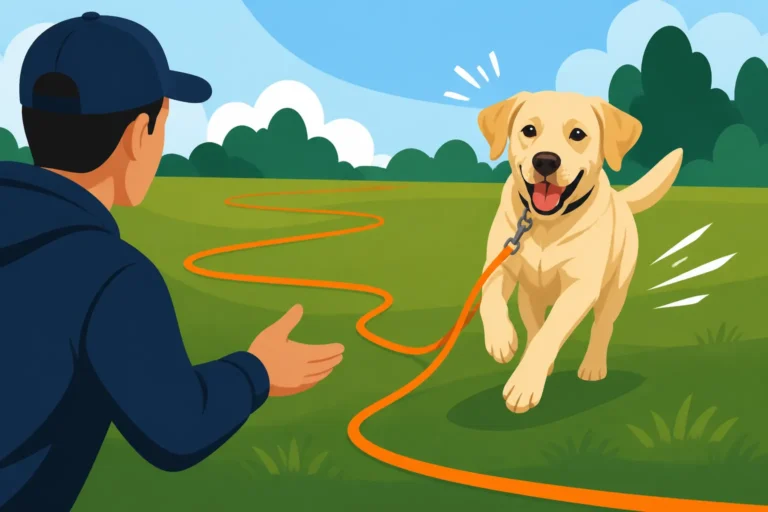
- Pulling on Leash: Their strength and eagerness to explore can make walks challenging. Training loose leash walking from a young age, using appropriate harnesses (like a front-clip harness if needed), and practicing in low-distraction environments are important. Find more tips in "Leash Manners for a Powerful Labrador".
- Destructive Chewing: This is often a sign of boredom or anxiety. Ensure ample exercise, mental stimulation, and a variety of appropriate chew toys. Crate training can be invaluable for supervised periods.
Addressing these challenges with patience and consistency, rather than getting frustrated, will help your Labrador develop into a well-behaved companion.
When to Seek Professional Help
Even with the best intentions and consistent effort, some Labrador behaviors can be overwhelming or concerning. Knowing when to reach out for professional guidance is a sign of responsible pet ownership.
Recognizing Signs of Anxiety or Aggression
While Labradors are generally good-natured, like any breed, they can develop behavioral issues such as anxiety or, in rare cases, aggression. It's crucial to recognize the early signs of these problems. Symptoms of anxiety might include excessive barking, destructive chewing when left alone (beyond normal puppy chewing), pacing, panting, inappropriate urination, or clinginess. If your Labrador shows signs of separation anxiety, a post like "Whether Labradors Get Separation Anxiety" might offer initial insights, but professional help is often needed.
Aggression, while uncommon in the breed, can manifest as growling, snapping, lunging, or even biting. This could be due to fear, resource guarding, pain, or poor socialization. Any sign of aggression should be taken very seriously. If your Labrador exhibits sudden behavioral changes, unexplained fear, or any form of aggression, consulting with your veterinarian first to rule out underlying medical conditions is always the initial step. Pain can often lead to behavioral changes, and Labs are known for "Reading Pain in a Stoic Labrador" with subtle cues.
The Role of a Certified Trainer or Behaviorist
If your Labrador's behavioral challenges persist despite consistent home training, or if you're dealing with issues like severe anxiety, fear, or aggression, it's time to call in a professional. A certified professional dog trainer or a veterinary behaviorist can provide invaluable expertise. These professionals have the knowledge and experience to assess your dog's specific situation, identify the root cause of the behavior, and develop a tailored training and management plan.
Look for trainers who use positive reinforcement methods and are certified by reputable organizations. A veterinary behaviorist is a veterinarian with specialized training in animal behavior and can prescribe medication if necessary, alongside behavioral modification plans. Don't feel ashamed to seek help; many owners benefit from professional guidance, and it can be the key to resolving challenging behaviors and ensuring a happy, healthy relationship with your Labrador. It's an investment in your dog's well-being and your peace of mind.
Setting Realistic Expectations
Ultimately, living with a Labrador Retriever is an incredibly rewarding experience, but it comes with its own unique set of challenges. Setting realistic expectations from the outset is vital. Don't expect a perfectly behaved, calm dog from day one, especially with a puppy or adolescent. Expect energy, enthusiasm, and a strong will. Expect to dedicate significant time to exercise, training, and socialization.
Embrace their goofy antics, understand their deep-seated drives, and appreciate their boundless affection. They will make you laugh, sometimes frustrate you, and always fill your life with love. By understanding their temperament, acknowledging their needs, and committing to their well-being, you'll build an incredible bond with your Labrador, enjoying all the wonderful qualities that make them one of the most beloved breeds in the world.
Disclaimer
This article is for general informational purposes only and does not constitute professional advice. Laws, prices and regulations vary by location and change over time. Consult a qualified professional for guidance on your specific situation.