How a Chesapeake Bay Retriever Differs From a Lab
It's incredibly easy to see a powerful, water-loving retriever and just assume it's a Labrador. They share a certain look, a certain enthusiasm for fetching, and a strong athletic build. But if you’re trying to distinguish between a Labrador Retriever and a Chesapeake Bay Retriever, you’re looking at two distinct breeds with different histories, temperaments, and even physical traits that might surprise you. This guide will walk you through those crucial differences so you can truly appreciate what makes each of these amazing dogs unique, helping you understand which one might be the best fit for your life.
Origins and Purpose: A Tale of Two Coasts
While both the Labrador and the Chesapeake Bay Retriever were developed to retrieve fowl from icy waters, their origins and the environments they were bred for profoundly shaped who they are today. It’s like comparing two skilled athletes who excel at the same sport but trained in entirely different conditions.
The Labrador's British Roots
The Labrador Retriever, despite its name, didn't truly develop into the breed we know and love on the coast of Labrador. Its ancestors, the St. John's Water Dogs, were working companions to fishermen in Newfoundland, retrieving fish, lines, and nets from the freezing North Atlantic. These dogs were brought to England in the early 19th century, particularly to the Poole harbor area in Dorset. Here, British gentry recognized their exceptional retrieving abilities and began to selectively breed them, refining their traits for retrieving game birds on land and in water during hunts.
The emphasis in their development was on a "soft mouth" – the ability to carry game without damaging it, a trait that made them invaluable to hunters. They needed to be biddable, eager to please, and hardy enough for long days in the field. This selective breeding in a more "sporting" context, rather than the raw survival context of the fishing boats, helped solidify the Labrador's famously amiable and adaptable nature. Their legacy is one of partnership and enthusiastic cooperation, making them incredibly popular as family companions, service dogs, and search and rescue heroes. Where the Labrador Retriever Came From details more about this fascinating history.
The Chesapeake's American Grit
The Chesapeake Bay Retriever, or "Chessie" as they're affectionately called, is a truly American breed, forged in the unforgiving conditions of the Chesapeake Bay area, primarily in Maryland and Virginia. Their story begins in 1807 when an English brig shipwrecked off the coast of Maryland. On board were two Newfoundland dogs, Sailor and Canton, who were rescued and whose unique retrieving abilities in the harsh bay waters quickly became legendary. These dogs, and their descendants, were then bred with local retrievers, hounds, and perhaps even Irish Water Spaniels, to create a dog specifically suited to the immense challenges of duck hunting on the Bay.
The Chesapeake Bay is known for its strong currents, icy temperatures, and brutal winds. A retriever working here didn't just need to fetch; it needed incredible stamina, courage, and a thick, oily coat to withstand prolonged exposure to cold water. They often had to make dozens, sometimes hundreds, of retrieves in a single day, breaking through ice and battling strong tides. This breeding emphasis created a dog renowned for its tenacity, strength, and a certain degree of independence and toughness. While affectionate with their families, their historical role demanded a robust, no-nonsense attitude, which often translates to a more reserved demeanor with strangers and a powerful protective instinct compared to the average Labrador.
Physical Distinctions: More Than Just a Coat
At first glance, both breeds are solid, muscular retrievers, but a closer look reveals key differences in their appearance, particularly their coats and overall build. These aren't just cosmetic; they reflect the different challenges each breed was designed to overcome.
Coat Texture and Color
This is perhaps the most defining physical difference between the two breeds.
Labrador Retriever Coat:
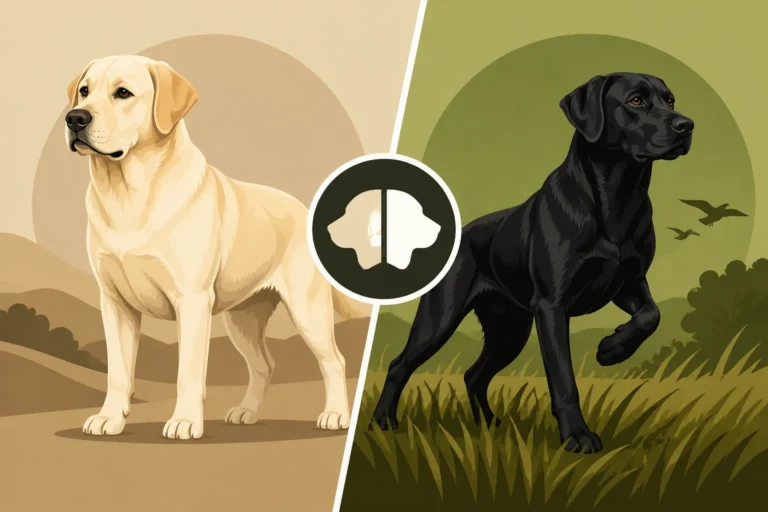
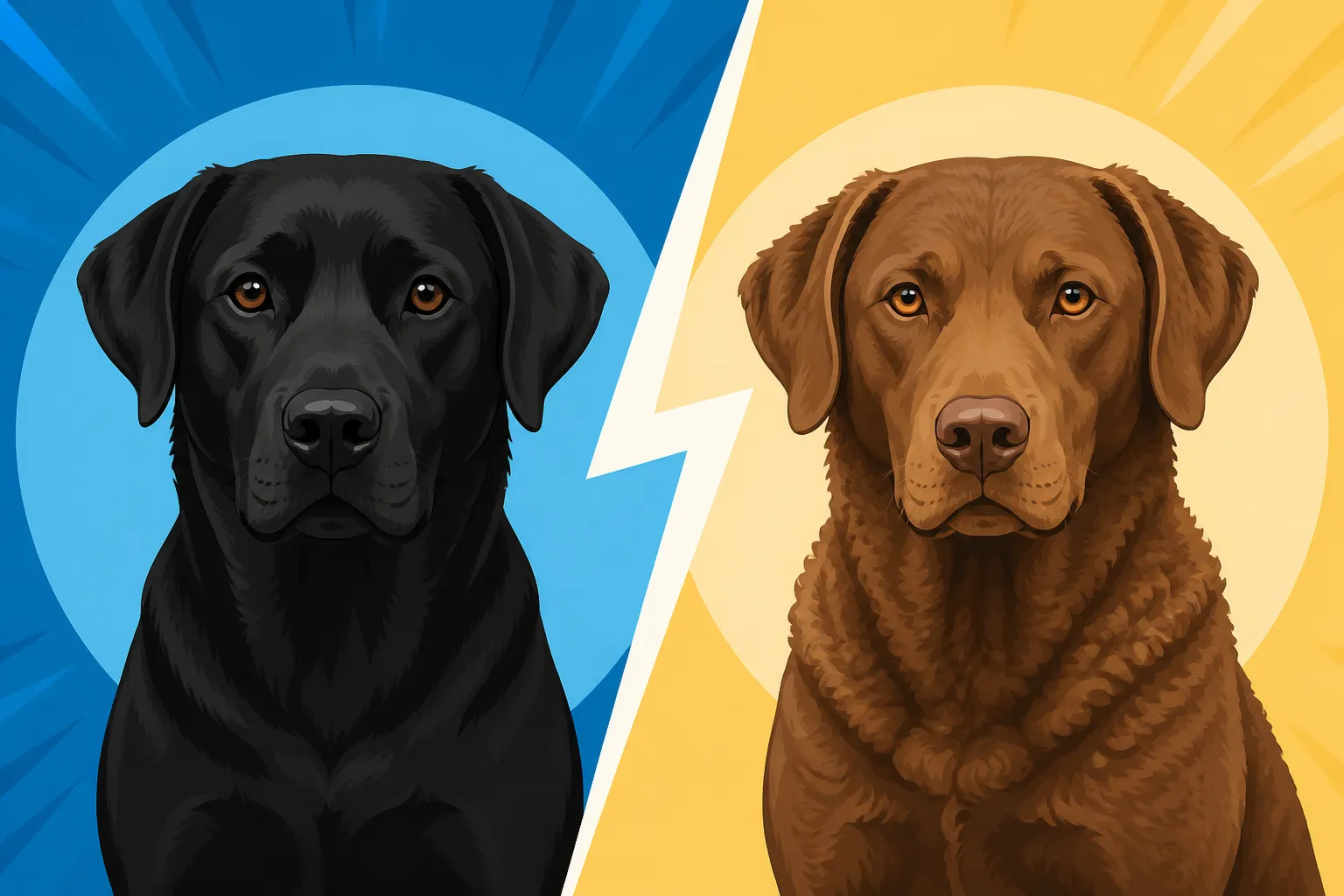
Labradors boast a dense, short, straight double coat that feels relatively smooth to the touch, though it's quite stiff and isn't soft like a Golden Retriever's. The outer coat is designed to be water-repellent, and the soft, thick undercoat provides insulation. When you run your hand against the grain, you'll feel that incredible density. What a Labrador Coat Repel Water explains how this works. Their coats come in three standard colors: black, yellow (which can range from light cream to a rich fox red), and chocolate. While Labradors shed year-round, they typically have heavier "coat blows" in spring and fall. You can find excellent deshedding tools and grooming supplies for Labradors on Chewy.
Chesapeake Bay Retriever Coat:
The Chessie's coat is a marvel of natural engineering, perfectly adapted to the icy waters of its namesake bay. It's short, thick, and very dense, but the key difference is its texture: it's harsh and oily to the touch, with a distinct wavy quality, especially on the neck, back, and loins. This oily, slightly greasy texture provides unparalleled waterproofing, acting almost like a natural wetsuit. When a Chessie emerges from the water, it usually sheds most of the water instantly. Their colors are typically shades of brown, sedge (a reddish-brown), or deadgrass (a faded tan to straw color), designed to camouflage them in their environment. White spots are allowed only on the chest, belly, or toes, but generally undesirable. Chessies also shed, though their unique coat might require different grooming approaches than a Labrador's, with specific brushes for their wavy texture available from retailers like Chewy.
Build and Size
Both breeds are strong, athletic dogs, but their builds reflect their different working styles.
Labrador Retriever Build:
Labradors are generally medium to large-sized dogs, known for their powerful, balanced, and athletic build. They are robust but tend to be a bit more moderately boned than a Chessie. The AKC standard calls for males to stand 22.5 to 24.5 inches at the shoulder and weigh 65 to 80 pounds, while females are 21.5 to 23.5 inches and 55 to 70 pounds. Their famous "otter tail" is thick at the base, tapering to a point, and is carried with a slight curve, aiding them like a rudder in the water. Overall, they present a picture of agile strength and endurance.
Chesapeake Bay Retriever Build:
Chessies tend to be slightly larger and more heavily boned than Labradors, giving them a rugged, powerful appearance. Males typically stand 23 to 26 inches at the shoulder and weigh 65 to 80 pounds, while females are 21 to 24 inches and 55 to 70 pounds. While the weight ranges often overlap with Labs, the Chessie's overall impression is one of more substantial muscle and bone. Their tail is also moderately long, usually straight or with a slight curve, but it lacks the distinct "otter" shape of the Labrador's. They were built for sheer power and resilience, capable of breaking ice and retrieving heavy game from challenging conditions.
Facial Features and Expression
Even their faces tell a story about their personalities.
Labrador Retriever Expression:
The Labrador is renowned for its kind, intelligent, and friendly expression. Their eyes are usually brown or hazel, reflecting their gentle nature and eagerness to connect. Their muzzle is moderately long and broad, and their ears are set rather far back, hanging close to the head. This combination gives them that approachable, "happy-go-lucky" look that makes them so beloved.
Chesapeake Bay Retriever Expression:
A Chessie's expression is often described as intelligent, watchful, and sometimes even a bit serious or intense. Their eyes are usually clear yellowish or amber, and their gaze can seem more piercing or determined than a Labrador's. Their muzzle is strong and medium length, and their ears are small, set high, and hang loosely. This gives them a more formidable and less openly welcoming look, reflecting their independent and protective tendencies. They carry themselves with an air of self-reliance.
Here’s a quick comparison table:
| Feature | Labrador Retriever | Chesapeake Bay Retriever |
|---|---|---|
| Coat Texture | Dense, short, straight, relatively smooth, stiff | Harsh, oily, dense, wavy, feels somewhat greasy |
| Coat Colors | Black, Yellow (cream to fox red), Chocolate | Brown, Sedge (reddish-brown), Deadgrass (faded tan) |
| Male Size | 22.5-24.5 inches, 65-80 lbs | 23-26 inches, 65-80 lbs |
| Female Size | 21.5-23.5 inches, 55-70 lbs | 21-24 inches, 55-70 lbs |
| Tail | "Otter tail" – thick at base, tapering, slight curve | Moderately long, straight or slight curve, no "otter" shape |
| Expression | Kind, friendly, intelligent, eager | Intelligent, watchful, serious, sometimes intense |
Temperament and Training: Different Strokes for Different Folks
This is where the distinction between the two breeds often becomes most apparent for potential owners. While both are highly intelligent working dogs, their personalities and how they approach training and interaction can be quite different.
General Disposition and Affection
Labrador Retriever Disposition:
Labradors are famously friendly, outgoing, and eager to please. They are often described as having an unflappable good nature, getting along well with most people and other animals. They thrive on being part of the family and are typically very affectionate, often seeking out cuddles and attention. Their exuberance and love for life are contagious, and they are usually the first to greet a stranger with a wagging tail. Labrador Temperament and Personality provides a deeper dive into their character. This is why they make such popular family pets, often seen happily playing with children or lounging contentedly beside their humans.
Chesapeake Bay Retriever Disposition:
Chessies, while deeply devoted to their families, are generally more reserved, independent, and discerning than Labradors. They are not typically the type to greet every stranger with unrestrained enthusiasm. They can be wary of new people and situations, requiring proper socialization from a young age to develop confidence and good manners. With their family, they are affectionate and loyal, often forming a strong, almost protective bond. However, their affection might be expressed in a more understated way than a Labrador's boisterous greetings. They are known for their strong will and can be fiercely protective, traits that were valuable in their original role as guardians of the hunter's gear.
Trainability and Drive
Both breeds are highly intelligent and capable of learning complex tasks, but their approach to training can differ.
Labrador Retriever Trainability:
Labradors are legendary for their trainability and strong desire to please their handlers. Their high food drive and enthusiasm make them very receptive to positive reinforcement methods. They are often ranked as one of the easiest breeds to train, excelling in obedience, agility, and, of course, retrieving. They thrive on having a "job" to do and love working cooperatively with their humans. However, their intelligence and energy mean they can become bored or mischievous if not given enough mental stimulation and consistent training. Why Labradors Are Ranked Easy to Train discusses their inherent biddability. For a Labrador, training is often a joyful partnership.
Chesapeake Bay Retriever Trainability:
Chessies are intelligent, too, but they come with a strong independent streak and a formidable will. They can be incredibly smart and capable, but they require a confident, experienced handler who can provide consistent, firm (but fair) leadership. They are not as inherently eager to please as a Labrador and might question commands or try to do things their own way if they don't see the point. Training a Chessie demands patience, consistency, and a deep understanding of canine behavior. They respond best to positive reinforcement but need clear boundaries and an owner who can earn their respect. They are problem-solvers by nature, which means they can be incredibly clever but also challenging for a novice owner. They are less forgiving of inconsistent training than a Labrador. For more about training, see Training a Labrador From Puppy to Adult, though some Chessie owners find they need a slightly different approach.
Energy Levels and Exercise Needs
Both are high-energy dogs bred for demanding work, so neither is a couch potato.
Labrador Retriever Energy:
Labradors are high-energy dogs, especially in their younger years. They need significant daily exercise, often including long walks, runs, swimming, and plenty of vigorous retrieving games. A bored Labrador is often a destructive Labrador, prone to chewing, digging, or developing other unwanted behaviors. While they do calm down somewhat around age three, they maintain a playful spirit and need for activity well into their senior years. Exercise a Labrador Needs Each Day outlines typical requirements. Without adequate exercise, a Labrador is prone to weight gain, particularly given their genetic predisposition to overeating.
Chesapeake Bay Retriever Energy:
Chessies possess an equally high, if not sometimes more intense, energy level. They are incredibly athletic and built for endurance, needing extensive daily exercise. This isn't just about a quick walk around the block; Chessies thrive on activities that engage both their bodies and minds, such as long hikes, retrieving sessions in water, jogging, or participating in dog sports like agility or dock diving. Their robust nature means they can go for hours. If a Chessie doesn't get enough physical and mental outlets, they can become restless, anxious, and destructive. They truly need a job or a purpose to feel fulfilled.
Suitability as a Family Pet: Which Retriever is Right for You?
Choosing between these two incredible breeds for a family companion comes down to understanding their distinct needs and temperaments and how they align with your lifestyle and experience as a dog owner.
Living with Children and Other Pets
Labrador Retriever with Family:
Labradors are renowned for being wonderful family dogs, often excellent with children of all ages due to their patient, tolerant, and playful nature. Of course, all interactions between dogs and children should be supervised, and children need to be taught how to interact respectfully with dogs. Labradors also generally do well with other dogs and often with cats, especially if introduced properly and socialized from a young age. Their easygoing nature makes them adaptable to multi-pet households. Stocking up on appropriate toys and treats from Chewy can help keep them engaged and happy in a busy family environment. Learn more about Socializing a Labrador Puppy.
Chesapeake Bay Retriever with Family:
Chessies can be devoted family companions, but their independent and sometimes reserved nature means they might not be as immediately accepting of new people or situations as a Labrador. They tend to bond very strongly with their immediate family but can be wary of strangers. With children, Chessies can be very good, but their robust play style and strong protective instincts mean they are often better suited to families with older, dog-savvy children who understand how to respect a dog's boundaries. Early and extensive socialization is paramount for a Chessie to ensure they are well-adjusted and comfortable in various settings. While they can coexist with other pets, especially if raised together, their strong prey drive and dominant tendencies can sometimes make introductions to other dogs or cats more challenging than with a Labrador.
Adaptability to Lifestyles
The ideal home for a Labrador might be different from that of a Chessie.
Labrador Retriever Lifestyle:
Labradors can adapt to a variety of living situations, from active suburban homes with yards to apartments, provided they receive sufficient daily exercise and mental stimulation. They thrive on companionship and do not do well being left alone for excessively long periods without interaction. Their desire to be involved in family activities makes them versatile partners for hiking, swimming, or simply hanging out in the yard. They're generally easy travel companions. However, their intense curiosity and strong sense of smell mean your home and yard will need to be Labrador-proofed to prevent them from getting into mischief or eating things they shouldn't.
Chesapeake Bay Retriever Lifestyle:
Chessies are best suited for active families or individuals with extensive experience with strong-willed working breeds. They require a dedicated owner who can commit to their significant exercise and training needs. A secure, spacious yard where they can run and play is highly recommended. Because of their protective nature and reserve with strangers, they often excel in homes where they have a clear role and structure. They are not ideal for apartment living unless their owners are incredibly committed to daily, rigorous outdoor activity. While they are resilient and hardy, their intense bond with family means they also need companionship and should not be isolated. Their protective instincts mean they make excellent watchdogs, but this also requires careful management to ensure they understand appropriate boundaries.
Grooming and Health Considerations
Both breeds are generally hardy, but each has specific care requirements.
Labrador Retriever Care:
Labradors are relatively low-maintenance in terms of grooming. Their short, dense coat requires weekly brushing to remove loose hair and keep it healthy, with more frequent brushing during shedding seasons. You might find a good deshedding brush for your Labrador on Chewy. They don't need frequent bathing, as this can strip their coat of its natural oils. They are prone to certain health conditions, including hip and elbow dysplasia, Labrador Hip and Elbow Dysplasia being a key concern, as well as eye conditions like Progressive Retinal Atrophy. Obesity is a major issue due to their enthusiastic appetites and genetic predisposition, leading to a host of other health problems, so portion control and regular exercise are crucial.
Chesapeake Bay Retriever Care:
The Chessie's unique oily, wavy coat is surprisingly easy to care for and does not require extensive brushing. Occasional brushing, perhaps once a week, is usually sufficient to remove loose hair and keep the coat healthy. Excessive bathing should be avoided to preserve the natural oils that provide waterproofing. Chessies, like Labradors, are prone to hip and elbow dysplasia. Other health concerns include Progressive Retinal Atrophy (PRA), and occasionally Centronuclear Myopathy. Responsible breeders conduct health clearances for these conditions. Their robust nature generally means they handle various climates well, though care is always needed in extreme heat or cold.
Ultimately, while both the Labrador Retriever and the Chesapeake Bay Retriever are magnificent, intelligent, and devoted dogs, they are not interchangeable. The Labrador is generally the more adaptable, outgoing, and overtly friendly choice, often suitable for first-time dog owners willing to put in the work. The Chesapeake, on the other hand, is a more challenging, independent, and intense breed, best suited for experienced owners who understand and appreciate their strong will, protective instincts, and profound need for a purposeful life. Choosing the right breed means honestly assessing your lifestyle, experience, and what you're truly looking for in a canine companion.
Disclaimer
This article is for general informational purposes only and does not constitute professional advice. Laws, prices and regulations vary by location and change over time. Consult a qualified professional for guidance on your specific situation.