The Decade the Modern Labrador Took Shape
Understanding how our beloved Labrador Retrievers came to be the dogs we know and cherish today can feel like piecing together a fascinating puzzle with many missing pieces. It's not always clear when the "Labrador" as we recognize them truly emerged from their early ancestors. This guide dives into the specific period when the modern Labrador Retriever took shape, exploring the crucial events, dedicated individuals, and defining characteristics that solidified their place in canine history.
From Water Dogs to Working Companions: The Early Foundations
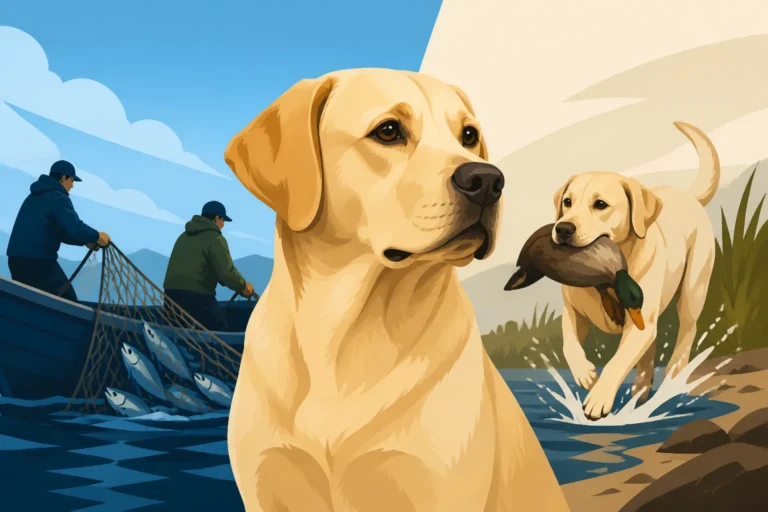
Before the Labrador Retriever became the distinct breed we adore, its roots lay across the Atlantic, in Newfoundland. The dogs that would eventually cross the ocean to England were hardy, diligent companions to fishermen, perfectly adapted to the harsh maritime environment. These were not yet "Labradors" in the modern sense, but their traits were undeniable precursors.
The St. John's Water Dog's Pivotal Role
The original ancestor was known as the St. John's Water Dog, or sometimes the Lesser Newfoundland. These dogs were smaller, sleeker, and more agile than the heavier Newfoundland dogs. They possessed a short, dense, water-repellent coat and a strong affinity for water, making them indispensable for retrieving fishing lines, nets, and even fish that had slipped from the hook in the icy North Atlantic waters. They were tireless, intelligent, and possessed an innate "soft mouth," meaning they could carry delicate items without damaging them – a trait highly prized by the fishermen. This foundation of retrieve drive and water prowess was the bedrock upon which the Labrador would be built. The St. John's Water Dog Behind the Labrador explains more about these remarkable early canines.
Initial Introductions to British Estates
By the early 19th century, these unique working dogs began making their way to Great Britain, primarily to the bustling port of Poole in Dorset, England. Fishing vessels traveling between Newfoundland and the English coast often carried these dogs, sometimes as companions, sometimes as gifts. It was here that British sportsmen, particularly those with a passion for shooting and waterfowl hunting, first took notice. They quickly recognized the St. John's Water Dog's exceptional retrieving abilities and gentle nature, seeing immense potential for their own sporting needs. Estates like those of the Earl of Malmesbury and the Duke of Buccleuch became early champions of the breed, carefully breeding and refining these imports. How Labradors Reached Poole in Dorset delves into this fascinating journey.
The Pivotal Decade: The 1880s – When the Modern Labrador Truly Emerged
While the St. John's Water Dogs had been in England for decades, the 1880s stand out as the truly formative period when the disparate lines began to coalesce, and the breed we recognize today started to solidify its identity. This was a time of dedicated breeding, careful record-keeping, and a concerted effort by a handful of passionate individuals to establish clear characteristics for what they increasingly called "Labrador Retrievers."
Establishing the Early Breed Standard
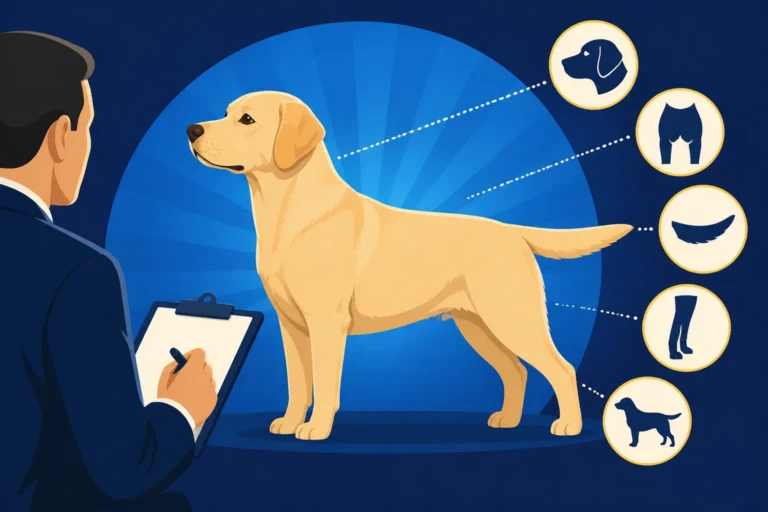
Prior to the 1880s, breeding was often less structured. However, as more enthusiasts became involved, there was a growing desire for consistency. The late 19th century saw a burgeoning interest in dog shows and kennel clubs, which necessitated formal breed standards. It was during the 1880s that key breeders started to articulate and informally agree upon the physical and temperamental traits that defined their ideal Labrador. They sought to preserve the working ability of the St. John's Water Dog while refining its appearance. This period was crucial for outlining what would later become the official standard, focusing on a strong, athletic build, a specific head shape, and that hallmark "otter tail."
Key Breeders and Their Enduring Contributions
The 1880s saw the direct collaboration between significant figures whose efforts were instrumental. The 6th Duke of Buccleuch and the 12th Earl of Home, whose ancestors had imported some of the earliest St. John's Water Dogs, began working together with the 3rd Earl of Malmesbury. They exchanged breeding stock and meticulously recorded pedigrees, effectively creating the foundational lines of the modern Labrador Retriever. These individuals weren't just breeding dogs; they were shaping a legacy. They understood the importance of selecting for specific traits like trainability, retrieving drive, and that distinctive double coat. Their collective vision and dedicated efforts during this decade were paramount. You can learn more about The Duke of Buccleuch's Labrador Kennel and its historical impact.
Early Kennel Club Recognition Efforts
While official Kennel Club recognition for the Labrador Retriever didn't happen until the early 20th century, the groundwork was firmly laid in the 1880s. The increasing uniformity of type, the growing number of dedicated breeders, and the establishment of more detailed pedigrees meant that the breed was becoming distinguishable enough to warrant formal consideration. This decade saw initial discussions and increasing interest from broader canine communities, moving the Labrador from a regional working dog to a recognized entity on the path to becoming a formally acknowledged breed. The sheer number of well-bred, consistent dogs being produced was beginning to make a compelling case for formal recognition.
Defining Characteristics Solidify
The intentional breeding efforts of the 1880s solidified many of the physical and temperamental traits that we now consider synonymous with the Labrador Retriever. This wasn't accidental; it was the result of breeders actively selecting for dogs that excelled in their intended purpose while maintaining a distinct and appealing appearance.
Physical Traits and the Iconic "Otter Tail"
During this pivotal decade, the physical archetype of the Labrador became clear. Breeders honed in on a medium-sized, powerfully built dog with a broad head, kind eyes, and a strong, muscular neck. The short, dense, water-resistant double coat, inherited from its St. John's ancestors, was highly valued for its practicality in cold water. But perhaps one of the most distinctive features that truly took hold during this period was the "otter tail." This strong, thick tail, tapering from the base and completely covered in short, dense fur, acts like a rudder in the water, giving the Labrador unparalleled maneuverability. Its unique shape was specifically bred for, and it became an essential part of the breed's identity. The Labrador Otter Tail Explained offers more insight into this iconic feature.
Temperament and Unwavering Working Drive
Beyond their physical attributes, the 1880s cemented the Labrador's remarkable temperament and unwavering working drive. Breeders consciously selected for dogs that were intelligent, eager to please, and highly trainable, making them exceptional companions in the field. Their renowned "soft mouth" was paramount, ensuring retrieved game was brought back unharmed. This natural retrieving instinct, combined with their biddable nature, made them the ideal gundog. They were also noted for their kind and outgoing disposition, traits that would later contribute to their immense popularity as family pets. This combination of robust health, intelligence, and an amiable character was a hallmark of the emerging modern Labrador. Labrador Temperament and Personality goes into detail about these beloved traits.
The Path to Widespread Recognition and Enduring Popularity
The foundational work done in the 1880s set the stage for the Labrador Retriever's eventual global recognition and enduring popularity. It was the launching pad for what would become one of the most beloved dog breeds in the world.
Growth in Popularity Beyond the Estates
Once the breed's characteristics were more stable and its reputation for being an exceptional gundog spread beyond the initial aristocratic estates, demand began to grow. While still primarily found among sportsmen, their consistent performance and delightful personalities meant they were starting to gain admirers from a wider segment of society. People saw not just a great hunting dog, but a truly intelligent and companionable animal. The increasing consistency in appearance and temperament, thanks to the dedicated efforts of the 1880s breeders, made the Labrador a predictable and desirable choice for those seeking a reliable canine partner.
The Labrador's Dual Purpose: Field and Family
The development during the 1880s firmly established the Labrador as a dual-purpose breed, equally at home in the field and later, the family home. The breeders of that era were focused on creating superb working dogs, but they inadvertently (or perhaps intuitively) laid the groundwork for a breed that could adapt to many roles. The strong retrieve drive, intelligence, and gentle mouth that made them excellent retrievers for game also made them ideal for nascent roles in assistance work, and eventually, as devoted family pets. This versatility, seeded in their formative decade, has been a key factor in their enduring appeal. Even today, whether a dog is from a Field Line Labrador Traits or a show line, the core traits developed in those early years remain.
| Year Range | Key Developments in Labrador History | Impact on Modern Breed |
|---|---|---|
| Pre-1800s | St. John's Water Dog in Newfoundland | Ancestral type, water affinity, retrieve drive, dense coat |
| Early 1800s | Importation to England, initial interest by gentry | Introduction to British sporting community |
| 1880s | Systematic breeding begins, pedigrees recorded | Defined breed type, physical traits, and temperament begin to solidify |
| Collaboration between key breeders (Buccleuch, Malmesbury) | Establishment of foundational bloodlines | |
| Informal consensus on desirable characteristics (e.g., otter tail) | Precursor to formal breed standards | |
| Early 1900s | Official Kennel Club recognition | Formal acceptance and classification as a distinct breed |
| Mid-1900s | Rise as popular gundog and family companion | Widespread adoption, versatility recognized |
The groundwork laid in that critical decade set the stage for the Labrador Retriever to become the most popular dog in many countries for decades, a testament to the foresight and dedication of those early breeders. Their efforts ensured that the wonderful characteristics of the St. John's Water Dog were not lost but refined and preserved for future generations to enjoy. From their origins as working dogs on fishing boats to their current status as beloved family members, the journey of the Labrador is truly remarkable.
Disclaimer
This article is for general informational purposes only and does not constitute professional advice. Laws, prices and regulations vary by location and change over time. Consult a qualified professional for guidance on your specific situation.