Labrador Obesity and the Years It Costs
It’s a common sight, isn’t it? That sweet, eager Labrador with the perpetually wagging tail, looking up at you with those soulful eyes, always ready for another treat, another meal, another anything. We love their enthusiasm for food, their joy in every bite, but sometimes, that love for food can tip the scales, literally. If you’ve ever worried about your Labrador carrying a few too many pounds, you’re far from alone. This guide is here to shed light on the pervasive issue of Labrador obesity and the significant, often heartbreaking, impact it has on their health and overall lifespan.
The Alarming Reality of Labrador Obesity
Let's be honest, seeing a chubby Labrador is almost… normal these days. We’ve become so accustomed to the sight that many owners genuinely don’t recognize when their beloved companion is actually overweight. But this isn't just about aesthetics; it’s a critical health concern that shortens lives and diminishes quality. The reality of obesity in Labradors is more widespread and serious than many realize.
Why Labradors Are So Prone to Weight Gain
It's not just your imagination; Labradors genuinely seem to struggle with their weight more than many other breeds. There’s a scientific reason behind their relentless appetite and propensity for packing on pounds. A significant number of Labradors, roughly one in four, carry a specific genetic mutation called the POMC gene deletion. This isn't just a minor difference; it fundamentally impacts their ability to feel full and regulate their appetite. For us humans, it would be like constantly feeling hungry, even right after a big meal.
This genetic predisposition means that even if you're meticulously measuring food and limiting treats, a Labrador with this gene deletion will constantly feel underfed and will always be looking for more. They are naturally driven to eat, and their brains don't send the "I'm full" signals as effectively as dogs without the mutation. Understanding this isn't an excuse to let them get overweight, but it helps explain why it's such a persistent challenge for Labrador owners, and why managing their diet takes extra vigilance. You can learn more about this specific genetic factor in our detailed article on The POMC Gene and Labrador Appetite.
The Prevalence of Obesity in the Breed
Statistics paint a stark picture: Labradors are one of the most commonly obese breeds in the world. Recent studies have shown that a significant percentage, often cited around 30-40%, of Labradors are classified as overweight or obese by veterinary standards. This isn't just a slight paunch; these are dogs whose excess weight is actively impacting their bodily functions and putting immense strain on their systems.
Think about it this way: if you walk into a dog park, there’s a good chance you’ll spot several Labs who are well past their ideal body condition. This prevalence means it’s easy to normalize the issue, to think "my dog isn't that bad" when compared to others. However, this collective overweight status only makes it harder for owners to recognize a healthy weight and the very real health risks associated with carrying extra bulk. It becomes a silent epidemic, often perpetuated by loving owners who simply don't have the full picture.
Health Complications Linked to Excess Weight
The extra pounds your Labrador carries don't just disappear into thin air; they settle into every corner of their body, exerting pressure and impacting function. This isn't about cosmetic appeal; it's about the tangible, painful, and often debilitating health conditions that stem directly from obesity.
Orthopedic Strain and Joint Disease
One of the most immediate and visible impacts of obesity on a Labrador is the incredible strain it puts on their joints. Labradors are already predisposed to conditions like Labrador Hip and Elbow Dysplasia due to their genetics and rapid growth rate. Adding extra weight exacerbates these issues dramatically. Imagine carrying a 20-pound backpack all day, every day – that's what an overweight Labrador experiences.
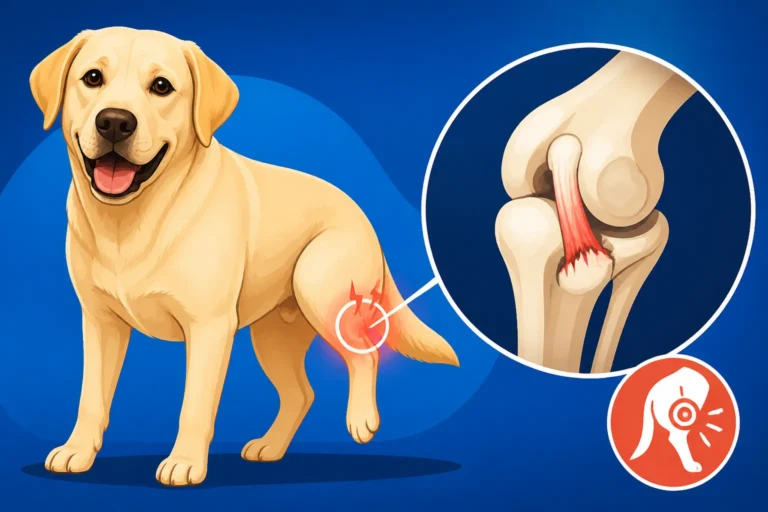
This constant stress on their joints can lead to premature or more severe arthritis, making simple movements like getting up, climbing stairs, or even just walking a painful ordeal. We often see overweight Labs struggling with mobility much earlier in life, their playful leaps and bounds replaced by slow, deliberate movements. Overweight Labradors are also at a higher risk of cruciate ligament tears, which are incredibly painful and often require expensive surgery, a cost that pet insurance providers like Healthy Paws can sometimes help with. Managing Labrador Arthritis in Middle Age becomes a much tougher battle when excess weight is a factor.
Metabolic and Organ System Issues
Beyond the joints, obesity creates a cascade of metabolic problems that can silently wreak havoc on your Labrador's internal organs. Overweight dogs are significantly more prone to developing type 2 diabetes, a condition requiring daily insulin injections and careful dietary management. Their hearts have to work harder to pump blood through a larger body mass, increasing the risk of heart disease.
Furthermore, obesity has been linked to increased inflammation throughout the body, respiratory problems (especially in hot weather, as the fat acts as insulation), and even a heightened risk of certain types of cancer. The liver can become fatty, leading to decreased function, and the kidneys can be placed under additional stress. It's a domino effect, where one health issue contributes to another, slowly eroding your dog's vitality. For those looking ahead, understanding potential vet costs for these conditions is crucial, and having a reliable pet insurance plan from Healthy Paws in place can provide some peace of mind.
Skin and Coat Problems
It might not be the first thing you think of, but excess weight can also significantly impact your Labrador's skin and coat health. The extra folds of skin that develop in an overweight dog create moist, warm environments where bacteria and yeast can thrive, leading to painful skin infections, commonly known as hot spots. These areas are prone to itching, redness, and inflammation, making your dog miserable.
Additionally, an overweight Labrador may struggle to groom themselves properly, especially in hard-to-reach areas. This can lead to matted fur, dander buildup, and a dull, unhealthy coat. The lack of proper air circulation due to skin folds also contributes to these issues, making them more susceptible to persistent skin irritations and secondary infections that require veterinary intervention.
The Direct Impact on Lifespan
This is where the rubber meets the road. While the health complications are serious, the most sobering truth about Labrador obesity is its direct, undeniable link to a shortened lifespan. As loving owners, we want our companions to be with us for as long as possible, but extra weight actively steals years from their lives.
Scientific Studies and Data
Numerous scientific studies have unequivocally demonstrated that maintaining a lean body condition can significantly extend a dog's life. Perhaps one of the most impactful studies involved a long-term project by Purina, which followed two groups of Labradors – one fed a controlled diet to maintain a lean weight, and another allowed to eat more freely. The results were astounding: the lean-fed dogs lived, on average, nearly two years longer than their overweight counterparts. Two whole extra years of companionship, joy, and healthy living.
Another significant piece of research is the VetCompass study, which tracked thousands of Labrador Retrievers and found a clear correlation between certain health conditions (many exacerbated by obesity) and overall lifespan. This data consistently reinforces the message: weight matters. Our article on How Much Longer a Lean Labrador Lives delves deeper into this fascinating research and its implications.
Quality of Life Degradation
Beyond the pure number of years, obesity drastically diminishes the quality of life a Labrador experiences. These are dogs bred for activity, for retrieving, for running and swimming. An overweight Labrador struggles to participate in these natural, joyful behaviors. Their ability to run, jump, and play fetch is hampered by painful joints and labored breathing.
Imagine a dog that once bounded through fields now hesitating at the bottom of stairs, or one that loved to swim now struggling to stay afloat. Their overall energy levels plummet, their desire to engage in activities decreases, and their capacity for joy is curtailed. This isn't just about extending life; it's about ensuring those years are filled with vitality, comfort, and the ability to be a "Labrador" in every sense of the word. They deserve to run and play without pain, to enjoy their walks, and to simply exist comfortably in their own skin.
Recognizing and Assessing Your Labrador's Weight
One of the biggest hurdles in tackling Labrador obesity is simply recognizing it. Because so many Labs are overweight, it's easy to misinterpret a healthy weight as "too thin" or to accept a pudgy physique as normal for the breed. Getting an objective view is the first, crucial step.
Understanding Body Condition Scoring
Veterinarians use a system called Body Condition Scoring (BCS) to assess a dog's weight, usually on a scale of 1 to 9, where 5 is ideal. This isn't just about looking at a number on a scale, but rather a combination of visual assessment and tactile examination.
Here's a quick guide to understanding the BCS:
| BCS Score | Description | Visual Cues | Palpation Cues | Action |
|---|---|---|---|---|
| 1-2 | Underweight/Emaciated | Ribs, vertebrae, pelvic bones easily visible from a distance. Obvious waist. | No fat detectable. Bones prominent. | Increase food intake under vet guidance. |
| 3-4 | Thin | Ribs easily visible. Prominent waist and abdominal tuck. | Minimal fat over ribs. Bones easily felt. | Monitor, ensure adequate nutrition. |
| 5 | Ideal/Healthy | Ribs palpable but not visible. Waist apparent behind ribs. Abdominal tuck. | Ribs easily felt with minimal fat covering. | Maintain current diet and exercise. |
| 6-7 | Overweight | Ribs palpable with slight difficulty. Waist indiscernible or barely present. Abdominal tuck absent. | Moderate fat covering ribs. Harder to feel spine. | Reduce caloric intake, increase exercise. |
| 8-9 | Obese/Severely Obese | Ribs very difficult to feel. No waist, broad back. Abdomen distended. | Thick layer of fat over ribs. Fatty deposits visible. | Significant dietary changes, increased exercise, vet supervision. |
For a healthy Labrador, you should be able to easily feel their ribs when you run your hands along their side, without pressing hard. They should also have a noticeable waist when viewed from above, and an abdominal tuck when viewed from the side. If you're struggling to find those ribs or your Lab looks more like a sausage than a sleek athlete, it’s time to take action. Regular checks, perhaps monthly, can help you monitor their progress. Our article Labrador Body Condition Scoring offers even more detailed guidance.
Common Misconceptions About a "Healthy" Lab
Many owners have a skewed perception of what a healthy Labrador looks like. We often see pictures of chunky Labs online or in media, leading us to believe that a robust, somewhat round physique is characteristic of the breed. This isn't true. A fit Labrador should be athletic, with clear definition and muscle tone. The ideal Labrador should look capable of a full day’s work in the field, not like a couch potato.
Another common misconception is that a Labrador "needs" to be solid or heavy-boned. While they are a sturdy breed, this doesn't equate to being fat. A Labrador's size and build should be proportional. Many English-type Labs, for example, tend to be stockier, but even they should maintain an ideal body condition. It's crucial to look past the "cute" roundness and truly assess their health from an objective standpoint. When in doubt, always consult your veterinarian, who can provide an unbiased assessment and guidance.
Strategies for Healthy Weight Management
Okay, so you've assessed your Labrador, and perhaps you've realized they need to shed a few pounds. Don't despair! With dedication and a consistent approach, it's entirely possible to get your Lab back to a healthy weight. This journey requires commitment from the whole family, but the rewards are immense.
Dietary Adjustments and Portion Control
This is arguably the most critical component of weight management for a Labrador. Given their genetic predisposition to overeating, simply "eyeballing" portions is a recipe for disaster. You need to be precise. Start by consulting your vet to determine your Labrador’s ideal weight and the appropriate daily caloric intake to achieve gradual weight loss.
Once you have that magic number, use a kitchen scale to accurately measure their food. Don't rely on measuring cups, as scoops can vary wildly in density and volume. Consider switching to a high-quality weight-management dog food, which is often lower in calories but still provides essential nutrients and helps them feel fuller. Divide their daily ration into two or three smaller meals to keep them satisfied throughout the day. Slow feeder bowls or puzzle toys can also help stretch out meal times, making them feel like they're getting more food while also providing mental stimulation. Our comprehensive guide on Feeding a Labrador Through Every Life Stage provides invaluable insights here.
Tailored Exercise Routines
Diet is king, but exercise is the loyal knight by its side. A Labrador needs consistent physical activity to burn calories, build muscle, and maintain joint health. For an overweight Lab, however, you need to approach exercise carefully to avoid injury, especially if they already have orthopedic issues.
Start with low-impact activities like swimming or gentle leash walks. Swimming is fantastic as it provides excellent cardiovascular exercise without putting stress on their joints. Gradually increase the duration and intensity of walks as your Labrador loses weight and their stamina improves. Aim for at least 60-90 minutes of moderate exercise daily, broken into multiple sessions. This could be a combination of walks, fetch, and mental games. Remember, a bored Labrador is often an active chewer or a relentless food-seeker. Mental exercise, like puzzle toys or scent work, can also burn significant energy. You can get more ideas from our post on Exercise a Labrador Needs Each Day.
The Role of Your Veterinarian
Your veterinarian is your most important partner in your Labrador's weight loss journey. Before starting any significant diet or exercise program, always schedule a vet visit. They can rule out any underlying medical conditions that might be contributing to weight gain (like an underactive thyroid) and help you determine a safe and effective weight loss plan.
Your vet can also provide guidance on appropriate food choices, calorie targets, and safe exercise levels, especially if your Labrador has existing health issues. Regular weigh-ins at the vet clinic can keep you accountable and allow for adjustments to the plan as needed. Don't be afraid to ask for support; they've helped countless other owners navigate this very common challenge. In cases where significant health issues arise due to obesity, the financial burden can be substantial, and this is where pet insurance from providers like Healthy Paws can be a real asset.
Preventing Weight Gain from Puppyhood
It's always easier to prevent a problem than to fix it, and this is especially true for Labrador weight management. Establishing healthy habits from day one can set your puppy up for a long, healthy life, avoiding the struggles of adult obesity.
Establishing Healthy Habits Early
When you bring home a Labrador puppy, it's tempting to shower them with treats and let them eat to their heart's content. However, this is precisely when the foundation for future weight problems can be laid. It’s crucial to use a high-quality large breed puppy food formulated for slow growth, which helps protect their developing joints. Resist the urge to overfeed, and stick to the recommended portion sizes on the food bag, or even slightly less if your puppy is growing rapidly. Our guide to Labrador Puppy Feeding Amounts and Schedule is a great resource.
Instead of caloric treats, use praise, play, or portions of their daily kibble ration as rewards for good behavior. Teach your puppy that fun activities and affection are just as rewarding as food. Involve the whole family in understanding these guidelines, so everyone is on the same page. This consistency is key to managing a food-motivated breed like the Labrador.
Continuous Monitoring and Adjustments
Weight management isn't a one-time fix; it's a lifelong commitment. Your Labrador's caloric needs will change throughout their life based on their age, activity level, and whether they've been spayed or neutered (which can often lead to a slower metabolism). As your Labrador transitions from puppy to adolescent to adult, and then to a senior, their diet and exercise regimen will need to be adjusted.
Regularly perform the Body Condition Score check at home, and ensure your vet weighs your dog at every annual check-up. Don't hesitate to adjust their food intake seasonally – perhaps a little less in hot summer months when they might be less active, or slightly more if you're engaging in rigorous training. Being proactive and making small adjustments along the way is far easier than trying to tackle a significant weight problem later on. And speaking of long-term health, consider the financial aspect of preventative care versus treating chronic conditions. A good pet insurance policy, such as those offered by Healthy Paws, can certainly help manage potential health-related costs over your Labrador's lifetime.
Disclaimer
This article is intended for informational purposes only and does not constitute veterinary advice. Always consult with a qualified veterinarian for any health concerns or before making any changes to your Labrador's diet, exercise, or medical care.