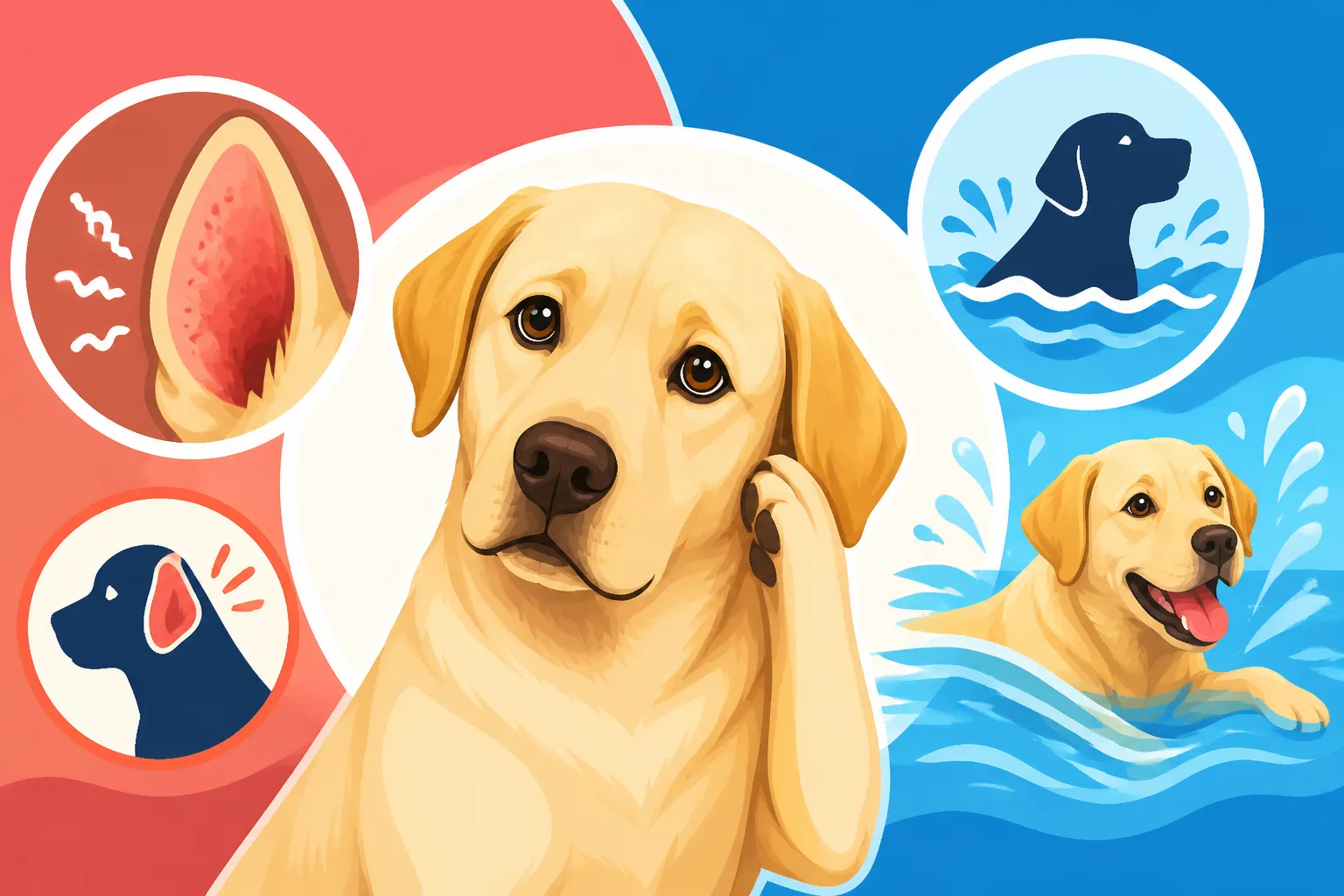
Labrador Ear Infections and Swimming
It's a familiar scene for many of us Labrador parents: you take your water-loving companion to the lake, they have the time of their life splashing and retrieving, only for them to start scratching and shaking their head incessantly a day or two later. Few things make a Labrador happier than a dip, but that joy often comes with the miserable aftermath of an ear infection. The constant scratching, head shaking, and that tell-tale odor are a nightmare for both you and your furry friend. This comprehensive guide will explore exactly why our water-loving Labs are so prone to these uncomfortable issues, and more importantly, how you can prevent, identify, and effectively treat them so your pup can keep enjoying their swims without the painful consequences.
The Unique Anatomy of a Labrador Ear and Its Infection Risks
Our beloved Labradors are practically born with an affinity for water, a trait deeply ingrained from their ancestors who worked alongside fishermen. But this wonderful attribute comes with a design flaw, at least where their ears are concerned. The very structure that defines a Labrador's handsome head also makes them a prime candidate for uncomfortable, recurring ear infections. Understanding this anatomy is the first step toward prevention.
The Floppy Ear Design and Airflow Challenges
Take a good look at your Labrador's ears. They're typically soft, pendulous, and hang down, covering the ear canal opening. This "floppy" design, while endearing, is one of the primary reasons they're so susceptible to infections. Unlike dogs with upright, pricked ears where air can circulate freely, a Labrador's ear flap creates a warm, dark, and often moist environment underneath. This lack of ventilation means any moisture that gets in has a hard time escaping.
Imagine wearing a hat that completely covers your ears, never taking it off. That's a bit like what a Labrador experiences. This enclosed space isn't just about moisture; it also means that debris, allergens, or even normal skin cells that shed don't easily fall out. Instead, they can accumulate, creating a breeding ground for opportunistic bacteria and yeast that thrive in such conditions. This natural predisposition is something we, as responsible owners, need to be constantly mindful of, especially if our Lab spends a lot of time doing what they love best.
The Ear Canal's Structure and Moisture Trapping
Beyond the external flap, the internal structure of a Labrador's ear canal is also a major contributing factor to infection risk. A dog's ear canal isn't a straight shot like a human's. Instead, it forms an "L" shape, with a vertical canal extending downwards and then bending sharply to become a horizontal canal, leading to the eardrum. This acute angle is fantastic for protecting the delicate eardrum from external trauma, but it's terrible for drainage.
When water, dirt, or debris enters the ear, it can easily get trapped at the bottom of that "L" bend, especially when your Labrador is swimming. Gravity, which helps clear a straight canal, actually works against them here. Once trapped, that moisture, combined with the warmth of their body, turns the ear canal into a veritable petri dish. It's the perfect environment for bacteria and yeast, which are naturally present on the skin, to multiply rapidly and cause an infection. This labyrinthine design means that even if you dry the outer ear, the inner canal can remain damp for a long time, silently brewing trouble.
Why Swimming is a Major Culprit for Ear Infections
For a Labrador, swimming isn't just exercise; it's a fundamental part of their being. Their webbed feet, otter tails, and dense, water-repellent double coats are all testaments to their aquatic heritage. However, this innate love for water is a double-edged sword when it comes to ear health. While the exercise is fantastic for preventing Labrador Obesity and the Years It Costs and improving their overall How Long Labrador Retrievers Live on Average, frequent swimming is often the direct trigger for those dreaded ear infections.
Water Trapping and Bacterial Growth
The most straightforward reason swimming leads to ear infections is the simplest: water gets trapped. As your Labrador dives, shakes, and splashes, water inevitably enters their ear canals. Given the L-shaped structure we just discussed, that water often doesn't just run out. Instead, it gets comfortably nestled deep within the canal, creating the ideal damp, warm conditions for pathogens to proliferate. Bacteria and yeast, which are normally kept in check by a healthy, dry ear environment, suddenly find themselves in a lush, humid paradise where they can multiply without restraint.
This isn't just about plain tap water either. Even a dip in a perfectly clean, chlorinated swimming pool can be problematic. While chlorine might kill some bacteria, it can also irritate the delicate skin lining the ear canal, making it more vulnerable to infection. Furthermore, chlorine strips natural oils, potentially drying out the skin and leading to micro-fissures where bacteria can take hold once the ear dries (or doesn't dry) afterwards. The longer the ears remain wet after a swim, the higher the risk of an infection taking root.
Irritants in Natural Water Sources
Beyond just the water itself, the specific environment your Labrador swims in plays a huge role. Natural bodies of water like lakes, ponds, rivers, and even the ocean can harbor a host of irritants and microorganisms that are far more insidious than simple tap water. Think about it: these waters contain anything from algae, pollen, and microscopic parasites to bacteria like Pseudomonas or E. coli that are certainly not welcome guests in your dog's ear canal.
When your Labrador is enthusiastically retrieving a bumper from a murky pond, they're not just getting wet; they're inviting a cocktail of potential irritants and infectious agents directly into their ears. These foreign bodies can cause inflammation, provide food sources for bacteria, or simply overwhelm the ear's natural defenses. Even seemingly clean streams can carry microscopic debris. Saltwater, while perhaps less prone to harboring some bacteria, can still be very irritating, causing dryness and inflammation that compromises the ear's protective barrier, similar to how chlorine works. This is why vigilance after any water exposure is absolutely critical.
The Role of Allergies in Compounding Risk
It's not always just about the water. Sometimes, a Labrador's underlying health issues can significantly compound their risk of ear infections, making swimming merely the final trigger. Allergies are a massive player here. Many Labradors suffer from environmental allergies (atopy) or food allergies, which often manifest as itchy skin and, you guessed it, itchy ears. We've talked extensively about Hot Spots and Allergies in Labradors in the past, and ear infections are often a direct symptom.
When a Labrador has allergies, the skin lining their ear canals can become inflamed, itchy, and thickened even before they hit the water. This inflamed tissue is less resilient and provides a more hospitable environment for yeast and bacteria to take hold. Swimming then adds moisture, which acts like gasoline on an already smoldering fire. The combination of an irritated, allergic ear and dampness from swimming is a perfect storm for a full-blown infection. For these Labs, managing their allergies is paramount to breaking the cycle of recurrent ear infections, regardless of how much they swim.
Recognizing the Signs of a Labrador Ear Infection
Our Labradors are famously stoic, often hiding discomfort until it becomes severe. This makes it crucial for us, their attentive guardians, to be hyper-aware of subtle changes that might signal an ear infection is brewing. Catching these issues early can prevent them from becoming more painful, harder to treat, and potentially leading to more serious conditions.
Visual and Olfactory Cues
The easiest way to start detecting an ear infection is by simply looking and smelling. A healthy Labrador ear should be clean, pale pink, and free of any strong odor. When an infection takes hold, things change. You might notice redness and swelling, particularly on the inner flap of the ear and down into the canal opening. There could be discharge, which can vary in color and consistency—it might be yellow, brown, or even black, and range from waxy to pus-like.
Perhaps the most telling sign, and often the one that prompts owners to investigate, is the smell. An infected ear will often emit a distinct, unpleasant odor. Yeast infections, common in damp Labrador ears, tend to smell sweet and yeasty, like old bread or corn chips. Bacterial infections can have a stronger, more pungent, or foul odor. Don't ignore these sensory clues; your nose can be a powerful diagnostic tool! Regularly lifting your Labrador's ear flap for a quick inspection and sniff, especially after swims, should become part of your routine.
Behavioral Changes to Watch For
Beyond the obvious visual and olfactory signs, your Labrador will likely tell you they're uncomfortable through their behavior. While Labradors are known for being tough, persistent ear pain is hard to ignore. The most common behavioral change is excessive scratching at the affected ear, often with a hind paw. You might also see them frequently shaking their head, sometimes violently, as if trying to dislodge something. Some Labs will rub their ear along furniture, the carpet, or even against your leg, seeking relief.
Other signs can be more subtle. You might notice your Labrador tilting their head to one side, or seeming sensitive when you try to pet their head or neck. They might even whine or cry out if you accidentally touch the painful ear. Some dogs become withdrawn, less enthusiastic about play or walks, or even show signs of aggression if they're in severe pain. Eating can become difficult if jaw movement causes discomfort. If you see your usually happy-go-lucky Lab exhibiting any of these behaviors, especially after a swim, it's a strong indicator that an ear infection could be at play, and it’s time to intervene. Remember, Reading Pain in a Stoic Labrador is a skill every owner needs.
Preventing Ear Infections in Water-Loving Labradors
The good news is that with proactive care, you can significantly reduce the chances of your Labrador developing ear infections, even if they're frequent swimmers. Prevention is always better than cure, and establishing a consistent routine can save both you and your dog a lot of discomfort and vet bills.
Post-Swim Ear Care Routine
This is arguably the most critical step for any water-loving Labrador. Every single time your Labrador goes for a swim, their ears need attention afterward. Don't wait until the next day; address it as soon as they're done splashing. The goal is to dry out the ear canal as much as possible and restore a healthy, less hospitable environment for bacteria and yeast.
Start by gently wiping the outer ear flap and the visible part of the ear canal with a soft cloth or cotton ball. Don't use cotton swabs (Q-tips) beyond the parts you can see, as you risk pushing debris further into the L-shaped canal or damaging the eardrum. Follow this with a vet-approved ear cleaning solution designed for dogs. These solutions typically contain drying agents (like salicylic acid or boric acid) and often antimicrobial ingredients. Apply the solution as directed by your vet, usually a few drops into each ear, then gently massage the base of the ear for about 30 seconds to help distribute the liquid and dislodge any debris. Let your dog shake their head naturally, then wipe away any excess solution and gunk that comes to the surface. Doing this diligently after every swim can make a world of difference.
Regular Maintenance and Cleaning
Even if your Labrador isn't a frequent swimmer, regular ear maintenance is essential. Their floppy ears still create that enclosed, humid environment. Aim to check and clean your Labrador's ears at least once a week, or more often if they have a history of infections or you notice them shaking their head more than usual. This routine cleaning helps to remove wax buildup, dirt, and any potential allergens before they can cause problems.
Using a good quality, gentle ear cleaner is key. Your veterinarian can recommend specific products that are safe and effective for routine use. Be consistent, and make it a positive experience with treats and praise, so your Labrador associates ear cleaning with good things. This regular care not only helps prevent infections but also familiarizes you with what a healthy ear looks like and smells like, making it easier to spot the early warning signs if something does start to go wrong. Remember that good hygiene contributes significantly to their overall well-being, much like how important it is to keep up with Labrador Dental Disease and Tartar prevention.
Here's a quick guide for regular ear cleaning:
| Step | Description | Frequency |
|---|---|---|
| Gather Supplies | Cotton balls, vet-approved ear cleaner (drying and antiseptic properties), treats, a towel. | Before each cleaning |
| Inspect the Ear | Gently lift the ear flap. Look for redness, swelling, discharge, or any unusual odors. | Weekly, and after every swim |
| Apply Cleaner | Squirt the recommended amount of ear cleaning solution directly into the ear canal. Don't be shy; you need enough to fill the canal. | Weekly, or as advised by your vet |
| Massage the Ear Base | Gently massage the base of the ear for 20-30 seconds. You should hear a squishing sound, indicating the solution is working. | During each cleaning |
| Allow Head Shake | Step back and let your Labrador shake their head vigorously. This helps dislodge debris and bring it to the surface. | After massaging |
| Wipe Away Debris | Use a fresh cotton ball or clean towel to gently wipe away any visible wax, dirt, or solution from the outer ear and visible canal. | After head shake |
| Reward and Praise | Finish with a treat and lots of praise to make the experience positive. | After cleaning is complete |
Dietary Considerations and Allergy Management
For Labradors with recurrent ear infections, especially those that aren't exclusively linked to swimming, diet and allergy management become incredibly important. Many chronic ear problems are not just about moisture; they are often a symptom of underlying allergies, whether environmental or food-related. If your Lab suffers from frequent ear infections, it’s worth discussing with your vet whether a dietary change or allergy testing is appropriate.
A vet might suggest an elimination diet to rule out food allergies. This involves feeding a novel protein or hydrolyzed protein diet for several weeks to see if symptoms improve. For environmental allergies, managing them often involves a multi-modal approach, including medications, allergy shots (immunotherapy), or supplements that support skin barrier health, like omega-3 fatty acids. Addressing the root cause of inflammation and itchiness can dramatically reduce the frequency and severity of ear infections. Companies like Healthy Paws offer pet insurance plans that can help cover the ongoing diagnostic and treatment costs associated with chronic conditions like allergies, making comprehensive care more accessible for many families.
When to Seek Veterinary Care and Treatment Options
Even with the best preventive care, ear infections can still happen. Knowing when to stop trying home remedies and head straight to the vet is crucial. Delaying professional treatment can lead to more severe infections, damage to the eardrum, or chronic issues that are much harder to resolve.
Diagnostic Procedures at the Vet
When you bring your Labrador in for an ear infection, your veterinarian will perform a thorough examination. This usually starts with a visual inspection of the outer ear and ear canal using an otoscope, a specialized tool that allows them to look deep inside the ear. They'll be checking for redness, swelling, discharge, foreign bodies, and importantly, assessing the condition of the eardrum. They might find grass awns, excessive wax, or even polyps.
Next, they'll typically take a swab of the discharge from the affected ear. This sample is then examined under a microscope (cytology) to identify the type of organisms present—whether it's yeast, different types of bacteria, or mites. Knowing the specific culprit is vital because it dictates the most effective treatment. Sometimes, if the infection is severe, chronic, or not responding to initial treatment, a culture and sensitivity test might be recommended. This test grows the bacteria in a lab and determines which antibiotics will be most effective against it, ensuring targeted and efficient treatment. This detailed diagnostic approach is often necessary, and can be a significant expense, but thankfully pet insurance from providers like Healthy Paws can help manage these costs.
Medical and Surgical Interventions
Once the diagnosis is made, your vet will prescribe the appropriate treatment. For most ear infections, this involves a combination of ear cleaners and medicated ear drops or ointments. These medications often contain a mix of antibiotics (for bacterial infections), antifungals (for yeast infections), and anti-inflammatory steroids to reduce pain and swelling. It's incredibly important to follow your vet's instructions precisely, administering the medication for the full prescribed duration, even if the ear seems to improve quickly. Stopping early is a common reason for recurrence.
In cases of severe, chronic, or unresponsive ear infections, oral antibiotics or anti-inflammatory medications might also be prescribed. For very severe or chronic cases, especially those with significant anatomical changes, polyps, or tumors, surgery might be considered. Procedures can range from a Total Ear Canal Ablation (TECA), which removes the entire ear canal, to less invasive cleanings under sedation. These surgical options are typically a last resort but can offer immense relief for a dog suffering from debilitating, recurrent infections.
The Importance of Following Through with Treatment
It’s easy to feel disheartened when your Labrador gets another ear infection, especially if it’s a recurring problem. But one of the biggest mistakes owners make is not completing the full course of treatment. Ear infections often seem to improve rapidly within a few days of starting medication, leading owners to believe the problem is solved and stop administering drops. This is a recipe for disaster.
When you stop treatment prematurely, you kill off the weakest bacteria or yeast, but the stronger, more resilient ones survive. These survivors then multiply, often returning with a vengeance and developing resistance to the medication that was previously working. This makes the next infection harder to treat and can lead to a cycle of chronic ear issues. Always finish the entire course of medication as prescribed by your vet, and schedule follow-up appointments to ensure the infection is truly cleared. Your vet may even want to re-check the ear with an otoscope and re-swab for cytology to confirm eradication. This diligent follow-through is crucial for your Labrador's comfort and long-term ear health, helping to prevent the need for more intensive treatments down the line.
Long-Term Management and Avoiding Recurrence
Dealing with a Labrador's ear infections can feel like an endless battle, especially if they become chronic. However, with a dedicated approach to long-term management and by addressing any underlying issues, you can significantly improve your dog's quality of life and reduce the frequency of flare-ups. This isn't just about treating infections; it's about understanding the big picture of your Labrador's health.
Chronic Ear Issues and Underlying Causes
If your Labrador experiences recurrent ear infections, it's a strong indicator that there's an underlying cause beyond just simple moisture from swimming. As we discussed, allergies (environmental or food) are by far the most common culprits. Other less common but important underlying conditions include hypothyroidism, autoimmune diseases, or even anatomical abnormalities that make the ear canal particularly prone to trapping debris. Simply treating each infection as it arises without investigating the root cause is like patching a leaky roof without fixing the hole – the problem will keep coming back.
Working closely with your veterinarian is paramount here. They might recommend further diagnostics such as allergy testing (blood tests or intradermal skin tests), a thyroid panel, or even a referral to a veterinary dermatologist. Identifying and managing these primary conditions is the key to breaking the cycle of chronic ear infections. This might mean specialized prescription diets, long-term allergy medications, or daily supplements. Pet insurance plans, such as those offered by Healthy Paws, can be invaluable for covering the costs of these ongoing diagnostic tests and managing chronic conditions, which can accumulate significantly over time. Understanding Which Labrador Conditions Show Up Most at the Vet often highlights chronic issues like ear infections and allergies.
Lifestyle Adjustments for Sensitive Ears
Beyond medical interventions, there are practical lifestyle adjustments that can significantly benefit Labradors with sensitive or infection-prone ears. If swimming is a major trigger, you don't necessarily have to ban your Lab from the water, but you might need to modify their exposure. Choose cleaner water sources when possible, and be extra diligent with post-swim ear drying and cleaning. Some owners even use protective ear covers or balms designed for dogs when swimming, though results can vary.
Consider the environment your Labrador spends time in. Are they often in dusty areas, or around pollen-heavy plants if they have environmental allergies? Regular grooming, including trimming hair around the ear canal opening (if applicable, though less common for Labs) can also help improve airflow. Even simple things like ensuring their bedding is clean and dry can make a difference. These small, consistent changes, combined with a comprehensive veterinary plan, can help transform your Labrador's ear health, allowing them to lead a much more comfortable and joyful life. Maintaining a healthy lifestyle is critical for their overall well-being, from Labrador Puppy Health in the First Year all the way through their senior years.
Disclaimer
The information provided in this article is for general informational purposes only and is not a substitute for professional veterinary advice. Always consult with a qualified veterinarian for any health concerns or before making any decisions related to your Labrador's health and treatment.