When to Spay or Neuter a Labrador
The decision of when to spay or neuter your beloved Labrador Retriever can feel like walking a tightrope. On one side, you have traditional advice that often pushed for early sterilization, and on the other, a growing body of research suggesting that waiting might be better for your large breed dog. It's a confusing landscape, and many Labrador owners feel overwhelmed by conflicting information, worried they'll make the wrong choice for their furry family member. This guide aims to cut through the noise, offering a deep dive into the factors influencing this critical decision for your Labrador.
The Modern Dilemma: Shifting Advice on Spaying and Neutering
For decades, the standard recommendation from veterinarians was to spay or neuter puppies around six months of age. This advice was largely driven by a desire to prevent unwanted pregnancies, reduce the risk of certain cancers, and curb problematic behaviors. However, as our understanding of canine physiology and long-term health implications has evolved, that conventional wisdom is being re-evaluated, especially for larger breeds like Labradors.
The Traditional Approach and Why It's Changing
In the past, the message was clear and often echoed: "get it done early." This was seen as a responsible pet ownership practice, primarily to control pet overpopulation in shelters. Many veterinarians still recommend early spay/neuter, especially for smaller breeds or in situations where preventing accidental litters is paramount. The perceived benefits included preventing mammary tumors in females and testicular cancer in males, as well as reducing roaming and marking behaviors.
However, over the last 15-20 years, extensive research, particularly studies focusing on large and giant breeds, has started to paint a more nuanced picture. These studies began to highlight potential correlations between early sterilization and increased risks for certain orthopedic problems and some types of cancer. The traditional "fix them young" advice didn't fully account for the crucial role that sex hormones play in the development of a dog's musculoskeletal system and overall health. This shift isn't about saying early spay/neuter is bad, but rather that it's a decision with trade-offs that need to be carefully considered for each individual dog, especially one as prone to joint issues as a Labrador.
Understanding the Hormonal Role
Think of a young Labrador puppy's body as a growing construction project. Sex hormones, specifically estrogen and testosterone, are like the lead architects, overseeing the proper development and closure of growth plates in bones. These growth plates are areas of cartilage at the ends of long bones in puppies and adolescents where new bone is produced, allowing the bones to lengthen. When a dog reaches maturity, these growth plates "close" and harden into solid bone.
Studies indicate that removing the ovaries or testes before these growth plates have naturally closed can delay or even prevent their proper closure. This can lead to bones growing longer than they otherwise would, potentially altering joint angles and increasing stress on ligaments and cartilage. For a large, active breed like a Labrador, whose joints already bear a significant load and are predisposed to issues like Labrador Hip and Elbow Dysplasia, this can have serious long-term consequences. It's not just about bone length; these hormones also influence muscle mass, bone density, and ligament strength, all crucial for a Labrador's athletic build and longevity.
Health Implications of Early Versus Late Sterilization
The decision of when to spay or neuter has far-reaching consequences for your Labrador's health, impacting everything from their joints to their susceptibility to certain diseases. It's a complex balance, where preventing one health problem might inadvertently increase the risk of another.
Orthopedic Concerns
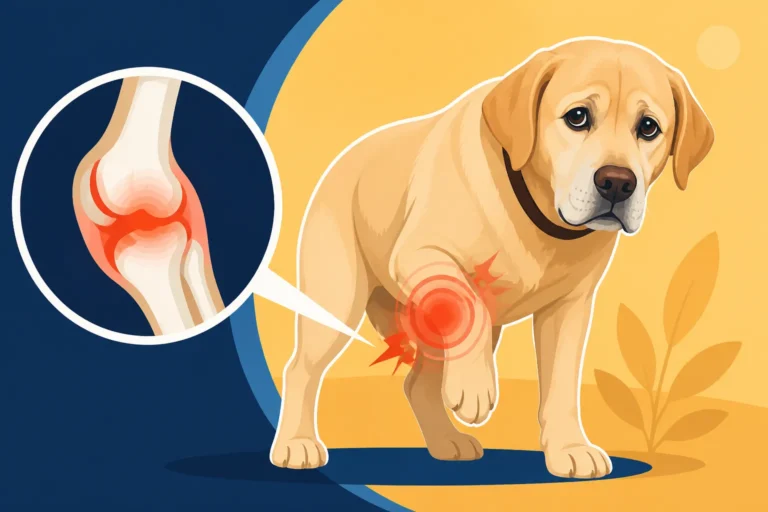
This is arguably one of the most significant areas of concern for Labrador owners. Several large-scale studies have indicated a link between early spay/neuter (before 12-18 months of age) and an increased incidence of orthopedic problems in large breeds.
- Hip and Elbow Dysplasia: Labradors are notoriously prone to these debilitating conditions. Research suggests that the absence of sex hormones during crucial growth periods can affect the development of healthy joints. While genetics are a primary factor, early sterilization may exacerbate the expression of these conditions or contribute to their severity. Hormones play a role in bone density and joint laxity, and disrupting this natural process before maturity can result in less stable joints.
- Cranial Cruciate Ligament (CCL) Tears: These knee injuries are also distressingly common in Labradors. The CCL is a vital ligament in the stifle (knee) joint, and its rupture often requires expensive and invasive surgery, like TPLO. Studies have shown that dogs sterilized early have a significantly higher risk of developing CCL tears. The altered bone growth and potential changes in joint angles due to delayed growth plate closure are thought to contribute to this increased vulnerability, placing undue stress on the ligaments. Understanding Cruciate Ligament Tears in Labradors is vital for owners making this decision.
Cancer Risks and Hormonal Impact
The relationship between sterilization timing and cancer risk is a double-edged sword. While early spay/neuter can significantly reduce the risk of certain cancers, it might increase the risk of others.
- Reduced Risks:
- Mammary Tumors (Females): Spaying a female Labrador before her first heat cycle dramatically reduces her risk of developing mammary tumors, which can often be malignant. The risk continues to be significantly lower if she is spayed before her second heat cycle. This is a powerful argument for early spaying, especially since mammary cancer is quite common in intact female dogs.
- Testicular Cancer (Males): Neutering a male dog eliminates the risk of testicular cancer entirely, as the testes are removed. This cancer is less common than mammary tumors but still a concern for intact older males.
- Increased Risks:
- Osteosarcoma (Bone Cancer): Some studies have suggested a correlation between early sterilization and an increased risk of osteosarcoma, a highly aggressive bone cancer more commonly seen in large and giant breeds. The exact mechanism isn't fully understood, but it might be related to the prolonged growth of bones without the influence of sex hormones. For more on this, you might want to read about Cancers Labrador Retrievers Get Most.
- Hemangiosarcoma: This aggressive cancer, affecting blood vessels, has also been linked in some studies to early sterilization in both sexes, though the data is less consistent than for osteosarcoma.
- Prostate Cancer (Males): While neutering prevents benign prostatic hyperplasia (an enlarged prostate), some research suggests that neutered males might have a slightly increased risk of prostate cancer, though this is a relatively rare cancer in dogs compared to humans.
It's a tricky balance, and the exact interplay of hormones, genetics, and environmental factors is still being actively researched.
Other Health Considerations
Beyond joints and cancer, sterilization timing can influence several other aspects of a Labrador's well-being.
- Urinary Incontinence (Females): Spaying, particularly at a young age, can increase the risk of urinary incontinence in female Labradors. This condition, where a dog leaks urine involuntarily, is often manageable with medication but can be a nuisance for owners and uncomfortable for the dog. The absence of estrogen is believed to weaken the urethral sphincter muscle.
- Obesity: Sterilized dogs, both male and female, tend to have a lower metabolic rate and an increased appetite, making them more prone to weight gain. This is a significant concern for Labradors, who are already predisposed to putting on weight easily due to their genetics (many carry the POMC gene deletion that makes them feel perpetually hungry). Labrador Obesity and the Years It Costs is a serious issue that owners must actively manage. While neutering itself doesn't cause obesity, it changes a dog's metabolism, requiring owners to be more diligent with diet and exercise.
- Hypothyroidism: Some studies have suggested a potential link between sterilization and an increased risk of hypothyroidism, a condition where the thyroid gland doesn't produce enough hormones. However, the evidence here is also less conclusive and more research is needed.
- Cognitive Dysfunction: There's emerging research suggesting that retaining sex hormones for longer may be protective against cognitive decline in older dogs, though this area requires further study to draw definitive conclusions.
Behavioral Aspects: Does Timing Matter for Temperament?
Beyond the purely physical health, many owners also consider the impact of spay/neuter timing on their Labrador's behavior and temperament. The anecdotal evidence is plentiful, but what does the science say?
Aggression and Fear
The common belief used to be that neutering a male dog would reduce aggression, particularly towards other males, and that spaying a female would calm her down. While this can be true in some specific cases, the relationship is more complex than a simple cause-and-effect.
- Male Aggression: For male Labradors, neutering can sometimes reduce hormone-driven behaviors like roaming, marking, and inter-male aggression, especially if these behaviors are directly linked to the presence of testosterone and start around puberty. However, if aggression stems from fear, poor socialization, or learned behaviors, neutering is unlikely to resolve it and might even worsen fear-based aggression in some individuals by removing confidence-boosting hormones.
- Fear and Reactivity: Some research indicates that early spay/neuter might increase the likelihood of fear-based behaviors, anxiety, and reactivity in certain dogs, particularly females. Hormones are known to play a role in brain development and emotional regulation, and their early removal could potentially impact a dog's ability to cope with stress or novel situations. For a breed generally known for its friendly demeanor, this is an important consideration.
Hyperactivity and Training
Many owners hope that spaying or neutering will "calm down" their energetic Labrador puppy. While it might reduce certain hormone-driven excitable behaviors (like intense sniffing during walks for an intact male), it's not a magic bullet for puppy energy.
- Puppy Energy Levels: A Labrador puppy is naturally energetic and boisterous. Their energy levels are more a factor of age, breed, and individual temperament than the presence or absence of sex hormones. While the extreme "zoomies" of adolescence might be less hormone-fueled, the underlying drive to play and explore remains. Don't expect a spay/neuter surgery to transform a high-energy adolescent into a couch potato; consistent training and appropriate exercise are far more effective for managing a Labrador's youthful exuberance.
- Trainability: Labradors are generally highly trainable dogs, known for their eagerness to please. There's little scientific evidence to suggest that spay/neuter timing significantly impacts their inherent trainability. What does impact it is the owner's commitment to consistent positive reinforcement training. However, if a dog becomes more fearful or anxious post-surgery, this could indirectly affect their ability to learn and perform in training environments. For owners concerned about training a high-energy dog, remember that Short Training Sessions That Suit a Labrador are often more effective than long, drawn-out ones, regardless of spay/neuter status.
The Unique Considerations for Labrador Retrievers
Labradors aren't just any dog; they are a distinct breed with specific genetic predispositions and developmental timelines. This means that general spay/neuter advice might not apply universally and needs to be tailored to their unique needs.
Large Breed Growth Plate Closure
As a large breed, Labradors mature slower than smaller dogs. Their growth plates, those crucial areas of cartilage at the ends of their long bones, typically don't fully close until they are between 12 and 18 months of age, sometimes even later for very large males.
- Impact on Joint Health: The prevailing wisdom now for large breeds like Labradors is to wait until these growth plates have naturally closed before spaying or neutering. This allows the sex hormones to finish their critical role in skeletal development, theoretically leading to stronger, more stable joints and a reduced risk of orthopedic issues such as hip dysplasia and CCL tears. Interrupting this process prematurely could leave them with weaker bone structure and compromised joint integrity. For more details, consider reading about When a Labrador's Growth Plates Close.
- Consulting a Vet: It's absolutely crucial to discuss this with your veterinarian, who can assess your individual Labrador's growth and development. They may recommend radiographs to confirm growth plate closure before proceeding with surgery, especially if you're aiming for optimal joint health.
Gender-Specific Differences in Risk
While the general principle of waiting for maturity applies to both sexes, there are some specific differences in health outcomes between male and female Labradors related to spay/neuter timing.
- Female Labradors:
- Mammary Tumors vs. Orthopedic Issues: For females, the decision often boils down to weighing the reduced risk of mammary cancer (significant if spayed early) against the increased risk of orthopedic problems and urinary incontinence (higher if spayed early). If you are confident you can prevent accidental pregnancies and manage heat cycles, waiting until 12-18 months or even after a first heat (but before a second, for mammary tumor prevention) is a common compromise. This is a point of contention and requires careful thought. Learn more about When to Spay a Female Labrador Retriever to guide your decision.
- Male Labradors:
- Joint Health and Behavior: For male Labradors, the primary health concern with early neutering is the increased risk of orthopedic issues and some cancers (like osteosarcoma). Behavioral issues like roaming, marking, or inter-male aggression can sometimes be reduced by neutering, but waiting until full maturity (18-24 months for some males) allows for complete physical development. However, some owners find the intact male behaviors challenging to manage. If you're weighing the options for your male Lab, you might find more specific guidance in Neutering a Male Labrador and Joint Risk.
Ultimately, the best timing is a careful consideration of these gender-specific risks and benefits, alongside your lifestyle and ability to manage an intact dog.
Navigating the Decision: What's Right for Your Labrador?
Given all the intricate details and sometimes conflicting information, making the right choice for your Labrador can feel daunting. There's no one-size-fits-all answer, and what works for one family and their Lab might not be ideal for another. It truly comes down to understanding the variables and making an informed decision that aligns with your specific circumstances.
Factors to Consider Beyond Health
While health is paramount, several practical and lifestyle factors also play a significant role in this decision.
- Your Lifestyle and Management Capabilities: Can you confidently manage an intact female through her heat cycles, preventing accidental pregnancies? This means strict leash walks, no off-leash park visits during heat, and secure containment. For males, are you prepared for potential roaming, marking, or increased attention from intact females? An intact male often still needs to be contained securely, and some develop an intense drive to find females in heat. If your lifestyle makes managing these aspects challenging, or if you live in a multi-dog household with intact dogs of different sexes, these practicalities might push you towards earlier sterilization, even with potential health trade-offs.
- Household Environment: Do you have young children or other pets? While Labradors are generally wonderful family dogs, the hormonal fluctuations of an intact dog can sometimes lead to minor behavioral shifts. If you have another intact dog, particularly of the opposite sex, managing intact animals can be a full-time job focused on preventing unwanted pregnancies.
- Activity Level: If your Labrador is destined for high-impact activities like agility, dock diving, or field work, allowing full growth plate closure might be prioritized to minimize joint injury risk. For a less active companion, the orthopedic risks might be slightly less prominent, though still present.
- Ethical and Personal Beliefs: Some owners feel strongly about allowing their dogs to mature naturally with their hormones, viewing it as more aligned with their biological integrity. Others prioritize the prevention of mammary tumors or feel that sterilization contributes to responsible pet ownership by preventing unplanned litters. There's no right or wrong here, but your personal values will influence your comfort level with different options.
Consulting Your Veterinarian and Breeder
When you're sifting through all this information, remember that your primary sources of personalized advice are your veterinarian and, if applicable, your breeder. They know your dog's lineage, individual health, and the local health landscape.
- Your Veterinarian: They are your most valuable resource. Discuss all the pros and cons, sharing your lifestyle and concerns openly. A good vet will be up-to-date on the latest research for large breeds and can help you create a personalized plan for your Labrador. They might suggest specific timing based on your dog's growth and health history. Don't be afraid to ask for their reasoning and any studies they might reference. They can also explain the procedural aspects, including potential costs, which is where having pet insurance like Healthy Paws can truly offer peace of mind, covering complications should they arise.
- Your Breeder: A reputable Labrador breeder will have a deep understanding of the breed's health issues, particularly in their own lines. They can offer insights into the health history of your puppy's parents and grandparents, including any tendencies towards hip or elbow dysplasia, or specific cancers. Many breeders will have specific clauses in their contracts regarding spay/neuter timing, often recommending waiting until 18-24 months for joint development. They are invested in the long-term health of their puppies and can provide invaluable guidance. Always ensure your breeder has performed Health Clearances a Labrador Breeder Must Show for their breeding stock, as this forms the foundation for your puppy's future health.
Here's a table summarizing some key considerations for your Labrador:
| Feature/Risk | Early Sterilization (<12 months) | Late Sterilization (>12-18 months) |
|---|---|---|
| Orthopedic Issues (Dysplasia, CCL Tears) | Potentially increased risk (due to delayed growth plate closure) | Potentially reduced risk (hormones allow full skeletal maturity) |
| Mammary Tumors (Females) | Significantly reduced risk (especially before 1st/2nd heat) | Higher risk (with each heat cycle the risk increases) |
| Testicular Cancer (Males) | Eliminated | Risk remains for intact males (especially older) |
| Osteosarcoma (Bone Cancer) | Some studies suggest a potentially increased risk | Potentially reduced risk (more research needed) |
| Urinary Incontinence (Females) | Potentially increased risk | Potentially reduced risk |
| Obesity Risk | Increased metabolic changes often lead to easier weight gain | Increased metabolic changes can still occur, but onset may vary |
| Behavior (Fear/Aggression) | Some studies suggest increased fear-based behaviors or reactivity | May maintain natural temperament, but intact behaviors possible |
| Behavior (Roaming/Marking – Males) | Reduced or eliminated | May persist, requiring vigilant management |
| Growth Plate Closure | May lead to delayed closure, affecting bone length and joint angles | Allows for natural, complete closure and skeletal development |
| Heat Cycles (Females) | Eliminated | Requires management (mess, attracting males, accidental pregnancy) |
| Recovery Time | Generally quicker for younger, smaller dogs | May be slightly longer/more involved for larger, mature dogs |
Remember, this table provides generalizations, and individual results can vary widely. The journey of pet ownership is filled with decisions, and choosing when to spay or neuter your Labrador is one of the most significant. By arming yourself with knowledge, openly discussing your concerns with your vet, and considering your unique circumstances, you can make the best choice for your beloved companion. Organizations like Healthy Paws offer pet insurance plans that can help cover unexpected veterinary costs, regardless of the choices you make around spay/neuter timing, providing a valuable safety net for your Labrador's health.
Disclaimer
Please note that the information provided in this article is for educational purposes only and should not be considered a substitute for professional veterinary advice. Every Labrador is an individual, and health decisions should always be made in consultation with a qualified veterinarian who can assess your dog's specific needs, health history, and local environmental factors.