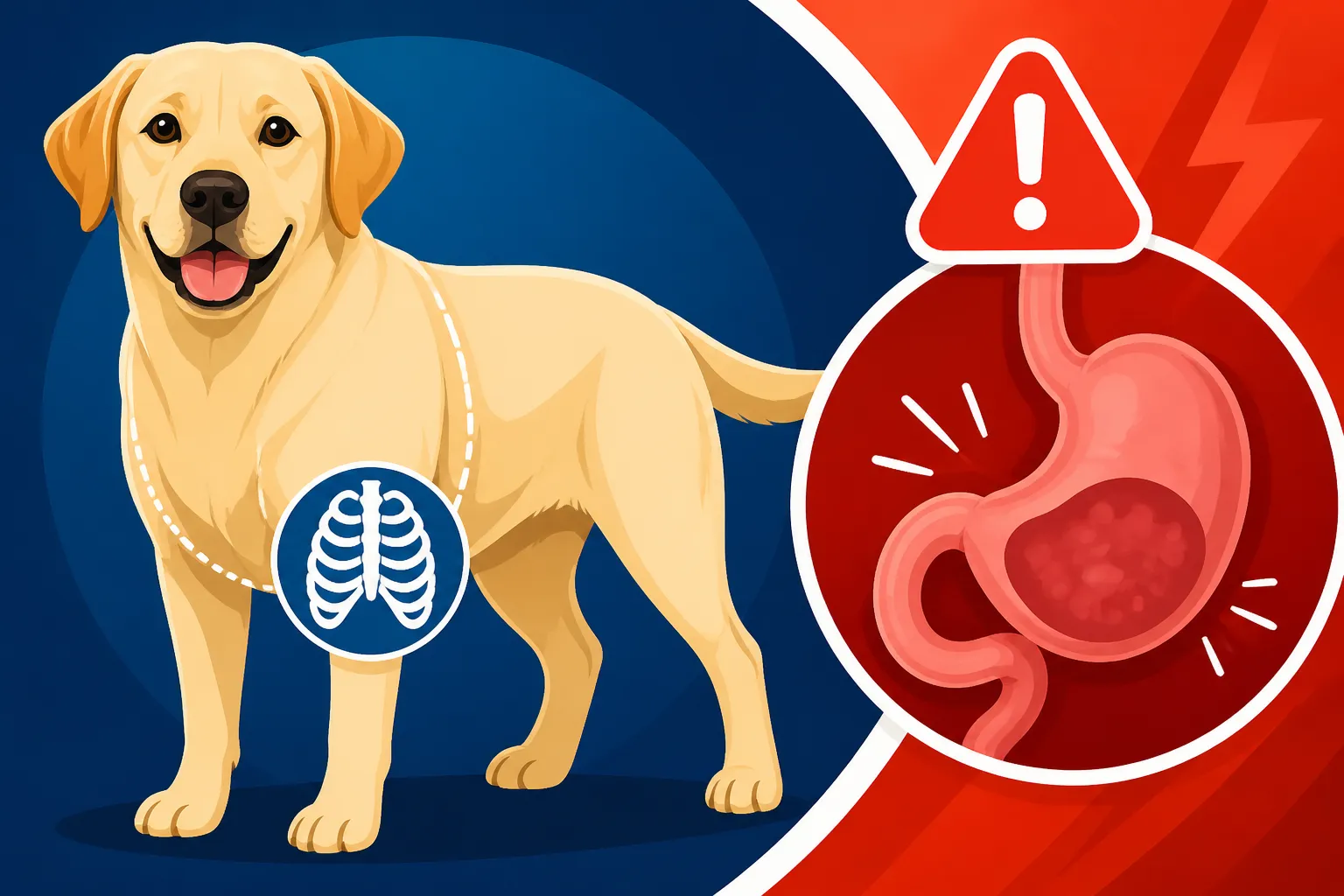
Labrador Bloat Risk and Deep Chests
It's every Labrador owner's worst nightmare: seeing your typically boisterous, happy dog suddenly restless, attempting to vomit unsuccessfully, and with a distended abdomen. This terrifying scenario describes bloat, or Gastric Dilatation-Volvulus (GDV), a life-threatening condition that deep-chested breeds like our beloved Labradors are particularly susceptible to. This guide will walk you through understanding what makes Labradors so vulnerable, how to recognize the urgent signs, and what steps you can take to protect your furry family member from this silent killer.
Understanding Gastric Dilatation-Volvulus (GDV) in Labradors
Bloat is a complex and devastating condition that can progress with alarming speed. It's not just a "full stomach"; it involves a critical, potentially fatal, sequence of events within your dog's abdomen. For us Labrador parents, understanding these mechanics is the first step toward prevention and swift action.
What Happens During a Bloat Episode
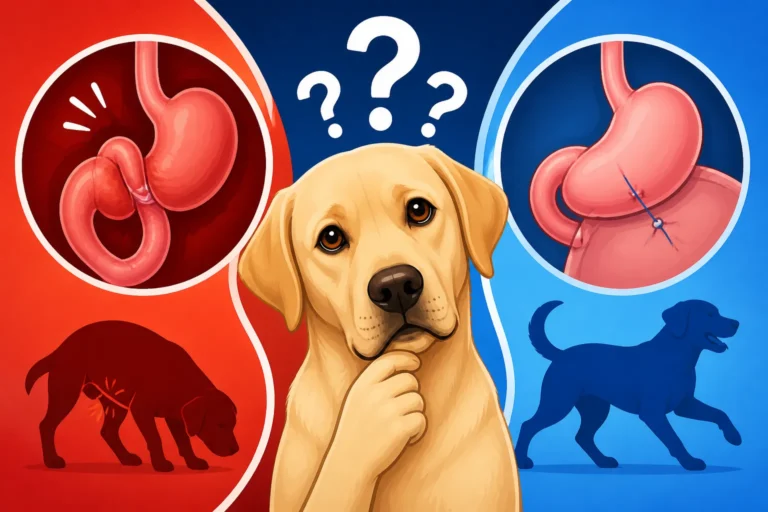
Imagine your Labrador's stomach, usually a flexible, pear-shaped organ. In a bloat episode, it first fills rapidly with gas, fluid, or food – this is the "dilatation" part. The stomach expands dramatically, putting immense pressure on other organs and restricting blood flow. This initial distension can be incredibly painful and causes the immediate distress you might observe. The truly deadly part, the "volvulus," occurs when this gas-filled stomach then twists on its axis. This twist pinches off both the entry and exit points of the stomach, trapping the gas and preventing anything from moving in or out. It also cuts off the blood supply to the stomach and often the spleen, leading to tissue death (necrosis).
The consequences of this twisting are severe and cascading. The trapped gas causes more and more pressure, leading to profound pain and shock. The reduced blood flow can damage the stomach lining, leading to perforations. Without immediate veterinary intervention, usually emergency surgery, the dog will go into shock, suffer organ damage, and eventually die. The speed at which this can unfold is terrifying; a healthy dog can go from normal to critical in a matter of hours, sometimes even minutes.
Why Labradors Are Particularly Susceptible
Labradors, like many other large, deep-chested breeds, have an anatomical predisposition to bloat. Their chest cavity is deeper than it is wide, creating more space for the stomach to swing and twist if it becomes distended. This isn't a fault of their breeding or care; it's simply a characteristic of their build, optimized for powerful swimming and retrieving.
Beyond this physical predisposition, Labradors often possess a hearty appetite and a tendency to eat quickly, gulping down food and air. This rapid ingestion can contribute to gas accumulation in the stomach. While not every fast eater will bloat, it's a piece of the puzzle that, combined with their deep-chested anatomy and other factors, increases their overall risk. It's a frustrating reality for those of us who love this breed; their very structure and enthusiastic nature put them at a disadvantage when it comes to GDV.
The Anatomy of Risk: Deep Chests and Other Factors
While the deep chest is a significant factor, it's not the only piece of the bloat puzzle. Several interconnected elements can increase a Labrador's vulnerability to this condition. Understanding these allows us to make more informed choices about their care.
How a Deep Chest Increases Bloat Vulnerability
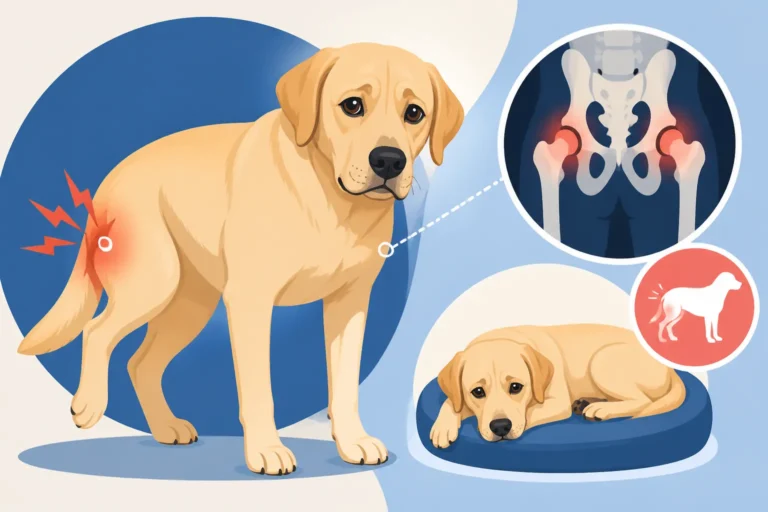
The deep-chested conformation of breeds like Labradors means their ribcage is proportionally longer and narrower from side to side than it is from front to back. This anatomical feature, while beneficial for lung capacity and powerful movement, creates a larger "empty" space within the abdomen. Imagine a bowling pin versus a frisbee; the bowling pin is more likely to rotate on its axis if it starts to swell and float, while the frisbee is more stable. Similarly, a Labrador's deep, narrow torso provides more room for a gas-filled stomach to literally flip over, initiating the volvulus.
This structural characteristic is inherited, meaning it's something present from birth. It's why certain breeds are consistently overrepresented in bloat statistics. For Labradors, whose historical role involved diving into water and retrieving game, this physique was an asset, but it inadvertently carries this serious health risk. We can't change their genetics, but we can manage other factors to mitigate the risk inherent in their body type.
Beyond Genetics: Other Risk Factors You Need to Know
While genetics and conformation play a huge role, a variety of environmental and behavioral factors can further elevate a Labrador's bloat risk.
- Age: Older dogs tend to be more susceptible to bloat. As Labradors age, their stomach ligaments might weaken, making it easier for the stomach to shift. You might find yourself learning more about Caring for a Senior Labrador as your dog gets older, and bloat risk should be part of that conversation.
- Eating Habits: Fast eating, gulping air, and consuming large meals in a single sitting are all significant contributors. We know how food-driven Labradors can be; they often act like every meal is their last. This rapid ingestion is a key behavioral risk factor. For many Labradors, it can feel like Why a Quarter of Labradors Overeat by Genetics, and this drive needs careful management.
- Stress and Anxiety: Some studies suggest that anxious or highly stressed dogs might be at increased risk. Changes in routine, boarding, or other stressors can potentially influence digestive processes.
- Temperament: Interestingly, fearful or aggressive temperaments have also been correlated with a higher incidence of bloat in some studies, though the exact mechanism isn't fully understood.
- Exercise Around Meals: Vigorous exercise immediately before or after eating is a commonly cited risk factor. Running, jumping, or rolling after a large meal can potentially encourage stomach movement.
- Diet: The type of food and how it's prepared has been a long-standing debate. While there's no single "bloat-proof" diet, some theories suggest diets high in fat or certain forms of carbohydrates might contribute to gas production.
Understanding these multifaceted risk factors allows us to build a more holistic prevention strategy for our beloved companions.
Debunking Myths: Elevated Bowls and Exercise
For years, it was widely believed that feeding dogs from elevated bowls could prevent bloat by reducing the amount of air swallowed during eating. However, scientific studies have largely debunked this theory. In fact, some research has indicated that elevated food bowls might increase the risk of bloat in large and giant breeds. The exact reasons aren't fully clear, but it's thought that the angle might still allow for increased air intake or perhaps changes in the esophagus. So, if you're using an elevated bowl specifically for bloat prevention, it might be time to reconsider that practice. It's one of those bits of common wisdom that, while well-intentioned, didn't hold up under scientific scrutiny.
Regarding exercise, the advice often heard is to avoid strenuous activity directly before or after meals. This isn't exactly a myth, but it needs nuance. While a full-blown play session immediately after eating might be risky, normal, calm activity isn't necessarily a problem. The key is strenuous exercise that could cause the stomach to jostle significantly. A gentle walk around the yard is fine, but a high-energy game of fetch or a run at the dog park should be avoided for at least an hour before and two hours after a meal, especially a large one. This allows the digestive system to begin processing food without the added physical stress.
| Risk Factor | Impact on Bloat Vulnerability | Management Strategy |
|---|---|---|
| Deep Chest Conformation | Provides space for stomach twisting. Inherited trait. | Unchangeable, but necessitates diligence in managing other factors. Prophylactic gastropexy (surgical tacking of the stomach) can be considered, especially for high-risk individuals. |
| Fast Eating/Gulping | Increases air intake, contributing to stomach distension. | Use slow feeder bowls, puzzle feeders, or spread food on a baking sheet. Divide meals into smaller, more frequent portions. Avoid feeding immediately after vigorous exercise. |
| Large Meal Size | A full stomach is more likely to distend and twist. | Feed multiple smaller meals throughout the day (2-3 times). Consult your vet for optimal Labrador Puppy Feeding Amounts and Schedule or adult portions based on age and activity. |
| Vigorous Exercise | Can cause jostling of a full stomach, potentially leading to twisting. | Avoid strenuous activity for at least 1 hour before and 2 hours after meals. Calm potty breaks or short, relaxed walks are generally fine. Ensure hydration without excessive gulping. |
| Stress/Anxiety | May impact digestive processes and increase muscle tension. | Provide a calm, consistent feeding environment. Address underlying anxiety with training, enrichment, or vet consultation. Maintain a predictable daily routine. |
| Age | Older dogs may have weakened stomach ligaments. | Increased vigilance with older Labradors. Consider preventive measures more strongly. Regular vet check-ups are crucial, focusing on senior health needs. |
| Genetic Predisposition | If parents/littermates have bloated, risk increases. | Discuss family history with your breeder. If your dog has a known family history of bloat, be extra diligent with all preventative measures. |
Spotting the Warning Signs: Early Detection is Critical
Because bloat progresses so rapidly, recognizing the earliest signs can literally be the difference between life and death for your Labrador. They can't tell us what's wrong, so we need to be their vigilant observers.
Subtle Cues That Indicate Trouble
Sometimes, the initial signs of bloat are subtle and might be mistaken for general discomfort or an upset stomach. This is the stage where your intuition as a dog owner really kicks in.
- Restlessness and Pacing: Your Labrador might seem unable to get comfortable. They might pace around, shift positions frequently, or try to lie down and then immediately stand back up. This indicates internal discomfort and an inability to find a comfortable posture.
- Drooling Excessively: Increased salivation can be a sign of nausea or pain. If your dog is suddenly drooling more than usual, especially when paired with other symptoms, pay close attention.
- Lethargy or Weakness: While restlessness is common, some dogs might become unusually quiet, withdrawn, or appear weak, which can be a sign of developing shock.
- Attempting to Vomit (Non-Productive Retches): This is one of the most classic early signs. Your Labrador will go through the motions of vomiting – hunching over, gagging, heaving – but nothing, or only a small amount of foamy saliva, will come up. This is a crucial indicator that something is blocked internally.
- Looking at Their Side/Abdomen: Your dog might repeatedly glance at their flank or abdomen, lick their lips, or seem generally focused on their belly area, indicating localized pain.
These subtle changes can escalate quickly, so if you notice any combination of them, it's time to be on high alert. Never ignore persistent non-productive retching.
Obvious Symptoms That Demand Immediate Action
Once bloat progresses, the symptoms become more pronounced and unmistakable, signifying an emergency. There's no time to "wait and see" at this stage; you need to head to the emergency vet immediately.
- Distended or Swollen Abdomen: This is the hallmark sign. Your Labrador's belly will appear visibly swollen, tight, and often hard to the touch, especially on the left side behind the last rib. It might feel drum-like when tapped. This distension can develop very rapidly.
- Signs of Pain: Beyond restlessness, your dog might whimper, groan, or yelp when you touch their abdomen. They might resist lying down or even standing upright comfortably. Reading Pain in a Stoic Labrador is crucial here, as Labradors can be tough and hide discomfort.
- Rapid, Shallow Breathing: The enlarged stomach puts pressure on the diaphragm, making it difficult for your dog to breathe deeply. Their breathing might become labored and quick.
- Weakness and Collapse: As shock sets in due to restricted blood flow and organ damage, your Labrador may become extremely weak, stumble, have difficulty standing, or even collapse. Their gums might appear pale or bluish.
- Increased Heart Rate: The body's response to shock often includes a rapid heartbeat.
If you observe any of these severe signs, do not hesitate. Call your emergency veterinarian while you're on your way to give them a heads-up. Time is of the essence. You should know the Bloat Symptoms in a Labrador Retriever by heart.
Proactive Strategies to Minimize Bloat Risk
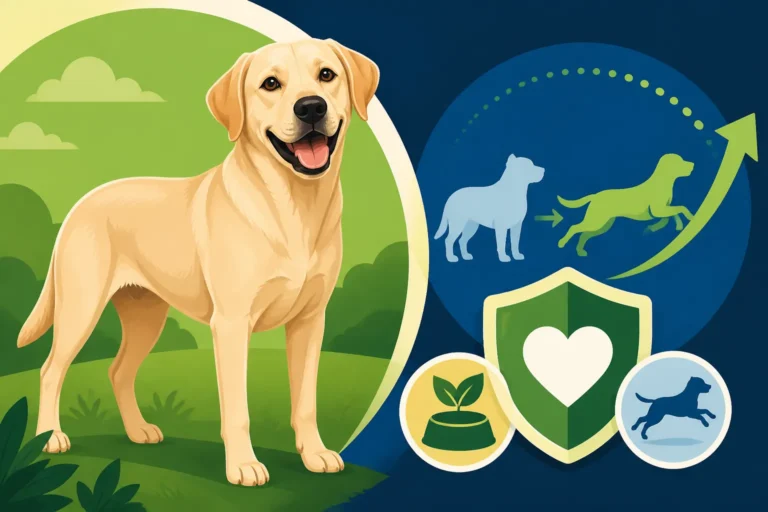
Given the serious nature of bloat, every Labrador owner should adopt preventative strategies. While nothing guarantees 100% protection, a multi-pronged approach can significantly reduce your dog's risk.
Optimizing Feeding Practices and Meal Routines
How and what you feed your Labrador plays a crucial role in preventing bloat. Think of it as controlling the variables we can control.
- Smaller, More Frequent Meals: Instead of one or two large meals a day, split your Labrador's daily food ration into two or three smaller meals. For example, morning, midday, and evening. This prevents the stomach from becoming excessively full at any one time.
- Slow Down Eating: Many Labradors are notorious for gulping their food. Use slow feeder bowls, puzzle feeders, or even spread their kibble out on a wide baking sheet or muffin tin. This forces them to eat more slowly, reducing the amount of air they swallow along with their food. Consider tools specifically designed to make them work for their meal.
- Consistent Feeding Times: Maintaining a regular schedule can help regulate your dog's digestive system and potentially reduce stress.
- Avoid Extreme Temperature Foods: Some anecdotal evidence suggests that feeding very cold water or food can contribute to bloat, though scientific consensus is limited. Room temperature food and water are generally recommended.
- Consider Food Type and Ingredients: While there's no magic "anti-bloat" food, some vets recommend consulting on Choosing Dog Food for a Labrador Retriever that is moderate in fat and protein, and does not have fermented ingredients that produce excessive gas. Discuss specific food types with your vet, especially if your dog is at higher risk.
These simple adjustments to feeding can make a substantial difference in reducing the likelihood of a bloat episode.
Managing Exercise and Activity Around Meals
The timing of activity around meals is another critical preventative measure. We all know Labradors need a good amount of exercise, but it needs to be managed smartly.
- The "Rest Before and After" Rule: Ensure your Labrador has a calm period before and after eating. Aim for at least 1 hour of quiet time before a meal and 2 hours afterward. This means no intense running, jumping, swimming, or rough play during these windows. This quiet time allows their stomach to settle and begin digestion without being tossed around.
- No Gulping Water Post-Exercise: After strenuous exercise, dogs can be very thirsty and will often gulp down large quantities of water quickly. This rapid intake of air and water can be a risk factor. Instead, offer smaller amounts of water over a period, or give them ice cubes to slowly chew on.
- Monitor Water Intake After Meals: Just as with food, avoid allowing your Labrador to drink a large amount of water immediately after eating a full meal.
- Know Their Limits: Especially with Exercise Limits for a Labrador Puppy and senior dogs, avoid over-exercising altogether, which can lead to stress and changes in gut motility.
By carefully planning your Labrador's daily schedule, you can ensure they get the exercise they need without inadvertently increasing their bloat risk.
Considering a Prophylactic Gastropexy
For many high-risk Labradors, a prophylactic gastropexy is the most effective preventative measure against GDV. This is a surgical procedure where the stomach is permanently attached, or "tacked," to the abdominal wall.
- How it Works: The gastropexy prevents the "volvulus" (twisting) part of bloat. While the stomach can still dilate with gas (simple bloat), it cannot twist, making the condition far less life-threatening. Simple bloat, while uncomfortable, is usually manageable with gastric decompression and does not carry the same immediate mortality risk as GDV.
- When to Consider It: Gastropexy is often performed at the same time as spaying or neutering, especially in breeds known to be high-risk like Labradors. It can also be done as a standalone procedure if your dog is older or has a high individual risk due to family history. Discussing When to Spay or Neuter a Labrador is a good time to bring up gastropexy with your vet.
- Benefits and Risks: The primary benefit is a dramatically reduced risk of fatal bloat. The risks are those associated with any surgery, including anesthesia complications, infection, and pain, though these are generally low in healthy dogs.
- Laparoscopic Option: Many veterinary surgeons now offer minimally invasive laparoscopic gastropexy, which involves smaller incisions, less pain, and a quicker recovery time compared to traditional open surgery. This option can be an excellent choice for a generally healthy Labrador.
For owners of Labradors, especially those with a family history of bloat or an individual predisposition (like extreme fast eating), a prophylactic gastropexy is a serious consideration that could save their dog's life. It's an investment in their long-term health, and many pet insurance providers like Healthy Paws offer coverage for preventive procedures like this when deemed medically appropriate.
When Every Second Counts: Emergency Response to Bloat
If, despite all your preventative efforts, you suspect your Labrador is experiencing bloat, knowing what to do immediately is paramount. This is a true veterinary emergency.
Immediate Steps to Take at Home
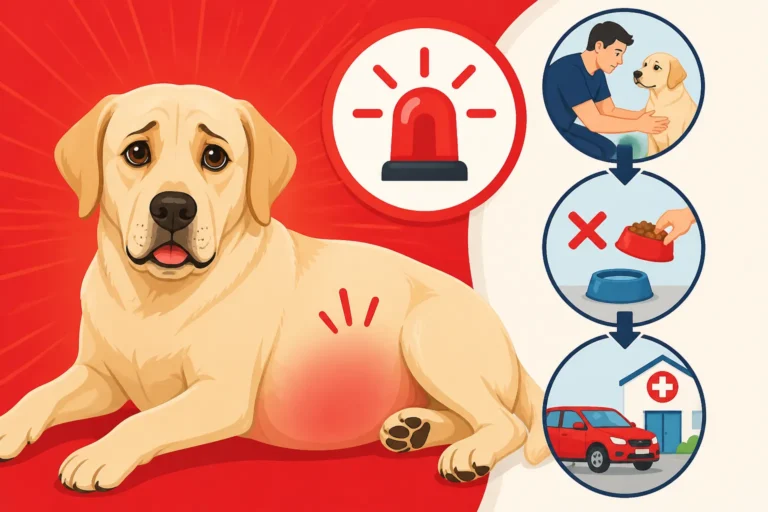
The moment you recognize the critical signs of bloat, your priority is to get your dog to an emergency veterinary hospital.
- Stay Calm (as much as possible): Your dog will be in distress, and your panic won't help them. Take a deep breath and focus on the next steps.
- Call Ahead: As you're gathering your dog, call your nearest emergency veterinary clinic. Tell them you suspect GDV in your Labrador and that you are on your way. This allows them to prepare their team and equipment for your arrival, saving precious minutes. Provide any details you can about when symptoms started and what you've observed.
- Transport Safely: If your dog can walk, gently lead them to the car. If they are weak or collapsing, you may need assistance to carefully lift them. Place them comfortably and securely in your vehicle. If possible, have someone drive while you monitor your dog.
- Do NOT Attempt Home Remedies: Do not try to induce vomiting, give over-the-counter medications, or massage their stomach. These actions can be dangerous and delay professional treatment, which is critical.
- Monitor Breathing and Gums: Observe your Labrador's breathing and the color of their gums during transport. Pale, white, or bluish gums indicate poor circulation and severe shock.
- Administer First Aid (if trained and available): If you are trained in canine first aid and have appropriate supplies, you might be able to administer oxygen or maintain an open airway if your dog is struggling, but for bloat, the primary and most important "first aid" is rapid transport to a veterinary facility.
Remember, every minute counts. Your quick thinking and immediate action are their best chance. You should already know the Emergency Steps When a Labrador Bloats.
The Veterinary Emergency: What to Expect
Once you arrive at the emergency clinic, the veterinary team will jump into action. Understanding their process can help you feel more prepared during a stressful time.
- Rapid Assessment: The veterinary team will immediately assess your Labrador's vital signs (heart rate, respiratory rate, gum color) and perform a quick physical exam, focusing on abdominal distension.
- Diagnosis: A definitive diagnosis is usually made with an X-ray of the abdomen. A twisted stomach has a characteristic appearance that vets can identify instantly.
- Stabilization: Before surgery, the veterinary team will work to stabilize your dog. This involves placing an intravenous (IV) catheter to administer fluids for shock, pain medication, and potentially antibiotics. In some cases, they may attempt to decompress the stomach by passing a tube down the esophagus or using a large needle to release gas through the abdominal wall (trocarization). These steps are crucial to get your dog stable enough for anesthesia.
- Emergency Surgery (Gastropexy): The definitive treatment for GDV is emergency surgery. The surgeon will untwist the stomach, assess any damage to the stomach tissue or spleen, and remove any necrotic (dead) tissue. Critically, a gastropexy will be performed to tack the stomach to the abdominal wall, significantly reducing the chance of future twisting.
- Post-Operative Care: After surgery, your Labrador will require intensive monitoring in the hospital. This includes continued IV fluids, pain management, antibiotics, and close observation for complications such as cardiac arrhythmias, stomach wall necrosis, or further bloat. The recovery can be challenging, and complications are always a possibility.
Bloat surgery and associated intensive care can be very expensive. This is where having pet insurance, such as a policy from Healthy Paws, can be incredibly beneficial. Knowing that a significant portion of the Which Labrador Problems Cost the Most to Treat could be covered can alleviate some financial stress during a crisis.
Living After Bloat: Recovery and Long-Term Prevention
Surviving a bloat episode is a huge relief, but it's just the beginning of a new chapter focused on careful recovery and dedicated long-term prevention.
Post-Surgery Care and Monitoring
The period immediately following GDV surgery is critical, as complications can still arise. Your veterinarian will provide specific discharge instructions, and adhering to them meticulously is vital.
- Pain Management: Your Labrador will be sent home with pain medication. Administer it exactly as prescribed to keep them comfortable and aid in healing.
- Wound Care: You'll need to monitor the incision site for any signs of redness, swelling, discharge, or opening. Prevent your dog from licking or chewing the incision, usually with an Elizabethan collar (the "cone of shame").
- Rest and Restricted Activity: Activity will need to be severely restricted for several weeks. No running, jumping, stairs, or rough play. Leash walks for potty breaks only are typically recommended. This gives the surgical site time to heal properly.
- Dietary Adjustments: Your vet will advise on a gradual reintroduction of food and water. This often involves small, frequent meals of easily digestible food. Strict adherence to portion control and the new feeding schedule will be essential.
- Watch for Complications: Even with a successful gastropexy, issues like cardiac arrhythmias, continued stomach motility problems, or other post-operative complications can occur. Be vigilant for any signs of lethargy, decreased appetite, vomiting, diarrhea, or renewed abdominal discomfort, and report them to your vet immediately. Follow-up appointments will be scheduled to monitor healing and recovery.
The recovery period demands patience and consistent care, but with dedication, most Labradors go on to live full, happy lives after a gastropexy.
Adjusting Your Routine for a Bloat-Prone Labrador
While the gastropexy significantly reduces the risk of the stomach twisting again, it doesn't eliminate the possibility of simple bloat (dilatation without volvulus). Therefore, maintaining preventative strategies remains crucial.
- Permanent Dietary Changes: Continue with small, frequent meals using a slow feeder. Even with a gastropexy, rapid gulping of food and air can still cause discomfort from gas build-up. Consider feeding Feeding a Labrador Through Every Life Stage with careful portioning and monitoring.
- Ongoing Exercise Management: Always maintain a calm period before and after meals. Avoid strenuous activity during those sensitive windows. Regular, moderate exercise is still vital for your Labrador's health, but timing is key.
- Hydration Control: Offer water in smaller, more frequent amounts, especially after activity.
- Stress Reduction: Try to maintain a calm and predictable environment for your dog. If they are prone to anxiety, explore strategies to manage it, as stress can impact digestion.
- Educate Others: Make sure anyone who cares for your Labrador (dog walkers, pet sitters, family members) is fully aware of their history, the risks, and your specific feeding and exercise protocols.
- Regular Vet Check-ups: Regular veterinary visits become even more important. Your vet can monitor your Labrador's overall health and discuss any new concerns. If you are concerned about ongoing costs for monitoring or medication, remember that pet insurance like Healthy Paws can often help with unexpected health issues or chronic conditions that might arise.
- Be Vigilant, Not Paranoid: While it's natural to be hyper-aware after a bloat scare, try not to let fear overshadow your enjoyment of your Labrador. Maintain your preventative routine, and you can significantly lower the risk, allowing both you and your dog to relax and live life to the fullest.
By staying proactive and disciplined, you can provide your Labrador with the best possible chance at a long, healthy life, even after such a traumatic event.
Disclaimer
The information provided in this article is for educational purposes only and is not a substitute for professional veterinary advice. Always consult with a qualified veterinarian for any health concerns or before making any decisions related to your Labrador's care and treatment.