When Labrador Hip Dysplasia First Shows Up
It’s a heart-wrenching worry for any Labrador owner: that sudden limp, the reluctance to jump, or the way they sit a little off. Hip dysplasia is a daunting prospect, especially when you’re not sure what to look for or when those dreaded first signs might appear. This guide is here to walk you through the nuances of when and how Labrador hip dysplasia typically shows up, helping you understand the subtle and overt indicators to watch for in your beloved companion.
Understanding Labrador Hip Dysplasia and Its Early Warning Signs
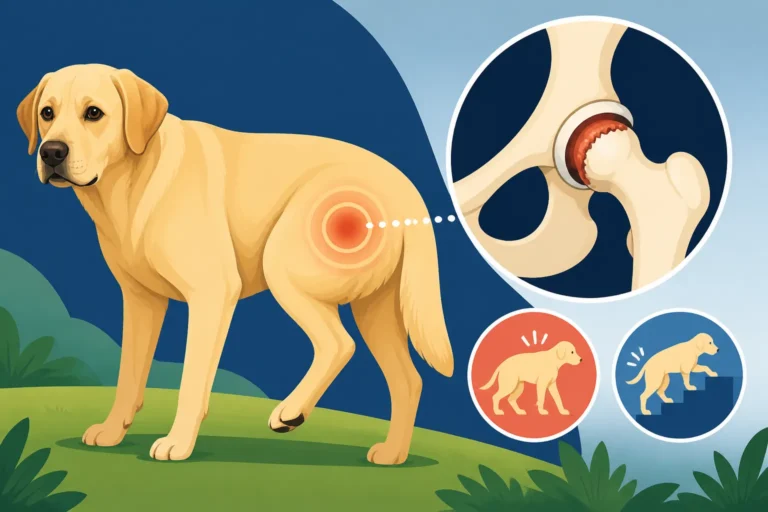
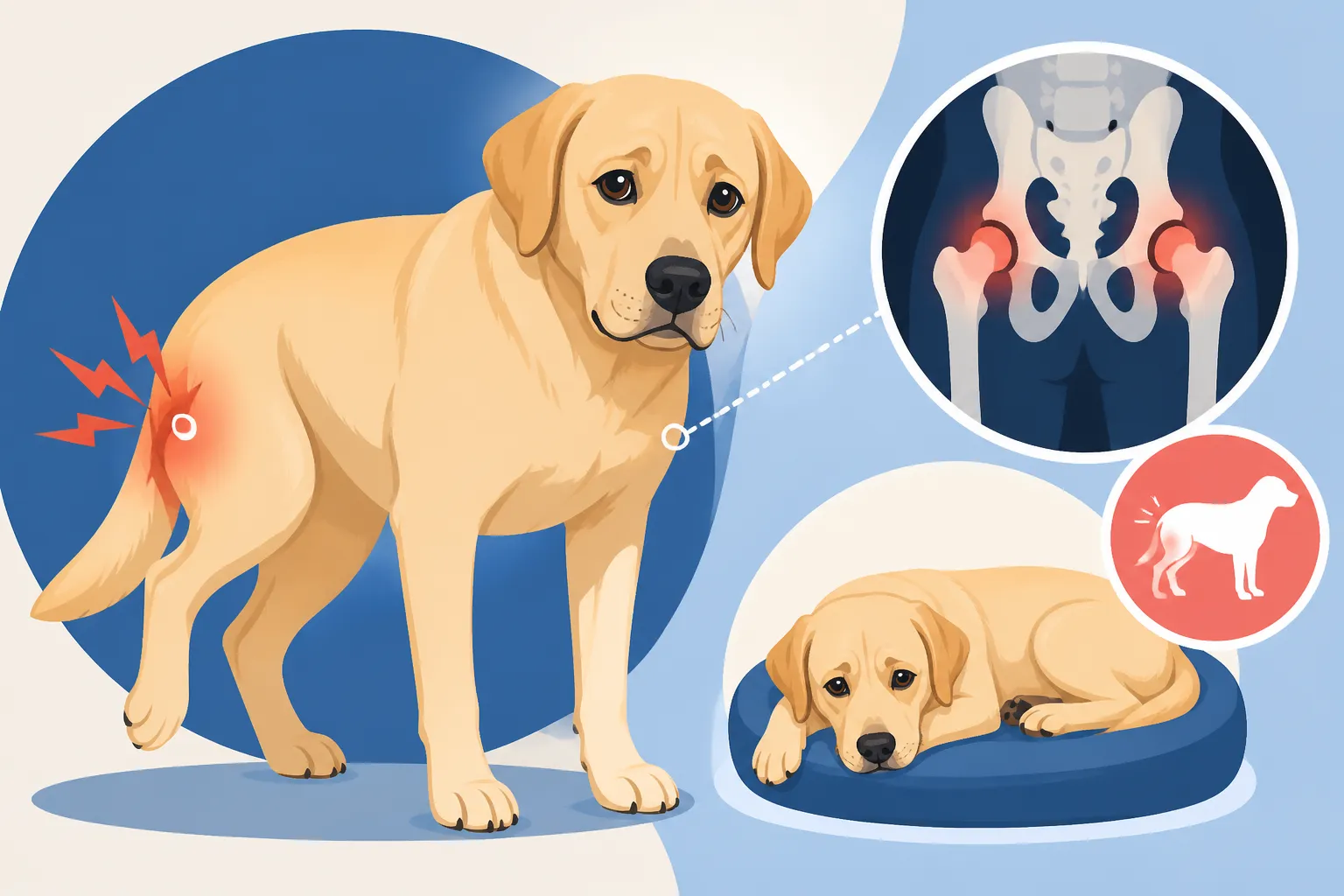
Labrador Retrievers are, without a doubt, one of the most beloved dog breeds. Their boundless energy, friendly demeanor, and unwavering loyalty make them incredible companions. However, as many of us unfortunately know, they are also genetically predisposed to certain health conditions, and hip dysplasia sits high on that list. This condition occurs when the hip joint, a ball-and-socket joint, doesn't develop properly. Instead of fitting snugly, the ball (femoral head) and socket (acetabulum) grind and rub, leading to degeneration over time. The tricky part is, this isn't always obvious right away.
The frustration for many owners comes from this variability. You might be watching your puppy like a hawk, ready to spring into action, only to find the signs are so subtle you second-guess yourself. It’s not a sudden broken bone; it’s a gradual, insidious process that can start long before you ever see an obvious limp. Knowing what to watch for, even the tiniest clues, can make all the difference in seeking early intervention and managing the condition effectively.
The Silent Struggle: Subtle Early Indicators in Puppies
When hip dysplasia begins to manifest in younger Labradors, especially puppies, the signs can be incredibly subtle and easily mistaken for normal puppy clumsiness or a bit of soreness after boisterous play. This is the "silent struggle" phase, where your Labrador might not be overtly limping, but their comfort level and movement are already compromised.
One of the most common early indicators to watch for is a reluctance or difficulty when performing everyday actions. Think about your puppy getting up from a lying position or settling down. Do they seem to take a moment longer, perhaps brace themselves, or even groan softly? This isn't just them being lazy; it could be a sign that weight-bearing is uncomfortable. Similarly, observe their willingness to jump onto furniture (if allowed!) or climb stairs. A puppy who suddenly shies away from these activities or attempts them with noticeable awkwardness might be experiencing discomfort in their hips.
Another classic, albeit often misunderstood, sign in puppies is "bunny hopping." This is when your Labrador runs, but instead of moving their hind legs independently, they move both back legs simultaneously, much like a rabbit. It’s a mechanism to reduce pain by distributing weight more evenly across the hips, lessening the strain on one side. While some puppies might occasionally bunny hop playfully, consistent bunny hopping during regular running is a red flag. Furthermore, simply observing their overall activity level can be telling. A previously boisterous, playful puppy who suddenly seems less enthusiastic about long play sessions, tires quickly, or prefers to lie down more often could be trying to tell you something. They might also develop an unusual gait, perhaps a swaying motion in their hindquarters, or a stiff, almost robotic walk. Early detection truly hinges on your keen observation skills and knowing what subtle cues to interpret as potential problems, before they escalate into more obvious lameness.
When Symptoms Become More Obvious: Juvenile and Adolescent Onset
As a Labrador with hip dysplasia grows, especially into their juvenile and adolescent stages (typically from 5-10 months of age and sometimes up to 18-24 months), the subtle signs often become more pronounced and harder to ignore. This is usually when owners start to feel that deep knot of worry and decide to seek veterinary attention.
The most undeniable sign at this stage is limping or lameness, particularly in one or both hind legs. You might notice it after a period of rest, like when they first get up in the morning, or after intense exercise. The limp might be intermittent at first, only appearing after strenuous activity, but as the condition progresses, it can become more constant. Coupled with the limping, you'll likely observe a noticeable stiffness in their hind end. This stiffness makes their movements less fluid; they might walk with short, choppy steps or hesitate before making sharp turns. It's a clear indication that their joints aren't moving freely and comfortably.
Beyond visible lameness, muscle atrophy in the hind legs is another significant indicator. Because your Labrador is instinctively trying to avoid pain, they might put less weight on the affected leg(s), leading to a reduction in muscle mass over time. You might notice their hindquarters looking less muscular or symmetrical compared to their front. In some cases, you might even hear audible clicking, popping, or grinding sounds coming from their hip joints when they move. This sound is often the result of bone rubbing against bone or ligaments snapping over the poorly formed joint. Lastly, while Labradors are famously stoic, increased pain can make them more vocal. They might whimper, yelp, or growl when their hips are touched or manipulated, or they might become uncharacteristically irritable or reluctant to engage in activities they once loved. If you notice any of these more overt signs, it's definitely time for a visit to your veterinarian to explore a potential diagnosis of Labrador Hip Dysplasia Signs and Onset.
Age of Onset: A Spectrum, Not a Single Moment
It’s easy to wish for a clear-cut answer, a specific age when you can definitively say, "My Labrador either has hip dysplasia or they don't." Unfortunately, the reality is far more complex. Hip dysplasia isn't a single event but a developmental condition, meaning its onset can vary significantly from one dog to another. It's truly a spectrum, influenced by genetics, environment, and even the individual dog's activity level and pain tolerance.
Some Labradors might show signs incredibly early, almost as soon as their growth spurts begin, while others might carry mild dysplasia for years before symptoms become debilitating. This unpredictability is precisely why responsible breeding practices focus on health clearances for parent dogs, aiming to reduce the genetic predisposition for this condition as much as possible. Even with the best genetics, however, environmental factors like rapid growth from overfeeding or excessive, inappropriate exercise in puppyhood can contribute to the manifestation of symptoms earlier or with greater severity.
Puppyhood and Early Indicators Around 4-10 Months
This window, typically between four and ten months of age, is often the first significant period when hip dysplasia can begin to make itself known. This is a time of rapid growth for Labrador puppies, where their bones and joints are developing quickly, and any underlying structural issues in the hip can become apparent. During growth spurts, the abnormal laxity or fit of the hip joint can cause inflammation and discomfort, leading to the subtle signs we discussed earlier.
Owners of very young puppies might notice a generalized "unwillingness" to play or exercise as much as their littermates or other puppies. They might appear stiff after waking from a nap, or show an unusual gait that resembles "bunny hopping" when they run. It's crucial during this phase to differentiate between normal puppy clumsiness and genuine discomfort. A puppy constantly favoring one leg, or showing persistent difficulty climbing stairs or getting into a car, should definitely raise concerns. It’s a good idea to keep a close eye on your Labrador Puppy Health in the First Year and note any observations that seem out of the ordinary.
While genetics play a huge role, external factors can also exacerbate the early onset. For instance, allowing a large breed puppy to gain weight too quickly puts undue stress on their developing joints. Similarly, excessive high-impact exercise, such as jumping from heights or long, strenuous runs, can aggravate a predisposition to dysplasia. This is why many veterinarians and breeders advise against such activities during a Labrador's formative months. Observing these early signs and adjusting care can sometimes slow the progression or lessen the severity of symptoms later in life.
Adolescent and Adult Manifestation 1-3 Years Old
For some Labradors, the signs of hip dysplasia might not become truly noticeable until they reach adolescence or even early adulthood, typically between one and three years of age. This can be particularly confusing and frustrating for owners who thought their puppy had "escaped" the condition. Often, these are cases where the dysplasia might be milder, or the dog's pain tolerance is higher, allowing them to compensate for the joint discomfort for a longer period.
In these instances, symptoms often appear more gradually or might even seem to have a sudden onset after a period of intense activity, an injury, or simply as the cumulative wear and tear on the joint starts to take its toll. You might notice your otherwise energetic Labrador starting to slow down on walks, showing a reluctance to retrieve or engage in activities they once loved. A limp might appear intermittently, particularly after vigorous exercise, and then subside with rest, only to return again. This waxing and waning of symptoms can make diagnosis challenging, as owners might dismiss it as a temporary strain or muscle soreness.
Over time, however, the discomfort tends to become more consistent. The progressive nature of hip dysplasia means that even if mild initially, the constant abnormal rubbing and grinding in the joint will eventually lead to inflammation, cartilage damage, and the development of osteoarthritis. This secondary arthritis is often what brings adult Labradors to the vet, as their pain levels become more pronounced and harder to manage. Therefore, even if your Labrador sails through puppyhood without a hitch, it’s important to remain vigilant and understand that symptoms can, and sometimes do, emerge later in their prime years.
Senior Years: Arthritis as a Secondary Concern
While we often think of hip dysplasia as a condition of youth, its long-term impact profoundly affects a Labrador’s senior years, even if obvious symptoms weren't present earlier. For many Labradors, hip dysplasia might go undiagnosed or be so mild in their younger years that it doesn't cause significant problems. However, the abnormal joint mechanics created by dysplasia inevitably lead to accelerated wear and tear, culminating in secondary osteoarthritis as they age. This means that even if your Labrador never showed overt signs of limping as a pup, they might develop debilitating arthritis in their hips when they become seniors.
This senior onset of symptoms typically involves stiffness, pain, and reduced mobility that worsen with cold weather, after rest, or following activity. The degeneration of cartilage, formation of bone spurs, and thickening of the joint capsule—all hallmarks of arthritis—can make every movement painful. It's a sad reality that hip dysplasia can contribute significantly to Labrador Arthritis in Middle Age and later life, even if the primary condition was subclinical for years.
Recognizing this connection is crucial. If your senior Labrador is showing signs of hind leg weakness, difficulty standing up, struggling with stairs, or a general reluctance to move, hip dysplasia compounded by arthritis could be the underlying cause. While surgery isn't typically an option for managing arthritis in senior dogs with long-standing dysplasia, there are many medical and supportive treatments available to improve their quality of life, from pain medication and anti-inflammatories to physical therapy, joint supplements, and weight management. Understanding that the journey of hip dysplasia can span a Labrador's entire life helps us provide comprehensive care at every stage.
Diagnostic Timelines and Screening for Peace of Mind
Navigating the journey of potential hip dysplasia can be incredibly stressful, and getting a clear diagnosis is often the first step towards peace of mind and effective management. Knowing when and how veterinarians typically screen for this condition can help you prepare and understand the process. It’s not just about waiting for symptoms; there are proactive steps and recommended timelines for assessment.
For dedicated breeders, screening prospective parent dogs is a fundamental part of their commitment to producing healthy puppies. They utilize specific radiographic evaluations to assess hip quality before breeding, aiming to reduce the incidence of hip dysplasia in future generations. For pet owners, understanding these diagnostic methods helps in confirming a suspicion or simply monitoring your dog's joint health as they grow. Early and accurate diagnosis allows for the implementation of management strategies that can significantly improve your Labrador's comfort and long-term mobility.
Veterinary Assessment: What to Expect
If you suspect your Labrador might have hip dysplasia, your first step, naturally, is a visit to your veterinarian. They will begin with a thorough physical examination. This isn’t just a quick look-over; it's a careful assessment of your dog's musculoskeletal system. Your vet will observe your Labrador's gait as they walk, trot, and turn, looking for any subtle abnormalities like limping, stiffness, or an uneven stride. Don't be surprised if they ask you to walk your dog up and down a hallway a few times; these visual cues are incredibly important.
During the physical exam, your vet will also perform specific manipulations of your Labrador’s hip joints. They’ll extend and flex the hips, rotate them, and gently press on certain areas, feeling for any laxity (looseness), crepitus (grating sounds or sensations), pain response, or reduced range of motion. It’s important to be honest and detailed with your veterinarian about everything you’ve observed at home – any reluctance to jump, difficulty rising, changes in energy levels, or even just a general "off" feeling you have about your dog's movement. Your observations, combined with the vet’s findings, create a comprehensive picture. Sometimes, a vet might even perform a "Ortolani sign" test on a young puppy under light sedation, which can indicate hip laxity by feeling a "clunk" as the femoral head slips in and out of the socket.
This initial assessment helps the vet determine the likelihood of hip dysplasia and decide on the next steps, which almost always involve diagnostic imaging to get a clear view of the joint structure.
Imaging and Official Diagnosis
The definitive diagnosis of hip dysplasia relies on imaging, specifically X-rays. While a physical exam can raise suspicion, X-rays provide the visual evidence needed to confirm the condition and assess its severity. There are a couple of widely recognized methods for hip evaluation through radiography, each with its own timeline and purpose.
The Orthopedic Foundation for Animals (OFA) is a common standard in the U.S. for hip evaluations. For OFA certification, X-rays are typically taken when a dog is 24 months (two years) of age or older. This is because by two years, the hip joints are considered fully developed, providing a stable assessment of their structure. OFA evaluates the X-rays and assigns a rating (Excellent, Good, Fair, Borderline, Mild, Moderate, or Severe dysplasia). Another widely used method, particularly for earlier detection of hip laxity, is PennHIP. PennHIP X-rays can be performed as early as 16 weeks (4 months) of age. This method measures hip laxity quantitatively, providing a distraction index (DI) that indicates how loose the hip joint is. A lower DI suggests tighter hips. OFA and PennHIP Screening for Labradors are both valuable tools, with PennHIP offering an earlier predictor of susceptibility.
For a diagnosis after symptoms have appeared, your vet will likely take standard hip X-rays. These images allow them to visualize the ball and socket, assess the congruence, look for signs of subluxation (partial dislocation), and identify any secondary changes like bone spurs or degenerative joint disease. These X-rays are usually taken with the dog sedated to ensure proper positioning and minimize discomfort. It’s this imaging that provides the conclusive evidence needed for an official diagnosis, guiding subsequent treatment plans and allowing you to move forward with informed decisions for your Labrador's health. Responsible breeders adhere to these timelines to obtain Health Clearances a Labrador Breeder Must Show for their breeding stock, significantly reducing the chances of passing on this debilitating condition.
The Role of Responsible Breeding in Prevention
When it comes to diseases like hip dysplasia, prevention truly is worth a pound of cure, and this largely falls on the shoulders of responsible breeders. Hip dysplasia is undeniably a polygenic trait, meaning multiple genes contribute to its inheritance, and environmental factors can influence its expression. However, the genetic component is significant, which is why the practices of ethical breeders are paramount in reducing its prevalence.
Responsible breeders meticulously screen their breeding dogs for hip dysplasia (and elbow dysplasia) before ever considering a pairing. This isn't just a recommendation; it's a non-negotiable step. They utilize official certifications, primarily through organizations like OFA or PennHIP, to evaluate the hip quality of their parent stock. A breeder committed to the health of the breed will only breed dogs with excellent or good hip ratings, minimizing the risk of passing on the genes associated with poor hip development. If a breeder cannot or will not provide verifiable health clearances for the parents of a puppy you're considering, that should be an immediate red flag.
Beyond genetic screening, good breeders also educate new puppy owners on proper care that supports healthy joint development. This includes advice on appropriate nutrition, ensuring puppies don't grow too quickly or become overweight, and guiding on safe exercise limits to avoid undue stress on developing joints. For instance, they might advise against strenuous activities like jumping or long runs during the first year of a Labrador's life, as Exercise Limits for a Labrador Puppy are critical for healthy growth plates. While genetics lay the groundwork, responsible breeders understand that a healthy start, both in terms of genetic predisposition and early environmental care, is the best defense against conditions like hip dysplasia. This proactive approach not only spares dogs from pain but also saves owners the heartache and significant financial burden, as the Cost of Hip Surgery for a Labrador Retriever can be substantial.
Managing Suspicions and Proactive Steps
Discovering that your Labrador might be struggling with hip dysplasia can be overwhelming. The flurry of questions, the worry about their future, and the financial implications can feel like a heavy burden. However, remember that knowledge is power, and there are many proactive steps you can take, both at home and in partnership with your vet, to manage suspicions and support your Labrador's joint health. This journey isn't just about reacting to symptoms; it's about thoughtful, ongoing care that can make a profound difference in your dog's comfort and longevity.
Taking a proactive stance means more than just watching for symptoms. It involves careful lifestyle management, dietary considerations, and a readiness for potential veterinary expenses. By implementing these strategies, you’re not only responding to a potential diagnosis but also enhancing your Labrador’s overall well-being.
What You Can Do at Home
As a Labrador owner, you are often the first line of defense when it comes to noticing health changes. Your keen observations at home are invaluable in managing suspicions of hip dysplasia and supporting your dog's joint health. The first and most critical step is to observe your Labrador meticulously. Keep a journal of any subtle changes in their movement, behavior, or activity levels. Note when a limp appears, how long it lasts, if it's worse after rest or exercise, and any reluctance to perform certain actions like jumping or climbing stairs. This detailed log can provide your veterinarian with crucial information for diagnosis.
Beyond observation, maintaining a healthy weight for your Labrador is absolutely paramount. Excess weight puts immense strain on already compromised joints, exacerbating pain and accelerating the progression of degenerative changes. Even a few extra pounds can make a significant difference. Consult your vet to determine your Labrador's ideal body condition score and adjust their diet accordingly. Remember, Keeping a Labrador at a Healthy Weight is one of the most impactful things you can do to support their joint health.
Furthermore, ensure your Labrador receives appropriate, low-impact exercise. While a high-energy breed, activities like swimming are excellent as they provide muscle strengthening without concussive impact on the joints. Avoid intense, high-impact activities like jumping off high surfaces, repetitive ball fetching for long periods, or aggressive agility training, especially during puppyhood and adolescence. Ensure they are on Large Breed Puppy Food for a Labrador during their growth phase, as these formulas are specifically designed to support slow, steady growth and proper bone development. Providing comfortable, orthopedic bedding can also offer relief by cushioning their joints when they rest. These home-based strategies, combined with professional veterinary care, form a holistic approach to managing and mitigating the effects of hip dysplasia.
Financial Preparedness and Support
Facing a diagnosis of hip dysplasia can bring not only emotional stress but also significant financial concerns. The costs associated with diagnosis, potential surgeries, long-term medication, and physical therapy can quickly add up, leaving many owners feeling overwhelmed. This is where financial preparedness becomes a critical component of responsible pet ownership.
Vet visits for diagnostic imaging, specialist consultations, and ongoing management can range from hundreds to thousands of dollars. If surgery becomes necessary, such as a Total Hip Replacement (THR) or a Femoral Head Ostectomy (FHO), the costs can be substantial, often ranging from $4,000 to $7,000 per hip or more, depending on your location and the specific procedure. Even non-surgical management, which often includes pain medication, anti-inflammatory drugs, joint supplements, and regular physical therapy sessions, can accumulate over your Labrador's lifetime. Understanding the potential Cost of Hip Surgery for a Labrador Retriever is a sobering but necessary step in preparing for this journey.
This is precisely why many pet parents consider investing in pet insurance early on. While no insurance plan covers pre-existing conditions, having a policy like those offered by Healthy Paws in place before any symptoms or diagnoses of hip dysplasia manifest can be a huge financial relief. A good pet insurance policy, such as one from Healthy Paws, can cover a significant percentage of eligible veterinary bills, including diagnostics, medications, and even surgeries related to hip dysplasia, provided the condition isn't deemed pre-existing. It's truly a safety net that can allow you to make treatment decisions based on what’s best for your Labrador, rather than being limited by your budget. Researching Pet Insurance for a Labrador Retriever options and enrolling while your Labrador is young and healthy is a proactive step that can save you immense stress and expense down the line, especially if you find yourself needing to explore options like Managing Labrador Hip Dysplasia Without Surgery which often involves long-term medication and therapy.
Disclaimer
The information provided in this article is for general informational purposes only and does not constitute veterinary advice. Always consult with a qualified veterinarian for any health concerns or before making any decisions about your Labrador's care.