Reading Pain in a Stoic Labrador
It's a truth universally acknowledged among Labrador owners: these wonderful dogs are masters of stoicism. They're bred for tough work, for retrieving in icy waters, and they carry that resilient spirit right into our homes. This incredible trait, while admirable, often makes it incredibly difficult for us to recognize when our beloved Labradors are in pain. We see their wagging tails and eager eyes, and sometimes, the subtle signals of discomfort can be easily missed or misinterpreted. This comprehensive guide is here to help you peel back that stoic facade, understand the nuanced ways your Labrador might be communicating pain, and empower you to provide them with the comfort and care they deserve.
The Labrador's Stoic Nature: Why Pain Goes Unnoticed
Anyone who's lived with a Labrador knows they're often described as "bulletproof." They charge through underbrush, leap into lakes with abandon, and bounce back from minor scrapes with a cheerful indifference. This inherent toughness, while a hallmark of their breed, can be a real double-edged sword when it comes to their health. Their strong prey drive and natural inclination to push through discomfort for a task (like retrieving a ball) can mask significant underlying issues, making it challenging for even the most observant owner to spot the early signs of trouble. It's not that they don't feel pain; it's that their incredible drive often overrides the natural instinct to show it overtly.
Understanding Their High Pain Tolerance
Labradors were originally bred in Newfoundland as working dogs, assisting fishermen with retrieving nets and lost fish from the freezing North Atlantic waters. This demanding work environment selected for dogs with immense stamina, resilience, and a high pain threshold. A dog that winced at every cold splash or minor injury wouldn't have been effective or survived long in those conditions. This historical context hardwired into the breed a remarkable ability to tolerate discomfort and continue working. When you see your Labrador happily limping on a sprained paw to greet you, or only showing a slight hesitation before jumping into the car despite a sore back, it’s a testament to this deep-seated trait. This stoicism, combined with their eager-to-please nature, means they might actively try to hide pain to continue participating in activities with their family, especially if those activities involve food or a favorite toy.
The Danger of Misinterpreting "Toughness"
As owners, we can sometimes fall into the trap of praising their "toughness" without fully understanding the implications. We might tell ourselves, "Oh, he's just a bit stiff today, he'll walk it off," when in reality, that stiffness could be the early warning sign of something more serious, like Labrador Arthritis in Middle Age or even the insidious onset of Labrador Hip and Elbow Dysplasia. It's crucial not to dismiss subtle changes as just part of being a hardy dog. Delaying a vet visit because we believe our Lab is just being "tough" can allow conditions to progress, potentially leading to more advanced disease, greater pain, and more complicated or costly treatments down the line. We must remember that while they are tough, they are also living, feeling creatures, and it’s our responsibility to advocate for their comfort, even when they don’t broadcast their needs loudly.
Subtle Behavioral Shifts: Your Labrador's Silent Cries for Help
Since Labradors rarely give us a dramatic yelp or a clear limp from the get-go, we need to become detectives, observing the subtle shifts in their daily routine and personality. These quiet changes are often the first, most reliable indicators that something isn't quite right. It's about noticing what's different from their normal happy-go-lucky selves.
Changes in Play and Activity Levels
Think about your Labrador's typical enthusiasm for life. Do they usually meet you at the door with a full-body wag and a toy in their mouth, practically vibrating with excitement for a walk or a game of fetch? If you notice a decrease in this characteristic exuberance, it could be a sign of pain. Perhaps they're less keen to retrieve the ball or they stop playing sooner than usual. Maybe they hesitate before jumping into the car, or they refuse to go up the stairs they usually bound up.
It might not be a complete cessation of activity, but a noticeable reduction in duration, intensity, or willingness. A Labrador who normally loves a long hike might start lagging behind, or suddenly prefer shorter, slower walks. They might not jump as high for a treat, or they might land awkwardly. Pay close attention to their gait: a slight head bob, a reluctance to put full weight on a particular limb, or an altered stride could all point to discomfort. These aren't necessarily obvious lameness; sometimes it's just a subtle shift in how they carry themselves that only you, as their dedicated owner, will pick up on. If you're wondering how much exercise your Labrador needs each day, keep in mind that a sudden drop below that baseline could indicate pain.
Altered Social Interactions
Labradors are famously social creatures, eager to engage with their family and often strangers too. A significant change in their social behavior can be a huge red flag. A painful Labrador might become more withdrawn, choosing to lie in a quiet corner instead of being in the middle of family activity. Conversely, some Labs might become clingier, seeking constant reassurance from their human, almost as if asking for help.
You might also notice increased irritability. A dog who usually tolerates a child's clumsy hug or another dog's playful nudge might suddenly growl, snap, or move away. This isn't aggression for the sake of it, but a clear signal that they anticipate pain from touch or interaction. They might avoid eye contact, tuck their tail more, or generally appear less engaged. If your Labrador, typically known for their boundless affection, suddenly recoils when you try to pet a certain area, or seems grumpy for no apparent reason, it’s worth investigating further. This is especially important for dogs living with other pets; a once-playful dynamic might turn tense if one dog is in discomfort.
Restlessness and Sleep Disturbances
Comfort is key for good sleep, and a Labrador in pain often struggles to find a comfortable position. You might notice them pacing, circling, or shifting positions frequently throughout the night or during naps. They might sigh heavily when lying down, or struggle to get up once they've settled. Some dogs will pant excessively, even when not hot or active, which can be a sign of discomfort or stress related to pain.
If your Lab is usually a champion sleeper, only to now be waking up frequently, or unable to settle in their favorite bed, it’s a strong indicator that something is bothering them. They might try to lie in unusual places that offer more support or feel softer, avoiding their usual orthopedic dog bed if it exacerbates a tender spot. This constant search for relief can be exhausting for them and is a clear signal that their body is not at ease. It’s also important to remember that changes in sleep patterns can affect their overall mood and energy levels, creating a vicious cycle where pain leads to poor sleep, which in turn makes them more irritable and less tolerant of discomfort.
Physical Indicators: Reading Your Labrador's Body Language
Beyond behavior, your Labrador’s physical presentation can offer crucial clues to their internal state. You need to become accustomed to what your healthy Labrador looks like and feels like, so any deviations stand out immediately.
Posture and Gait Deviations
A normal Labrador carries itself with confidence and balance. Their back should be relatively level, their head held high, and their movements fluid. When in pain, this can change dramatically. You might notice a hunched back, especially in the lower lumbar region, which can indicate back pain or abdominal discomfort. They might stand with their legs closer together, or splayed slightly wider, trying to alleviate pressure on a painful joint.
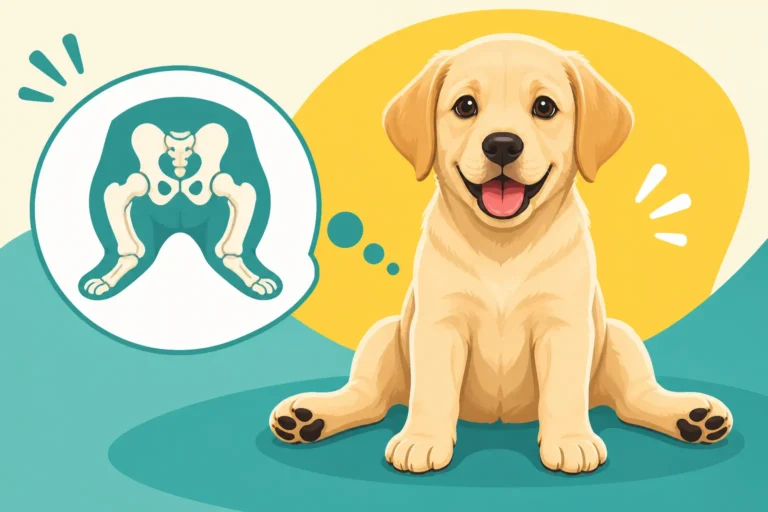
Observe how they sit and lie down. Do they avoid sitting squarely, preferring to "puppy sit" with one leg splayed out to the side, potentially indicating hip pain? Do they struggle to get up from a lying position, pushing off with their front paws or taking a long time to unfold themselves? A slight head bob when walking, especially visible from the front or back, can indicate a painful forelimb. Even subtle changes like a stiffer tail carriage or less wagging can be a sign. Pay particular attention to how they use their tail; an "otter tail" is characteristic of the breed, but a constantly tucked or stiff tail can be a pain indicator. For those concerned about conditions like Cruciate Ligament Tears in Labradors, observing gait changes is absolutely critical.
Grooming and Self-Licking Habits
Labradors typically have a beautiful, dense double coat, and while they don't require extensive grooming, their self-grooming habits can be informative. Excessive licking, chewing, or even scratching at a particular area of their body can be a strong indication of pain or irritation in that spot. For instance, constant licking of a paw could mean an injury, foreign object, or arthritis in the toes. Persistent licking of the hip or knee area might point to joint pain.
Sometimes, this licking can lead to "hot spots" – inflamed, moist lesions that appear suddenly and can be incredibly painful on their own. If you notice a patch of fur becoming discolored from saliva, or the skin appearing red and irritated, investigate it immediately. Be mindful that Labs can be prone to allergies that cause itching, but if the licking is focused on one specific area that also shows other signs of discomfort, it’s more likely related to pain than generalized itchiness.
Facial Expressions and Eye Changes
Even though Labradors are stoic, their faces can reveal a lot if you know what to look for. A "worried" or tense expression can be a sign of chronic pain. Look for subtle changes around the eyes: squinting, partially closed eyes, or eyes that appear smaller than usual can all indicate discomfort. Their pupils might be dilated if they are experiencing significant pain.
Observe the tension in their mouth and jaw. A Labrador in pain might hold their mouth more tightly closed, or their lips might be pulled back slightly, revealing more teeth than usual in a grimace. Their ears might be held flatter or further back than their normal relaxed position. It might seem like a slight furrow in their brow, a subtle tightening around the eyes, or even just a less joyful expression overall. Comparing their current facial cues to old photos or videos can help you identify these subtle shifts. This can be challenging because Why Labradors Hide Pain So Well, but practice recognizing these subtle cues.
Handling and Palpation: Your Hands as Diagnostic Tools
One of the most effective ways to assess your Labrador for pain is to gently run your hands over their body. This isn't just about petting; it's about purposefully feeling for anomalies and observing their reaction to touch. Make sure your Labrador is relaxed and comfortable before you begin, perhaps after a nice walk or during a quiet evening cuddle.
Gentle Touch and Sensitivity Testing
Start with areas you know they love to be touched, like their chest or neck, and then gradually move to other parts of their body. Pay close attention to their limbs, joints (shoulders, elbows, hips, knees), spine, and abdomen. Gently feel along each bone and muscle group. You're looking for several things:
- Heat: Any area that feels unusually warm could indicate inflammation.
- Swelling: Feel for any lumps, bumps, or puffiness that isn't normally there. This could be anything from a simple sting to a more serious joint effusion or tumor.
- Reluctance to touch: Does your Labrador pull away, flinch, or vocalize (even a soft whine or growl) when you touch a specific spot? This is a strong indicator of localized pain.
- Guarding: Do they stiffen their muscles, try to move away, or even snap if you get too close to a tender area? This "guarding" behavior is their instinctual way of protecting a painful spot.
- Muscle atrophy: Compare muscles on both sides of their body. If a muscle group (like on a hind leg) feels smaller or softer, it could indicate they've been favoring that limb due to chronic pain.
When doing this, be patient and move slowly. If you find a sensitive spot, don't press or manipulate it roughly. Just note the reaction and the location. This information will be invaluable for your veterinarian.
Recognizing Muscle Tension and Guarding
Muscle tension often goes hand-in-hand with pain. When a part of the body hurts, the surrounding muscles naturally tense up to protect it, acting like a natural splint. When you run your hands over your Labrador, feel for areas that feel unusually hard, rigid, or knotted, especially along their back, neck, or hindquarters. These areas of chronic tension can themselves become painful over time, creating a cycle of discomfort.
For example, a Labrador with subtle hip discomfort might have very tight, almost rock-hard muscles in their lower back and hind legs as they try to compensate and protect the hip joint. They might also exhibit "guarding" behavior, where they might flinch, move away, or even give a low growl or snap if you accidentally press on a particularly sore spot. This isn't aggressive behavior in the traditional sense; it's a clear, albeit subtle, communication of pain. If your usually docile Labrador reacts negatively to touch, it's not a sign of a bad temperament, but a desperate plea for help.
Appetite, Thirst, and Elimination: Unexpected Pain Signals
It might seem counterintuitive, but changes in a Labrador's basic biological functions—eating, drinking, and going to the bathroom—can also be silent indicators of pain or discomfort. These are fundamental aspects of their daily life, and any deviation should prompt investigation.
Decreased or Increased Appetite
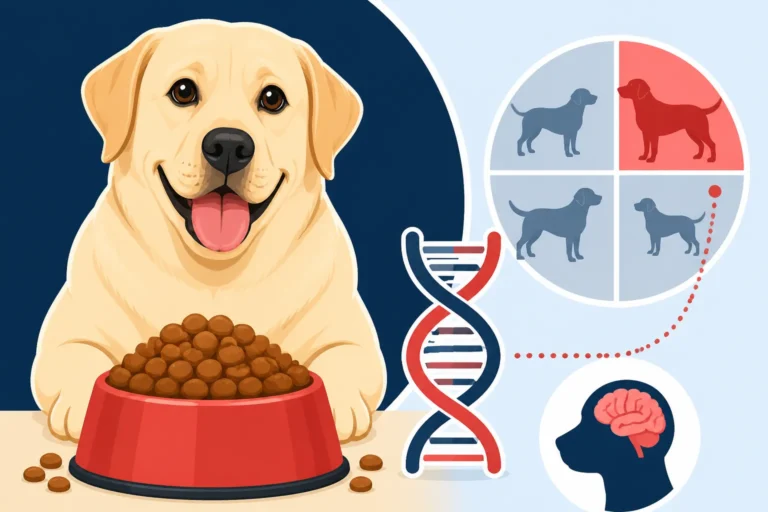
Many Labradors are famously food-motivated, so a sudden decrease in appetite is often a startling change for owners. If your Labrador, who normally inhales their dinner, suddenly picks at it, leaves food in the bowl, or refuses to eat altogether, it can be a sign of pain. This could be related to dental pain, making it uncomfortable to chew, especially if they are also dropping food or chewing on one side of their mouth. Labrador Dental Disease and Tartar can be incredibly painful, leading to appetite loss.
Beyond mouth pain, abdominal discomfort from conditions like bloat (a serious emergency) or other internal issues can lead to nausea and a refusal to eat. Even generalized body pain can make a Labrador feel too unwell to enjoy their food. On the flip side, some Labradors might experience an increase in appetite, or more intense food-seeking behavior, which can sometimes be a stress response to chronic discomfort or a coping mechanism. However, a sudden, complete loss of appetite, especially if combined with lethargy, vomiting, or diarrhea, warrants immediate veterinary attention. Be mindful, too, of the potential for Why Labradors Gain Weight So Easily to exacerbate joint pain, making an already painful situation worse.
Changes in Potty Habits
Pain can significantly impact a Labrador's ability or willingness to go to the bathroom. If you notice your dog struggling to get into position to urinate or defecate, it could indicate back pain, hip pain, or even abdominal discomfort. A hunched or stiff posture during elimination, or an obvious straining, is a clear sign something is wrong. They might be reluctant to squat fully, or they might cry out when trying to pass stool or urine.
Sometimes, painful conditions can lead to "accidents" in the house, not because of a lack of training, but because they can't physically hold it as long, or it's too painful to posture outside. Increased frequency of urination, difficulty urinating, or visible blood in the urine or stool are always emergency signs. On the other hand, if your Labrador seems to be constantly licking their genital area, it could be a sign of discomfort, possibly related to a urinary tract infection or other pain. These subtle changes in their elimination routine, though unpleasant to observe, are crucial signals that should not be ignored.
Proactive Pain Management and When to Seek Veterinary Care
The key to managing pain in a stoic Labrador is a combination of vigilant observation, proactive care, and timely veterinary intervention. We want to catch issues early, address them effectively, and ensure our Labs live the most comfortable lives possible.
Regular Wellness Checks and Early Detection
Consistent communication with your veterinarian is paramount. Annual (or even semi-annual for senior dogs) wellness checks allow your vet to perform a thorough physical exam, checking for subtle signs of pain that you might miss. They can assess joint health, palpate the spine, check for dental issues, and discuss any behavioral changes you've observed. These check-ups are also a great time to discuss preventative measures. For example, your vet might recommend specific joint supplements as your Labrador ages to help with Slowing Joint Decline in an Older Labrador, or suggest dietary changes if they are becoming overweight. Being proactive about conditions like Labrador Obesity and the Years It Costs can also prevent painful joint issues.
Furthermore, being aware of common Labrador health issues is vital. Knowing that conditions like hip and elbow dysplasia, arthritis, and Cancer in Labrador Retrievers are prevalent in the breed can help you be more attuned to early symptoms. Genetic testing for certain conditions, especially for puppies, can also provide valuable information about potential future health challenges.
Emergency Signs and Immediate Action
While much of this guide focuses on subtle signs, there are definitive emergency signals that warrant immediate veterinary attention. These include:
- Sudden, severe lameness: Your Labrador is unable to bear weight on a limb, or is holding it up completely.
- Loud, continuous vocalization: Persistent crying, yelping, or whimpering without an obvious cause.
- Collapse or extreme weakness: Your dog suddenly falls over, can't get up, or seems profoundly weak.
- Difficulty breathing or excessive panting (especially if accompanied by blue gums or extreme restlessness).
- Distended or hard abdomen with unproductive retching: This is a classic sign of bloat, a life-threatening condition.
- Disorientation or seizures.
- Profuse bleeding.
If you observe any of these signs, do not wait. Contact your emergency veterinarian immediately. Having a plan for these situations, and perhaps even pet insurance like Healthy Paws, can greatly reduce stress and allow you to make decisions based on your dog's health needs, rather than financial constraints.
Supporting Your Labrador's Comfort
Even if your Labrador isn't in severe pain, there are many ways you can proactively support their comfort and well-being.
- Comfortable bedding: Invest in high-quality orthopedic dog beds that provide good support for their joints, especially as they get older.
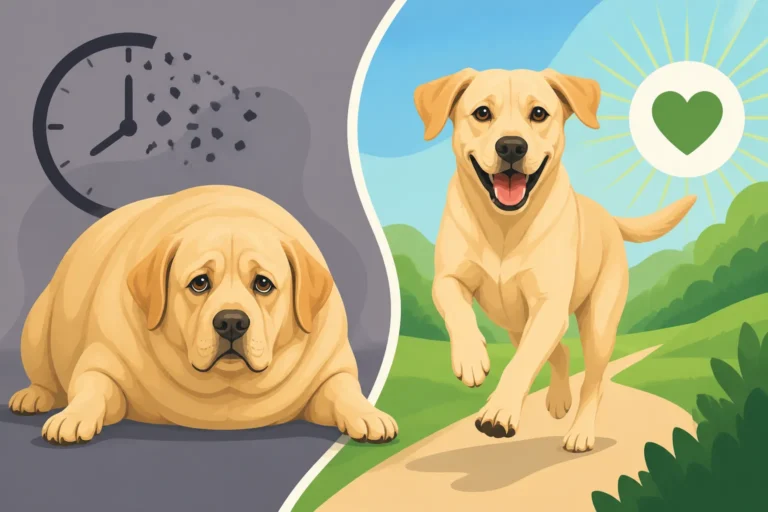
- Weight management: Keeping your Labrador at a lean, healthy weight is one of the most impactful things you can do to prevent and alleviate joint pain. Your vet can help you determine the ideal body condition score for your individual dog.
- Gentle exercise: While Labradors need exercise, adjust the intensity and duration based on their age and health. Swimming can be an excellent low-impact option for dogs with joint issues.
- Ramps and steps: For older Labs or those with mobility issues, ramps can help them access cars, beds, or furniture without painful jumping.
- Paw care: Regularly check and trim their nails, and keep paw pads moisturized to prevent cracking.
- Supplements: Discuss with your vet whether joint supplements like glucosamine or fish oil could benefit your Labrador.
- Pet insurance: Unexpected vet bills for managing chronic pain conditions or emergency surgeries can be substantial. A good pet insurance plan, such as one from Healthy Paws, can provide peace of mind and ensure you can afford the best care for your beloved companion without financial worry.
Remember, your Labrador relies on you to be their voice. By understanding their subtle cues and acting proactively, you can help them navigate life with as much comfort and joy as possible.
Here's a quick comparison of normal versus pain-indicating behaviors:
| Behavior Category | Normal Labrador (No Pain) | Labrador in Pain (Subtle Cues) |
|---|---|---|
| Activity/Play | Eager, sustained play, retrieves with enthusiasm, bounds. | Less keen to play, stops sooner, lags on walks, hesitant jumps. |
| Social Interaction | Affectionate, seeks attention, greets enthusiastically. | Withdrawn, seeks solitude, irritable when touched, clingy. |
| Rest/Sleep | Sleeps soundly, settles quickly, relaxed posture. | Restless, frequent position changes, struggles to settle/get up. |
| Posture/Gait | Fluid movement, level back, balanced stance. | Hunched back, stiff gait, "puppy sit," favoring a limb, head bob. |
| Grooming | Normal licking, tidy coat. | Excessive licking/chewing of one area, "hot spots," dull coat. |
| Facial Expression | Relaxed, bright eyes, soft mouth. | Squinting, tense eyes, furrowed brow, tight lips, "worried" look. |
| Response to Touch | Enjoys petting, relaxed muscles. | Fliching, growling, pulls away, muscle tension/guarding. |
| Appetite | Eager eater, clears bowl quickly. | Picks at food, refuses meals, difficulty chewing. |
| Elimination | Easy, normal posture for urination/defecation. | Strains, hunched posture, difficulty squatting, accidents. |
Disclaimer
This article is intended for informational purposes only and does not constitute veterinary advice. If you suspect your Labrador is in pain or unwell, please consult a qualified veterinarian immediately. They can provide an accurate diagnosis and appropriate treatment plan.