Whether a Labrador Should Have a Gastropexy
The fear of Gastric Dilatation-Volvulus, commonly known as bloat, is a heavy burden for many Labrador owners. This terrifying condition can strike suddenly, turning a happy, healthy dog into a critical emergency in a matter of hours, often leading to heartbreaking outcomes despite immediate veterinary care. This guide aims to shed light on bloat and comprehensively discuss gastropexy, a preventative surgical procedure, to help you understand if it's a suitable option for your beloved Labrador.
Understanding Bloat in Labradors: A Frightening Reality
For those of us with deep-chested breeds like Labradors, the word "bloat" carries a chilling weight. It's not just a little indigestion; it's a rapidly progressing, life-threatening condition that demands immediate veterinary attention. Understanding exactly what it is, why Labradors are particularly susceptible, and the urgency it requires is the first step in protecting our furry family members.
What Exactly Is Gastric Dilatation-Volvulus GDV
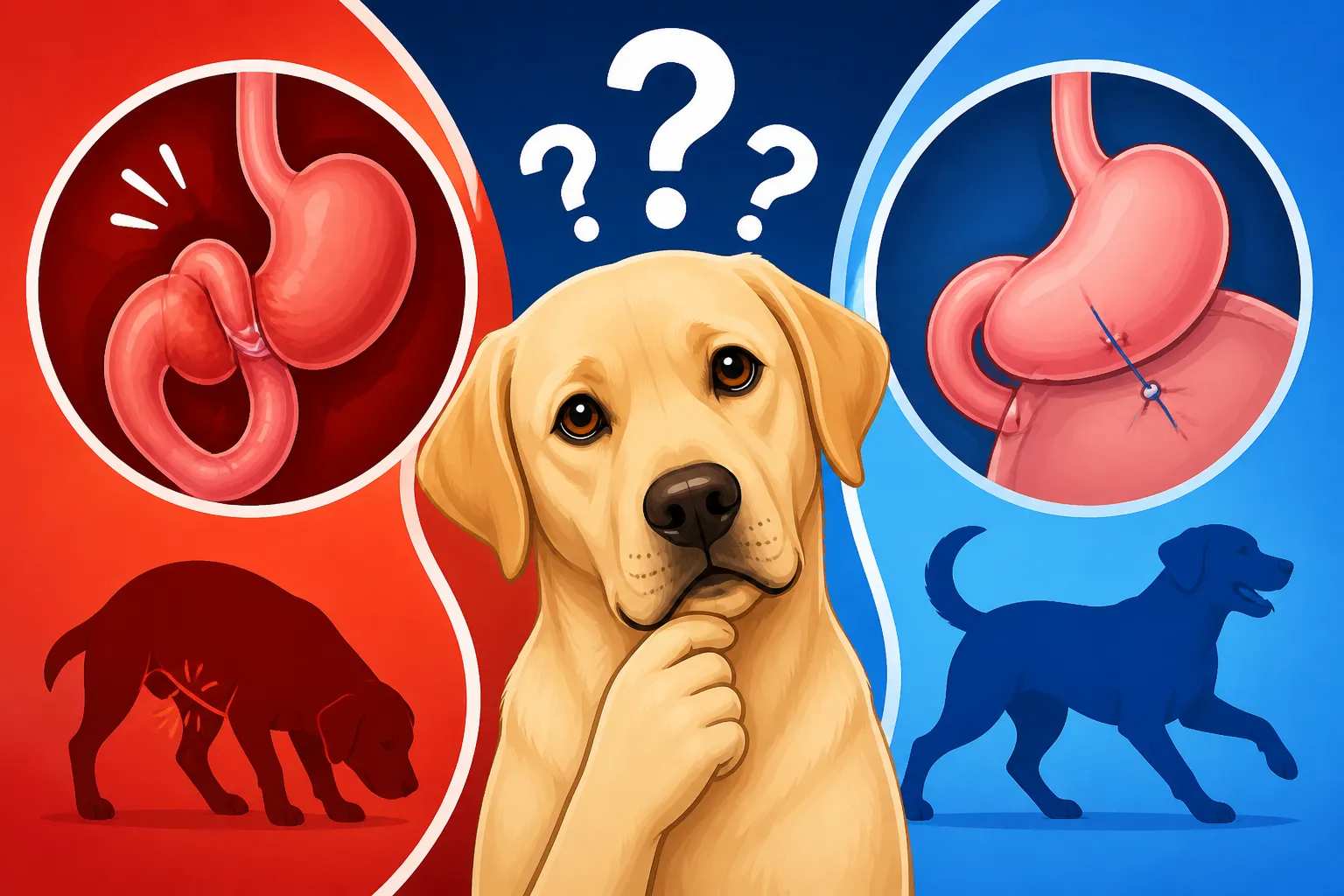
Gastric Dilatation-Volvulus, or GDV, is a complex and often fatal condition that occurs when a dog's stomach fills with gas, food, or fluid (dilatation) and then twists upon itself (volvulus). Imagine a balloon inflating rapidly inside your dog's abdomen, then twisting its neck shut. This twisting cuts off blood supply to the stomach and often the spleen, leading to tissue death, shock, and a cascade of other severe physiological problems. The pressure also impedes blood flow back to the heart, causing circulatory collapse. It's a true medical emergency, and time is absolutely critical. Without intervention, death can occur within hours.
The initial distension of the stomach can be incredibly painful, and as it twists, the pain intensifies, leading to severe discomfort and distress for your Labrador. Many owners describe their dog attempting to vomit or dry heaving without producing anything, pacing restlessly, or exhibiting signs of profound pain. This condition doesn't discriminate based on age, though it's more common in middle-aged to senior dogs. It can happen to any Labrador, at any time, which is what makes it so terrifying.
Why Labradors Are at a Higher Risk
While GDV can affect any dog, large, deep-chested breeds are disproportionately affected. Labradors, with their athletic build and characteristic deep chests, unfortunately fall into this higher-risk category. The exact reasons aren't fully understood, but it's believed that the anatomical structure of a deep chest allows for more room for the stomach to distend and twist.
Beyond breed predisposition, several other factors are thought to increase a Labrador's risk. Eating rapidly, consuming one large meal a day instead of smaller, more frequent meals, vigorous exercise immediately before or after eating, and even stress or anxiety have all been implicated. While correlation doesn't always prove causation, these are common observations among veterinary professionals and owners who have experienced bloat. Family history can also play a role, suggesting a genetic component. If your Labrador's parents or close relatives experienced GDV, your dog's risk might be elevated. Understanding these risk factors is crucial, especially if your Labrador displays any of them. For more on this, you can read about Labrador Bloat Risk and Deep Chests.
The Terrifying Speed and Severity of Bloat
One of the most insidious aspects of bloat is how rapidly it progresses from subtle discomfort to a full-blown life-threatening crisis. Many owners report seeing their dog seemingly fine one moment, then exhibiting distress and a distended abdomen just an hour or two later. The initial signs can be easy to miss: restlessness, drooling, panting, or simply looking uncomfortable. As the condition worsens, dry heaving, a visibly distended abdomen, and signs of extreme pain and shock (pale gums, rapid shallow breathing, weakness) become apparent.
If you suspect bloat, there is no "wait and see" period. Every minute counts. Getting to an emergency veterinary clinic immediately is paramount. You might not have time to call your regular vet; locating the nearest emergency clinic beforehand is a proactive step every Labrador owner should take. Emergency surgery is the only treatment, and even with prompt intervention, the mortality rate can be as high as 15-30%. The sheer speed and devastating severity make preventative measures like gastropexy a serious consideration for many owners. Recognizing Bloat Symptoms in a Labrador Retriever and knowing the Emergency Steps When a Labrador Bloats could be the difference between life and death.
What is a Gastropexy and How Does It Work?
Given the harrowing reality of bloat, it's natural to seek preventative options. This is where gastropexy comes in – a surgical procedure specifically designed to prevent the stomach from twisting, thereby eliminating the most dangerous aspect of GDV.
The Surgical Procedure Explained
A gastropexy is a surgical procedure where a portion of the stomach is permanently attached to the abdominal wall. This attachment prevents the stomach from twisting, even if it dilates with gas. It doesn't prevent the stomach from bloating (filling with gas), but it does prevent the life-threatening volvulus (twisting), which is where the real danger lies. If a gastropexied dog's stomach fills with gas, they would still experience discomfort and need veterinary attention to decompress the stomach, but the critical, often fatal, twisting would be averted.
The procedure can be performed in several ways, and the best option often depends on your veterinarian's expertise, the equipment available, and whether it's being done electively or as part of an emergency bloat surgery.
Types of Gastropexy: Traditional, Laparoscopic, Incisional
There are primarily three approaches to performing a gastropexy:
- Traditional Open Gastropexy: This involves a larger incision in the abdomen, similar to a standard spay or neuter surgery, to access the stomach directly. The surgeon then creates a permanent adhesion between the stomach and the abdominal wall. This is a very effective method and is often performed if a dog is already undergoing another abdominal surgery, like a spay, or if it's an emergency GDV surgery where stabilization and untwisting of the stomach are the immediate priorities.
- Laparoscopic-Assisted Gastropexy: This minimally invasive technique uses a laparoscope (a small camera) and specialized instruments inserted through tiny incisions. The surgeon uses the camera to guide the instruments and perform the pexy. This method often results in less pain, smaller scars, and a faster recovery time compared to traditional open surgery. It's an excellent option for elective prophylactic (preventative) gastropexy in healthy dogs.
- Incisional Gastropexy: This is a specific technique that can be performed during either an open or laparoscopic approach. A small incision is made in the stomach wall and a corresponding incision in the abdominal wall, and then the two edges are sutured together. This creates a strong, permanent bond.
The choice of technique often comes down to your veterinary clinic's capabilities and your dog's specific circumstances. Discuss these options thoroughly with your vet to understand which approach they recommend and why.
How It Prevents Gastric Volvulus Twisting
The magic of gastropexy lies in its simplicity and effectiveness. By creating a permanent adhesion between the stomach and the body wall, it anchors the stomach in place. Think of it like tethering a balloon to the floor. Even if the balloon inflates, it can't spin freely and twist its neck.
This attachment, typically involving the pyloric (outlet) portion of the stomach, significantly reduces the stomach's mobility. If gas or fluid accumulates, causing the stomach to distend, the attached portion prevents it from rotating around its axis. This means your Labrador would still experience the painful distension of bloat, but the critical and often fatal twisting element (the "volvulus") would be prevented. While decompression of the stomach would still be necessary, the immediate, life-threatening crisis of a twisted stomach, along with the associated shock and damage to organs, is averted. This preventative measure is what gives so many Labrador owners peace of mind.
Deciding if Gastropexy is Right for Your Labrador
The decision to put your healthy dog through surgery is never easy, especially an elective one. It's a significant financial and emotional commitment. For Labrador owners, weighing the risk of bloat against the benefits and risks of gastropexy requires careful consideration, discussion with your vet, and a clear understanding of your dog's individual circumstances.
Risk Factors to Consider
Before deciding on a gastropexy, consider your Labrador's individual risk profile. While all Labradors are considered at a higher risk due to their deep chests, some might have additional factors at play:
- Breed Predisposition: As established, Labradors are predisposed. This alone is a strong argument for many owners.
- Family History: If your Labrador has siblings, parents, or close relatives who have experienced GDV, their personal risk is likely elevated. This genetic component is a crucial consideration.
- Eating Habits: Does your Labrador eat incredibly fast? Do they gulp their food down in minutes? Do they only eat once a day? These habits are often associated with increased bloat risk. You might try slow feeder bowls or multiple smaller meals, but a gastropexy offers a more definitive solution.
- Temperament: Anxious, stressed, or highly excitable dogs are sometimes noted to have a higher incidence of bloat, though this link is less clear-cut than physical factors.
- Age and Sex: Older, intact male dogs sometimes show a slightly higher incidence, but bloat can affect any dog.
- Weight: While not directly linked to GDV risk, maintaining a healthy weight is vital for overall health. Learn more about Labrador Obesity and the Years It Costs to ensure your dog is in optimal condition.
A thorough conversation with your veterinarian, detailing your Labrador's specific health history, family background, and daily routines, will help you assess these risk factors accurately.
Pros and Cons of the Procedure
Like any medical procedure, gastropexy comes with its own set of advantages and disadvantages that need to be carefully weighed.
| Aspect | Pros of Gastropexy | Cons of Gastropexy |
|---|---|---|
| Prevention | Effectively prevents gastric volvulus (twisting), the life-threatening component of bloat. | Does not prevent gastric dilatation (stomach filling with gas), though less dangerous. |
| Peace of Mind | Significantly reduces owner anxiety about the sudden onset of fatal bloat. | Still requires observation for signs of gas accumulation, which needs vet attention. |
| Timing | Can be performed electively, often alongside other routine surgeries. | Involves general anesthesia and surgical risks. |
| Cost | Prophylactic surgery is less expensive than emergency bloat surgery (which can be thousands). | Initial upfront cost, which can be substantial for a planned surgery. |
| Recovery | Elective surgery allows for planned recovery and post-op care in a stable setting. | Post-operative pain and activity restrictions. |
| Lifelong | Provides lifelong protection against stomach twisting. | Potential for minor surgical complications (infection, dehiscence). |
For many Labrador owners, the peace of mind knowing they've dramatically reduced the risk of their dog suffering from fatal bloat outweighs the cons. The thought of avoiding a panicked, late-night emergency drive to the vet and a potentially devastating outcome is a powerful motivator.
Timing and Concurrent Surgeries
One of the most common times for an elective gastropexy to be performed is concurrently with a spay or neuter surgery. This is often recommended because the dog is already under general anesthesia, and an abdominal incision is already being made (for open procedures), streamlining the process and reducing the overall anesthesia time compared to two separate surgeries.
However, gastropexy can be performed at any age once your Labrador is healthy and has reached a reasonable size. Many vets recommend it once the dog is fully grown, typically around 1-2 years of age. If you're considering spaying or neutering your Labrador, discussing gastropexy at the same time is a smart move. Factors like growth plate closure and joint health often influence the timing of spay/neuter in large breeds, so your vet can help you make an informed decision on combining these procedures. You might want to consider When to Spay or Neuter a Labrador in conjunction with this decision.
It's important to remember that pet insurance can be a huge help with these decisions. Providers like Healthy Paws often cover elective procedures like gastropexy if it's deemed medically necessary or preventative, which can significantly ease the financial burden. Always check your specific policy details.
After the Gastropexy: Recovery and Long-Term Care
Undergoing surgery is a big deal for any dog, and a gastropexy, even when elective and minimally invasive, requires a period of careful recovery. Knowing what to expect during this time and understanding the long-term implications will ensure your Labrador bounces back quickly and stays healthy.
Immediate Post-Operative Care
The first few days and weeks after a gastropexy are crucial for proper healing. Your Labrador will likely come home with pain medication and possibly antibiotics. It's essential to follow all post-operative instructions from your veterinarian religiously.
Key aspects of immediate post-operative care include:
- Pain Management: Administer all prescribed pain medication on schedule. Even if your Labrador seems fine, they are likely experiencing some discomfort, and keeping it managed will aid in their recovery.
- Activity Restriction: This is perhaps the most important part. Your Labrador will need strict rest. This means no running, jumping, stairs, or rough play for several weeks (typically 2-4, but follow your vet's specific advice). Short, leashed walks for potty breaks only are usually permitted. This restriction prevents stress on the incision site and allows the stomach to form a strong, permanent adhesion to the abdominal wall.
- Incision Site Monitoring: Keep a close eye on the incision. Look for signs of redness, swelling, discharge, or if the sutures appear to be coming undone. Prevent your Labrador from licking or chewing the incision, which usually means an Elizabethan collar (e-collar) will be necessary.
- Feeding: Your vet will provide specific feeding instructions. Often, it involves a bland diet for a few days and then a gradual return to their regular food. Small, frequent meals are usually recommended even long-term, which is a good habit to prevent bloat-related issues.
- Comfort: Provide a quiet, comfortable space for your Labrador to rest away from household commotion. Soft bedding and easy access to water are essential.
While your Labrador might seem like their usual energetic self after a few days, it's vital to remember that internal healing takes time. Patience and strict adherence to your vet's guidelines will ensure the best outcome.
Potential Complications and What to Watch For
While gastropexy is generally a safe procedure, especially when done electively on a healthy dog, no surgery is without risk. Complications are rare but can include:
- Infection: Any surgical incision can become infected. This is why keeping the site clean and preventing licking is so important.
- Suture Dehiscence: The sutures could potentially break down, or the adhesion might not form properly, leading to the stomach detaching. This is very uncommon with modern surgical techniques and proper post-operative care.
- Anesthetic Complications: All general anesthesia carries some risk, though these are minimized through pre-surgical screenings and careful monitoring.
- Digestive Upset: Some dogs might experience temporary nausea, vomiting, or changes in appetite after surgery.
Watch for any signs that your Labrador isn't recovering well: persistent vomiting, refusal to eat or drink, lethargy, fever, or any significant changes at the incision site. Don't hesitate to call your vet if you have any concerns. Remember, even with a gastropexy, your Labrador can still experience gastric dilatation (bloat without twisting), so recognizing Bloat Symptoms in a Labrador Retriever is still important, albeit less urgent.
Life With a Gastropexied Labrador
The good news is that after a successful recovery, a gastropexied Labrador can live a full, active, and normal life. The procedure itself does not generally impact their digestion or overall well-being. The primary benefit, of course, is the dramatic reduction in the risk of life-threatening GDV.
You can still continue with all the activities your Labrador loves, from retrieving to swimming, without the constant underlying fear of bloat. This can be particularly reassuring for highly active dogs. For example, if your Labrador is prone to vigorous play or enjoys swimming, activities sometimes associated with bloat risk, a gastropexy offers invaluable protection.
However, a gastropexy is not a license to disregard all other bloat prevention strategies. It's still wise to:
- Feed two or more smaller meals a day instead of one large one.
- Avoid strenuous exercise immediately before or after meals.
- Use a slow feeder bowl if your Labrador gulps food.
- Ensure constant access to fresh water.
These practices contribute to overall digestive health and can help prevent gastric dilatation, even if the stomach can no longer twist. The financial implications of an emergency can be vast; a gastropexy, even with its upfront cost, is usually far less than Which Labrador Problems Cost the Most to Treat in an emergency GDV situation. Having robust Pet Insurance for a Labrador Retriever like Healthy Paws can provide crucial support, not just for planned preventative surgeries but also for unexpected Labrador Emergency Vet Bills or other health concerns like Labrador Arthritis in Middle Age that may arise as your dog ages. A gastropexy is a powerful tool in your Labrador's long-term health plan, offering invaluable peace of mind.
Disclaimer
The information provided in this article is for general informational purposes only and is not a substitute for professional veterinary advice. Always consult with a qualified veterinarian regarding any medical condition or treatment options for your Labrador.