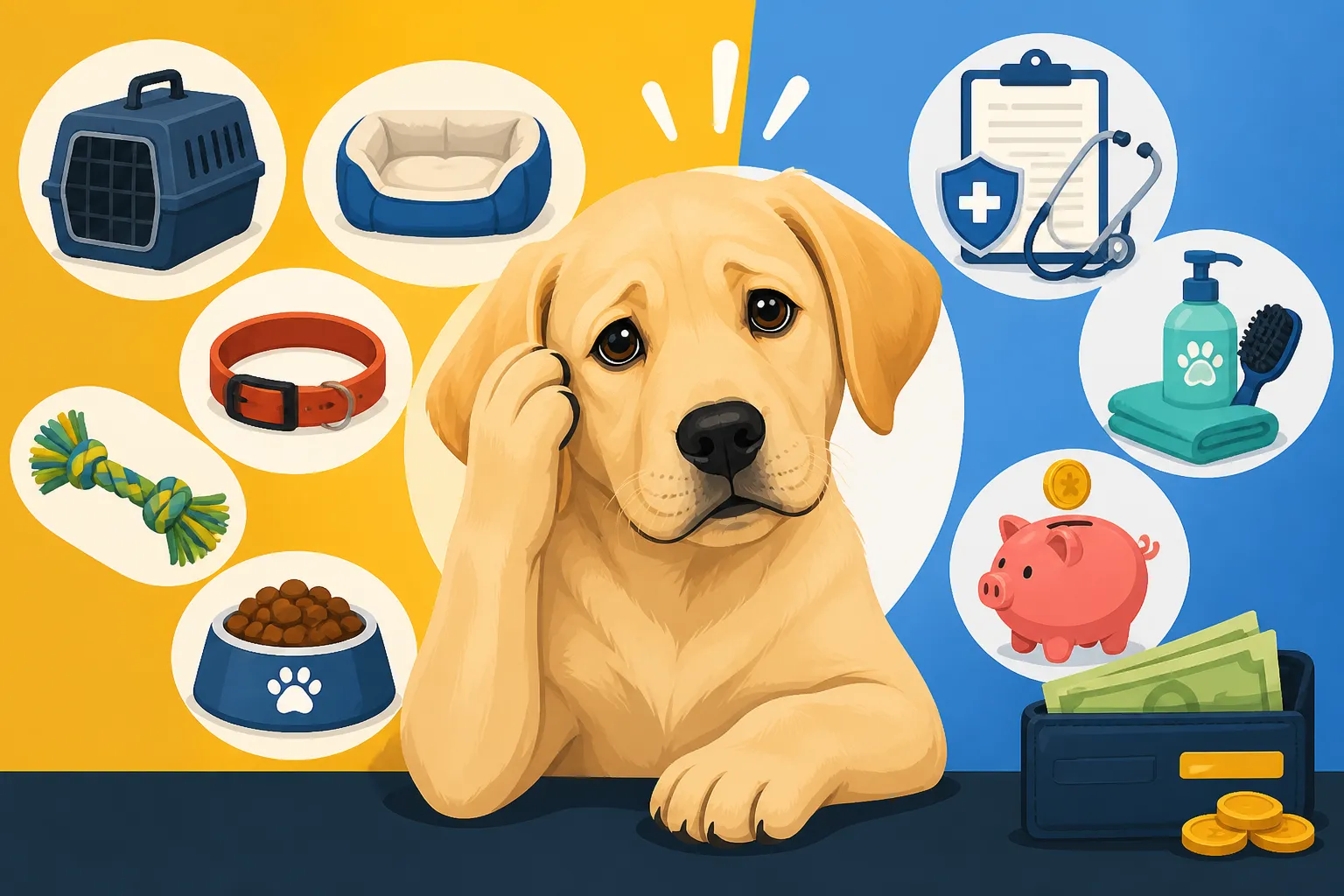
First Year Costs New Labrador Owners Forget
Bringing home a Labrador puppy is an incredibly exciting time, filled with dreams of long walks, happy retrieves, and endless cuddles. What many new owners don't fully grasp, however, is that the initial purchase price or adoption fee is often just the tip of the iceberg when it comes to first-year expenses. Beyond the obvious food and vet visits, there's a whole host of "forgotten" costs that can quickly add up, leaving you feeling overwhelmed. This comprehensive guide will shine a light on those often-overlooked financial commitments, helping you budget realistically for your new furry family member's crucial first year.
The Hidden Cost of Puppy Proofing Your Home
When you envision preparing for a puppy, you might think of a cozy bed and some chew toys. However, a Labrador puppy's boundless curiosity and strong chewing drive mean that "puppy proofing" often extends far beyond the basic necessities, sometimes involving replacing items you never thought they'd touch. This protection isn't just for your belongings; it's vital for your puppy's safety too.
Protecting Your Belongings and Your Labrador
Labrador puppies are renowned for their mouthing and chewing phases, which can feel relentless during their first year. While you’ll certainly invest in a variety of robust chew toys (and you'll quickly learn which ones actually stand a chance against those powerful jaws!), the reality is that your puppy will likely find other, less appropriate items to gnaw on. Picture coming home to discover that your brand-new leather shoes have become a fascinating texture experiment, or that the leg of your antique coffee table now bears distinct canine teeth marks. These aren't just minor annoyances; they can translate into significant replacement or repair costs. We're talking about everything from remote controls and phone chargers, which present a real danger if ingested, to more expensive furniture, rugs, and even baseboards. If you want to delve into this specific issue, we have an article on Replacing Baseboards a Labrador Chewed that highlights just how common this can be. Your pup isn't doing it to be naughty; they're exploring their world with their mouths, and sometimes, your favorite possessions become collateral damage in that exploration.
Safety Beyond Chewing: Gates and Containment
Beyond the chewing, managing a boisterous Labrador puppy in a home requires serious containment strategies. Those cute, tiny puppy gates you saw at the pet store might suffice for a few weeks, but a growing Labrador will quickly learn to lean on them, jump over them, or even simply push them aside. Investing in sturdy, tall baby gates or even custom-built barriers for certain areas of your home becomes a forgotten necessity. Think about the kitchen, where curious noses can reach counters and stovetops, or the stairs, which can be dangerous for rapidly growing joints. If you have a yard, ensuring it's truly escape-proof is another significant, often underestimated, expense. A Labrador can be surprisingly adept at finding weaknesses in fencing, and a simple walk around your property might reveal gaps under gates, low spots, or even flimsy sections that need reinforcing or replacing entirely. The cost of securing your home, both indoors and out, is an investment in your puppy's safety and your peace of mind, but it’s rarely factored into initial budgets.
Training and Socialization: More Than Just Basic Obedience
Labradors are famously smart and eager to please, which gives many new owners the impression that training will be a breeze. While they are highly trainable, the sheer volume of training and socialization required in the first year to mold a well-adjusted adult Labrador is often a forgotten financial commitment. It’s not just about teaching "sit" and "stay."
Puppy Classes and Beyond
Many new puppy owners enroll in a basic puppy kindergarten class, which is a fantastic starting point. It helps with fundamental commands and crucial early socialization. However, the cost often doesn't stop there. A Labrador's adolescence, typically between six months and two years, can bring new behavioral challenges. That perfectly behaved puppy might suddenly develop selective hearing, pull like a freight train on the leash, or start jumping on everyone they meet. Addressing these issues often requires more advanced obedience classes, specialized workshops (like leash manners or recall), or even private training sessions with a professional. Consider also the cost of high-value training treats – a small but ongoing expense that can add up when you're working on multiple behaviors daily. Our comprehensive guide, Training a Labrador From Puppy to Adult, goes into detail about the continuous nature of their learning journey. These follow-up training investments are vital to solidify good habits and manage unwanted behaviors before they become entrenched, and they are definitely not a one-time fee.
Critical Socialization Experiences
Socialization isn't just about your puppy meeting other dogs in a controlled class setting. It's about broad exposure to the world in a positive and safe way during their crucial developmental windows. This means taking your puppy to various environments: bustling town centers (from a safe distance, initially), quiet parks, pet-friendly stores, and different types of surfaces like gravel, grass, and pavement. Each new experience, from the sound of a garbage truck to the sight of a person in a hat, contributes to a confident, well-adjusted adult. These experiences can incur costs. Perhaps you need to travel further to find suitable, safe spaces, or invest in a sturdy car harness for safe transport. Some owners opt for puppy daycare a few times a week, not just for exercise, but specifically for structured socialization with other dogs and people in a supervised environment. Sometimes, you might even hire a professional dog walker who is skilled in providing enriching, social outings. The article Socializing a Labrador Puppy explains why this is so critical. These aren't "optional extras" but fundamental investments in your Labrador's psychological well-being, yet their costs are frequently underestimated.
Health and Wellness: Unexpected Vet Visits and Preventative Care
While a reputable breeder provides initial health clearances and vaccinations, and rescues often ensure basic vetting, the first year of a Labrador's life is packed with ongoing health needs and a surprising number of unexpected bumps and scrapes. These costs can quickly eclipse the planned vet visits.
Beyond Core Vaccinations: Parasite Prevention and Accidents
Beyond the initial puppy vaccination series, your Labrador will need regular parasite prevention year-round. This includes monthly heartworm medication and ongoing flea and tick preventatives, which can be a significant recurring expense. Many owners forget to factor in these costs, which can easily be hundreds of dollars annually for a large breed like a Labrador. Then there are the unexpected health issues. Puppies, especially Labradors with their penchant for putting everything in their mouths, are prone to gastrointestinal upsets from eating something they shouldn't. Ear infections are also common, particularly if your water-loving Lab gets too much moisture trapped in their ears, a topic explored further in our article on Labrador Ear Infections and Swimming. Minor injuries from overzealous play, an allergic reaction to a new plant, or even just a mysterious limp can all lead to urgent vet visits and diagnostic tests. It’s not uncommon for a new Labrador owner to find themselves at the emergency vet at 2 AM after their pup ingested something questionable. The article Labrador Puppy Health in the First Year delves deeper into what to expect. These "surprise" vet bills can be quite substantial and easily overlooked in the initial budget.
The Value of Early Insurance or Savings
Faced with potentially high, unpredictable veterinary costs, many new Labrador owners find themselves wishing they had planned ahead. This is where pet insurance, or a dedicated emergency savings fund, truly shines. While some might consider pet insurance an added luxury, for a breed like a Labrador that can be prone to certain genetic conditions (even with responsible breeding), and with their curious, accident-prone puppy nature, it can be a lifesaver. Companies like Healthy Paws offer various plans that can help cover a significant portion of unexpected veterinary emergencies, surgeries, and even some illnesses. It’s important to research what a policy covers and its deductibles and reimbursement rates, but having that safety net can make a world of difference when a crisis hits. Alternatively, establishing a specific savings account for your Labrador's health, steadily contributing to it each month, can provide a similar buffer. Our articles on Pet Insurance for a Labrador Retriever and Setting Up an Emergency Fund for a Labrador offer valuable insights into these financial strategies. The foresight to plan for these unforeseen circumstances is a forgotten cost, but one that can prevent immense stress down the line.
Ongoing Supplies and Lifestyle Adjustments
A Labrador puppy grows at an astonishing rate, transforming from a tiny, adorable fluffball into a large, energetic companion in a matter of months. This rapid growth means that many of the initial supplies you purchase won't last their first year, leading to a cycle of replacements and upgrades that often slips under the radar of new owners.
Growing Pains: Food, Toys, and Gear Upgrades
That small bag of puppy food you bought? It won't last long. Labradors consume a surprising amount of food as they grow, and their dietary needs change as they transition from puppy to adult formulas. The Labrador Puppy Feeding Amounts and Schedule will help you understand the scale. The cost of premium large-breed puppy food, which is crucial for proper bone and joint development, is a significant monthly expense that increases as they grow. Beyond food, your initial puppy collars, harnesses, and beds will quickly become too small. Expect to purchase at least two or three different sizes of these items within the first year. Toys, too, are an ongoing investment. Those "indestructible" toys often prove no match for a determined Labrador chewer, meaning frequent replacements. Online retailers like Chewy are excellent for finding a wide variety of durable toys, but the cost of keeping your pup entertained and their chewing directed appropriately can add up. We have a dedicated guide on Chew Toys That Survive a Labrador that can help you find some worthy contenders. It's a constant battle between their growing size and their innate desire to chew and play.
Professional Grooming and Unexpected Conveniences
While Labradors have a relatively low-maintenance coat, "low-maintenance" doesn't mean "no maintenance." Their dense double coat requires regular brushing, especially during shedding seasons. While you can do this yourself, some owners opt for professional grooming appointments for thorough deshedding, nail trims (which can be tricky for a wriggly puppy), and ear cleaning. These services come with a fee. Furthermore, life with a high-energy Labrador often necessitates certain conveniences that carry a cost. If your work schedule is demanding, you might find yourself needing a dog walker to ensure your pup gets enough exercise and potty breaks, particularly during their puppyhood when they can't hold it for long. Puppy daycare, beyond socialization, can also be a godsend for managing their energy levels during the workday. Then there’s the food itself. While dry kibble is common, some owners opt for fresh food delivery services, like Ollie, which can offer tailored nutrition but at a higher price point. These "convenience" costs, while making your life easier and your Labrador happier, are rarely budgeted for but become essential for many busy owners.
A Labrador's first year is a whirlwind of growth, learning, and unforgettable moments, but it also comes with a financial reality that extends far beyond the initial adoption fee. By understanding these often-forgotten expenses, you can be better prepared to provide your new companion with everything they need to thrive.
Here’s a quick overview of some common and commonly forgotten costs:
| Cost Category | Expected (Budgeted) | Often Forgotten (Surprise!) |
|---|---|---|
| Initial Purchase | Adoption fee / Breeder price | Puppy proofing supplies (gates, secure bins) |
| Food & Treats | High-quality puppy kibble | Increasing quantities as they grow, gourmet treats for training |
| Vet Care | Core vaccinations, initial check-ups, spay/neuter | Monthly parasite prevention, emergency visits, specialist consults |
| Basic Supplies | Crate, bed, collar, leash, bowls, basic toys | Multiple size upgrades (collar, harness, bed), constant toy replacement |
| Training | Puppy kindergarten classes | Advanced obedience, specialized behavior training, private lessons |
| Grooming | Occasional home bathing and brushing | Professional deshedding, nail trims, ear cleaning, specialized shampoos |
| Home Maintenance | Cleaning supplies | Repair/replacement of chewed furniture, baseboards, landscaping |
| Contingency | (Hopefully an emergency fund) | Unexpected accidents, illnesses, behavioral consultations |
| Lifestyle Services | (Self-managed exercise and care) | Dog walkers, daycare, pet sitters, pet insurance premiums |
By carefully considering these overlooked expenses, you're not just budgeting for a pet; you're investing in a happy, healthy, and well-adjusted member of your family for many years to come. The financial commitment is substantial, but the joy and companionship a Labrador brings are truly priceless.
Disclaimer
This article is for general informational purposes only and does not constitute professional advice. Laws, prices and regulations vary by location and change over time. Consult a qualified professional for guidance on your specific situation.