First Commands to Teach a Labrador
Bringing a new Labrador puppy home is an exciting time, but it can also feel overwhelming when you realize just how much there is to teach them. Many new owners feel a bit lost, wondering where to even begin with all the excitement and boundless energy. This guide is here to walk you through the essential first commands to teach your Labrador, setting a strong foundation for a well-behaved and happy companion.
Setting the Stage for Success: Early Training Principles
When you first bring your Labrador puppy home, it's easy to get caught up in the cuteness and forget that training starts immediately. Even if they're just tiny fluff balls, their little brains are sponges, soaking up everything about their new world. Establishing good habits and communication from day one will make your life so much easier down the road, and honestly, it builds an incredible bond.
The "Why" Behind Early Training
Think about your Labrador as a blank slate, eager to learn the rules of your household. If you don't teach them what you do want them to do, they'll inevitably figure out what they want to do, and those behaviors might not always align with your preferences. Early training isn't just about teaching tricks; it's about establishing clear communication, trust, and ensuring their safety in a human world. It's about preventing problems before they start, like learning to greet people politely instead of jumping, or understanding that the tasty-looking sock isn't a chew toy.
For instance, a Labrador puppy naturally explores with their mouth. Without early guidance, that playful mouthing can escalate into painful nipping as they grow, and it's much harder to correct a six-month-old land shark than a small puppy. By starting early, you're channeling their natural instincts in appropriate ways. You're teaching them that listening to you is rewarding and that the world is a safe and predictable place when they follow your lead. This early foundation also helps them navigate new experiences with confidence, rather than fear or confusion, which is crucial for a well-adjusted dog.
Creating a Positive Learning Environment
Labradors thrive on positive reinforcement, and training should always feel like a fun game, not a chore or a punishment. Forget the old-school methods of force or intimidation; your Labrador will learn much faster and more enthusiastically if they associate learning with good things. This means using high-value treats, praise, and enthusiastic play to reward desired behaviors. When your puppy offers a "sit," even accidentally, a joyous "Yes! Good sit!" followed by a yummy treat will cement that action in their mind.
Keep your training sessions short and sweet, especially for puppies. Their attention spans are notoriously brief. Aim for How Long a Labrador Puppy Can Concentrate – just 3-5 minutes, several times a day, is far more effective than one long, boring session. This strategy, often referred to as Why Five Minute Sessions Work on a Labrador, prevents them from getting overwhelmed or frustrated. Find a quiet spot with minimal distractions initially, then gradually introduce more challenging environments as they gain confidence. A positive environment means they’re excited to engage with you, not stressed or bored.
Foundation Commands: Building a Basic Language
These are the absolute must-haves, the building blocks for all future learning and for ensuring your Labrador can safely and politely navigate the world. Getting these solid will be your first big win as a new Labrador owner.
"Sit" and "Down": The Cornerstones of Control
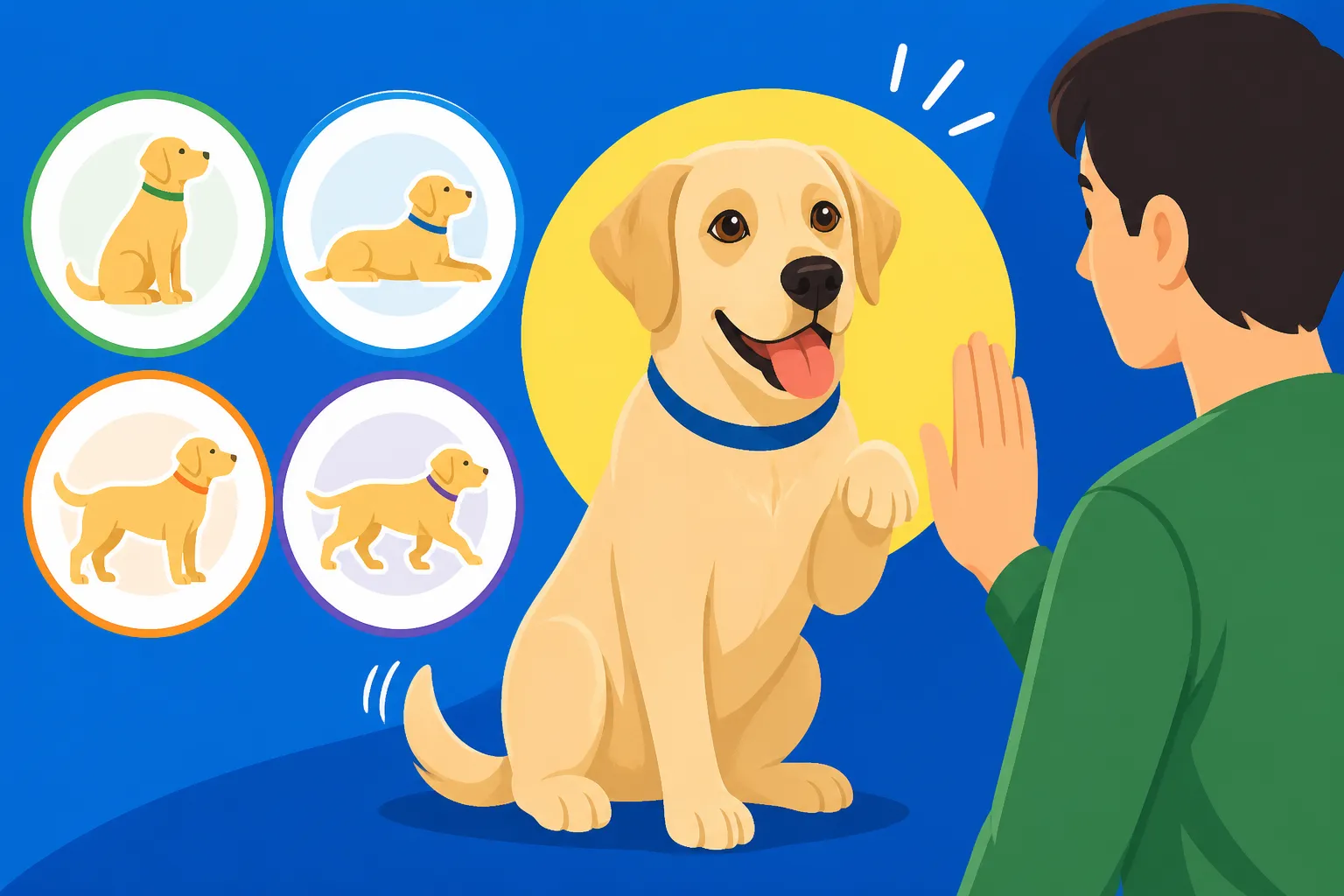
The "sit" command is often the first thing people teach, and for good reason! It's simple, natural for most dogs, and incredibly versatile. "Sit" can be used to ask for polite greetings instead of jumping, to wait patiently for their food bowl, or to pause before crossing a street. To teach it, hold a high-value treat near your puppy's nose and slowly move it back over their head. As their nose goes up, their bottom will naturally go down. The moment their rear touches the ground, say "Sit!" (or click with a Marker Training a Labrador With a Clicker) and give them the treat. Repeat this many, many times in short bursts.
Once "sit" is mastered, "down" follows naturally. It's an excellent command for settling your Labrador, especially when you need them to be calm in a busy environment or stay out of the kitchen while you're cooking. Start with your Labrador in a sit. Again, use a treat, but this time, hold it at their nose and slowly draw it straight down to the floor, then smoothly forward away from them. This motion encourages them to stretch out into a down position. As their elbows hit the ground, say "Down!" (or click) and reward. Practice both "sit" and "down" frequently throughout the day, in various locations, until they're second nature.
"Come": The Most Important Command for Safety
If there's one command you absolutely must nail, it's "come" (or "recall"). A reliable recall can quite literally save your Labrador's life, preventing them from running into traffic, chasing after wildlife, or getting lost. Start teaching "come" in a quiet, enclosed area like your living room or a fenced yard. Get down to their level, sound excited, and say "Come!" while holding out a treat. When they run to you, celebrate enthusiastically with praise and a fantastic treat. Don't just save it for when you need them to come; practice it constantly when you're just playing.
Make coming to you the most rewarding thing ever. Avoid using "come" when you're angry or to do something they dislike (like giving them a bath). This builds a positive association. As they get better, gradually increase distractions and the distance. You might even want to practice with a long line in a safe, open area to ensure they get the idea of coming back even when there are tempting smells or sights. Consistency is key here; every time they respond, make it a party! This command is so vital that it's worth investing significant time and effort into making it bulletproof.
"Stay": Developing Patience and Reliability
"Stay" is a challenging but incredibly useful command, teaching your Labrador self-control and patience. It works hand-in-hand with "sit" and "down" to create a well-mannered dog. Begin by asking for a "sit" or "down." Then, with an open palm facing them, say "Stay" in a calm voice. Take just one tiny step back, then immediately step forward, praise, and reward them for holding the position. Gradually increase your distance and the duration of the stay.
The trick with "stay" is to always go back to your dog to release them and reward them, rather than calling them to you initially. This reinforces that they must hold the position until you give the release cue (like "Okay!" or "Free!"). If they break the stay, calmly lead them back to their original spot, reset them, and start again. Never scold them for breaking; simply try again. Patience is crucial here for both you and your Labrador. A reliable "stay" means you can open the front door without them bolting, or set their food bowl down without them diving in.
| Command | Purpose | Key Training Tip |
|---|---|---|
| Sit | Polite greetings, waiting, basic control | Lure with a treat over the head; reward quickly. |
| Down | Settling, calming, longer stays | Lure with a treat to the floor and away; reward. |
| Come | Safety, emergency recall, strong bond | Make it a party! High-value treats and enthusiasm. |
| Stay | Patience, self-control, holding position | Start with tiny distances/durations; reward at dog. |
| Off | No jumping, keeping paws on floor | Redirect paws off object; reward "four on the floor". |
| Leave It | Safety from dangerous items, impulse control | Cover tempting item, reward for looking away. |
Manners and Management: Addressing Common Labrador Puppy Behaviors
Labradors, especially puppies, come with some universal tendencies that, while adorable at first, can become problematic if not guided. Addressing these early on ensures your spirited companion develops into a polite and manageable adult.
"Off" and "Leave It": Preventing Counter Surfing and Chewing
Labradors are notorious counter surfers and master scavengers. Their powerful noses and love for food mean anything left within reach is fair game. This is where "Off" and "Leave It" become invaluable. "Off" is for when your Labrador has already put their paws on something they shouldn't, like the kitchen counter or a guest. Instead of pushing them away (which can feel like play to them), calmly say "Off" and gently guide them down. As soon as all four paws are on the floor, praise and reward them. The goal is to teach them that "four on the floor" gets attention and treats. Consistency from everyone in the household is crucial here to prevent Stopping a Labrador Counter Surfing for Good.
"Leave It" is an impulse control command, teaching your Labrador to ignore something tempting they haven't touched yet. This is incredibly important for their safety, whether it's preventing them from eating something dangerous on a walk or snatching your sandwich. Start with a low-value treat in your closed fist. Say "Leave It!" As soon as your Labrador looks away from your hand, even for a second, open your hand and reward them with a different, higher-value treat from your other hand. Gradually increase the difficulty by placing the treat on the floor, covering it with your hand, then eventually leaving it uncovered for short periods. This command is a game-changer for a curious Labrador.
"Gentle" or "Take It": Managing Mouthiness and Play Biting
Labrador puppies are mouthy little creatures. They explore the world with their mouths, and they play-bite with their littermates. While this is normal puppy behavior, it quickly becomes painful when directed at human hands or clothing. You need to teach them bite inhibition and what is appropriate to chew. The "Gentle" command can be great for teaching them how to take treats politely without nipping fingers. Hold a treat in your hand. If they snatch it or mouth hard, close your hand. Only when they delicately lick or gently take the treat do you release it, saying "Gentle!"
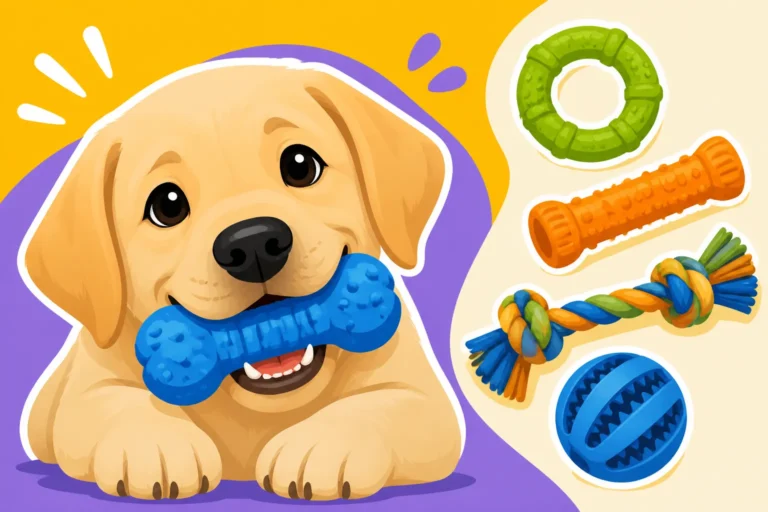
For general puppy nipping, redirection is key. When your Labrador puppy starts to mouth or bite, immediately redirect their attention to an appropriate chew toy. This could be a sturdy rubber toy or a specific type of Toys That Satisfy a Teething Labrador. If the nipping is persistent or painful, give a clear "ouch!" or "no!" and then immediately disengage from play, turning your back or even leaving the room for a few seconds. This teaches them that biting makes the fun stop. Consistency will help them understand When Labrador Puppy Mouthing Fades and that human skin is sensitive.
"Watch Me": Building Focus and Connection
The "Watch Me" command is a powerful tool for getting your Labrador's attention, especially in distracting environments. It helps you build a strong connection and establishes you as the focus, which is essential for all other training. To teach it, hold a treat near your nose. When your puppy makes eye contact, say "Watch Me!" (or click) and immediately reward them. Start in a quiet place, then slowly introduce more distractions.
Practicing "Watch Me" frequently strengthens your bond and helps your Labrador learn to check in with you, even when there are interesting things happening around them. This is especially useful during walks, when encountering other dogs, or in any situation where you need them to tune into you rather than their environment. A Labrador who reliably gives you their attention is a much easier and safer dog to manage in any situation. A great online resource like BAXTER & Bella can provide structured lessons on building this vital focus.
Beyond the Basics: Preparing for a Well-Adjusted Adult
Once your Labrador has a handle on these foundational commands, you've already laid an incredible groundwork. But training isn't a one-and-done event; it's an ongoing journey that evolves as your dog grows. Think of it as a continuous conversation between you and your loyal companion.
Incorporating Play into Training
Labradors are naturally playful and have an incredible drive to retrieve, which makes integrating play into training not just easy, but highly effective. Use their love for fetch or tug as a reward for good behavior. For example, after a successful "come" or "stay," instead of just a treat, toss their favorite ball. This makes training even more fun and reinforces that listening to you leads to exciting activities. Their retrieving drive can be a huge asset in training, as they often view bringing things back to you as an inherent reward.
Consider games like hide-and-seek with treats or toys, which uses their fantastic noses and encourages them to "come" to you. Practice commands during walks, turning a mundane stroll into a series of mini-training sessions. Ask for a "sit" at every curb, a "watch me" when another dog passes, or a short "stay" before releasing them to sniff an interesting bush. This makes training part of everyday life, rather than isolated events, and helps generalize commands to various situations. Toys from Amazon, especially those designed for tough chewers and interactive play, can be excellent tools for this.
Consistency and Patience: The Long Game
Raising a well-behaved Labrador is a marathon, not a sprint. There will be days when your puppy seems to forget everything you've taught them, especially during the adolescent phase around Handling a Labrador Between Six and Eighteen Months. This is completely normal! Dogs don't generalize commands easily, meaning they might know "sit" perfectly in the living room, but be completely clueless in a busy park. You'll need to re-teach commands in different environments, starting with less distraction and gradually increasing it.
Consistency from every family member is paramount. Everyone needs to use the same cues, expect the same behavior, and apply the same rewards. If one person lets the puppy jump on them and another scolds them for it, your Labrador will get confused. Patience is your superpower. Avoid getting frustrated or angry; it rarely helps and can damage your bond. If a session isn't going well, end it on a positive note with an easy command and a reward, then try again later. Remember, Why Labradors Are Ranked Easy to Train but it doesn't mean they are robots. They are sentient beings with good days and bad days, just like us.
Knowing When to Seek Professional Help
Even with the best intentions and consistent effort, sometimes you might hit a roadblock, or a specific behavior might emerge that feels beyond your capability to manage. This is absolutely normal and nothing to be ashamed of! Seeking professional help from a certified dog trainer or behaviorist is a sign of a responsible dog owner. They can offer personalized guidance, help identify the root cause of issues, and teach you advanced techniques that might be necessary.
If you find yourself struggling with persistent issues like excessive barking, significant leash pulling, fear-based behaviors, or even aggression, don't wait. Early intervention is always best. A good trainer can observe your interactions, point out subtle cues you might be missing, and provide a tailored plan. They can also introduce you to Labrador Puppy Class Costs or private lessons that could make a world of difference. Before committing to a trainer, make sure to What to Ask a Trainer Before Booking a Labrador to ensure they use positive, force-free methods that align with your values and are effective for your Labrador.
Disclaimer
This article is for general informational purposes only and does not constitute professional advice. Laws, prices and regulations vary by location and change over time. Consult a qualified professional for guidance on your specific situation.