Whether a Second Dog Helps a Lonely Labrador
It’s heartbreaking to see your beloved Labrador looking a little forlorn, isn't it? We all want our furry family members to be happy and engaged, and when you suspect your loyal companion might be experiencing loneliness, it’s natural to search for a solution. This guide will dive deep into whether bringing a second dog into your home is truly the answer for a lonely Labrador, exploring both the potential benefits and the often-overlooked challenges, so you can make the best, most informed decision for your whole household.
Understanding Your Labrador's Loneliness
Before we jump to conclusions or solutions, it's really important to get a good read on why you think your Labrador is lonely in the first place. Sometimes what looks like loneliness might actually be something else entirely, and understanding the root cause is half the battle.
Signs Your Labrador Might Be Lonely
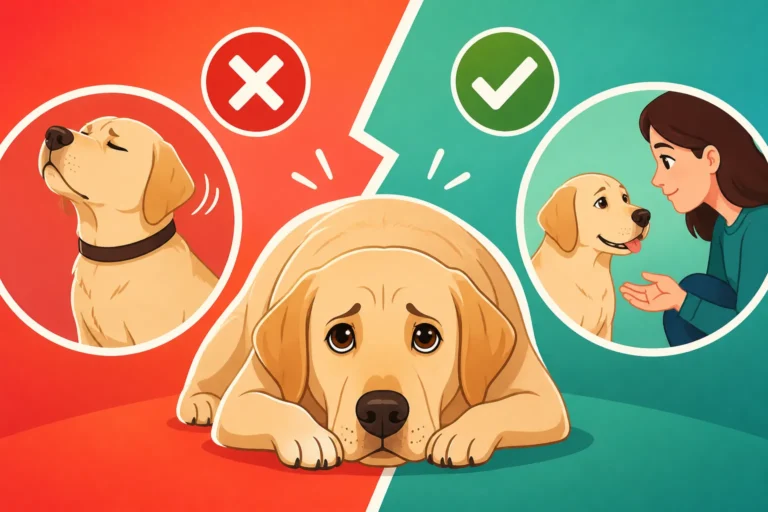
Labradors, bless their hearts, are social creatures. They thrive on companionship and being part of the family. When they’re feeling the pangs of loneliness, their behavior can change in noticeable, and sometimes destructive, ways. It's not always a sad gaze out the window, though that can certainly be part of it!
One of the most common signs you might see is an increase in destructive chewing, especially on items that smell like you or your family. Think shoes, remote controls, or even furniture legs. Your Lab isn’t being naughty for the sake of it; they're trying to cope with stress or boredom, and chewing releases endorphins, which can be self-soothing. This isn’t a sign of anger, but a cry for engagement or comfort. Another classic symptom is excessive barking or howling when left alone. Neighbors might even tell you they hear a mournful cry or incessant yaps that only stop when you pull into the driveway. This vocalization is often a direct plea for attention or a way to signal their distress.
Then there's the more subtle stuff. A lonely Labrador might become overly clingy when you are home, following you from room to room, never letting you out of their sight. They might even try to climb into your lap when you're sitting, despite their size, just seeking that physical connection they've missed. Alternatively, some Labradors might become withdrawn, losing interest in toys or games they once loved, or greeting you with less enthusiasm than usual. A sudden change in appetite or house-training accidents, especially if they were previously reliable, can also signal underlying distress. It’s a bit like us feeling down and losing our sparkle – our Labs can do the same.
What Causes Labrador Loneliness?
Pinpointing the cause of your Labrador's emotional state is crucial because a second dog isn't a universal fix. Often, people confuse loneliness with separation anxiety or simple boredom, but these are distinct issues with different approaches.
True loneliness, in the sense of missing companionship, often stems from a lack of sufficient social interaction. Maybe your work schedule changed, and your Lab is now spending significantly more hours alone than before. Perhaps a child went off to college, or another pet passed away, leaving a void. Labradors are bred to work alongside people, to retrieve and to engage, so a lack of meaningful interaction can hit them hard. They thrive on having a "job," even if that job is simply being your best buddy.
On the other hand, separation anxiety is a more complex behavioral issue. It’s not just sadness; it’s a panic response to being left alone, characterized by intense distress, destructive behavior, excessive vocalization, and sometimes self-harm attempts. While a second dog might distract a mildly anxious dog, it rarely cures true separation anxiety and can sometimes even lead to two anxious dogs. If you suspect your Labrador has this, check out our article on Separation Anxiety in Labrador Retrievers for more in-depth guidance. Boredom, too, can mimic loneliness. A Labrador who isn't getting enough physical exercise or mental stimulation might become destructive or noisy simply because they have too much pent-up energy and nothing to do. They're smart dogs, and a bored Labrador is a creative, often destructive, Labrador!
The Appeal and Reality of a Second Dog
The idea of getting a second dog to cure your first dog's loneliness is incredibly appealing. It conjures images of two happy Labs romping in the yard, snuggling on the couch, and keeping each other company all day long. And sometimes, this vision can absolutely become a reality! But it's vital to look at both sides of the coin with clear eyes.
The Hope: How a Companion Could Help
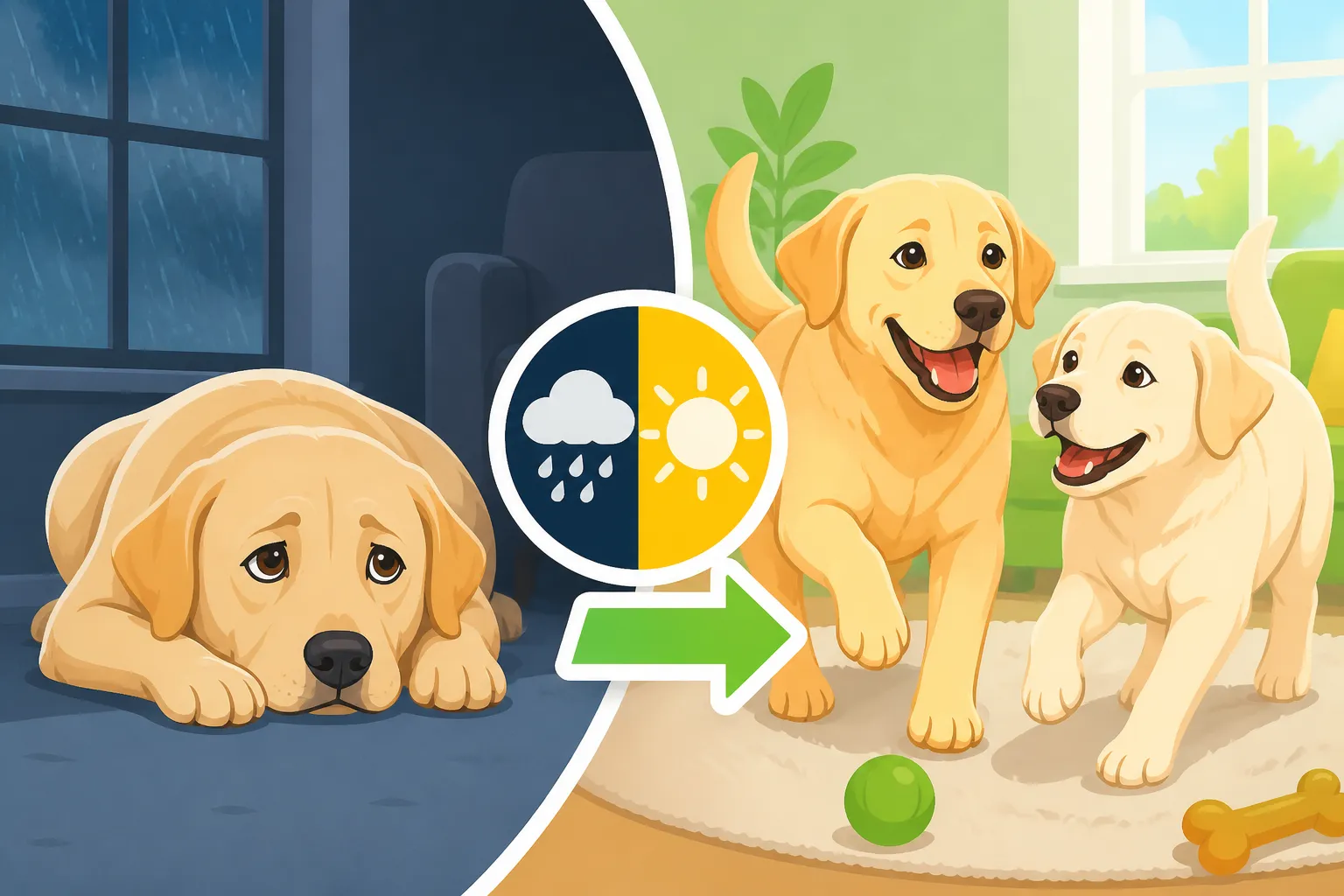
When it works, bringing a second dog into a lonely Labrador’s life can be truly magical. Imagine coming home to find your two Labs wrestling good-naturedly in the living room, or curled up together for a nap. A companion can provide constant company, offering mental and physical stimulation that you, as a human, simply cannot replicate for 8-10 hours a day.
A second dog can be a built-in playmate, reducing boredom and burning off excess energy through games of chase or tug. This can be particularly beneficial for high-energy Labs, who might not be getting enough exercise from solo walks or limited yard time. For a dog that genuinely feels a void from lack of canine companionship, another dog can fill that emotional space, offering comfort, a sense of security, and a partner in crime for all the good (and occasionally mischievous) things dogs do. They can teach each other good habits (and sometimes bad ones, we're honest here!), learn from each other, and simply enjoy the presence of another being who "speaks dog." It can be incredibly heartwarming to witness the bond grow between two dogs, especially if your first Lab seems to thrive on canine interaction.
The Reality: When a Second Dog Isn't the Answer
While the idea of a ready-made playmate is lovely, it's crucial to understand that a second dog is not always a guaranteed solution and can, in some cases, exacerbate existing problems or create new ones. This isn't about being a pessimist, but a realist. Adding a second dog means doubling your commitment, not halving your problems.
One of the biggest pitfalls is assuming a new dog will "fix" separation anxiety. If your Labrador's distress is rooted in a deep-seated panic about being alone, adding another dog might mean you now have two dogs with separation anxiety. The new dog might even learn to be anxious from your first dog. Instead of solving the original issue, you've essentially created a bigger, more complex problem. If you're dealing with true separation anxiety, the solution lies in specific behavior modification training, not necessarily canine companionship. Think about Building Alone-Time Tolerance in a Labrador Puppy as a foundational skill.
Beyond behavioral issues, consider the practicalities. Two Labs mean twice the food, twice the vet bills, twice the grooming, and twice the potential for chaos. If your existing Labrador has behavioral quirks like resource guarding (common in food-driven Labs!), territoriality, or leash reactivity, these issues can intensify with the introduction of another dog. Suddenly, you're managing not just one dog's issues, but the dynamics between two distinct personalities. You'll need to think about providing separate feeding areas, multiple beds, and enough personal space for each dog to feel secure. It's a significant financial and time commitment, and it's not fair to either dog if you're not fully prepared for that.
Before You Get a Second Dog: What to Consider
This is the really nitty-gritty part, where we pause and truly evaluate if another dog is a responsible and beneficial step for your family and, most importantly, for your current Labrador. It's not a decision to be taken lightly.
Assessing Your Labrador's Personality and Training
The first and most important step is to be brutally honest about your current Labrador. Is your Lab truly well-socialized and happy around other dogs? Think about their reactions at the dog park, on walks, or when a friend's dog visits. A dog who is fearful, reactive, or aggressive towards other dogs is absolutely not a good candidate for a canine companion. Introducing another dog in such a scenario would be setting both animals up for stress and potential conflict. Read our guide Labradors With Other Dogs to better understand their social dynamics.
Consider any existing behavioral issues. Does your Lab guard their food bowl? Are they protective of toys or specific spots in the house? Do they jump excessively, pull on the leash, or counter-surf? Adding another dog will not magically make these behaviors disappear; in fact, they might become worse, or the new dog might pick them up. It's often recommended that your first dog be a well-adjusted, well-trained individual before you introduce a second. If your current Labrador is struggling with basic manners, it’s best to address those first through consistent training, perhaps even with a professional trainer, before bringing another canine into the mix. This ensures a stable environment for everyone involved.
Preparing Your Home and Schedule for Two
Bringing a second dog means a complete reassessment of your home environment and your daily routine. Do you have enough physical space for two large, active dogs? This isn't just about floor space; it’s about having enough separate sleeping areas, enough room for them to eat undisturbed, and a safe, secure yard (if you have one) where they can play without constant supervision.
Your schedule will also need a serious overhaul. Are you prepared to train a new puppy or integrate an adult rescue dog, which often comes with its own set of adjustments? This means more walks, more playtime, and likely more individual training sessions. You might need to walk them separately at first, or dedicate time to individual cuddle sessions to ensure both dogs feel equally loved and valued. Don't underestimate the time commitment for exercise; two Labs might need different types or durations of activity. When you think about the financial impact, our article What a Second Labrador Adds to the Budget can give you a clear picture. Consider everything from increased food costs – and Labs can eat a lot! – to higher vet bills, potential training classes, and even larger dog beds from places like Amazon. It's a significant investment, so honest self-reflection here is crucial.
Exploring Alternatives to a Second Dog
Before committing to another dog, have you truly exhausted all other avenues for addressing your Labrador's loneliness or boredom? Sometimes, a simple adjustment to your routine or an investment in creative solutions can make a world of difference without the long-term commitment of a second pet.
One of the most effective strategies is increasing your Labrador's physical exercise and mental stimulation. A longer walk, a game of fetch in the park, or a visit to a dog-friendly hiking trail can burn off energy and provide novel experiences. For mental stimulation, puzzle toys filled with kibble or treats, snuffle mats, or teaching new tricks can engage their bright minds. Our article Mental Work for a Bored Labrador has some great ideas. You can find a huge variety of these interactive toys on Amazon that can keep a smart Lab occupied for a good chunk of time. If your dog is home alone for extended periods, consider a dog walker. Even a 30-minute midday walk can break up their day, provide a potty break, and offer some much-needed human interaction. Look into local doggy daycare options too. For many Labs, a few days a week at daycare provides ample socialization and exercise, leaving them happily exhausted and content when you pick them up. These services can be an excellent way for your dog to socialize with other canines without the permanent commitment of bringing one home. For training specific behaviors or anxieties, platforms like BAXTER & Bella offer online resources and live coaching that can be invaluable for tackling issues like alone-time tolerance. Remember, sometimes what looks like loneliness is actually boredom or a mild form of anxiety, and these can often be managed with targeted enrichment and training. Telling Labrador Boredom From Real Anxiety might help you differentiate.
Introducing a Second Dog Successfully
If, after careful consideration, you've decided that a second dog is the right path for your family and your current Labrador, the introduction process is absolutely critical. A rushed or poorly managed introduction can lead to long-term issues between the dogs, so patience and careful planning are key.
Choosing the Right Companion
This isn't just about picking the cutest puppy; it's about finding the right match for your existing Labrador and your household dynamics. Consider the new dog's temperament carefully. Ideally, you want a dog with a personality that complements your current Lab. If your Lab is boisterous and playful, a similarly energetic dog might be a great match. If your Lab is more reserved, a calm, confident new dog could be a good influence, but a puppy that’s too overwhelming might cause stress.
Age is another significant factor. Bringing home a puppy can be a huge undertaking, requiring extensive training and socialization. An adult dog from a rescue, particularly one with a known history of getting along with other dogs, might be an easier integration. Many rescues, as discussed in Adopting an Adult Labrador Retriever, do a fantastic job of assessing a dog's temperament and can help you find a suitable companion. Consider the sex of the new dog as well. Sometimes, two females or two males can have more territorial disputes, though this is by no means a hard rule. Often, a male and a female can coexist very harmoniously. The goal is to find a dog whose energy levels, play style, and general demeanor are a good fit, minimizing potential friction and maximizing the chances of a strong bond.
The Slow and Steady Introduction Process
Once you've chosen your new companion, resist the urge to just throw them together and hope for the best. A gradual, controlled introduction is paramount. The first meeting should ideally happen on neutral territory, like a local park, rather than immediately in your home. Both dogs should be on leash, with two handlers, allowing them to sniff and observe each other without feeling territorial pressure. Keep it positive and brief.
After the initial neutral meeting, subsequent interactions should be supervised, controlled, and short. Start with parallel walks, where they walk side-by-side but not directly interacting, allowing them to get used to each other's presence. Gradually move to supervised off-leash play in a secure, neutral area before bringing them into your home. Even once inside, keep initial interactions short, positive, and always supervised. Provide separate resources – separate food bowls, water bowls, beds, and toys – to prevent any competition or resource guarding. Create "safe zones" where each dog can retreat if they feel overwhelmed. Crate training the new dog can be incredibly helpful for managing overnight sleeping and quiet times, as detailed in Crate Training a Labrador Puppy. Consistency, positive reinforcement (lots of treats and praise!), and an understanding that building a true bond takes time are your best tools. Some dogs click instantly, others take weeks or even months to truly become friends. Be patient, observe their body language closely, and don't hesitate to consult a professional dog trainer or behaviorist if you encounter challenges.
| Consideration | Second Dog Benefits | Second Dog Challenges | Alternatives |
|---|---|---|---|
| Companionship | Constant playmate, emotional support | May not bond, can create two lonely dogs | Doggy daycare, dog walker, pet sitters |
| Boredom/Enrichment | Built-in entertainment, interactive play | New dog can be bored too, new destructive behaviors | Puzzle toys, increased exercise, training classes, scent work |
| Separation Anxiety | Potential distraction for mild cases | Rarely cures true anxiety, can create two anxious dogs | Behavior modification, professional trainer, desensitization |
| Exercise | Encourages more activity, play partners | Can lead to over-exercising, injury risk | Longer walks, swimming, structured games, hiking |
| Cost | Shared resources, companionship | Doubled food, vet, grooming, supplies, insurance | Lower cost of services, DIY enrichment, bulk buying |
| Time Commitment | Dogs entertain each other | More walks, training, separate attention, clean-up | Scheduled playtime, focused attention, professional help |
| Behavioral Issues | New dog can model good behavior (sometimes!) | Can exacerbate existing issues, new conflicts | Individual training, behaviorist consultation |
Disclaimer
This article is for general informational purposes only and does not constitute professional advice. Laws, prices and regulations vary by location and change over time. Consult a qualified professional for guidance on your specific situation.