Handling a Labrador Between Six and Eighteen Months
Ah, the six to eighteen-month mark with a Labrador Retriever – if you're currently navigating this stage, you're likely nodding along with a mixture of exasperation and deep affection. This isn't just a puppy anymore, but not quite a calm adult either. Many Labrador owners find themselves scratching their heads, wondering why their once-obedient pup suddenly seems to have forgotten every command, developed a penchant for counter-surfing, or transformed into an enthusiastic, if clumsy, wrecking ball. This guide is here to walk you through the whirlwind of Labrador adolescence, offering realistic strategies and a hefty dose of empathy to help you both come out the other side stronger.
Understanding Labrador Adolescence: The "Teenage" Years
Just like human teenagers, adolescent Labradors are undergoing a profound period of physical and mental development. It's a challenging time for both dog and owner, marked by a frustrating push-and-pull between puppy exuberance and the emerging maturity of adulthood. Understanding why your Labrador is behaving this way can be the first step in managing it effectively.
The "Teenage" Brain of a Labrador
Imagine your sweet, eager-to-please Labrador puppy, who hung on your every word and lived for your approval. Now, picture that same dog suddenly developing selective hearing and an uncanny ability to find trouble. This isn't personal, I promise! Biologically, your Labrador's brain is undergoing significant remodeling during this adolescent phase. The prefrontal cortex, responsible for impulse control, decision-making, and understanding consequences, is still very much under construction. This means their ability to inhibit inappropriate behaviors or to think through the long-term impact of, say, jumping on a guest, is not fully developed. They might know the rules, but following them becomes incredibly difficult when hormones are surging and the world is suddenly full of exciting, distracting smells and sights. It’s why you might see a distinct dip in their previously reliable obedience, often referred to as The Labrador Compliance Drop at Six Months.
It's also a period where they're trying to figure out their place in the world and within your household. They're testing boundaries, much like a human teenager. This can manifest as pushing past you at the door, ignoring a recall command when something more interesting (like a squirrel!) appears, or suddenly becoming more reactive to novel stimuli. It's not defiance for the sake of it, but rather a combination of an immature brain and a natural drive to explore and assert themselves. Your consistent, calm guidance is crucial during this brain-rewiring period, even when you feel like you're talking to a brick wall.
Growth Spurts and Energy Surges
Physically, your Labrador is still growing and developing. While the rapid growth of early puppyhood might have slowed down, they're often putting on muscle, refining their coordination, and experiencing significant energy fluctuations. A six-month-old Labrador can still be quite gangly, all legs and clumsy movements, whereas an eighteen-month-old might be a powerhouse of muscle and speed. This physical development often comes with enormous energy levels. They need to run, jump, chase, and explore. If this energy isn't channeled constructively, it will find an outlet, often in ways you won't appreciate – like chewing furniture or digging up your prize-winning petunias.
These growth spurts also mean their joints are still developing, so intense, repetitive, high-impact exercise needs to be managed carefully. While they might seem like they have endless energy and could run for miles, over-exercising an adolescent Labrador on hard surfaces or through forced, repetitive activity can put undue strain on their still-developing bones and ligaments. It's a fine balance between tiring them out and protecting their long-term joint health. Think quality over quantity and variety in their exercise routine.
Shifting Social Dynamics
Adolescence is also a critical period for cementing social skills. While puppy socialization windows are crucial, the adolescent stage refines how your Labrador interacts with the world. They might become more confident around some dogs and more wary of others. Some Labradors might start to show a stronger prey drive towards smaller animals, or they might become more boisterous in their play with other dogs, sometimes to the point of being overwhelming.
Their bond with you, while generally strong, might also feel like it's shifting. They might be less glued to your side and more interested in exploring the world on their own terms. This is normal, but it's important to continue positive interactions and ensure they still see you as the primary source of all good things – food, fun, and security. Continuing to expose them to new people, places, and appropriate dog interactions in a controlled and positive manner is vital for them to grow into well-adjusted adults.
Common Behavioral Challenges During Adolescence
This phase often feels like a regression, and it's easy to get frustrated. But by anticipating common challenges, you can better prepare and react with patience and effective strategies.
Selective Hearing and "Forgetting" Training
Remember that perfectly executed "sit" or "stay" from a few months ago? Suddenly, it's as if those commands never existed. This isn't necessarily your Labrador trying to spite you. As mentioned, their brain is literally re-wiring, and impulse control is a work in progress. When they're outside and catch the scent of something amazing, or another dog bounds into view, their primitive brain kicks in, overriding the polite manners they learned. Your recall, which was once rock-solid, might become a desperate plea into the wind.
This "forgetting" often happens because the distractions in the real world are much stronger than those in your living room. A Labrador's powerful nose and intense desire to retrieve can make them incredibly focused on a target, whether it's a discarded chicken bone or a ball bouncing across the park. What feels like defiance is often just an overwhelmed dog whose environment is far too stimulating for their current level of self-control. It’s also during this phase that many owners realize their recall needs serious reinforcement with something like Long Line Work to Build Labrador Recall. You might also notice an increase in behaviors like jumping up on people, as their excitement often overrides their polite greeting manners.
Increased Chewing and Destructive Habits
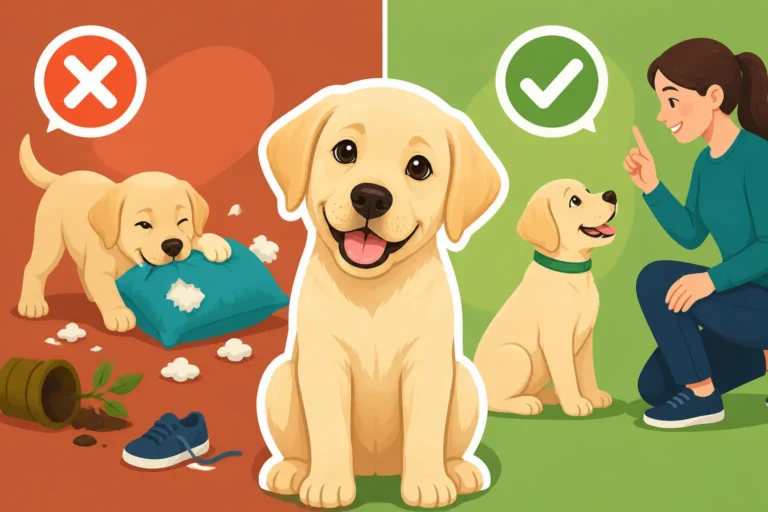
Just when you thought the intensive puppy chewing phase was over, your adolescent Labrador might re-engage with a vengeance. This isn't always about teething anymore; it's often a combination of boredom, excess energy, and continued exploration of their world with their mouth. Labradors are naturally oral dogs, and they love to carry and chew things. If they don't have appropriate outlets, your furniture, shoes, or even walls might become targets.
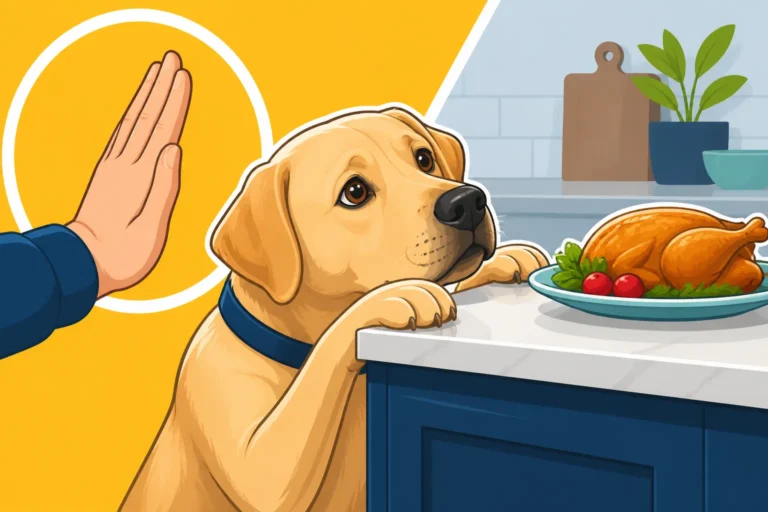
A bored or under-exercised adolescent Labrador is a destructive Labrador. They might chew out of frustration, anxiety, or simply because they've discovered how satisfying it is to shred something. This is also the age when counter-surfing often becomes a prevalent (and annoying) habit. With their increased height and confidence, a quick jump might yield a delicious reward from the kitchen counter, reinforcing the behavior. This is also when you might worry they're getting into something dangerous, so it's good to know What to Do If a Labrador Swallows Something.
Pushing Boundaries and Testing Limits
This is where the "teenager" analogy truly shines. Your Labrador will test the limits of what they can get away with. They might try to sneak onto the sofa even though they know it's off-limits, or whine incessantly for food from the table. They might ignore a command they usually obey, just to see what happens. This isn't them being "bad"; it's a natural part of developing independence and figuring out where they stand in the pack (your family).
These boundary-pushing behaviors can be incredibly frustrating, especially if you feel like you're constantly repeating yourself. They're looking for consistency, even if they're actively trying to find the cracks in your rules. If a boundary is inconsistent – sometimes they can jump on Aunt Carol, sometimes they can't – they will exploit that inconsistency. This is why everyone in the household needs to be on the same page with rules and expectations.
Strategies for Success During Adolescence
Navigating these turbulent months requires patience, consistency, and a proactive approach. It's about setting your Labrador up for success, not just reacting to problems.
Consistency is Your Best Friend
During adolescence, consistency isn't just helpful; it's absolutely non-negotiable. Every family member needs to use the same commands, enforce the same rules, and react to behavior in the same way. If "off" means getting off the couch for one person, but the Labrador gets a cuddle when jumping on the couch with another, you're sending mixed signals. This confusion makes it incredibly hard for their developing brain to learn what's truly expected. Consider creating a written list of house rules and commands for everyone to reference.
This consistency also applies to your training. Don't stop training just because your Labrador seems to have forgotten everything. Instead, go back to basics in a quieter environment and gradually introduce distractions. Short, frequent training sessions are far more effective than long, infrequent ones for a young Labrador with a short attention span. Remind yourself that you're teaching a dog with an immature brain, so setbacks are normal. Think of it as reinforcing the foundation you laid during puppyhood, but with higher stakes now that they're bigger and stronger. This means continuously working on things like Loose Leash Walking With a Labrador and strengthening their recall in various environments.
Managing Exercise and Mental Stimulation
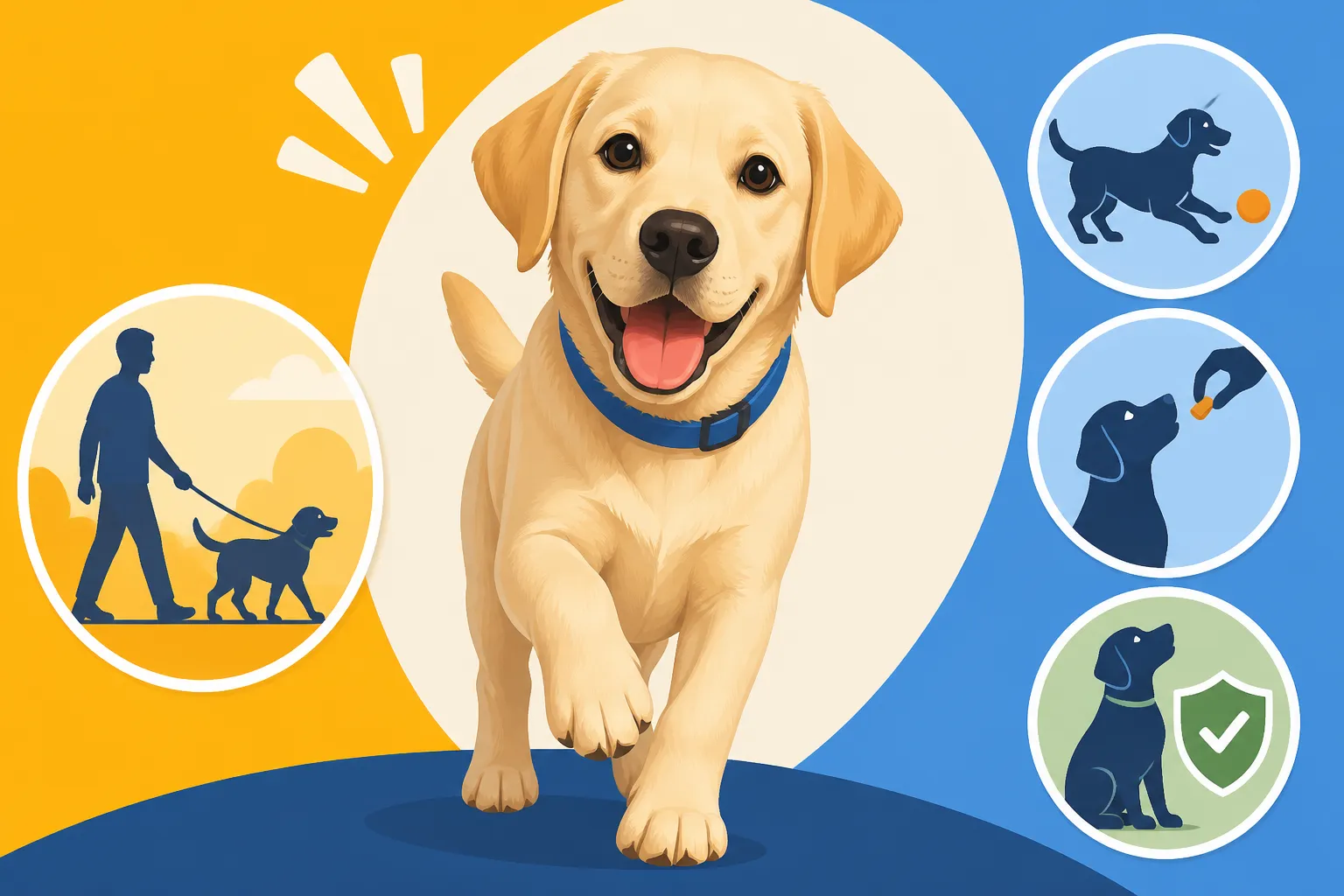
An adolescent Labrador has energy to burn, and if you don't provide appropriate outlets, they'll find their own. Aim for a good balance of physical exercise and mental stimulation every single day. Physical activity could include long walks, supervised off-leash play in a secure area (if their recall is reliable, perhaps with a long line initially), swimming (Labradors love water!), or games of fetch. Remember to monitor them for signs of overexertion and protect their growing joints.
But physical exercise alone isn't enough. Mental exercise is just as important, if not more so, for tiring out a smart Labrador. Puzzle feeders, scent work, chew toys (like durable rubber or nylon options you can find on Amazon), and short training sessions (even just 5-10 minutes a few times a day) can burn mental energy effectively. You could try things like Scent Work for a Labrador Indoors or puzzle toys that make them work for their meal. A tired Labrador, both physically and mentally, is a good Labrador. They're less likely to be destructive or naughty if they've had their needs met.
Reinforcing Good Choices with High-Value Rewards
While your Labrador might seem less interested in pleasing you during adolescence, they are still highly motivated by rewards. Use high-value treats (think cooked chicken, cheese, or hot dogs cut into tiny pieces) to mark and reward desired behaviors. When they do respond to a command amidst distractions, make it a huge celebration with an amazing treat and enthusiastic praise. This helps them understand that listening to you, even when there are tempting distractions, leads to incredible things.
This strategy is especially important when you're working on challenging behaviors like recall or loose-leash walking. If they come when called, even reluctantly, shower them with praise and the best treat they've ever had. Don't be shy about carrying a treat pouch filled with goodies on every outing. It’s also important to use these high-value rewards to manage Labrador Chewing Through Adolescence by redirecting them to appropriate chew items and rewarding heavily when they choose those over your furniture. This is also a great time to ensure you understand Treats That Motivate a Food-Driven Labrador.
Challenge Typical Manifestation Strategy
Alright, let's talk about the unique journey of owning a Labrador Retriever, especially when they hit that intriguing phase between six and eighteen months. If you're currently in the thick of it, you might be wondering what happened to your sweet, compliant puppy. One day they were charmingly clumsy, the next they're a whirlwind of energy with an uncanny ability to ignore your calls and find every forbidden snack. This isn't just "puppy brain"; it's Labrador adolescence, and it comes with its own set of challenges and triumphs. This guide will help you understand what's happening, what to expect, and how to navigate these often-baffling "teenage" months with your beloved companion.
Understanding the Labrador "Teenager" Phase
Just like humans, dogs go through an adolescent period where their bodies and brains change rapidly. For Labradors, this often spans from about six months to eighteen months of age, sometimes even extending slightly longer for larger or more boisterous individuals. It's a time of growth, exploration, and a good deal of boundary-testing.
The Developing Brain and Impulse Control
During puppyhood, your Labrador's brain was like a sponge, soaking up every new experience and command. They were eager to please, and their world revolved around you. But now, in adolescence, their brains are undergoing a significant remodeling process. Specifically, the prefrontal cortex, which is responsible for impulse control, planning, and understanding consequences, isn't fully mature yet. This means that while your Labrador might know what "leave it" means, the impulse to snatch that dropped french fry or chase a squirrel might be too strong to resist in the moment. It's not defiance; it's a physiological stage of development.
This is why you might suddenly feel like your dog has forgotten everything you taught them. Their attention span can shorten, and their ability to focus in distracting environments can plummet. What happens in your quiet living room might not translate to the bustling dog park. They're exploring their world with newfound independence and confidence, and sometimes that means pushing against the rules you've so carefully established. Don't take it personally – this is a normal part of their journey to becoming a well-adjusted adult, and your consistent guidance is more important than ever. You might even notice that their previously reliable responses to commands suddenly experience The Labrador Compliance Drop at Six Months, which can be incredibly disheartening but is a widely recognized phenomenon.
Surging Hormones and Physical Changes
Beyond the brain, your Labrador is also experiencing a surge of hormones. If they haven't been spayed or neutered yet, these hormones can dramatically influence their behavior. Intact males might become more interested in sniffing out females and marking territory, while intact females might go through their first heat cycles, which can bring about changes in temperament and increased restlessness. Even if fixed, the general hormonal changes associated with adolescence are still at play, impacting mood and energy levels.
Physically, your Labrador is growing rapidly. They might look a bit awkward, with long legs that seem to get in their own way, or they might be filling out with powerful muscles. This physical growth demands a lot of energy. Your adolescent Labrador will likely have seemingly boundless energy, making regular, appropriate exercise incredibly important. However, it's a delicate balance; their growth plates are still open, meaning over-strenuous, repetitive, high-impact activities like excessive jumping or long-distance running on hard surfaces can be detrimental to their developing joints. Focus on varied activities and allow for plenty of rest.
Redefining Social Bonds and Independence
As your Labrador matures, their social world expands beyond just you and their immediate family. They're learning to interact with other dogs in new ways, sometimes becoming more assertive, playful, or even a little wary depending on their experiences. This is a crucial time for continued, positive Socializing a Labrador Puppy to ensure they develop appropriate canine manners. They might also become more independent, venturing further away from you on walks or showing less immediate attention to your presence, as the world becomes a more interesting place to explore on their own terms.
This doesn't mean your bond is weakening; it means it's evolving. They are learning to be confident individuals while still relying on you for safety and guidance. This period also presents a vital opportunity to reinforce their understanding of their place within your family structure. Continue to be the benevolent leader, providing clear boundaries, consistent training, and lots of love and positive reinforcement.
Navigating Common Adolescent Labrador Challenges
This phase often feels like taking two steps forward and one (or three!) steps back. Anticipating these common challenges can help you react proactively and with a little more patience.
The "Selective Hearing" Phenomenon
One of the most common complaints during Labrador adolescence is the sudden onset of "selective hearing." Your once-perfect recall might turn into an embarrassing chase across the park, and commands like "sit" or "stay" seem to evaporate the moment a bird flies by. This isn't usually an intentional act of rebellion. Rather, it's a combination of their developing brain's poor impulse control and the overwhelming nature of the real world. A Labrador's incredible sense of smell, their natural retrieving drive, and their high energy can make external distractions incredibly powerful.
To combat this, you need to "proof" their training. This means practicing commands in increasingly distracting environments. Start in your quiet home, then move to the backyard, then a quiet park, and gradually build up to busier areas. Always use high-value rewards – think tiny pieces of cooked chicken, cheese, or hot dogs – something truly irresistible that makes listening to you more appealing than that tantalizing smell on the ground. Invest in a long line (many great options are available on Amazon) to practice recall safely in open spaces, ensuring they can't practice ignoring you successfully. Remember, every time they ignore a command and get away with it, that behavior is inadvertently reinforced. If you're wondering When a Labrador Can Be Trusted Off Leash, the adolescent phase is often where you learn they're not quite there yet without consistent, proofed training.
Increased Chewing and Destructive Behavior
You might have thought the worst of the puppy chewing was over, but many adolescent Labradors experience a resurgence of destructive habits. This isn't just about teething anymore (though adult teeth are still settling in); it's often a sign of unmet needs. A bored, under-exercised, or mentally unstimulated Labrador will find their own entertainment, and it usually involves your belongings. Their strong jaws and innate desire to use their mouths mean that if appropriate chew toys aren't readily available and appealing, your shoes, furniture, or even door frames might become targets.
Combat this by ensuring they have an abundance of appropriate chew items. Rotate toys to keep them novel and exciting. Offer puzzle toys that dispense treats, engaging their minds while they chew. Provide plenty of physical exercise to burn off excess energy, and mental stimulation through training sessions, scent games, or interactive toys. If you notice them chewing something inappropriate, redirect them immediately to an acceptable chew toy with praise when they take it. "Labrador-proofing" your home by putting away tempting items is also essential. This phase is often when owners discover the true extent of Labrador Chewing Through Adolescence, and it requires vigilance and management.
Pushing Boundaries and Testing Limits
This is perhaps the most frustrating aspect of Labrador adolescence: the constant testing of boundaries. Your Labrador might suddenly try to sneak onto the couch, jump on visitors, whine relentlessly for table scraps, or pull on the leash after previously walking politely. They're trying to figure out what they can get away with and what the true rules of your household are.
The key here is unwavering consistency from everyone in the household. If "no jumping" is the rule, everyone must adhere to it, every single time. If they try to counter-surf, immediately redirect them with a firm "off" command and reward them for keeping all four paws on the floor. Don't give in to whining or begging; it only teaches them that persistence pays off. This is a critical time to reinforce polite manners and ensure that your Labrador understands you are the one setting the rules. If you're struggling with leash pulling, for example, remember that Stopping a Labrador From Pulling on Leash requires consistent work and the right tools.
Strategies for Successfully Guiding Your Adolescent Labrador
While challenging, this period is also incredibly rewarding as you shape your puppy into a well-mannered adult. The right strategies can make all the difference.
Re-Commit to Consistent Training
Think of this phase not as a step back, but as an opportunity to reinforce and strengthen all the training you've already done. Your Labrador needs reminding, not punishment. Go back to basics if necessary, and systematically work through commands in increasingly distracting environments. Use a clicker or a verbal marker ("yes!") to precisely mark the exact moment they perform the desired behavior, followed immediately by a high-value treat. Keep training sessions short, fun, and positive – 5 to 10 minutes, several times a day, is far more effective than one long, boring session.
Remember that an adolescent Labrador is still learning to generalize. Just because they sit perfectly in your kitchen doesn't mean they'll do it at the busy park without practice. Be patient, break down tasks into smaller steps, and always end on a positive note. This is also a perfect time to integrate an online training program like BAXTER & Bella, which offers structured guidance and support for navigating these stages, giving you clear steps to follow when your dog seems to be "forgetting" everything. Programs like this can help bridge the gap between simple obedience and real-world reliability.
Prioritize Ample and Varied Exercise
An under-exercised Labrador is a recipe for destructive behavior and frustration. Adolescent Labradors need a significant amount of physical activity every day. This doesn't just mean a quick walk around the block. Aim for at least 60-90 minutes of vigorous exercise, broken into multiple sessions, like brisk walks, swimming, fetch, or interactive play with other friendly dogs. Remember to mix it up to keep it interesting for them. You might be surprised to learn that Whether Labrador Energy Drops After Three isn't a given; many Labs remain high-energy well into adulthood!
Beyond physical activity, mental stimulation is absolutely crucial for Labradors, as they are intelligent working dogs. Incorporate puzzle toys, stuffed Kongs (freeze them for longer engagement!), scent games (hiding treats for them to find), and short training sessions throughout the day. Activities like Tiring a Labrador on a Rainy Day or Mental Work for a Bored Labrador can prevent boredom from turning into bad habits. A mentally tired Labrador is a much calmer and more compliant companion. Consider getting a slow feeder bowl on Amazon to make meal times last longer and add another layer of mental engagement.
Building Resilience and Independence Safely
While your adolescent Labrador is pushing for independence, you still need to guide this process safely. This means gradually increasing their ability to be left alone, starting with short periods and building up slowly. Crate training, if not already mastered, can be a lifesaver during this period, providing a safe, secure den where they can't get into trouble when unsupervised. Make sure the crate is a positive place, never used for punishment.
Continue to expose them to new sights, sounds, and experiences, but always in a positive and controlled manner. Don't overwhelm them. For example, if you introduce them to a busy street, keep it short, offer treats, and praise them for calm behavior. Avoid forcing them into situations where they appear fearful. This builds confidence and resilience, helping them grow into a well-adjusted adult dog capable of handling different situations. This controlled exposure is key to avoiding issues like Fearful Behavior in a Labrador down the line.
Maintaining Your Bond Through the Teenage Months
It's easy to get frustrated during adolescence, but remember that your Labrador needs your understanding and leadership more than ever. Focus on strengthening your relationship.
Patience, Empathy, and a Sense of Humor
This is perhaps the most important strategy. Understand that your Labrador is not being "naughty" to spite you; they are literally going through a developmental stage where self-control is hard. There will be days when you feel utterly defeated, when they chew your favorite book or ignore your call for the tenth time. Take a deep breath. Laugh it off if you can. Remind yourself that this phase will pass, and your consistent, calm responses are shaping the adult dog they will become.
Approach training and management with empathy. If they're acting out, ask yourself why. Are they bored? Overstimulated? Under-exercised? Try to address the root cause of the behavior rather than just punishing the symptom. Your Labrador relies on you to be their guide and protector, even when they're acting like a wild child. Maintaining a positive, loving relationship, even when they're being challenging, is essential for their emotional well-being and for the future of your companionship.
Continuing Socialization and Positive Exposure
While the critical puppy socialization window is closing, continuing positive exposure to the world is vital for adolescent Labradors. Arrange supervised playdates with well-behaved adult dogs who can teach them appropriate manners. Enroll in an advanced obedience class or a dog sport like agility or scent work, which provides both mental and physical stimulation in a structured environment. These activities can also deepen your bond as you work together as a team.
However, be mindful of your Labrador's individual comfort levels. Not all dogs enjoy every social interaction. Focus on quality over quantity, ensuring that each new experience is positive and builds their confidence. A good online training program, like the one offered by BAXTER & Bella, can provide guidance on appropriate continued socialization and expose you to new ideas for engaging your adolescent Lab.
Seeking Professional Guidance When Needed
If you find yourself truly struggling, don't hesitate to reach out for professional help. A certified professional dog trainer or a veterinary behaviorist can provide invaluable guidance, tailored strategies, and support. They can help you identify the root causes of challenging behaviors and develop an effective training plan. Sometimes, an outside perspective and expert advice are all you need to get back on track.
Problems like significant leash reactivity, excessive fear, or destructive behaviors that go beyond typical adolescent antics warrant professional intervention. Early intervention is always better than waiting until behaviors become deeply ingrained. Investing in professional help now can save you a lot of frustration (and chewed furniture) in the long run and ensure your Labrador develops into the confident, well-behaved companion you always dreamed of. When Choosing a Trainer for a Labrador, look for someone who uses positive reinforcement methods.
This adolescent period is a marathon, not a sprint. There will be amazing breakthroughs and frustrating regressions. But with patience, consistency, and a deep understanding of what your Labrador is going through, you can navigate these "teenage" months and emerge with a wonderfully trained, devoted, and much-loved adult companion. Hang in there – it's worth it!
Disclaimer
This article is for general informational purposes only and does not constitute professional advice. Laws, prices and regulations vary by location and change over time. Consult a qualified professional for guidance on your specific situation.