Fixing Bowl Guarding in a Labrador
The struggle with a food-obsessed Labrador showing signs of guarding can be incredibly stressful and even frightening. You just want to feed your beloved companion without feeling like you're walking on eggshells or risking a snap. This comprehensive guide is here to help you understand why your Labrador might be guarding their food, recognize the subtle signs, and implement effective, positive training strategies to resolve this challenging behavior, restoring peace and trust to your mealtimes.
Understanding Why Your Labrador Guards Their Food Bowl
It’s easy to feel personally offended or even betrayed when your usually sweet, goofy Labrador growls or snaps over their dinner. However, it’s important to remember that resource guarding, while undesirable, isn't necessarily a sign of a "bad" dog or a malicious intent towards you. Instead, it’s a deeply ingrained, often instinctual behavior that can be exacerbated by various factors, some of which are very common in the Labrador breed.
The Instinctual Roots of Resource Guarding
Think about dogs in the wild, or even just feral dogs. Food isn't a guaranteed commodity. Every meal could be your last, or at least, the last for a while. In such an environment, being able to secure and protect your food from competitors is paramount for survival. This instinct to protect valuable resources – be it food, toys, a favorite sleeping spot, or even a person – is hardwired into many dogs. Labradors, being highly food-motivated creatures by nature, can sometimes feel this instinct more acutely than other breeds.
For a Labrador, that bowl of kibble isn't just dinner; it's a vital, finite resource. When they perceive a threat to that resource, their ancient survival instincts kick in. It’s not about disrespecting you; it's about protecting what they believe they need to survive. This primitive drive often overrides their learned obedience and their affectionate nature in the moment. It's a primal scream of "mine!" born from a place of perceived scarcity, not malice.
Learned Behavior and Environmental Factors
While instincts play a big part, many cases of bowl guarding are also learned behaviors, reinforced by past experiences. Imagine a puppy in a large litter: if they didn't learn to eat quickly and defend their share, they might have gone hungry. This early competition can leave a lasting impression. Similarly, if a rescue Labrador came from a situation where food was scarce or unpredictable, they might have a heightened sense of needing to protect their meals.
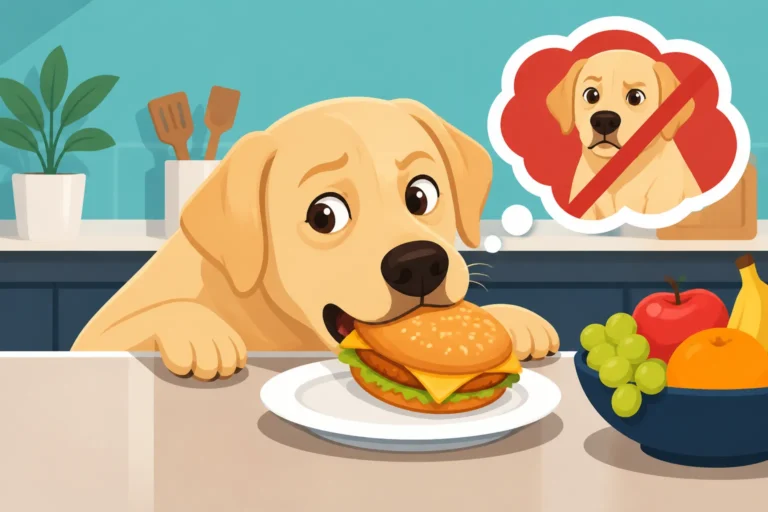
The environment in which your Labrador eats also plays a huge role. If mealtimes are chaotic, with children constantly running by, other pets trying to snatch a bite, or hands frequently reaching into the bowl, a Labrador can quickly learn that they need to guard their food. Any perceived intrusion, even an innocent one, can confirm their belief that they need to be vigilant. This can even escalate if, in an attempt to curb the behavior, an owner tries to physically remove the bowl, inadvertently reinforcing the Labrador's fear that their food will be taken away. Understanding Why Labradors Gain Weight So Easily can also shed light on their intense focus on food, making resource guarding a more prevalent issue for the breed.
Early Signs of Bowl Guarding in Labradors
Recognizing the subtle warning signs of bowl guarding is crucial. Many owners don't realize their Labrador is becoming protective until the behavior escalates to growling or snapping. By learning to read your dog's body language, you can intervene early and prevent the situation from becoming dangerous. Labradors can be quite stoic and hide pain or discomfort, so it's vital to learn Reading Pain in a Stoic Labrador and similarly, subtle behavioral cues.
Subtle Cues You Might Be Missing
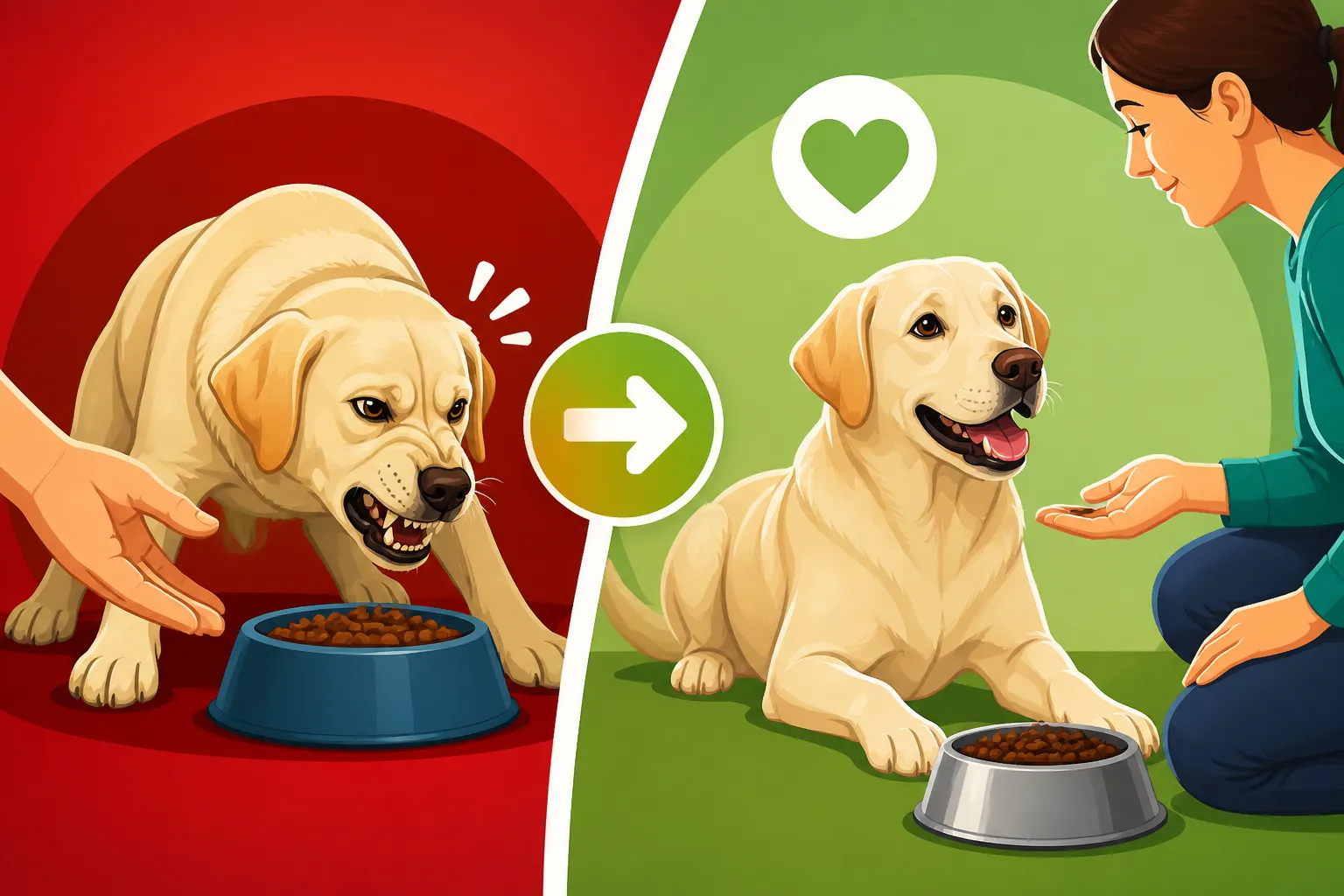
A Labrador displaying early signs of bowl guarding often gives off quiet signals before any overt aggression. It's like a low rumble before a storm. You might notice your dog's body stiffening as you approach their feeding area. They may hunch over their bowl, trying to physically cover it with their body, or hover protectively. Their head might dip lower, making their posture appear more dominant over the food.
Watch their eyes: they might give quick, darting glances at you or anyone else nearby, then immediately snap their focus back to their food. They might start eating noticeably faster when you get close, as if trying to finish before you can take it. Even a subtle tail tuck, flattened ears, or a tense mouth can be an indicator that they are feeling anxious and protective. These are all subtle ways your Labrador is communicating, "Don't come closer; this is mine."
Escalating Behaviors to Watch For
If those subtle cues are missed or ignored, the behavior will almost certainly escalate. The next stage often involves low, guttural growls – a clear, unmistakable warning. This might be accompanied by a snarl, where their lips curl to show their teeth. They might stop eating completely and stare directly at the perceived intruder, their body language becoming rigid and confrontational.
In more advanced cases, a Labrador might snap at the air in your direction or even lunge forward without making contact, a clear threat. The most dangerous stage is, of course, a bite. It's important to understand that a dog who bites over food is not doing it out of spite, but out of extreme fear and the belief that they must defend their resources. At this point, the situation is not only deeply stressful for you, but also incredibly unfair to your dog, who is clearly overwhelmed. At any sign of these escalating behaviors, professional help is strongly advised.
Here’s a quick overview of how to tell the difference between a Labrador eating normally and one exhibiting bowl guarding:
| Behavior Category | Normal Eating Behavior | Bowl Guarding Behavior (Early Signs) | Bowl Guarding Behavior (Escalated Signs) |
|---|---|---|---|
| Body Posture | Relaxed, perhaps wagging tail, ears natural. | Stiffening, leaning over the bowl, tense body, subtle tail tuck. | Hunched over the bowl, rigid, tail tucked tight, hackles might raise. |
| Eye Contact | May glance at owner, no intense focus on surroundings. | Quick, darting glances at anyone approaching, intense focus on the bowl. | Hard stare, dilated pupils, direct challenging gaze. |
| Eating Speed | Eats at a comfortable pace. | Eats noticeably faster when approached, gulps food. | Frantic eating, trying to finish before perceived threat arrives. |
| Vocalizations | Quiet, occasional happy grunts. | Low, soft growl, a huff, a whine of warning. | Loud, sustained growling, snarls, barks, snapping sounds. |
| Response to Approach | May pause, look up, or continue eating calmly. | Freezes, body tenses, might shift body to block access to food. | Lunges, snaps, air bites, or attempts to bite if handler gets too close. |
| Interaction with Food | May leave and return to food. | Consistently covers, nudges, or positions body over the bowl. | Aggressively defends the food, even if it means not eating. |
Step-by-Step Approach to Fixing Bowl Guarding
Addressing bowl guarding requires patience, consistency, and a commitment to positive reinforcement. The goal isn't to punish the guarding, but to change your Labrador's emotional association with your presence during mealtimes from one of threat to one of pleasant anticipation. This approach builds trust, which is the cornerstone of any good relationship with your dog.
Safety First: Managing the Immediate Risk
Before you even begin training, your absolute priority is safety for everyone in the household, especially children and other pets. If your Labrador is already displaying growling or snapping, you need to manage the situation immediately to prevent bites. First and foremost, never punish your Labrador for growling. Growling is a warning, and if you suppress it, your dog might learn to go straight to biting without warning.
For now, feed your Labrador in a secure, quiet location where they won't feel threatened by anyone approaching. This might be a separate room, a crate, or behind a baby gate. Ensure children and other pets cannot access this area during mealtimes. The idea is to completely remove the triggers that cause guarding, giving your Labrador a sense of security around their food. Until training progresses, avoid reaching for their bowl, petting them while they eat, or otherwise encroaching on their eating space.
Positive Reinforcement and Desensitization (The "Trade Up" Game)
This is the core of resolving bowl guarding. You want your Labrador to associate your approach to their bowl with good things happening, not with things being taken away. We’re going to play the "Trade Up" game. Start by giving your Labrador their regular meal. As they are eating, stand a distance away where they don't show any signs of guarding (no stiffening, no growling). Gently toss a truly high-value treat – something they absolutely adore, like cooked chicken, cheese, or hot dogs – towards their bowl, but not directly into it. The idea is for the treat to land near their bowl, adding to their meal. Then, casually walk away. Repeat this several times during their meal.
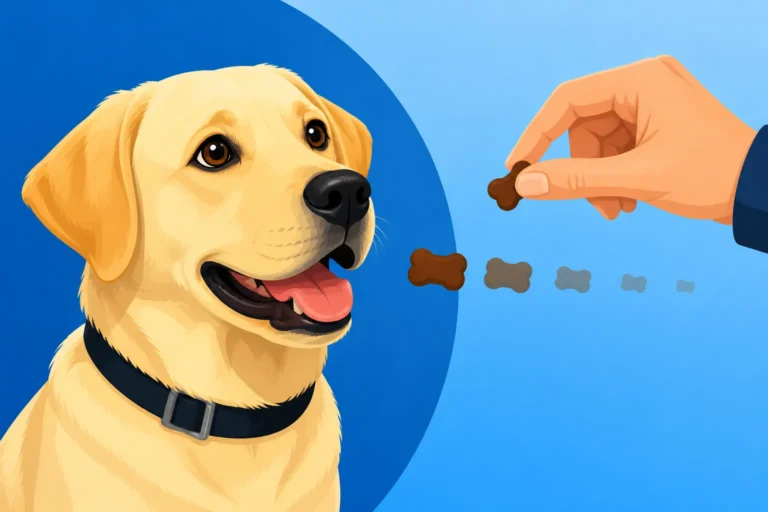
The next step, once they are consistently relaxed when you toss treats, is to get a little closer. Toss a treat, move slightly closer, then retreat. Gradually, over many sessions, you'll work towards being able to drop a high-value treat into their bowl, then eventually reach towards their bowl to add a treat, and finally, briefly pick up the bowl, drop in a treat, and immediately put the bowl back down. Always ensure the treat you're adding is more appealing than what's already in the bowl. You might find a great selection of high-value, novel treats on Amazon, perfect for this purpose, like dried liver or cheese bits. This teaches them that your presence means an even better reward, making them excited, not threatened, by your approach. This is also a fantastic way to practice Fading Food Rewards With a Labrador as the positive association becomes stronger.
Establishing Predictable and Trusting Mealtimes
Consistency and predictability are vital for building trust with your Labrador. Feed them at the same times each day, in the same designated safe spot. This routine helps to reduce anxiety around food scarcity. Consider hand-feeding a portion of their meal, especially in the early stages of training. This direct interaction helps reinforce that you are the provider of good things, not a threat. Take a handful of their kibble, offer it to them, and let them gently take it from your hand.
Another helpful tool can be a slow feeder bowl. Labradors are often champion gobblers, and eating too quickly can sometimes exacerbate anxiety or even physical issues like bloat. A slow feeder bowl, which you can easily find on Amazon, makes them work a little harder for their meal, extending the eating process and potentially reducing their perceived need to guard. This can also address the problem of Slow Feeder Bowls for a Gulping Labrador. Regularly adding small, highly desirable treats to their bowl as they eat, even once the guarding behavior has improved, continues to reinforce the positive association you've built.
When to Seek Professional Help
While the positive reinforcement methods described above are highly effective for most cases of bowl guarding, there are times when seeking professional help is not just recommended, but crucial. If your Labrador's guarding behavior is severe – involving repeated growling, snapping, or actual biting – or if you feel unsafe or overwhelmed by the situation, it's time to call in a certified professional dog trainer or a veterinary behaviorist. These experts have the experience to assess the underlying causes of the guarding (which can sometimes be linked to pain or anxiety) and can tailor a behavior modification plan specifically for your dog.
They can also guide you through the process safely, ensuring that no one gets hurt while your Labrador learns new coping mechanisms. Resources like BAXTER & Bella offer online courses and support that can help you understand these complex behaviors and connect you with qualified trainers, even virtually. Remember, asking for help isn't a sign of failure; it's a sign of a responsible pet owner committed to their dog's well-being and the safety of their home. Understanding Choosing a Trainer for a Labrador is key to finding the right fit for your situation.
Preventing Resource Guarding in Labrador Puppies
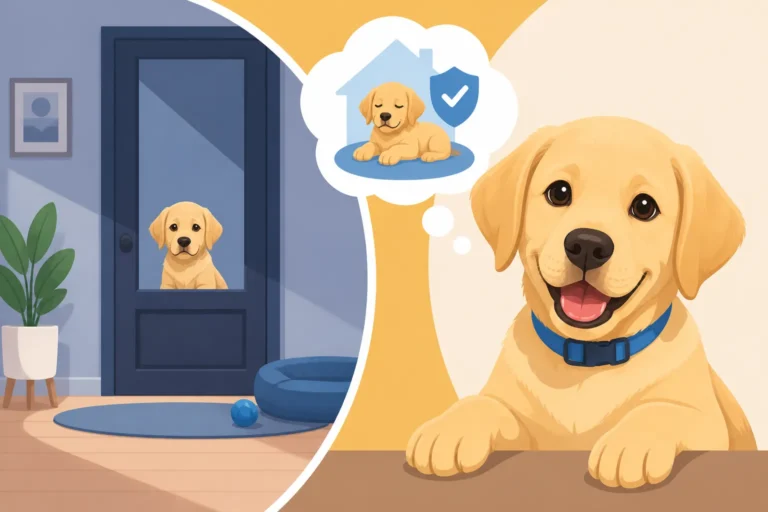
The best way to deal with resource guarding is to prevent it from developing in the first place. With a Labrador puppy, you have a fantastic opportunity to establish positive associations with food and handling from day one. Their natural food drive, which can contribute to guarding later, can also be a powerful tool for early prevention. Starting early with consistent, positive interactions will set them up for a lifetime of comfortable mealtimes.
Building Positive Associations from Day One
From the moment you bring your Labrador puppy home, make mealtimes a positive, non-threatening experience. While they eat, gently reach into their bowl and add a small, super tasty treat. This teaches them that a hand near their bowl means more good food, not less. Occasionally, gently touch them while they’re eating, stroking their back or shoulder, to habituate them to human presence during meals. Avoid taking their food away unless absolutely necessary, and if you do, immediately replace it with something even better, like a piece of cooked chicken.
Teach your puppy a reliable "drop it" command with toys before you even tackle food. Play tug with a toy, then say "drop it," offering a treat as soon as they release the toy. This builds a foundation for them to willingly give up items when asked, a critical skill if they ever pick up something they shouldn't. For tips on managing other common puppy behaviors, consider reading Labrador Puppy Mouthing and How to Redirect It.
Safe and Calm Feeding Environments
Ensure your Labrador puppy always has a designated, quiet space to eat where they feel safe and undisturbed. If you have other pets or small children, feed the puppy separately to avoid any competition or perceived threats. This could mean feeding them in a crate, behind a baby gate, or in a different room. This separation eliminates the need for them to guard their food from others.
Supervise all mealtimes, especially in multi-dog households. Even if your puppy isn't showing signs of guarding, preventing any accidental nips or intense competition from other pets will prevent negative associations from forming. As they grow and their trust builds, you can gradually introduce controlled interactions, but always prioritize their comfort and security around their meals.
Importance of Early Socialization and Handling
Early socialization is key to raising a well-adjusted Labrador, and it extends to how they interact with their food. Expose your puppy to various people, sights, and sounds, always ensuring these experiences are positive. This includes having different family members gently approach and toss treats into their bowl during mealtimes. The more comfortable your puppy is with people moving around them, the less likely they are to perceive human presence as a threat.
Allowing gentle handling of their paws, ears, and mouth regularly also builds tolerance and trust, which can indirectly help with food-related scenarios. While not directly about food, exposing your puppy to a wide range of experiences helps them develop confidence, which can reduce anxiety that might otherwise manifest as guarding. Learn more about crucial early development in Labrador Puppy Socialization Windows. By laying this groundwork, you create a Labrador who views their human companions not as competitors for resources, but as generous providers of all good things, including their favorite Treats That Motivate a Food-Driven Labrador.
Disclaimer
This article is for general informational purposes only and does not constitute professional advice. Laws, prices and regulations vary by location and change over time. Consult a qualified professional for guidance on your specific situation.