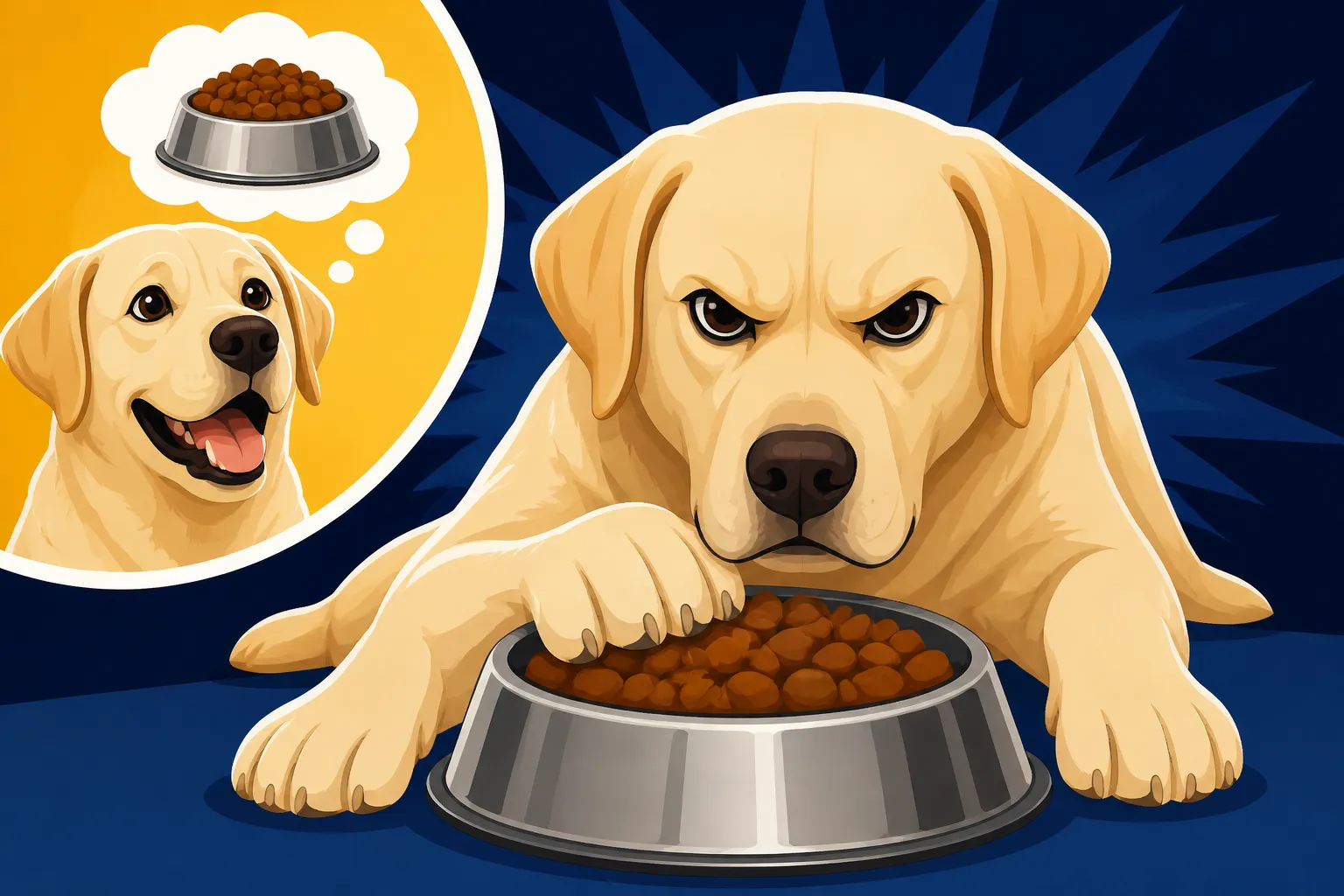
Why a Food-Driven Labrador Guards Its Bowl
It can be truly alarming and frankly, a bit heartbreaking, when your beloved, typically gentle Labrador suddenly becomes a snarling, tense guard over their food bowl. You might be thinking, "My sweet, goofy Lab? Guarding food? Why is this happening?" This guide is here to shed light on why your food-driven Labrador might be exhibiting resource guarding behavior, what those warning signs look like, and most importantly, how to proactively manage and address it so you and your furry family member can feel safe and comfortable again around meal times.
Decoding the "Why": Understanding Resource Guarding in Your Food-Driven Labrador
When your Labrador, known for its friendly and easygoing nature, suddenly turns into a fierce protector of its food, it can be incredibly confusing and distressing. But it’s important to understand that resource guarding, while unwelcome, stems from some very deep-seated, natural instincts. It’s not a sign that your dog is "bad" or suddenly hates you, but rather a manifestation of an ingrained survival mechanism that can be exacerbated by certain breed traits and environmental factors.
The Instinctive Roots of Resource Guarding
At its core, resource guarding is a protective behavior rooted in a dog's natural instinct to secure valuable items for survival. In the wild, animals had to compete for limited resources like food, water, and safe resting places. A dog that successfully guarded its resources was more likely to survive and pass on its genes. Even though our Labradors live in comfortable homes with regular meals, that primal instinct can still surface. They perceive certain items – in this case, their food – as highly valuable, and feel a strong urge to protect them from perceived threats, even if that threat is a loving family member. It’s their way of saying, "This is mine, and I need it."
Consider a scenario: you walk by your Labrador's bowl while they're eating, and they freeze, maybe give a low growl. To you, it's just a casual stroll. To your dog, it might register as an approaching competitor, triggering that ancient survival response. This instinct is often heightened in dogs who have experienced scarcity in the past, perhaps in a shelter environment or before they came to you. However, it can appear even in well-loved puppies who have never known hunger, simply because the genetic predisposition is strong, especially in breeds like Labradors who are often highly food-motivated.
Labrador Traits and Food Motivation
It’s no secret that Labradors are often incredibly food-driven. This trait, while endearing for training purposes (who doesn't love a dog that will do anything for a treat?), can also contribute to resource guarding. Our Labradors were historically bred to retrieve game and return it to their handlers gently, a behavior known as a "soft mouth." However, that same intense focus on getting and keeping a desired item can sometimes spill over into an unhealthy possessiveness.
There's even a genetic component to a Labrador's intense interest in food. Some Labradors carry a specific gene deletion, often referred to as The POMC Gene and Labrador Appetite, which means they may feel perpetually hungry and are less likely to feel full after eating. This heightened drive for food can naturally intensify their desire to protect it, seeing it as an even more precious commodity. If your Labrador seems like a bottomless pit, always on the lookout for a crumb, this genetic predisposition might be playing a role in their food guarding. For these Labs, their bowl isn't just a meal; it's the most valuable thing in their world at that moment. This deep food motivation means they often put a higher value on their food than other breeds might, making them more prone to seeing any approach as a challenge.
Spotting the Signals: How to Recognize Resource Guarding Behaviors Early On
Many people miss the early, subtle signs of resource guarding, only realizing there's a problem when the behavior has escalated to growling or snapping. It's crucial to understand the full spectrum of behaviors your Labrador might display, as catching these signals early gives you the best chance to intervene and prevent the situation from becoming more serious. Resource guarding isn't always an aggressive explosion; it often starts as quiet communication.
The Graded Ladder of Resource Guarding
Think of resource guarding behaviors as a ladder, starting with subtle cues and escalating to more overt aggression. The goal is to recognize and address these behaviors before your dog feels the need to climb higher up the ladder.
| Behavior | Description | Perceived Threat Level | Owner Reaction Needed |
|---|---|---|---|
| Eating Faster | Your Labrador suddenly gulps their food at an accelerated pace when you approach. | Low – mild anxiety | Back away immediately. No punishment. |
| Freezing/Stiffening | Your dog stops eating, freezes, and stiffens their body as you get near. | Low-Medium – growing anxiety | Back away. Create distance. |
| Hard Stare | Your Labrador makes direct, unblinking eye contact, often combined with freezing. | Medium – clear warning | Back away. Avoid eye contact yourself. |
| Low Growl/Whine | A soft, rumbling sound or a strained whine emanating from the throat. | Medium-High – explicit warning | Back away calmly. Do not scold or punish. |
| Snapping the Air | Your dog quickly snaps their jaws in the air near you, but doesn't make contact. | High – strong warning, near bite | Immediate, calm retreat. Assess environment. |
| Nudging with Muzzle | Pushing your hand or body away with their nose or mouth without biting. | Medium – push-off attempt | Respect the space. |
| Lip Lick/Yawn | These can be appeasement signals or signs of stress in a tense situation. | Low-Medium – internal conflict | Observe context. If near food, back off. |
| Guarding Posture | Standing over the bowl, sometimes turning their back to you, shielding it with their body. | Medium – active defense | Avoid direct approach. |
If you see your Labrador exhibiting any of these behaviors, even the mild ones, especially around their food bowl, it’s a clear indication that they are feeling anxious and possessive. A Labrador might quickly gulp their food down when you approach, or they might freeze, growl, or even snap. These aren't malicious acts; they are attempts to communicate their discomfort and demand space. Ignoring these early signs can lead to escalation, as your dog learns that subtle cues aren't enough to make you back off.
When to Seek Deeper Understanding
Sometimes, the behavior isn't just about the bowl itself. A Labrador who guards their food might also guard other high-value items, such as special chew toys, a favorite sleeping spot, or even a particular person. If you notice resource guarding extending beyond the food bowl to other treasured possessions, it suggests a broader underlying anxiety about their resources. For example, if they start Why a Food-Driven Labrador Guards Its Bowl when you try to take a toy, or become defensive over their bed, the problem is more ingrained. This kind of generalized guarding can be more challenging to address and often indicates a need for a more comprehensive behavioral modification plan. Recognizing this broader pattern is essential, as it helps you understand the true scope of the issue.
Taking Action: Practical Strategies to Address and Prevent Bowl Guarding
Dealing with resource guarding requires a calm, consistent, and patient approach. The goal isn't to punish your Labrador for growling or snapping, as that can suppress the warning signs without resolving the underlying anxiety, potentially leading to a bite out of the blue. Instead, we want to change your dog's emotional response to your presence around their food, turning apprehension into anticipation.
Desensitization and Counter-Conditioning
This is the cornerstone of addressing resource guarding. It involves slowly changing your dog's negative association with you approaching their food to a positive one.
- Establish a "Safe Zone": Start by identifying a distance where your Labrador shows no signs of guarding when eating. This might be across the room, or even in another room.
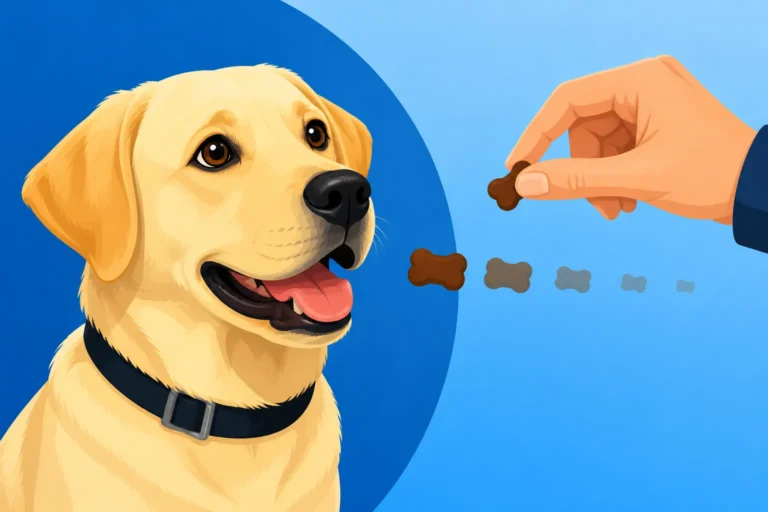
- The "Trade Up" Game: When your Labrador is eating, approach the edge of their "safe zone" and toss a high-value treat (something even better than their kibble, like cooked chicken or cheese) near their bowl, but not into it. Then, immediately back away. The idea is for them to associate your approach with something good happening, not a threat. Repeat this many times over several days or weeks. Don't try to touch the bowl or your dog at this stage. You can find excellent high-value treats and even slow feeder bowls that make meal times less frantic on Amazon.
- Gradual Reduction of Distance: Slowly, over many sessions, begin to toss the treat a little closer to the bowl, then a little closer to your dog, always backing away immediately after tossing. The key is to progress at your dog's pace. If your Labrador shows any sign of tension or guarding, you've moved too quickly; go back to the previous, easier step.
- Practice "Approaching and Leaving": Once your dog is comfortable with you tossing treats from a short distance, you can start walking past the bowl, dropping a treat, and continuing past, without stopping or staring. This teaches them that your presence near their food is fleeting and always brings good things.
- Handling the Bowl (Advanced): Only when your Labrador is consistently relaxed and happy with you approaching and dropping treats, you can very briefly touch the bowl and then drop an even higher value treat. The ultimate goal is for them to see you as the giver of good things, not a taker. This is a slow, methodical process that requires immense patience.
Remember, consistency is vital. Everyone in the household must follow the same protocol. Avoid anything that might trigger the guarding, like sudden movements, reaching for the bowl, or trying to take food away. For Managing Labrador Hip Dysplasia Without Surgery and similar conditions, slower eating can also be beneficial, making slow feeders a win-win.
Management and Prevention Strategies
While you're working on behavior modification, it's essential to manage the environment to prevent guarding incidents.
- Feed in a Safe, Undisturbed Place: Ensure your Labrador eats in a quiet area where they won't be interrupted by people, other pets, or loud noises. A crate or a separate room can be ideal.
- Supervise Children and Other Pets: Children and other animals are often the most common triggers for resource guarding. Teach children to always leave the dog alone when it's eating, and make sure other pets can't access the feeding area.
- Use a Slow Feeder Bowl: For food-driven Labs, Puzzle Feeders That Slow a Greedy Labrador can make mealtime last longer and reduce the frantic gulping that can sometimes precede guarding behavior. A slower meal can reduce the perceived urgency to protect the food.
- No Free Feeding: Always feed your Labrador measured meals on a schedule. Free feeding (leaving food out all day) can make a food-driven dog even more obsessive about food. Also, avoid leaving high-value chews or toys unsupervised if your dog is prone to guarding them. If your Lab tends to Why Labradors Steal and Swallow Things and guards those items, this is especially important.
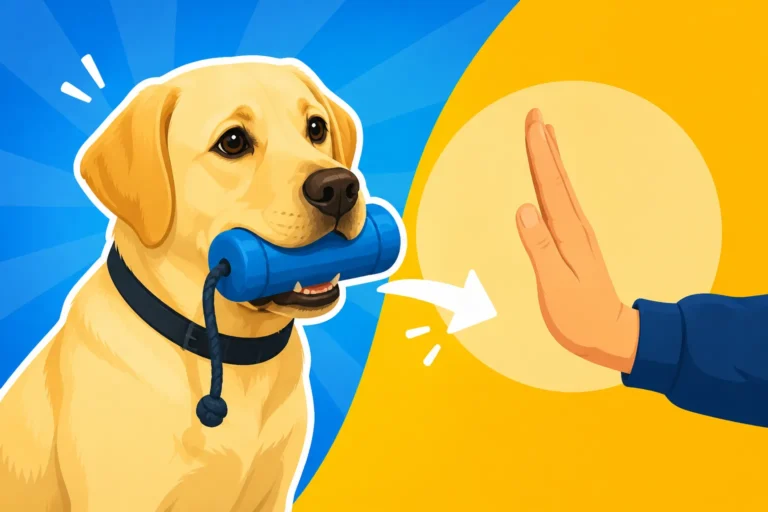
- Teach a Strong "Drop It" or "Leave It": These commands are invaluable for managing any resource guarding issues. Start practicing them with low-value items and gradually work your way up. Teaching a Labrador to Drop It Reliably takes time and positive reinforcement, but it’s a life skill.
By combining these management strategies with consistent desensitization, you can slowly but surely change your Labrador's emotional response and build trust around meal times.
Beyond the Basics: When to Call in a Professional Trainer or Behaviorist
Sometimes, despite your best efforts, resource guarding can be persistent, severe, or even dangerous. It's crucial to know when to seek professional help, as an experienced trainer or veterinary behaviorist can provide tailored guidance and ensure the safety of everyone in the household. Don't feel like a failure if you need to bring in an expert; it's a responsible choice for both you and your Labrador.
Recognizing the Need for Expert Intervention
There are several scenarios where professional help is not just recommended, but often essential:
- Escalated Aggression: If your Labrador has bitten someone, even a minor nip, or has shown intense aggression like lunging, snapping with contact, or persistent growling that does not de-escalate with your attempts to create distance, it's time for a professional. These behaviors are serious and require immediate expert intervention to ensure safety.
- Generalized Guarding: If the guarding isn't just confined to the food bowl but extends to toys, beds, people, or other resources, it indicates a more complex behavioral issue. A professional can help diagnose the root cause and develop a comprehensive plan. This might be related to other anxieties, like Separation Anxiety in Labrador Retrievers, which can sometimes manifest as insecurity around resources.
- Lack of Progress: If you’ve been consistently applying desensitization and management techniques for several weeks or months and see little to no improvement, or if the behavior seems to be worsening, a professional can offer new strategies or identify underlying issues you might have missed.
- Fear or Intimidation: If you feel scared or intimidated by your own dog around meal times, or if children in the home are at risk, it's a clear sign that you need help. Your home should be a safe and relaxed environment for everyone.
- First-Time Owner with a Challenge: If you're a first-time dog owner and find yourself overwhelmed by the complexity of resource guarding, a professional can provide the guidance and support needed.
What a Professional Can Offer
A qualified professional, such as a certified professional dog trainer (CPDT) or a veterinary behaviorist (DACVB), brings a wealth of knowledge and experience to the table.
- Accurate Assessment: They can observe your Labrador's behavior in person, assess the severity of the guarding, and identify specific triggers and contributing factors. This personalized assessment is invaluable.
- Tailored Training Plan: Based on their assessment, they will develop a detailed, step-by-step training and behavior modification plan specifically designed for your dog and your household. This might include specific exercises, management strategies, and techniques for Fading Food Rewards With a Labrador as the behavior improves.
- Guidance on Techniques: They can teach you the correct techniques for desensitization and counter-conditioning, ensuring you're implementing them effectively and safely. For instance, reputable online platforms like BAXTER & Bella offer excellent virtual resources and even one-on-one coaching that can complement in-person training or provide a starting point for less severe cases.
- Safety Protocols: They will help you establish clear safety protocols to protect everyone in the home while the training is underway. This is especially important for households with children or multiple pets.
- Addressing Underlying Issues: A veterinary behaviorist, in particular, can identify if there are any underlying medical conditions, pain, or anxiety disorders contributing to the guarding behavior and may recommend medication if appropriate, alongside behavioral modification. For example, some Labradors who are generally anxious might be more prone to guarding. Building Confidence in a Timid Labrador can sometimes indirectly help with resource guarding by reducing overall insecurity.
- Support and Accountability: Having a professional guide you through the process provides invaluable support, answers to your questions, and accountability, which can be incredibly motivating when dealing with challenging behaviors.
When looking for a professional, always seek out those who use positive reinforcement methods and who have experience specifically with resource guarding. Avoid trainers who advocate for punishment, intimidation, or dominance theories, as these methods can worsen guarding behavior and erode trust between you and your Labrador. Choosing a Trainer for a Labrador is a critical step, so do your research and ask for references. With the right help and consistent effort, you can help your food-driven Labrador overcome their bowl guarding and enjoy peaceful meal times once again.
Disclaimer
This article is for general informational purposes only and does not constitute professional advice. Laws, prices and regulations vary by location and change over time. Consult a qualified professional for guidance on your specific situation.