Whether Labradors Get Separation Anxiety
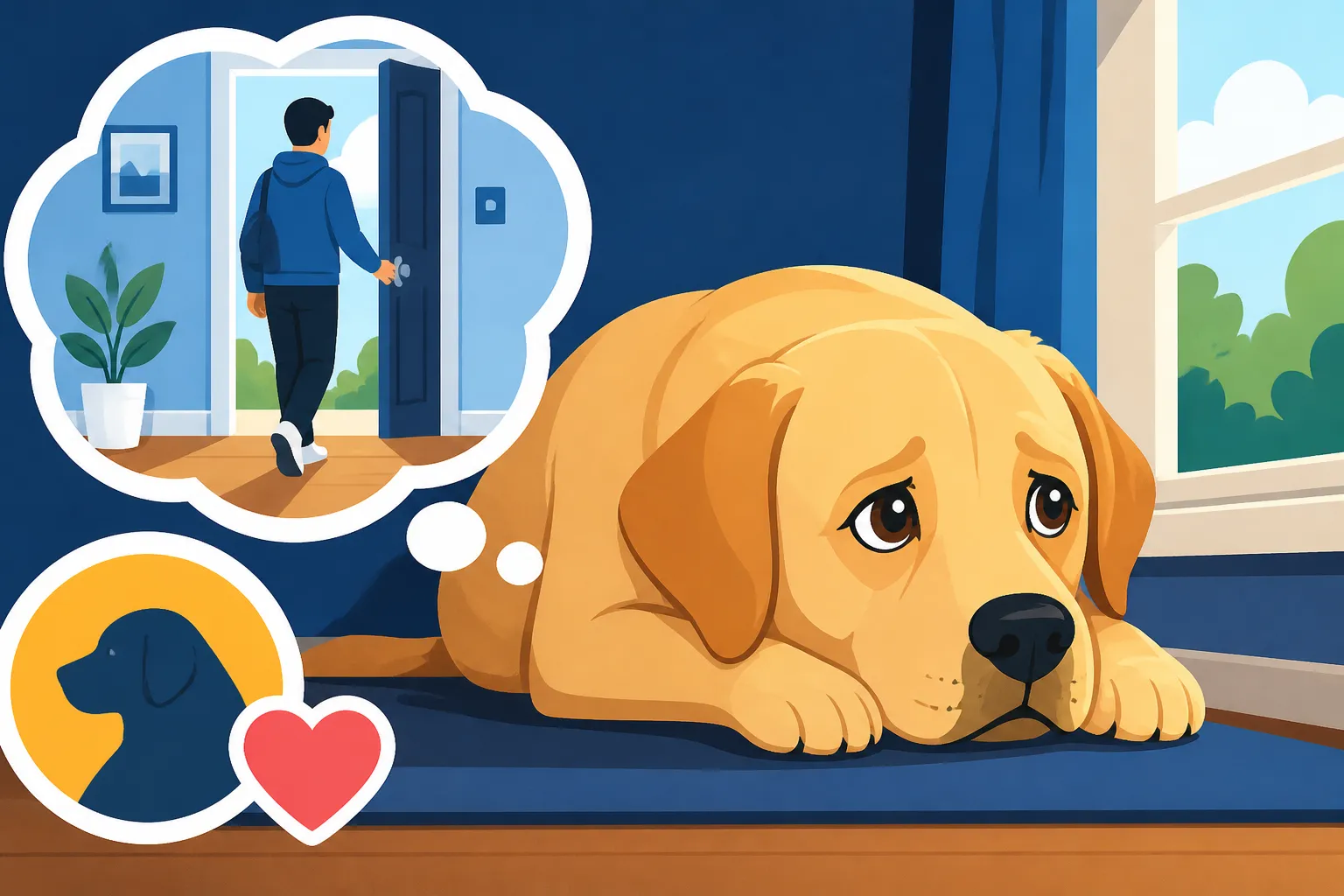
It’s a heart-wrenching scenario many Labrador owners face: you walk out the door, and the immediate aftermath is a symphony of distressed barks, frantic scratching, or even destructive chewing. While Labradors are famously social and devoted companions, their deep attachment can sometimes manifest as genuine separation anxiety, leaving both you and your beloved dog in a state of stress. This comprehensive guide will delve into whether Labradors are indeed prone to separation anxiety, how to tell if your furry friend is truly anxious or just bored, and most importantly, equip you with practical, empathetic strategies to help your Labrador feel secure and calm when you're not around.
Understanding Separation Anxiety in Labradors
Let's be honest, Labradors are basically Velcro dogs. They thrive on companionship, and their entire history is rooted in working alongside humans. This incredible bond, while one of their most endearing qualities, can also be a double-edged sword when it comes to being left alone. It's not uncommon for a Labrador, especially one who hasn't learned to cope with solitude, to struggle when their favorite people disappear.
Why Labradors Are Prone to Clinginess
Labradors, by their very nature, are bred to be attentive, people-oriented dogs. They descend from the St. John's Water Dog, companions to fishermen who needed an extra set of paws for retrieving nets and fish in harsh conditions. This historical partnership means they've been selectively bred over generations to be highly tuned into human presence and direction. It’s in their DNA to be part of the action, to stick close to their human partners. When you combine this deep-seated desire for connection with their innate intelligence and sensitivity, you get a dog that truly feels your absence. They're not just being dramatic; for many Labradors, being left alone goes against every fiber of their being, leading to genuine distress. It's why they often follow you from room to room, even when you're just getting a glass of water, and why they greet you with such unbridled joy after even a short absence. This intense focus on their humans makes them incredibly loving, but also vulnerable to feeling isolated. You can read more about their history in Where the Labrador Retriever Came From.
Distinguishing Anxiety from Boredom
This is where a lot of owners get tripped up, and it's completely understandable! Many behaviors that look like separation anxiety can actually stem from plain old Labrador boredom or a lack of exercise. A Labrador with pent-up energy, especially a young one, will find ways to entertain themselves, and those ways often involve chewing your furniture, barking at squirrels through the window, or tearing up cushions. The key differentiator is the underlying emotional state.
A truly anxious Labrador is exhibiting signs of panic, not just mischief. They're trying to cope with an overwhelming feeling of abandonment or fear. A bored Labrador, on the other hand, is simply looking for a job to do because they're under-stimulated. They might still be destructive or noisy, but the reason behind it is different. Think of it like a child throwing a tantrum because they're bored versus a child crying hysterically because they believe their parent has left them forever. The outward behavior might look similar, but the emotional core is vastly different. It’s crucial to understand this distinction, as the solutions for each problem are very different. If you suspect boredom, exploring options for Mental Work for a Bored Labrador might be a great first step.
Common Signs of Separation Anxiety
When a Labrador is experiencing true separation anxiety, the signs are often predictable and consistent whenever you leave them alone. These aren't just minor annoyances; they're indicators of significant distress.
- Excessive Vocalization: This is probably the most common complaint. Your Labrador might bark, howl, or whine continuously from the moment you leave until you return, or for long stretches in between. Neighbors often report this, making it undeniable.
- Destructive Chewing: While boredom can lead to chewing, anxiety-driven destruction is often focused around exit points (doors, windows) as if trying to escape, or involves items heavily scented with your presence (like your shoes or a blanket from your bed). This isn't just a casual chew on a toy; it's frantic and often damages property.
- Inappropriate Urination/Defecation: A house-trained Labrador suddenly having "accidents" only when left alone, even if they've just been outside, is a strong indicator. This isn't defiance; it's a physiological response to stress and fear.
- Pacing and Panting: Observing your dog via a pet camera (there are many great options available on Amazon) might show them pacing endlessly, often panting heavily, even if the temperature is cool. This indicates a heightened state of arousal and anxiety.
- Excessive Drooling: Again, not related to food. Anxious dogs can drool profusely, leaving puddles as they pace or lie down.
- Escape Attempts: This can be dangerous. Anxious Labradors might try to dig or chew through doors, windows, or crates, sometimes injuring themselves in the process.
Here's a quick comparison to help you tell the difference:
| Behavior | More Likely Boredom | More Likely Separation Anxiety |
|---|---|---|
| Vocalization | Intermittent barking at outside stimuli (people walking by, mail carrier) | Continuous howling, whining, or barking from the moment of departure |
| Destruction | Chewing random household items, digging in the yard | Focused on exit points (doors, windows), or items heavily scented with owner (clothes) |
| Potty Accidents | May happen if not let out on time, or due to defiance/lack of training | Happens shortly after owner leaves, even after recent potty break, seemingly involuntary |
| Pacing/Panting | Less common, usually calm when settled | Persistent pacing, often with heavy panting, even when cool |
| Drooling | Only if food is present, or if car sick | Excessive, leading to puddles, not related to food |
| Escaping | Rarely attempts actual escape, more about getting attention | Frantic attempts to get out of crate/room, often causing self-injury |
| Greeting | Happy to see you, but settles quickly | Over-the-top, prolonged excited greeting, followed by extreme clinginess |
It's really important to observe your Labrador carefully when you leave and return, and consider setting up a pet camera. This can provide invaluable insight into what's actually happening when you're gone.
Triggers and Underlying Causes
Separation anxiety doesn't just appear out of nowhere. While some Labradors might have a predisposition due to their sensitive nature, specific events or long-term habits can certainly exacerbate or even trigger this anxious behavior. Understanding these roots can help you address the problem more effectively.
Changes in Routine and Environment
Just like us, dogs thrive on routine and stability. Labradors are particularly creatures of habit. Any significant shift in their daily life or living situation can be incredibly unsettling and can trigger separation anxiety. Think about it: they've become accustomed to a certain pattern, and when that pattern shatters, it can feel like their world is falling apart.
Imagine a scenario where you've always worked from home, and your Labrador has had constant companionship. Then, suddenly, your job requires you to go into an office five days a week. For your Labrador, this isn't just an inconvenience; it's a complete upheaval of their understood reality. The constant presence they relied upon is gone. Other examples include moving to a new house, especially if it means a new yard, new sounds, or a new crate setup. The loss of a family member or another pet can also be a profound trigger, as can a major change in your own schedule, such as children going off to college. These changes disrupt their sense of predictability and safety, leading to heightened anxiety.
Lack of Early Alone-Time Training
One of the biggest mistakes we make with our adorable Labrador puppies is showering them with constant attention and never giving them the chance to learn how to be alone. It feels mean to leave a tiny puppy to cry, right? But ironically, consistently being with them 24/7 can inadvertently set them up for anxiety later. Labradors are smart, and they quickly learn that human presence equals safety and comfort. If they never experience short, positive periods of solitude as puppies, they won't develop the coping skills necessary for when they absolutely have to be alone.
This isn't about ignoring your puppy; it's about structured, positive training that teaches them that your departure is not the end of the world. Even 5-10 minutes in a secure, comfortable space, with a high-value chew, can build a foundation. Without this crucial early training, they grow into adult dogs who literally don't know how to exist without a human shadow. This is why resources like Building Alone-Time Tolerance in a Labrador Puppy are so vital. It really does make a difference down the line.
Over-Attachment and Constant Companionship
This ties into the previous point but focuses more on the long-term patterns of interaction. If your Labrador is your constant shadow, always on your lap, never gated in a different room, and always involved in every single activity, they can develop an over-reliance on your presence. While it's lovely to have a devoted companion, an overly attached dog struggles immensely when that attachment is severed, even temporarily.
Consider the dynamic where your Labrador gets to sleep in your bed every night, follows you to the bathroom, and is never separated from you for more than a few minutes. While this might seem like the ultimate sign of love, it means they never learn internal regulation or self-soothing behaviors. They don't have the mental resilience to handle your absence because they've never had to. It's like a child who's never had to tie their own shoes suddenly being asked to run a marathon. It's too much, too fast. Creating healthy boundaries and practicing short periods of separation even when you are home can be hugely beneficial in preventing this extreme over-attachment.
Practical Strategies for Management and Prevention
The good news is that separation anxiety, while challenging, is often manageable with patience, consistency, and the right approach. It's a journey, not a sprint, and every small victory counts.
Building Alone-Time Tolerance Gradually
This is the cornerstone of managing separation anxiety. You need to teach your Labrador, step-by-step, that being alone is not terrifying. This isn't about tough love; it's about desensitization and counter-conditioning.
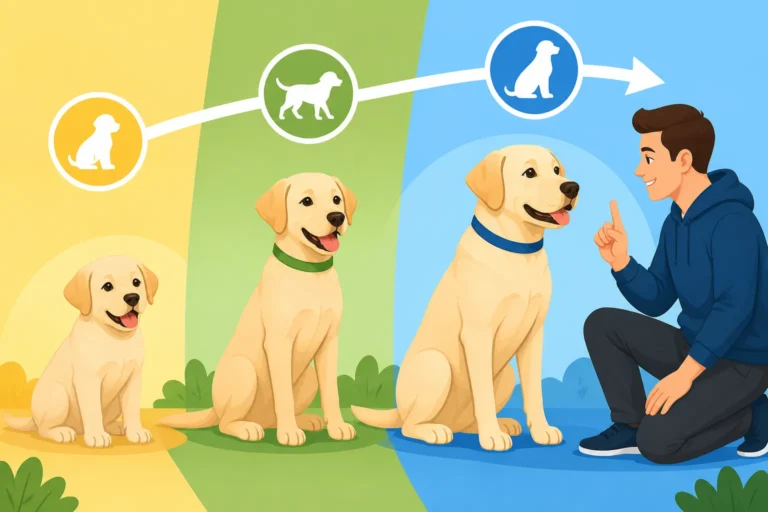
- Start Small, Really Small: Begin with incredibly brief departures. Walk out the door, close it, and immediately come back in. Don't make a big fuss when you leave or return. The goal is to make your departure so mundane it's barely noticeable.
- Increase Duration Slowly: Once your Labrador is calm for a few seconds, gradually increase the time you're gone. Go for 30 seconds, then a minute, then two, and so on. Only move to the next step if they remain calm during the previous one. If they show signs of anxiety, you've gone too far, too fast – dial it back.
- Practice Departure Cues: Often, dogs become anxious the moment they see you pick up your keys or put on your shoes. Practice these "departure cues" repeatedly without actually leaving. Pick up your keys, put them down. Grab your coat, hang it back up. This desensitizes them to these signals, so they no longer predict your absence.
- Use a Safe Haven: Make their crate or a specific room a positive, comfortable space. Provide a special long-lasting treat or puzzle toy (more on this below) only when you leave. This creates a positive association with your departure. For comprehensive guidance on using a crate, check out Crate Training a Labrador Puppy.
- Vary Your Routine: Don't always follow the exact same departure routine. Sometimes leave through the back door, sometimes the front. This prevents them from predicting your every move and getting anxious ahead of time.
- No Big Goodbyes or Hellos: While it's tempting to shower your Labrador with affection before you leave or when you return, it actually heightens their emotional state. Aim for calm departures and calm greetings. Wait until they've settled for a few minutes before offering a quiet pat or praise.
Consistency is key here. Every family member needs to be on board with this gradual approach.
Enrichment and Mental Stimulation
A tired Labrador is a happy Labrador, and a mentally stimulated Labrador is often a calmer Labrador. Providing plenty of physical and mental exercise can significantly reduce anxiety. It drains excess energy that might otherwise be channeled into destructive or anxious behaviors.
- Daily Exercise: Ensure your Labrador gets ample physical activity before you leave. A good, long walk, a game of fetch in the park, or a swim can work wonders. A Labrador that has had a proper workout is much more likely to rest quietly while you're gone. Remember to consider Exercise a Labrador Needs Each Day.
- Puzzle Toys and Treat Dispensers: These are lifesavers! Fill KONGs, snuffle mats, or other puzzle feeders with peanut butter, yogurt, or their kibble. These keep your Labrador occupied and mentally engaged for extended periods. The act of working for food is naturally calming. You can find a vast array of engaging puzzle toys on Amazon. Look for durable, challenging options that will keep a clever Labrador focused. For more ideas, explore Puzzle Feeders That Slow a Greedy Labrador.
- Chew Toys: Provide a variety of durable, safe chew toys. Chewing is a natural, stress-relieving activity for dogs. Look for options made from tough rubber or natural materials that can stand up to a strong Labrador jaw.
- Scent Work: Labradors have incredible noses. Engaging them in simple scent games before you leave can be incredibly tiring and satisfying. Hide treats around the house and let them sniff them out. This uses their natural instincts and provides great mental enrichment.
- Training Sessions: Short, positive training sessions before you leave can also tire out their minds. A 10-15 minute session working on obedience commands can be surprisingly draining.
Remember, a Labrador that is physically and mentally exhausted is much less likely to be anxious or destructive.
Creating a Safe and Comforting Space
The environment you leave your Labrador in can profoundly impact their anxiety levels. A secure, comfortable, and familiar space can provide a sense of safety when you're not there.
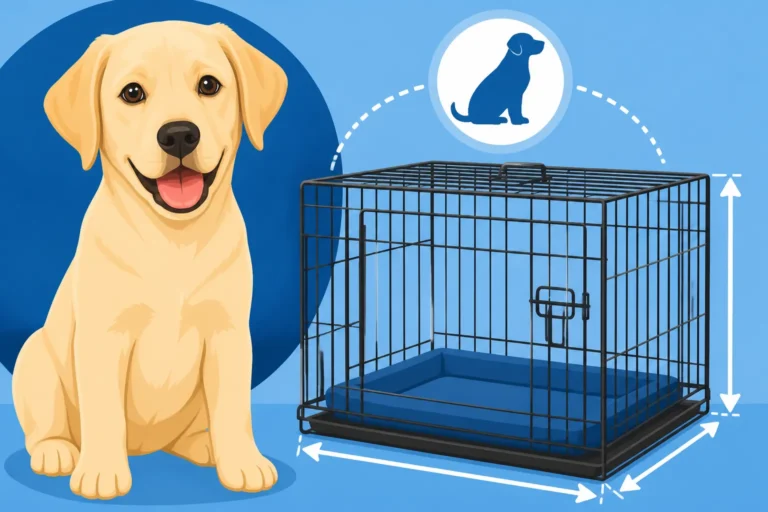
- Crate Training: For many Labradors, a properly introduced and positively reinforced crate can become a den, a safe haven. It prevents destructive behavior and keeps them out of trouble, which in turn reduces your stress and their potential for self-injury. Ensure the crate is appropriately sized – large enough for them to stand, turn around, and lie down comfortably. Cover it with a blanket to create a den-like feel.
- Designated Room: If a crate isn't an option or your Labrador isn't comfortable with it, a designated "safe room" (like a laundry room or spare bedroom) can serve a similar purpose. Ensure it's proofed for safety, with anything potentially dangerous or valuable removed.
- Comfort Items: Leave items that smell like you, such as an old t-shirt or a blanket that you've used. Familiar scents can be incredibly soothing. A comfortable bed, like an orthopedic bed often found on Amazon, can also make their space more inviting.
- Calming Aids: Some dogs benefit from calming diffusers that release dog-appeasing pheromones, or even certain calming music specifically designed for dogs. These can help create a more serene atmosphere.
- Pet Cameras: As mentioned earlier, a pet camera allows you to monitor your Labrador remotely. Seeing that they are calm can alleviate your own anxiety, and if they start to show signs of distress, you can intervene (e.g., talk to them through the camera, if it doesn't exacerbate the problem, or simply make a mental note to adjust your training). Many models allow two-way communication or even treat dispensing. You can read more about Cameras and Treat Dispensers for a Lonely Labrador.
The goal is to make their alone-time space so comfortable and familiar that it feels like a refuge, not a prison.
Seeking Professional Help and Support
Sometimes, despite all your best efforts, separation anxiety can be severe and require more specialized intervention. It's important to recognize when you need to call in the experts. You are not failing your dog by seeking help; you are giving them the best chance at a calmer life.
- Certified Professional Dog Trainer (CPDT-KA): A professional trainer experienced in positive reinforcement and behavior modification can assess your Labrador's specific situation and develop a tailored training plan. They can observe behaviors you might miss and guide you through the desensitization process. Look for trainers who use force-free methods, as punitive methods can actually worsen anxiety. Many excellent online resources exist, such as BAXTER & Bella, which offer virtual training programs and support that can be invaluable for tackling complex behavioral issues like separation anxiety. Their structured approach can help you understand the nuances of canine behavior and implement effective strategies from the comfort of your home. If you're looking for more general guidance, Choosing a Trainer for a Labrador offers great advice.
- Veterinary Behaviorist (Dip ACVB): For severe cases, a veterinary behaviorist is a veterinarian with specialized training in animal behavior. They can diagnose underlying medical conditions that might contribute to anxiety and, if appropriate, prescribe medication to help manage the anxiety in conjunction with behavior modification. Medication isn't a magic bullet, but it can significantly lower their anxiety levels enough for the training to be more effective.
- Support Groups/Online Communities: Connecting with other Labrador owners who have experienced similar challenges can provide emotional support and practical tips. Knowing you're not alone in this struggle can be incredibly validating.
Don't hesitate to reach out if you feel overwhelmed. A professional can provide the guidance and expertise needed to navigate this complex issue.
When to Consult Your Veterinarian
While many behavioral issues can be tackled with training, it’s always wise to involve your vet, especially if the anxiety seems sudden or severe. There could be underlying health issues at play that mimic or exacerbate anxiety.
Rule Out Medical Conditions
Before settling on a diagnosis of separation anxiety, your veterinarian will want to rule out any medical conditions that could be causing similar symptoms. For instance, frequent urination could be a sign of a urinary tract infection or kidney issues, rather than anxiety. Increased vocalization or changes in behavior could indicate pain or discomfort, especially in older Labradors.
Conditions such as cognitive dysfunction (canine dementia), thyroid imbalances, or even certain neurological issues can present with anxiety-like symptoms. Your vet will conduct a thorough physical examination, and possibly blood work or urinalysis, to ensure your Labrador is physically healthy. This step is critical because treating an underlying medical problem will often resolve the "anxiety" behaviors without needing extensive behavioral modification. It's always best to be sure. This is particularly important with Labradors, who are known for being stoic and Reading Pain in a Stoic Labrador can be challenging.
Medication as a Supporting Tool
For Labradors with severe separation anxiety, behavior modification alone might not be enough initially. In these cases, a veterinarian or veterinary behaviorist might recommend medication. It's crucial to understand that medication is rarely a standalone solution; it's a tool to support behavioral training.
Anxiety-reducing medications can help lower your Labrador's overall stress levels, making them more receptive to learning new coping mechanisms. Think of it like a human with severe anxiety taking medication to help them participate in therapy; it doesn't solve the problem, but it creates a mental space where therapy can actually work. Medications might include antidepressants or anxiolytics, and they are always prescribed on a case-by-case basis. Your vet will discuss the potential benefits, side effects, and the duration of treatment. The goal is often to use medication temporarily, in conjunction with a robust behavior modification plan, to help your Labrador achieve a state where they can learn to be comfortable alone. Discontinuing medication should always be done gradually and under veterinary guidance.
Disclaimer
This article is for general informational purposes only and does not constitute professional advice. Laws, prices and regulations vary by location and change over time. Consult a qualified professional for guidance on your specific situation.